Quick answer
Choose Seven Dragons if you want a self-contained, fast-playing game for 2-5 players where bluffing and aggressive Action cards drive the tension. Choose Lost Identities only if you already own regular Chrononauts and want 13 new Identity cards plus a new Mission to shuffle in. They are not competing products: one is a full game, the other is a small expansion.
Chrononauts
What each box actually is
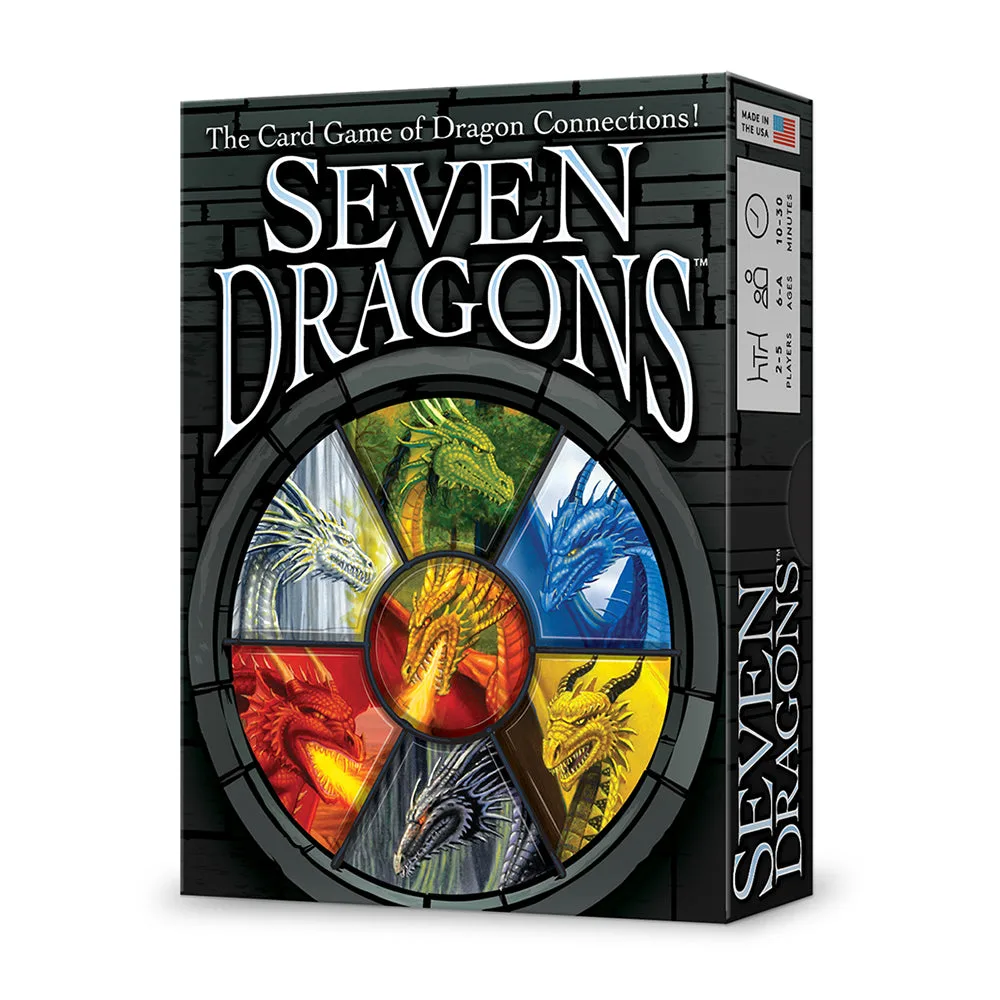
Seven Dragons is a complete, domino-like game. Players race to be the first to build a connected territory of seven panels of their dragon, and Secret Goals plus aggressive Action cards make bluffing and subterfuge part of the plan. It seats 2-5 players and comes in at USD 12.80 against a USD 20.00 comparison price.
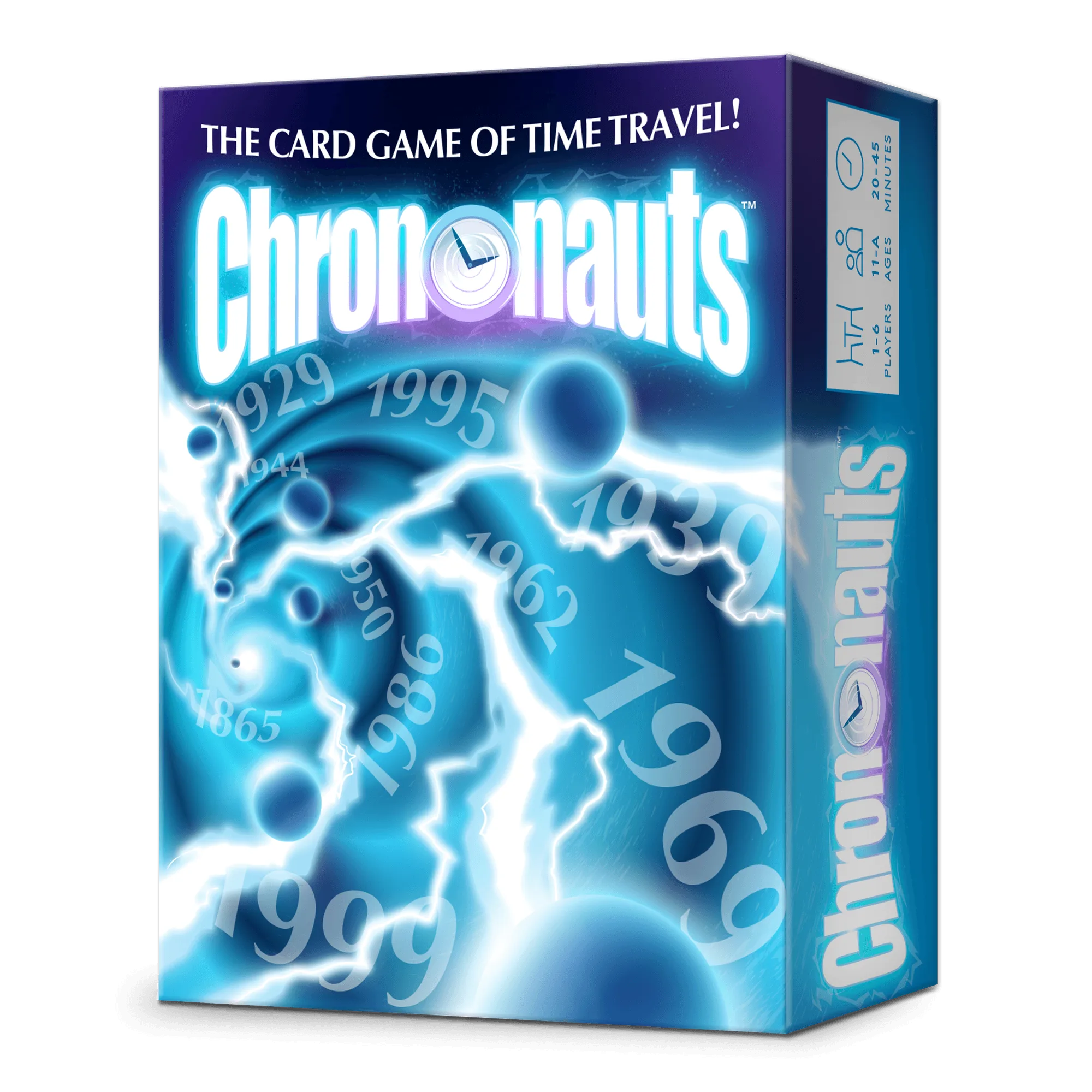
Lost Identities is not a standalone game. It is an expansion pack containing 13 new Identity cards and a new Mission, and it only works with regular Chrononauts because the IDs relate to that timeline. At USD 1.98 against a USD 3.00 comparison price, it is a low-cost way to refresh a game you already own rather than a new game night option.
Seven Dragons strategy: where the depth comes from
The race to seven connected panels is simple to teach, but the hidden layers do the work. Secret Goals give you a private win condition, so you can bluff about which dragon you are really backing. Action cards then let you disrupt opponents' territories, which means you cannot just build in a straight line and ignore the table.
Practical play advice: watch which dragon colors opponents keep feeding, keep one Action card in reserve for the turn someone reaches six connected panels, and treat your Secret Goal as information you reveal only when it is too late to stop you. The original paintings by Larry Elmore, the artist behind the early D&D Monster Manual dragons, give the table a classic fantasy look that matches the theme.
Lost Identities expansion: what it changes at the table
If you have grown used to the original Identities in Chrononauts, this pack lets you swap them out or mix them in for variety. The new Mission adds another objective to fold into the timeline, and cards like Crazy Joe, who wins with 13 paradoxes, change how you read the table because a player can be quietly working toward a very different finish line.
The catch is compatibility. Because the IDs relate to the regular Chrononauts timeline, this pack does not plug into other Fluxx or Looney Labs titles. Buy it as a variety upgrade for an existing Chrononauts group, not as a gift for someone without the base game.
Player count, time, and table fit
Seven Dragons supports 2-5 players, so it works for a couple, a small family, or a four-player game night. Lost Identities inherits its player count and play time from the Chrononauts base game you already own, so its table fit depends entirely on that group.
If you are choosing a gift for a household with no established collection, Seven Dragons is the safer pick because it plays out of the box. If your group already runs Chrononauts regularly, the expansion is the cheaper way to add replay value.
Trade-offs at a glance
- Complete game vs. expansion: Seven Dragons plays immediately with 2-5 players. Lost Identities requires regular Chrononauts and adds 13 Identity cards plus a new Mission. No base game? Choose Seven Dragons.
- Bluffing depth vs. timeline variety: Seven Dragons hides your win condition behind Secret Goals and Action cards. Lost Identities changes the identities and Mission inside an existing Chrononauts timeline. Pick based on whether you want a new game or a fresh spin on an old one.
- Higher price vs. low-cost upgrade: Seven Dragons lists at USD 12.80 against a USD 20.00 comparison price. Lost Identities lists at USD 1.98 against a USD 3.00 comparison price. The expansion is cheaper, but only if you already own the base game.
Product facts that decide the choice
- Seven Dragons: Seven Dragons is a fast domino-like game for 2-5 players where you race to connect seven panels of your dragon, with Secret Goals and aggressive Action cards adding bluffing and subterfuge. It is a complete game with a built-in bluffing layer, so it works for mixed-experience groups without needing another purchase.
- Lost Identities Expansion: Lost Identities contains 13 new Identity cards plus a new Mission, and only works with regular Chrononauts because the IDs relate to that timeline. It is a variety upgrade, not a standalone game, so it only makes sense if Chrononauts is already on your shelf.
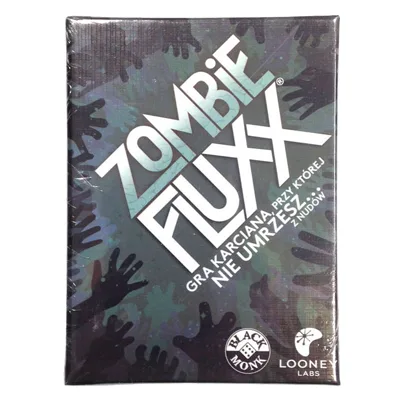
- Polish Zombie Fluxx: Polish Zombie Fluxx uses standard Zombie Fluxx art inside a box with different art and engineering, licensed by Black Monk Games. A useful reminder that Looney Labs editions can differ in packaging while the deck inside stays familiar, so check compatibility before assuming a box is a new game.
Which one should you buy?
Best for
- Groups of 2-5 who want a fast, self-contained game with bluffing and take-that Action cards
- Fantasy fans drawn to Larry Elmore's classic dragon artwork
- Gift buyers who need something playable straight out of the box
Not for
- Players who want a pure strategy game with no luck or hidden goals
- Anyone shopping for Lost Identities without already owning regular Chrononauts
- Large parties above five players looking for a single-box solution