Quick answer
Choose fusible interfacing when you want speed and a crisp, bonded structure in cotton or canvas bags. Choose sew-in interfacing when your outer fabric is faux leather, vinyl, or a coated canvas that cannot take heat, or when you want a softer, more drapey bag. Many makers combine both: fusible on the lining, sew-in on the outer.
Interfacing is the quiet decision that makes or breaks a bag. It determines whether your tote stands up on its own or slouches into a puddle, and whether your zipper tape sits flat or ripples. The two main routes are sew-in and fusible, and each one changes how you cut, press, and assemble every panel.
This comparison sticks to what actually matters at the cutting table: how each option behaves with the fabrics in our catalog, where the trade-offs show up, and which one to reach for based on your outer fabric and the look you want.
How sew-in and fusible interfacing differ
Fusible interfacing has a heat-activated adhesive on one side. You press it to the wrong side of your fabric, and it bonds in seconds. That bond adds body and stops the fabric from stretching, which is why it is the default for cotton canvas and quilting cotton bags. Sew-in interfacing has no adhesive. You cut it to the same size as your panel, baste it in place, and let the seams hold it. It adds structure without changing the hand of the fabric as much.
The practical difference is heat and drape. Fusible needs an iron and a fabric that can take medium heat. Sew-in needs extra basting time but works on anything, including faux leather and coated canvas. If you have ever pressed a fusible onto a coated fabric and watched it bubble, you already know why sew-in exists.
- Always test fusible on a scrap of your actual outer fabric before committing to a full panel.
- Sew-in adds bulk at seam allowances, so trim it out of the seam allowance after basting if your pattern allows.
Structure and drape: what each one does to a bag
Fusible interfacing bonds the fabric and the stabilizer into one sheet. That gives you a crisp, firm panel that holds a shape well, which is ideal for structured totes, zip pouches, and bag fronts that need to stay flat. The trade-off is that once it is fused, it is fused. If you press too hard or too long, you can get wrinkles or a stiff, papery feel.
Sew-in interfacing keeps the outer fabric and the stabilizer as separate layers. The bag reads softer and more relaxed, and the outer fabric keeps more of its natural texture. For a slouchy hobo or a bag where you want the canvas weave to show, sew-in is often the better call. The trade-off is that it can shift during sewing if you do not baste it well.
- For a crisp bag front, fuse interfacing to the outer panel before you sew darts or pleats.
- For a soft bag, baste sew-in interfacing to the panel with a 1/4 inch seam allowance and treat them as one piece.
Working with canvas, faux leather, and vinyl
Cotton canvas is the easiest partner for fusible interfacing. It takes heat, it presses flat, and the bond is reliable. If you are making a canvas bag, fusible is usually the faster and cleaner choice. Water-resistant canvas is a different story. The coating that makes water bead up can also resist fusible adhesive, so test a scrap first. If the fusible does not stick, switch to sew-in.
Faux leather and vinyl are the clearest case for sew-in. They cannot take a hot iron without risk of melting, shining, or bubbling, and once they are damaged there is no fixing it. Sew-in interfacing lets you add structure to a faux leather bag without ever touching it with an iron. The trade-off is that you cannot fuse away wrinkles, so cut carefully and baste accurately.
- On coated or water-resistant fabrics, press fusible only from the fabric side with a pressing cloth, and test first.
- For faux leather, use clips instead of pins to avoid permanent holes.
Fusible fleece vs sew-in: a quick comparison
Fusible fleece is a specific type of fusible stabilizer that adds loft and softness, not just firmness. It is popular for bag bodies because it gives a padded, quilted feel and helps the bag hold its shape without feeling like cardboard. It fuses to the fabric, so it is fast, but it also adds bulk at seams and can be tricky to press on textured fabrics.
Sew-in fleece or sew-in foam gives you similar loft without the adhesive. It is the go-to for makers who work with faux leather or who want a softer, more flexible bag. The trade-off is time: you baste it in place, and you need to keep it from shifting while you sew. If you are making a bag that will be washed often, sew-in is also easier to replace if it breaks down.
- Fusible fleece is great for a padded laptop sleeve or a structured tote.
- Sew-in foam is a better match for a slouchy crossbody or a faux leather bag.
Zippers, seams, and hardware: where the choice shows up
Zipper installation is where interfacing choices become visible. A fusible-interfaced panel holds a crisp edge, so zipper tape lies flat and topstitching stays even. A sew-in-interfaced panel can be softer, which means you may need to stabilize the zipper area with a small strip of fusible interfacing or a piece of canvas to keep the zipper from rippling.
Seam bulk is the other factor. Fusible interfacing adds a thin, bonded layer, so seams stay relatively flat. Sew-in interfacing adds a separate layer that can bulk up seam allowances, especially on small pouches. If you are making a small zip pouch, trim sew-in interfacing out of the seam allowance to keep the corners sharp.
- For zipper openings, fuse a 1 inch strip of interfacing along the opening on the wrong side, regardless of which method you use for the rest of the bag.
- When using sew-in interfacing, grade seam allowances to reduce bulk.
Trade-offs at a glance
- Speed vs control: Fusible interfacing is faster because the iron does the work in seconds. Sew-in takes longer because you baste, but it gives you more control over drape and works on heat-sensitive fabrics. If you value speed and your fabric can take heat, fuse. If you need control or your fabric cannot, baste.
- Crisp vs soft: Fusible bonds the layers into one firm sheet, which is great for structured totes and flat bag fronts. Sew-in keeps layers separate, so the bag stays softer and the outer fabric keeps its natural texture. Choose fusible for structure, sew-in for drape.
- Heat sensitivity: Faux leather, vinyl, and coated canvas can melt, shine, or bubble under a hot iron. Sew-in interfacing adds structure without any heat, so it is the safe choice for these materials. If you cannot press it, sew it in.
- Seam bulk: Fusible adds a thin bonded layer that keeps seams relatively flat. Sew-in adds a separate layer that can bulk up seam allowances, especially on small pouches and tight corners. Trim sew-in interfacing out of the seam allowance on small projects.
Products that work well with each method
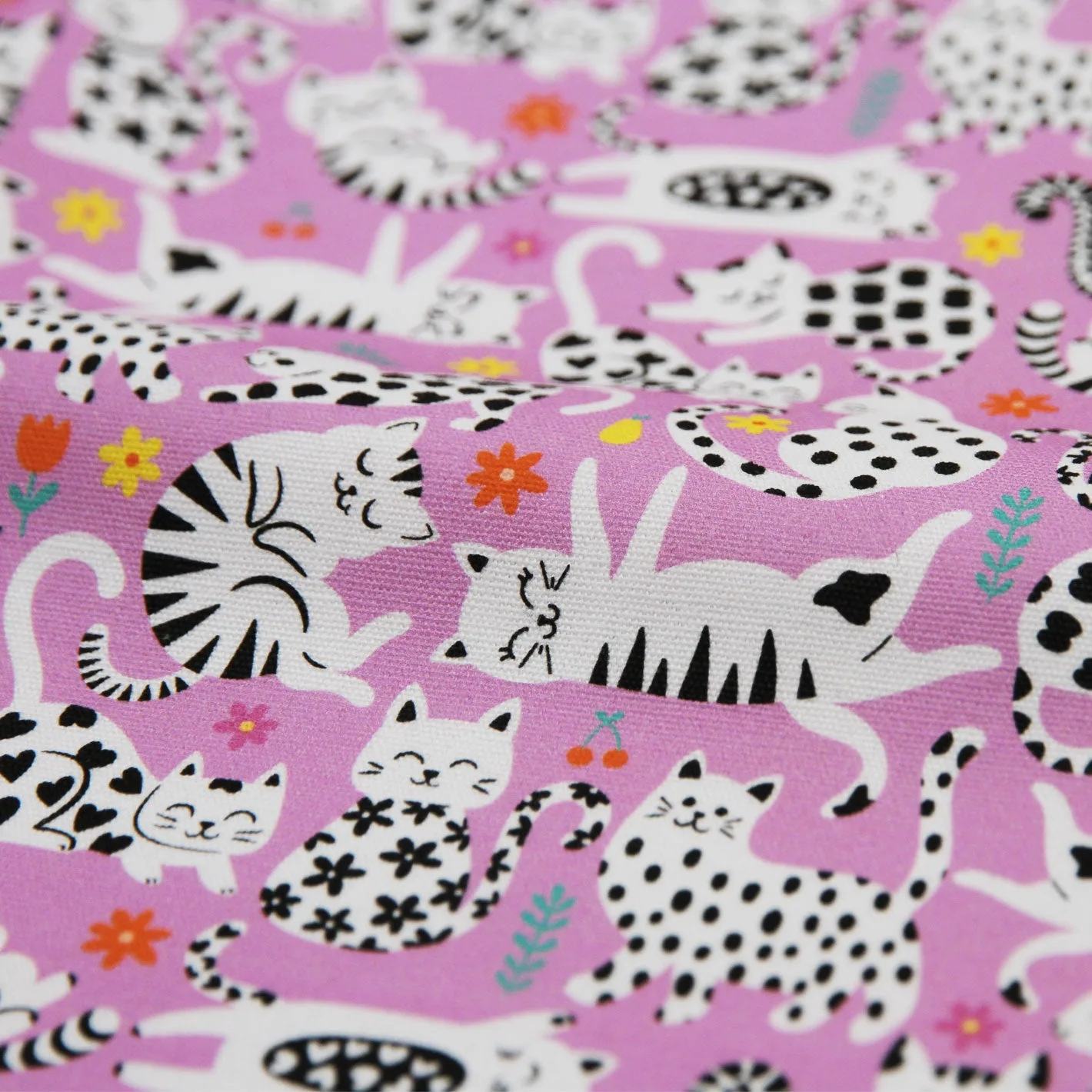
- Whisker Wonderland - Water Resistant Cotton Canvas: Water-resistant cotton canvas with a coating that makes water bead up and roll off, and a soft, natural texture without a crunchy feel. Because the coating can resist fusible adhesive, test a scrap before fusing. If it does not bond, use sew-in interfacing to add structure without heat.
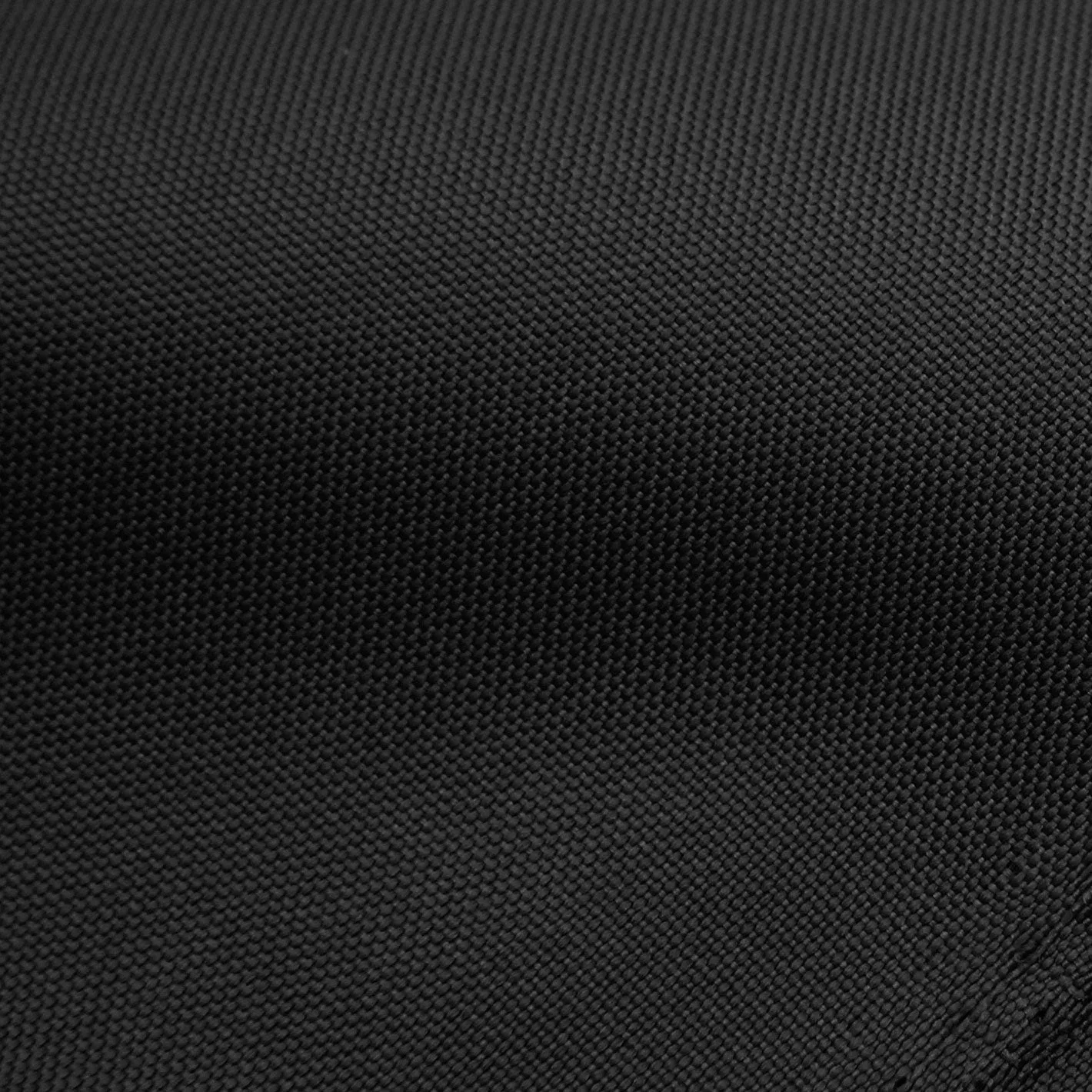
- Black - Lightweight Water Resistant Canvas: 300 denier polyester canvas with a clear PU back coating, designed as a lining for pouches, wristlets, and everyday bags. The PU backing means you should avoid direct high heat. For a crisp lining, use a low-temperature fusible tested on a scrap, or baste in a lightweight sew-in for a softer finish.
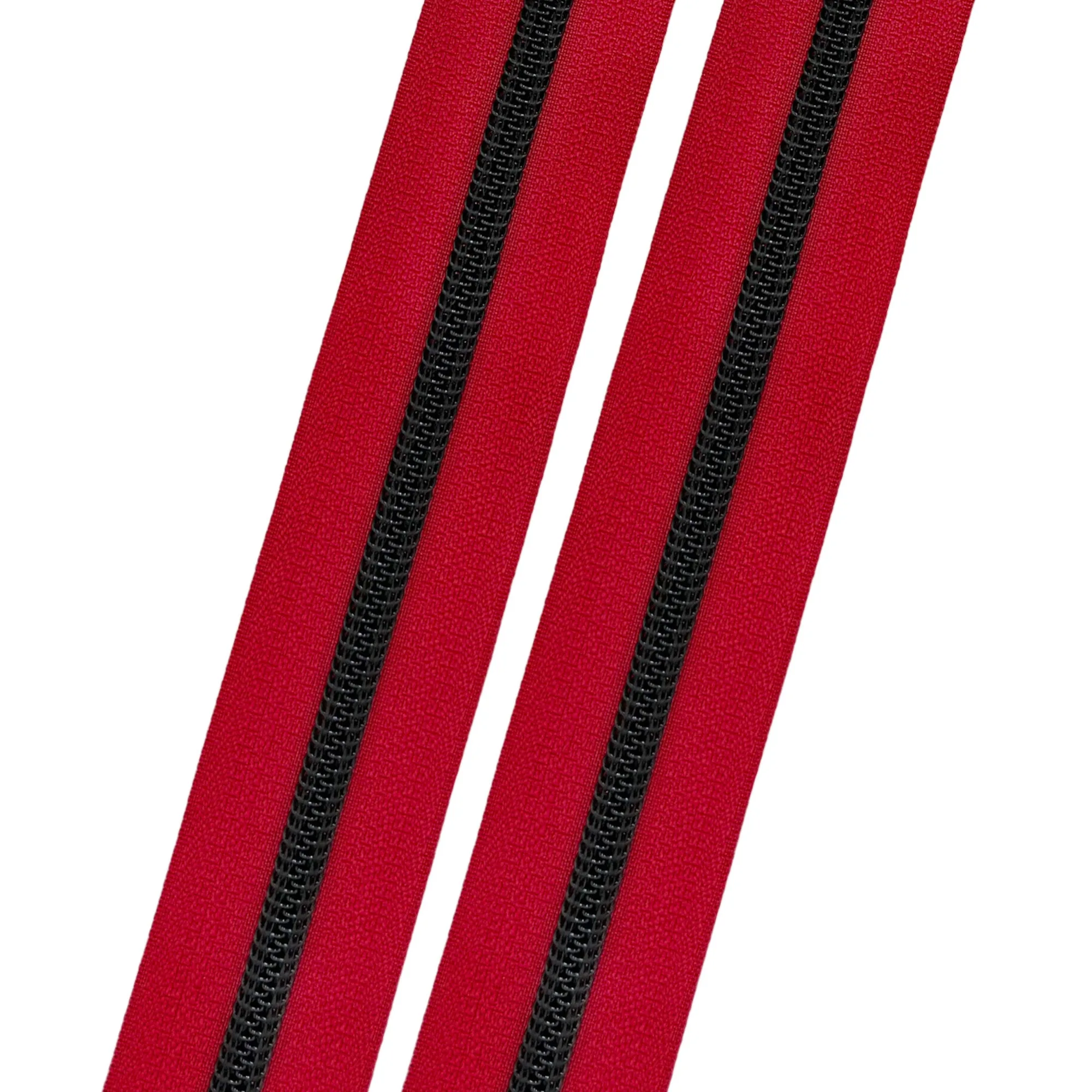
- Marilyn Red - #5 Black Nylon Coil Zipper Tape: Size #5 nylon coil zipper tape that can be cut to any length and sewn over without breaking needles. A crisp, fusible-interfaced panel helps this zipper tape lie flat and topstitch evenly, especially on handbags and backpacks.
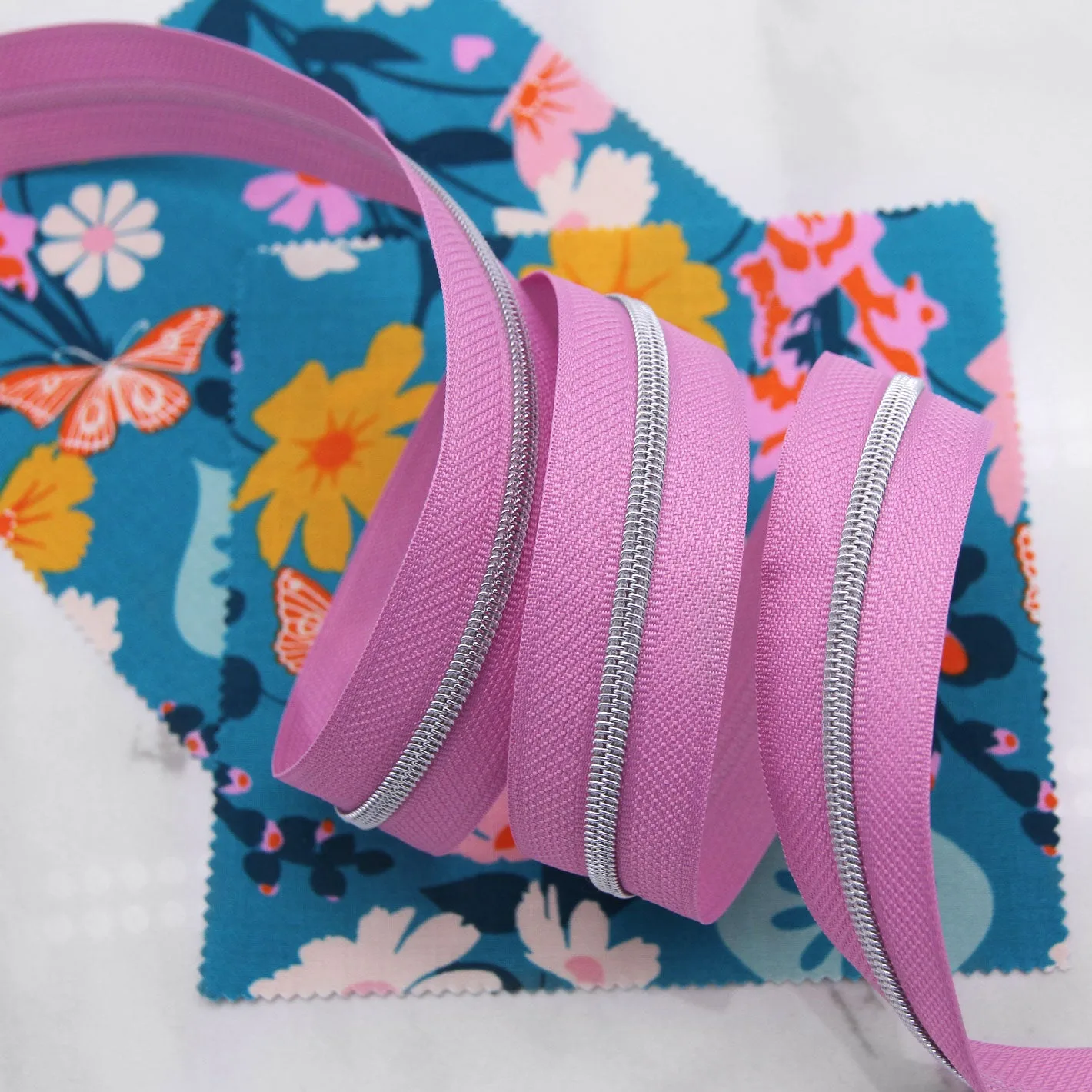
- Lilac Macaron- #3 Silver Nylon Coil Zipper Tape: Size #3 nylon coil zipper tape ideal for handbags, pouches, and backpacks, with a smooth slide. On small pouches, trim sew-in interfacing out of the seam allowance so this lighter zipper does not ripple.
Which should you choose?
Best for
- Cotton canvas and quilting cotton bags where you want a crisp, structured finish and fast assembly.
- Structured totes, laptop bags, and flat-front pouches that need to hold their shape.
- Makers who prefer pressing to basting and have a reliable iron.
Not for
- Faux leather, vinyl, or coated canvas that cannot take medium heat without risk of damage.
- Slouchy hobo bags or projects where you want the outer fabric to keep a soft, natural drape.
- Very small pouches where extra seam bulk from a separate layer would be hard to manage.
There is no single winner. Fusible interfacing gives you speed and a crisp, bonded structure that suits cotton canvas and structured bags. Sew-in interfacing gives you control, a softer hand, and a safe route for faux leather and coated fabrics. Test on a scrap, match the method to your outer fabric, and your bag will hold the shape you intended.