Quick answer
Buy the project, not the pile. A beginner sewing kit gift works best when it contains everything for one finished object, so choose a kit whose finished item you can picture the recipient using. Add one fabric cut and one pattern only if they already own a machine and basic tools; otherwise the kit is the gift.
Start with what they will sew first
A beginner's first project determines which gift is useful. Someone who wants to hem curtains needs different supplies than a child who wants to make a stuffed animal. Ask one question: what do you want to finish first? A bag, a quilt block, and a garment each pull in different notions, so a kit that matches that answer beats a general sewing basket.
If you cannot ask, choose a project with a fixed shape and few fitting decisions. Bags and pouches avoid body measurements, which removes the most common beginner frustration.
What a beginner kit should contain
A useful beginner sewing kit gift includes the project materials, written steps, and any special hardware the project needs. If the kit assumes a machine, check whether the recipient has one. Hand-sewing kits are the safer gift when you are unsure.
Skip kits that promise dozens of projects. Beginners finish one thing and gain confidence; a box of twelve half-started projects usually stalls.
- Project fabric cut to size
- Printed or digital step-by-step instructions
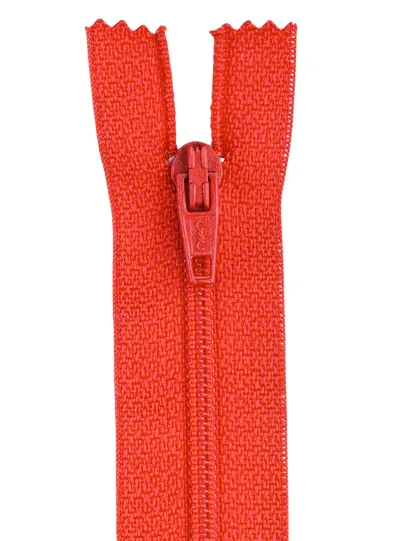
- Any zipper, strap, or closure the project requires
- A note on what tools are not included
Fabric as a gift: pick by project, not by print
Fabric is a strong gift for someone who already sews, because it does not lock them into a pattern. Buy a cut sized to a common project: a fat quarter bundle for small piecing, or one to two yards for a bag or simple garment.
Check the fiber and care instructions before buying. Quilting cotton holds shape well and is forgiving for beginners, while stretch fabrics demand different needles and techniques. If the label lists weight, width, and washing, read those before you choose.
Patterns and notions: the small gifts that get used
A sewing patterns gift works when the pattern matches the recipient's skill and equipment. Look for patterns labeled beginner or with few pattern pieces. If the pattern requires a serger or specific presser feet, it is not a beginner gift.
Notions are the safest small gift because they wear out. Extra bobbins, machine needles in the size the machine uses, and quality thread get consumed. Avoid decorative notions that only fit one machine brand unless you know the model.
Gifts for kids learning to sew
A kids sewing gift should be safe and finishable in one sitting. Choose projects with blunt needles, felt or cotton, and no sharp cutting steps if the child is young. Adult supervision still matters for scissors and irons.
For kids, the finished object is the reward. A small pouch or simple soft toy beats a large quilt project that takes weeks.
Decision rules for choosing a sewing gift
- If they do not own a sewing machine: Choose a hand-sewing kit or a project that can be finished with needle and thread. Do not buy a machine-based kit. Hand-sewing kits are the safer gift for total beginners.
- If they own a machine but few tools: Pair one project kit with a small notion set: bobbins, needles, and thread. Skip patterns until they finish the first kit. One kit plus consumable notions gets used.
- If they already sew simple projects: Buy fabric or a pattern instead of a kit. Choose a cut sized to a project they already make, and check fiber and care. Fabric and patterns suit sewists past the first project.
- If the gift is for a child: Pick a small, finishable project with safe tools. Confirm an adult can supervise scissors and iron use. Small and finishable beats ambitious.
Product examples that fit these rules
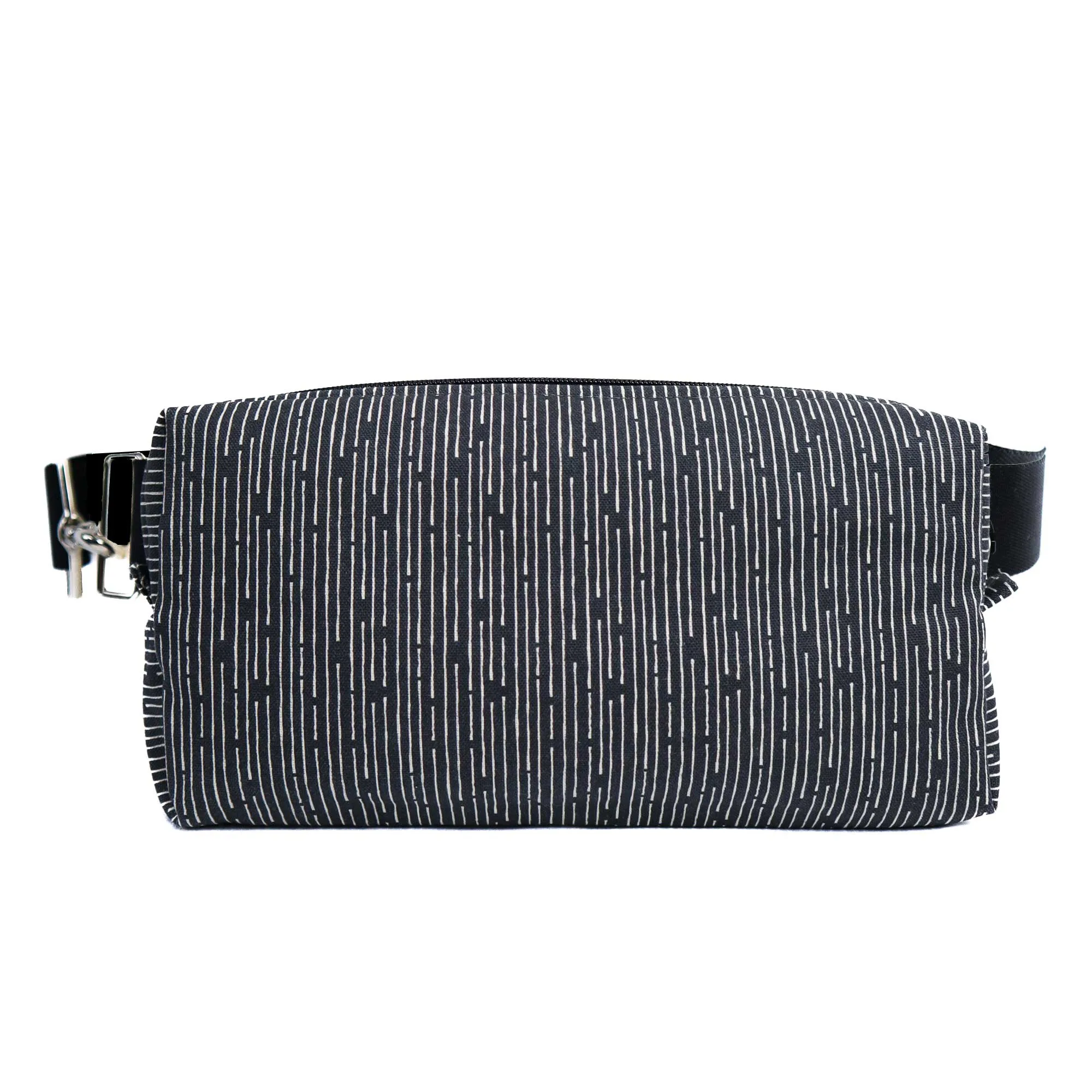
- Belt Bag Sewing Kit: Belt Bag Sewing Kit includes an adjustable strap and secure closure, with color options. It is a complete, wearable first project for a beginner who owns a machine, and the adjustable strap means no precise body fitting.
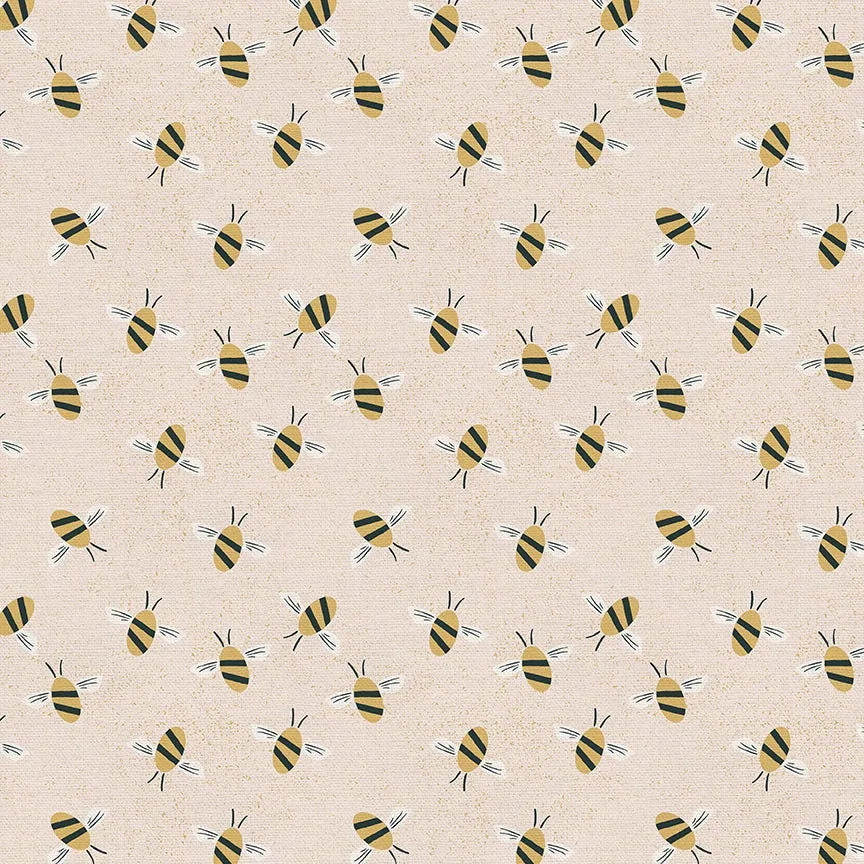
- Bees Cream from Sweet Little Friends by Gabriela Dachin for Paintbrush Studios: Bees Cream is 100% cotton, 44/45 inches wide, 143 GSM, with machine wash cold and tumble dry low care. A stable quilting cotton that holds shape for structured projects, so it is a low-risk fabric gift for a beginner.
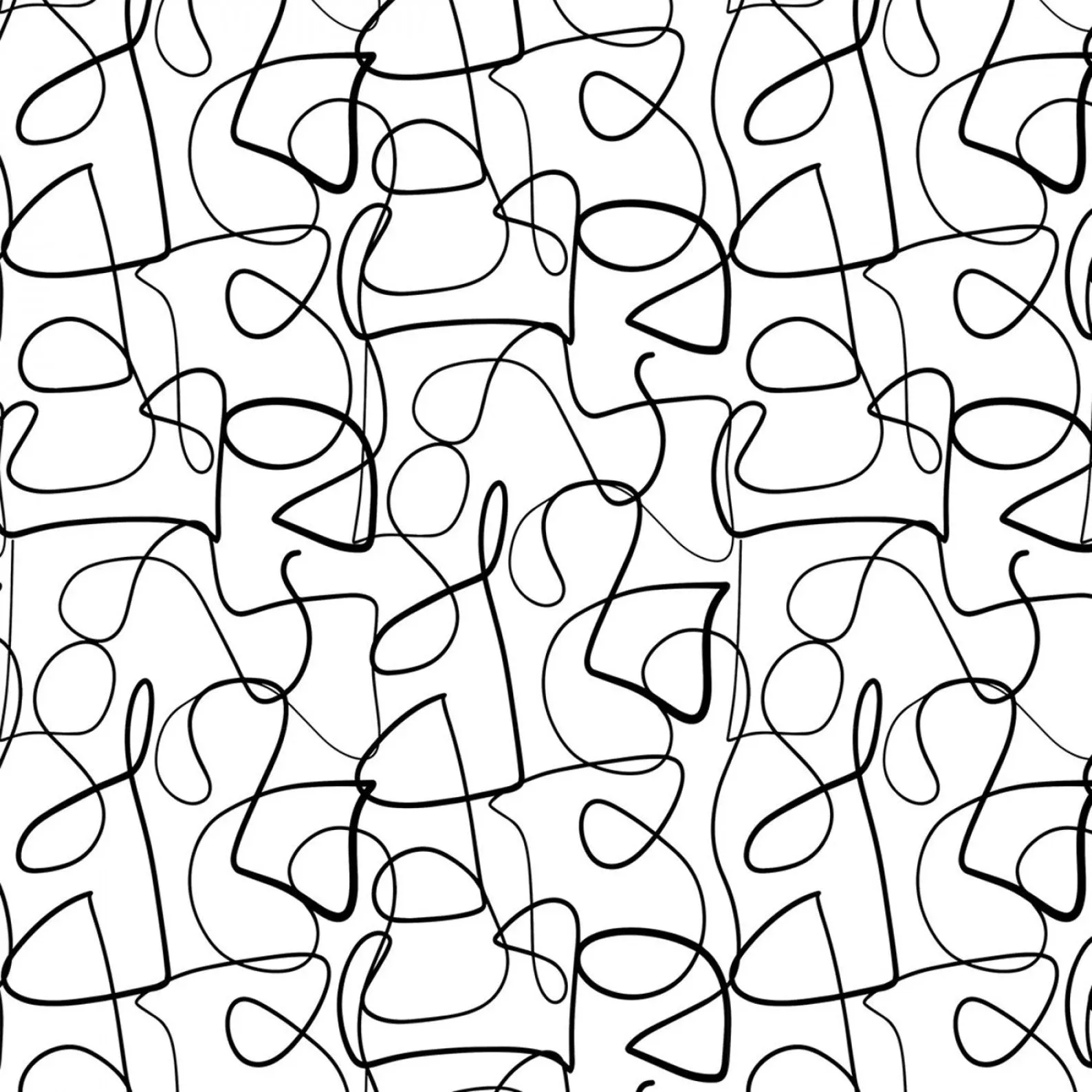
- Squiggly Lines Black from Abstract Collage by Ampersand Design Studio for Paintbrush Studio Fabric: Squiggly Lines Black is 100% cotton, 143 GSM, 44/45 inches wide, and holds shape after washing. Good for quilting and structured garments, and the print hides small stitching imperfections common in early projects.
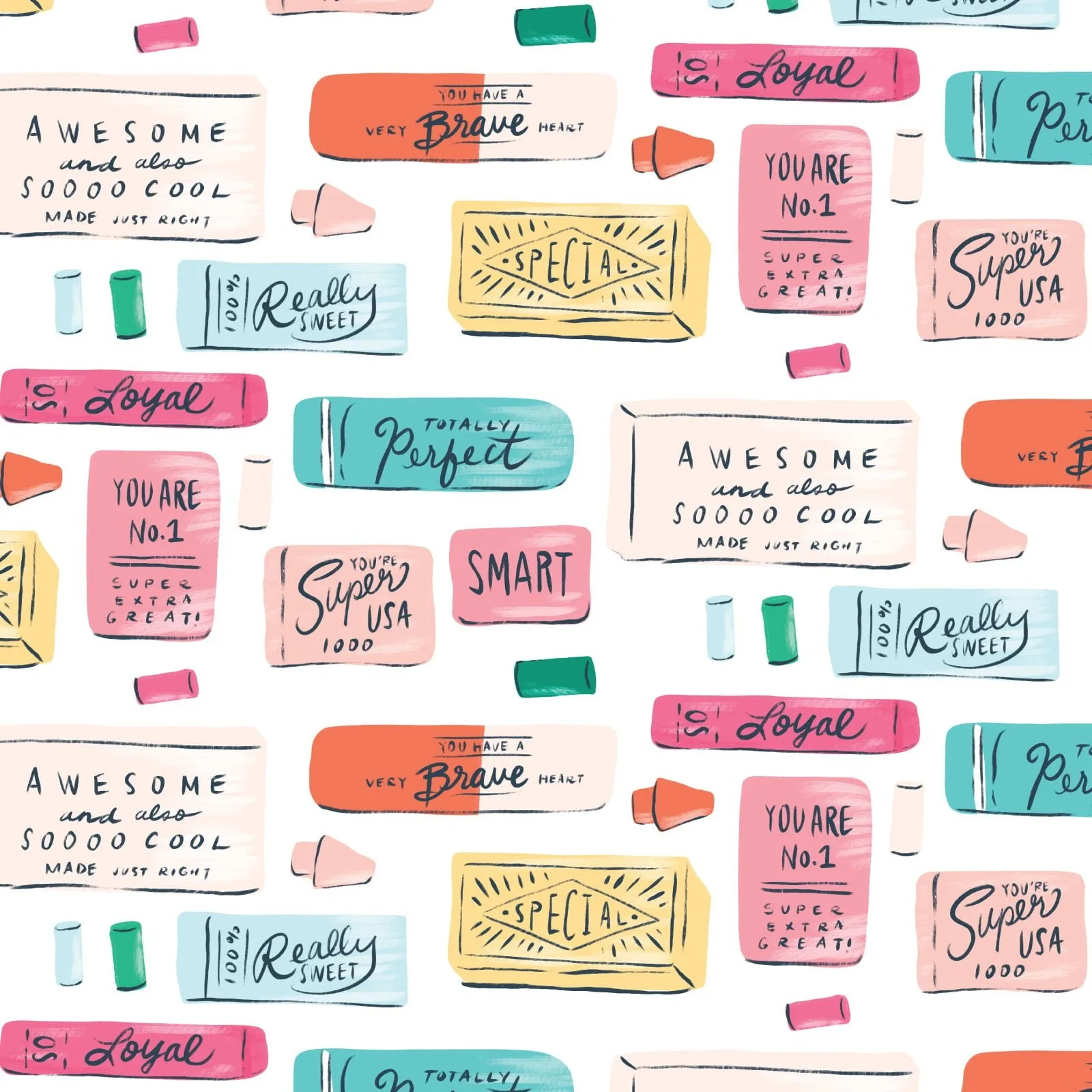
- Erase Negativity from Teacher’s Pet by Krissy Mast for Cloud9 Fabrics: Erase Negativity is OEKO-TEX certified cotton, 44-45 inches wide, machine wash cold and tumble dry low. The certification and simple care make it a safer choice for gifts intended for children's projects.
Who these gifts fit
Best for
- A beginner who has a machine and wants one finished project
- A child learning hand sewing with adult supervision
- A sewist who already owns tools and wants fabric or a pattern
Not for
- Someone with no interest in sewing or crafts
- A sewer who only works with stretch fabrics or a serger
- A gift for a child without an adult to supervise tools