Quick answer
For most everyday sewing on medium-weight woven cotton, start with a universal needle in size 80/12. Switch to a 90/14 or 100/16 for thick fabrics like denim or canvas, a 70/10 or 75/11 for lightweight fabrics like batiste or voile, and a ballpoint or stretch needle for knits. If you are quilting, a 90/14 quilting needle is a reliable starting point. When in doubt, match the needle size to fabric weight, not the project type.
A needle that is too fine for your fabric will bend, skip stitches, or snap. One that is too heavy will punch visible holes and push the fabric down into the bobbin area. Getting the size and point style right takes less than a minute, and it prevents most of the tension problems people blame on their machine.
This guide gives you a quick-reference chart, then explains the trade-offs behind each choice. You will also see why two fabrics from the same project can need different needles, and how to test a needle before you commit to a long seam.
Needle size chart: match size to fabric weight
Needle sizes use two numbers: the European metric size and the American size. A 70/10 is fine, an 80/12 is the all-purpose middle, and a 100/16 is heavy. The chart below pairs each size with the fabric weights it handles best. Use it as a starting point, then adjust if your fabric is unusually dense, loosely woven, or coated.
If your fabric sits between two sizes, choose the smaller needle first. A slightly finer needle usually causes fewer permanent holes, and you can size up if you see skipped stitches or hear a thumping sound. Always test on a scrap of the same fabric with the same thread you plan to use.
- 60/8 or 70/10: batiste, voile, chiffon, lightweight silk, fine cotton lawn
- 75/11 or 80/12: quilting cotton, poplin, flannel, most medium-weight wovens
- 90/14: denim, canvas, twill, corduroy, home decor fabrics
- 100/16 or 110/18: heavy denim, upholstery, multiple layers, thick seams
Universal vs ballpoint needle: pick by fabric structure
A universal needle has a slightly rounded point that pushes between woven threads without cutting them. It is the default for woven fabrics like quilting cotton, linen, and flannel. A ballpoint needle has a more rounded tip that slips between knit loops instead of piercing them, which prevents runs and skipped stitches on jersey, rib knit, and interlock.
For stretchy fabrics, you may also see stretch needles. They have a different scarf and eye position to handle elastic recovery, but for many basic knits a ballpoint in 75/11 or 80/12 works well. If you sew a lot of knits, keep both on hand and test which one gives you consistent stitches on your machine.
- Wovens: universal needle in 80/12 is your workhorse
- Knits: ballpoint needle in 75/11 or 80/12
- Stretch fabrics with high elastane: consider a stretch needle if ballpoint skips
- Never use a ballpoint on woven cotton for a crisp seam; it can push the weave apart
Needle for quilting: size and point matter for piecing and quilting
For piecing quilting cotton, a universal 80/12 works, but a quilting needle in 90/14 is often a better choice because its slightly tapered point helps penetrate seams where multiple layers meet. For the actual quilting stitch through a sandwich of top, batting, and backing, a 90/14 quilting needle or a 100/16 if the batting is thick gives you cleaner stitches with less deflection.
If you are using a lightweight batting and thin cotton, a 80/12 quilting needle can reduce bulk at the needle bar. The key trade-off is between penetration and hole size: heavier needles push through dense layers, but they leave larger holes in fine fabric. Test on a small quilt sandwich before you commit to a full quilt.
- Piecing: 80/12 universal or 90/14 quilting needle
- Quilting through batting: 90/14 quilting needle is a reliable start
- Thick batting or many seams: move up to 100/16
- Change your needle every 6-8 hours of sewing, or sooner if you hear a popping sound
Needle for denim and other heavy fabrics
Denim needles have a stronger shaft and a sharp point designed to penetrate dense twill without bending. For lightweight denim or chambray, a 90/14 denim needle works. For heavy 12 oz. denim, canvas, or upholstery, use a 100/16 or 110/18 denim needle. These sizes also help when you sew over thick seams like jeans hems.
The trade-off is that a heavy needle makes a larger hole. If you are topstitching a lightweight denim, test a 90/14 first. If the needle deflects or the stitches are uneven, size up. Always use a fresh needle for heavy projects; a dull needle generates heat and can break at the shank.
- Lightweight denim: 90/14 denim needle
- Medium to heavy denim: 100/16 denim needle
- Upholstery or multiple layers: 110/18 denim needle
- Use a hump jumper or a folded scrap of fabric to level the presser foot over thick seams
Needle size for fabric weight: three quick tests
If you are unsure whether your needle is right, run three quick checks. First, listen: a thumping or popping sound means the needle is struggling. Second, look at the stitches: skipped stitches or loops on the underside often mean the needle is too fine or the wrong point style. Third, inspect the fabric: visible holes that do not close after washing mean the needle is too heavy.
These tests take seconds and save you from ripping out seams. Keep a small notebook or a note on your phone with the needle size that worked for each fabric in your stash. After a few projects, you will know your defaults without checking a chart.
- Thumping sound: size up or switch to a sharper point
- Skipped stitches: check point style first, then size up
- Visible holes: size down or switch to a finer needle
- Always test on a scrap with the same thread and fabric
Decision rules: choose your needle in three steps
- Step 1: Identify fabric structure: If it is a woven (quilting cotton, linen, denim), choose a universal or sharp point. If it is a knit (jersey, rib knit), choose ballpoint or stretch. Wrong point style causes more problems than wrong size.
- Step 2: Match size to fabric weight: Lightweight: 70/10 or 75/11. Medium: 80/12. Heavy: 90/14 or 100/16. Very heavy: 110/18. When between sizes, start smaller and size up only if you see skipped stitches.
- Step 3: Test and adjust: Sew a scrap with the same thread. Check for skipped stitches, thumping, or visible holes. Adjust size or point style until the stitch is clean. A fresh needle costs less than redoing a seam.
Fabric facts that affect needle choice
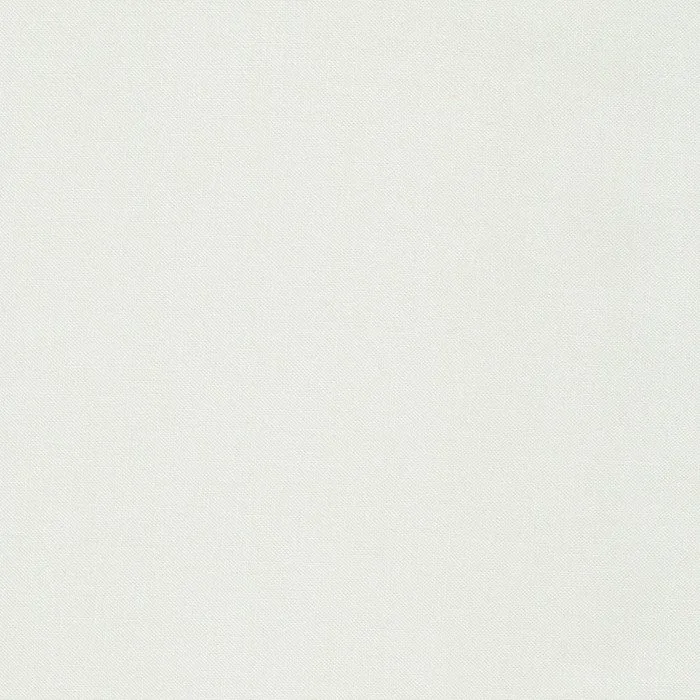
- Beryl Painter's Palette Solid from Paintbrush Studio Fabrics: 100% Cotton, 150GSM lightweight, 44" wide, thread count 62x62 A lightweight cotton like this pairs well with a 70/10 or 80/12 universal needle. The lower thread count means the weave is slightly more open, so a finer needle helps prevent visible holes.
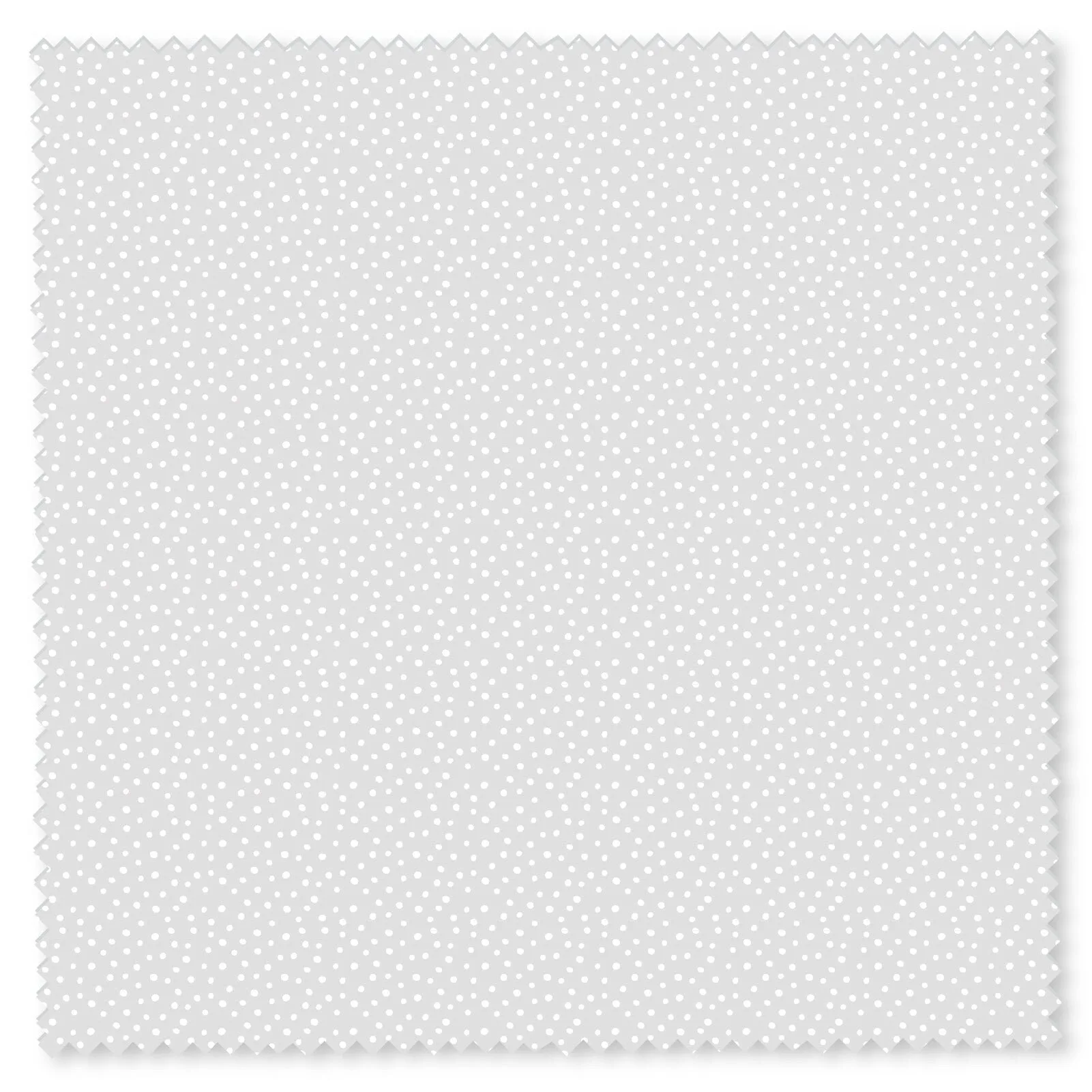
- Silver from Speckles by Felicity Fabrics: 100% Cotton, 43"/44" wide, OEKO-Tex certified, low impact dyes This is a medium-weight quilting cotton, so a universal 80/12 is a safe default. The certification tells you it is safe for baby and kids projects, but it does not change needle size.
- Kona Cotton Haze - Light Gray Solid Fabric: 100% Cotton, 44" wide, 4.35 oz. per square yard A versatile solid for piecing and quilting. Use an 80/12 universal for piecing and a 90/14 quilting needle when you stitch through batting.
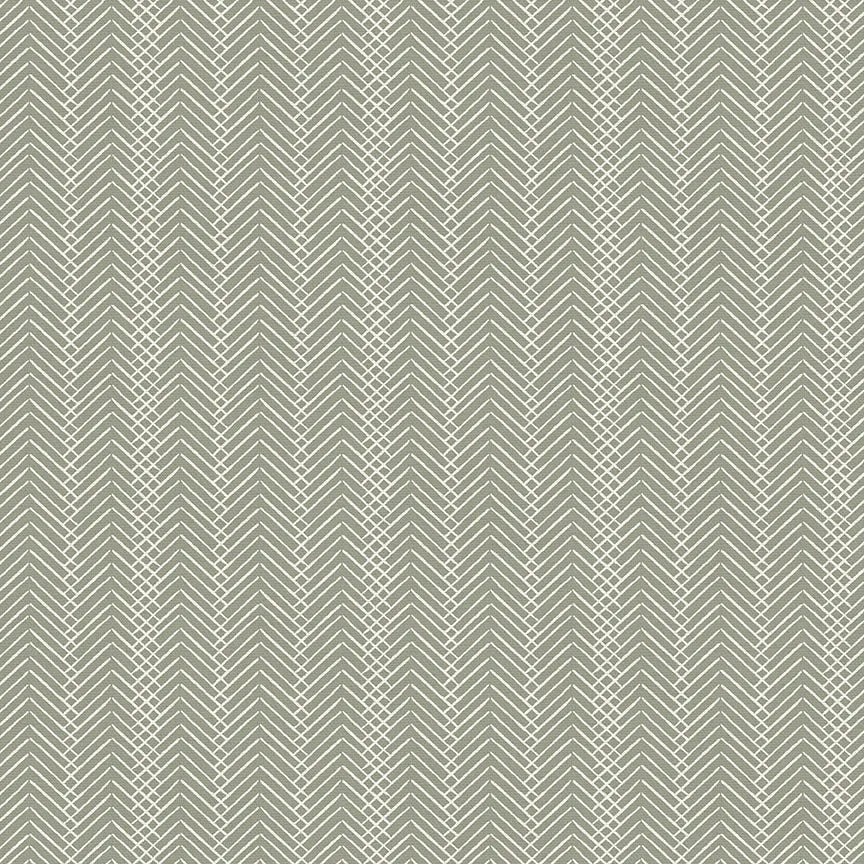
- Chevron Sage from Sweet Little Friends by Gabriela Dachin for Paintbrush Studios: 100% Cotton, 143GSM, 44/45" wide, thread count 150 per square inch, shrinkage 3-5% The higher thread count makes this a slightly denser weave. If you see skipped stitches with a 70/10, move up to an 80/12 universal needle.
Who this guide is for
Best for
- Sewists who want a quick reference for needle sizes and types
- Quilters piecing and quilting with cotton fabrics
- Garment sewists working with denim, knits, or lightweight fabrics
Not for
- Industrial sewing machine operators using specialized needle systems
- Sewists looking for a deep dive into thread tension or machine timing
- Anyone who needs a specific needle recommendation for a fabric not listed here
Keep a small range of needles on hand: 80/12 universal for everyday sewing, 90/14 for denim and quilting, 75/11 ballpoint for knits, and 70/10 for lightweight fabrics. Change your needle often, test on scraps, and let the fabric guide your choice. That habit will improve your stitches more than any tension adjustment.