Quick answer
Sewing with kids works best when you match tools and projects to their age and skills. Start with hand-sewing or a supervised machine, use safety tools like finger guards and blunt needles, and choose quick, useful projects such as scrunchies or pillowcases. A dedicated kids sewing kit with pre-cut fabric and illustrated instructions removes guesswork and keeps the focus on fun.
What age can a child start sewing?
Most children can begin hand sewing around age 5 or 6 with close supervision, using a blunt needle and felt or stiff fabric. By age 8 or 9, many kids are ready to try a sewing machine with step-by-step guidance. Every child develops differently, so watch for focus, patience, and fine motor control rather than relying on age alone.
What are the essential safe sewing tools for children?
For hand sewing, choose blunt-tip needles, a small pair of safety scissors, and a thimble that fits. For machine sewing, a finger guard, a slow-speed setting, and a needle guard are helpful. Always keep pins in a magnetic holder and teach kids to never put pins in their mouth. A clear workspace with good lighting reduces accidents.
How do I set up a kid-friendly sewing space?
Set the machine at a height where your child can sit comfortably with feet flat on the floor or a footrest. Use a sturdy table and chair, and keep the area free of clutter. Place the machine so you can stand or sit beside your child to guide their hands. Good lighting and a visible power switch are also important.
What are good first sewing projects for kids?
Projects that are quick, useful, and forgiving work best. Scrunchies, pillowcases, and simple tote bags are popular because they use straight seams and have immediate results. Kits with pre-cut fabric and illustrated instructions help kids succeed without frustration.
How can I teach kids to sew safely on a machine?
Start with the machine off, and practice hand positioning and pedal control. Then sew on paper without thread to learn speed control. Always supervise, and remind kids to keep fingers away from the needle and to unplug the machine when not in use. Teach them to sew slowly and to stop immediately if something feels wrong.
What should I look for in a kids sewing kit?
Look for kits that include pre-cut fabric, clear illustrated instructions, and all necessary notions like elastic or thread. Video tutorials are a bonus. Avoid kits with complex patterns or tiny pieces that require advanced skills. A good kit builds confidence with a finished project in one or two sessions.
Do kids need a special sewing machine?
Not necessarily. A basic machine with adjustable speed and a finger guard works well. Some machines are designed for kids with slower speeds and simplified controls, but a standard machine on a slow setting is fine with supervision. The key is to match the machine's features to your child's ability to follow safety rules.
How do I keep sewing with kids fun and stress-free?
Choose projects they can finish in one sitting, and let them pick fabrics they love. Keep sessions short, and praise effort over perfection. If they lose interest, switch to hand sewing or a no-sew project. The goal is to build positive associations with sewing, not to finish a masterpiece.
Frequently Asked Questions
What age can a child start sewing?
Most children can begin hand sewing around age 5 or 6 with close supervision, and machine sewing around age 8 or 9. Watch for focus and fine motor control rather than relying on age alone. Start with hand sewing and progress to a machine when your child can follow safety rules consistently.
What are the essential safe sewing tools for children?
For hand sewing, use blunt-tip needles, safety scissors, and a thimble. For machine sewing, a finger guard, slow-speed setting, and needle guard are helpful. Always keep pins in a magnetic holder and teach kids never to put pins in their mouth. Safety tools reduce risk, but direct supervision is the most important safeguard.
How do I set up a kid-friendly sewing space?
Set the machine at a height where your child can sit comfortably with feet flat. Use a sturdy table and chair, keep the area clutter-free, and ensure good lighting. Place the machine so you can sit beside your child to guide their hands. A dedicated, well-lit space with you nearby makes sewing safer and more enjoyable.
What are good first sewing projects for kids?
Scrunchies, pillowcases, and simple tote bags are ideal because they use straight seams and yield quick, useful results. Kits with pre-cut fabric and illustrated instructions help kids succeed without frustration. Choose projects that can be finished in one or two sessions to build confidence.
How can I teach kids to sew safely on a machine?
Start with the machine off, practice hand positioning and pedal control, then sew on paper without thread. Always supervise, remind kids to keep fingers away from the needle, and unplug the machine when not in use. Practice without thread first, then move to fabric when your child is comfortable.
What should I look for in a kids sewing kit?
Look for pre-cut fabric, clear illustrated instructions, and all necessary notions like elastic or thread. Video tutorials are a bonus. Avoid kits with complex patterns or tiny pieces that require advanced skills. A good kit builds confidence with a finished project in one or two sessions.
Do kids need a special sewing machine?
Not necessarily. A basic machine with adjustable speed and a finger guard works well. Some machines are designed for kids with slower speeds and simplified controls, but a standard machine on a slow setting is fine with supervision. Match the machine's features to your child's ability to follow safety rules.
Product facts
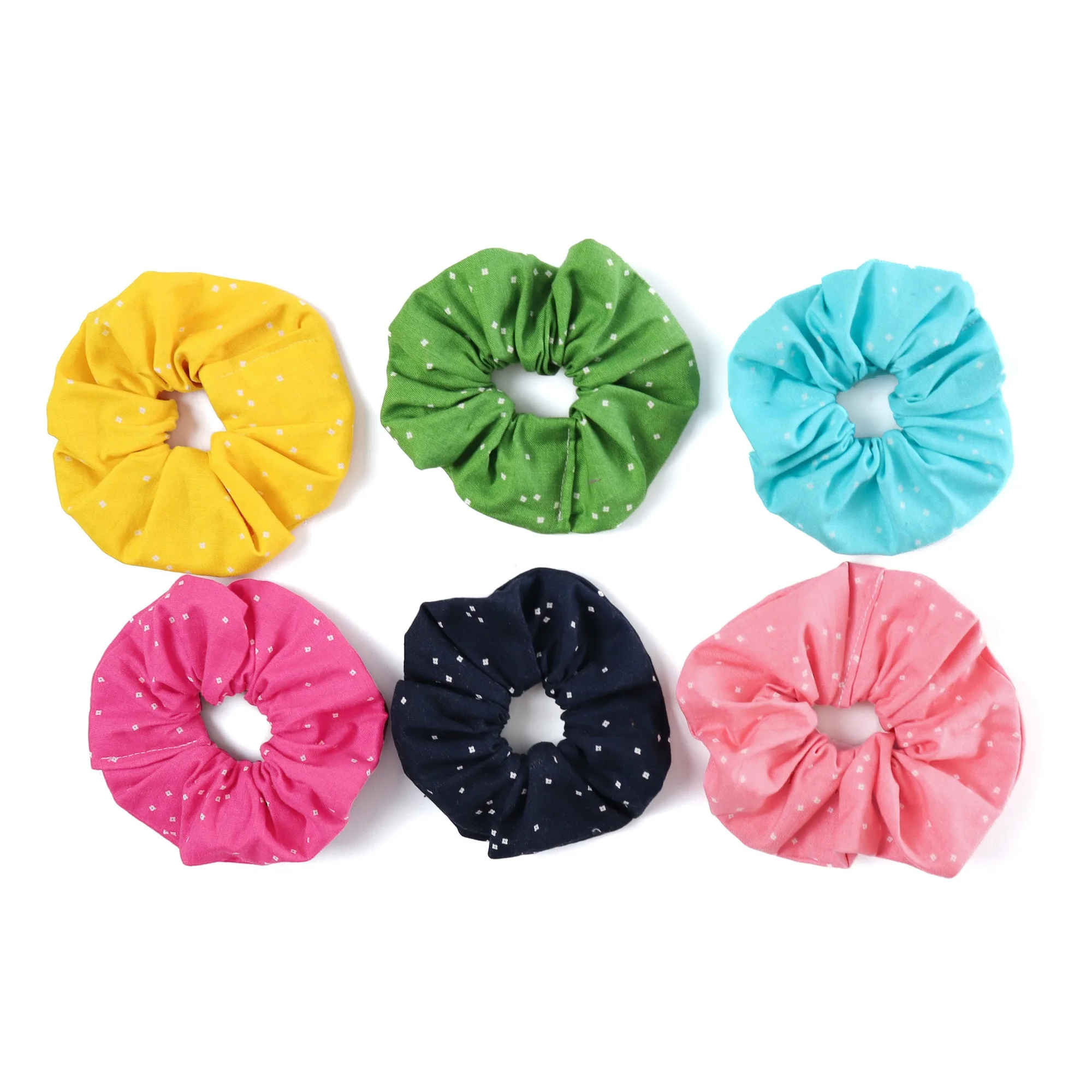
- Scrunchie Sewing Kit: This scrunchie sewing kit is a perfect beginner sewing project. Designed for first-time and beginner sewers, this DIY sewing kit includes everything needed to sew 6 fabric scrunchies using a sewing machine. Each kit includes pre-cut fabric, elastic, step-by-step illustrated instructions and access to a full video tutorial. The pre-cut fabric and illustrated instructions remove the need for pattern cutting, so kids can focus on straight seams and finishing a project quickly.
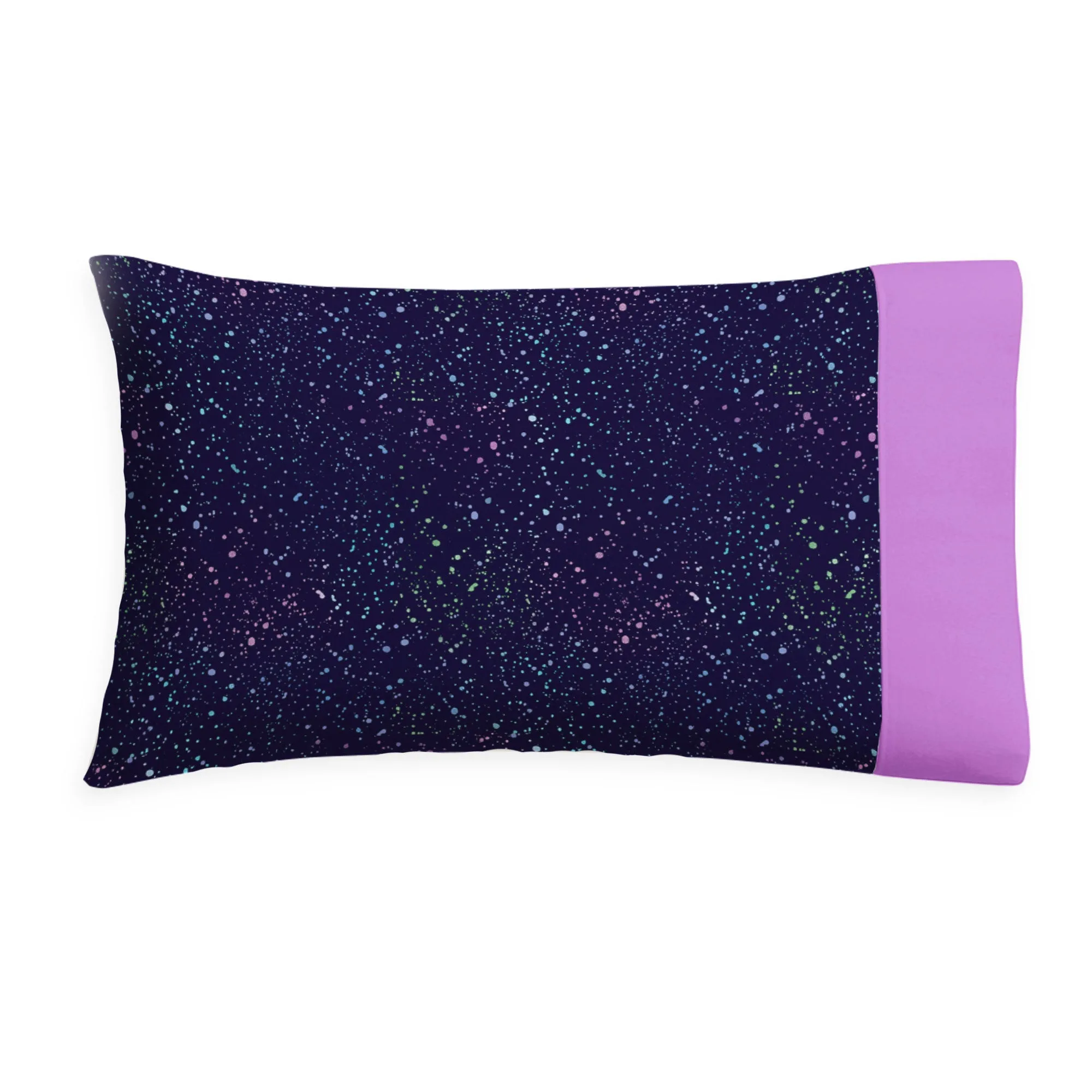
- Pillowcase Sewing Kit: Learn to sew with this fun, beginner-friendly Pillowcase Sewing Kit from Crosscut Sewing Co.! This easy sewing project is perfect for kids, teens or adults who are new to sewing and want to make something useful right away. You’ll learn basic sewing machine skills while creating a beautiful, handmade pillowcase that fits a standard bed pillow. A pillowcase is a practical first project that teaches straight stitching and seam allowances, and the result is something kids can use every night.
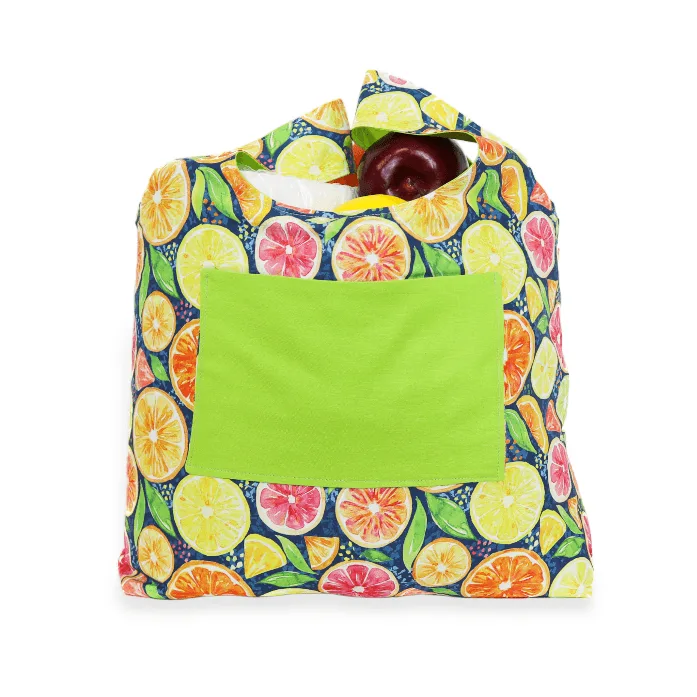
- Foldable Shopping Tote Sewing Kit: Sew a stylish, reusable shopping bag you’ll reach for again and again. This Shopping Tote Sewing Kit is a fun and practical sewing project that results in a durable, lined fabric tote that folds neatly into its own pocket—perfect for keeping in your car or purse for everyday errands. The fully lined design adds strength, hides seams, and makes the bag reversible, giving you two looks in one. The lined, reversible design introduces kids to more advanced techniques like turning and topstitching, while still being achievable with supervision.