Quick answer
For most beginners, start with 8-meter lengths of 6mm jute rope—it offers the right balance of grip, flexibility, and durability. Hemp is a softer alternative but requires more conditioning. Always prioritize natural fiber ropes for shibari to reduce friction burns and ensure safe ties.
Choosing the right rope material: jute vs. hemp
Jute is the most popular shibari rope material because it has a natural stiffness that holds knots well and provides a distinct tactile sensation. It is lightweight and affordable, making it ideal for beginners. Hemp, on the other hand, is softer and more pliable right out of the bag, which can be more comfortable for the bottom but may require more frequent conditioning to maintain its flexibility.
Both materials are natural fibers that breathe and reduce the risk of heat buildup during suspension or floor work. Jute tends to have a rougher texture that some tops prefer for grip, while hemp feels smoother against the skin. If you have sensitive skin or plan long sessions, hemp may be a better choice. For general practice and learning, jute is the more forgiving and cost-effective option.
Rope length and thickness for beginners
Standard shibari rope lengths are 8 meters (about 26 feet) for single-column ties and 10 meters for double-column or futomomo ties. Beginners should buy 6 to 8 ropes of 8 meters each to have enough for basic body harnesses. Thickness matters: 6mm is the most versatile for general floor work, while 8mm is sturdier for suspension but harder to tie for novices. Avoid ropes thinner than 4mm for safety reasons, as they can dig in and cause nerve damage.
When starting, stick with one length and thickness until you are comfortable with basic knots and patterns. Having a set of matching ropes simplifies learning because you don't have to adjust your technique for different sizes. As you progress, you can add longer or shorter ropes for specific ties.
Caring for your shibari rope
Natural fiber ropes require regular care to stay safe and comfortable. After each session, gently untie the rope and let it air out in a dry, ventilated space away from direct sunlight. Do not store rope while damp, as mold and mildew can weaken the fibers and cause skin irritation.
Condition your rope every few months with a small amount of jojoba or mineral oil to keep it supple. Avoid over-oiling, which can make the rope slippery and harder to knot. Check for fraying or broken strands before each use—discard any rope that shows significant wear to prevent injury.
Decision rules for your first shibari rope
- Material first, then length: Choose jute for better knot retention and lower cost; choose hemp for softer feel. After deciding, pick 8m lengths. Jute is the default for most beginners.
- Stick with 6mm thickness: 6mm is the sweet spot for learning: thick enough for safety, thin enough for intricate ties. Avoid 4mm or 8mm until you have more experience. 6mm is your training wheel.
- Buy at least 6 ropes of the same type: Having a matched set lets you practice full body harnesses without mixing different tensions or textures. Start with 6 to 8 ropes. Consistency helps muscle memory.
- Care for rope after every session: Air dry, condition monthly, and inspect for fraying. Replace rope at first sign of damage. Safety depends on maintenance.
Related products from Liebe Seele
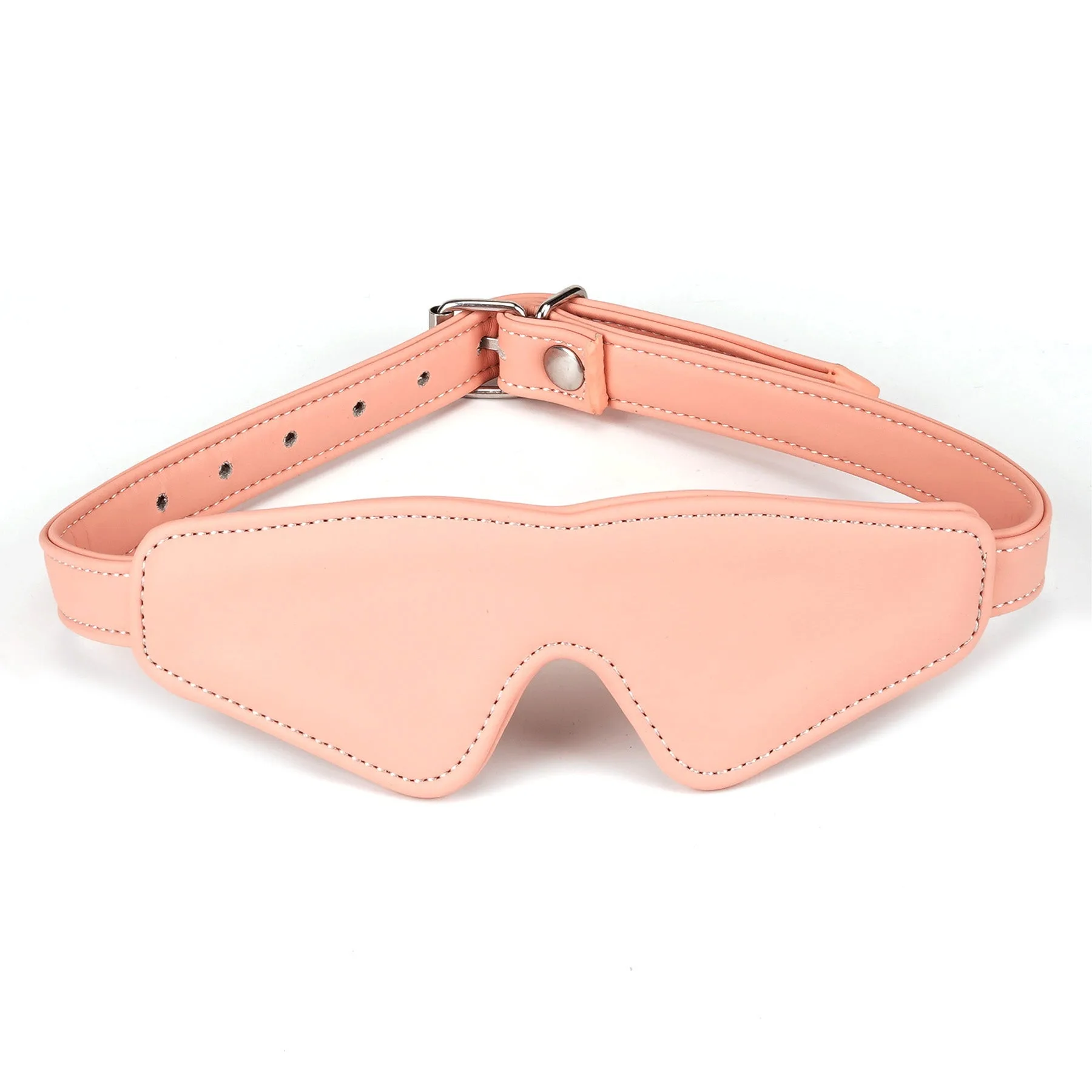
- Dark Candy: Pink Vegan Leather Blindfold: Take control of your lover's senses with this deluxe bondage blindfold. Ideal for sensory deprivation, this high-quality faux leather blindfold serves as an excellent introduction to bondage. Crafted from cruelty-free vegan leather, it's also the ideal choice for vegan bondage enthusiasts. Pairing a blindfold with your shibari rope intensifies sensory deprivation, making the rope's texture and tension more pronounced for the bottom.
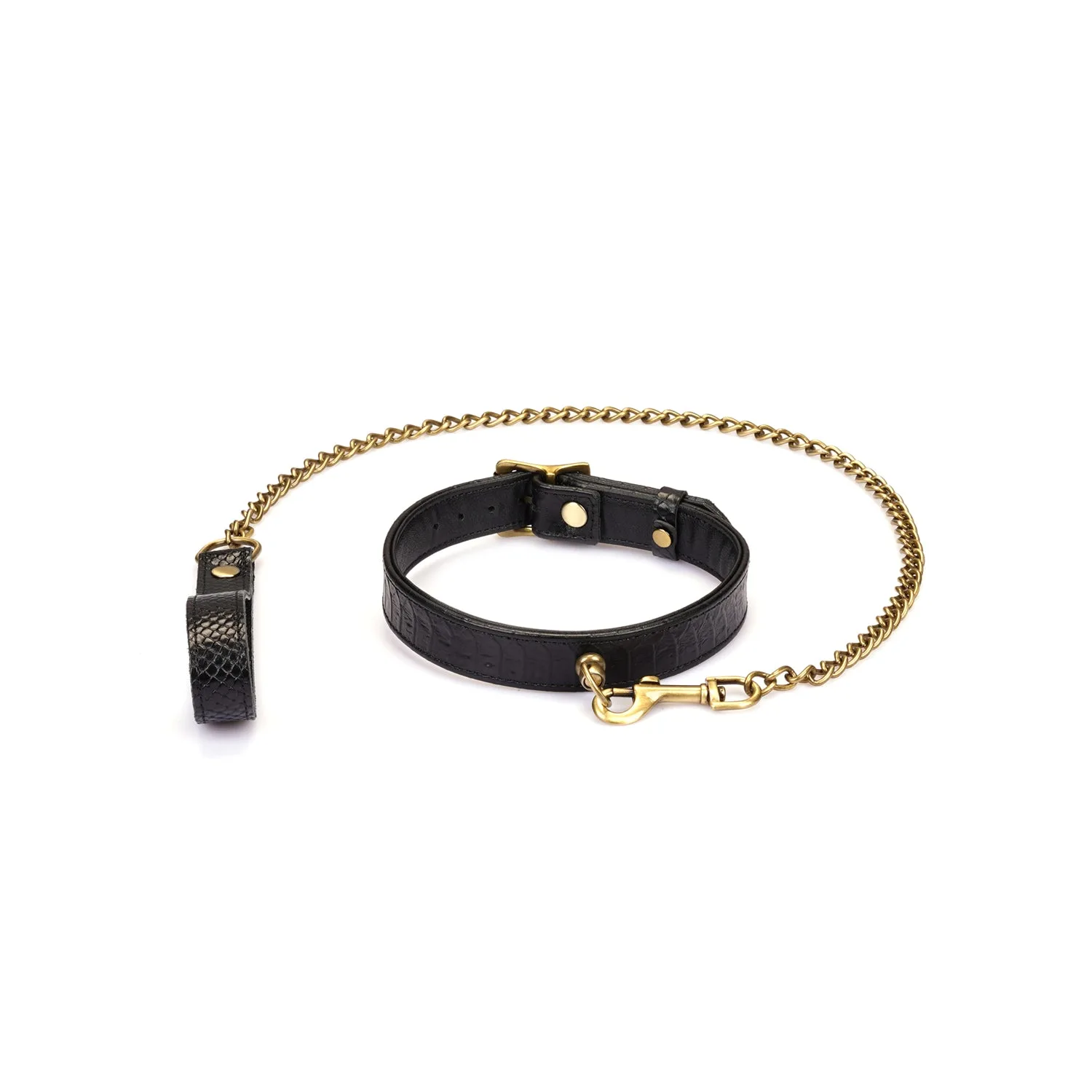
- Crocodile Noir: Black Leather Collar with Chain Leash: Assert your dominance with the texture of crocodile leather bondage collar, an elegant addition to any restraint play session. Combine with your most tantalizing fetish wear or comprehensive restraint systems to bring your wildest fantasies to life. A collar adds a clear visual and psychological anchor to your shibari scene, complementing the rope work and reinforcing roles.
Who should choose what
Best for
- Beginners who want an affordable, grippy rope for floor work
- Tops who prefer precise knot holding and tactile feedback
Not ideal for
- Bottoms with very sensitive skin who need a softer fiber
- Suspension practitioners who require thicker, pre-conditioned hemp ropes