Quick Answer
Clean your shibari rope by hand-washing with mild soap and cool water, then air-dry it completely away from direct heat. Store it loosely coiled in a breathable bag in a cool, dry place. Regular care prevents mold, fraying, and loss of flexibility.
Why Proper Rope Care Matters
Shibari rope, especially natural fibers like jute, absorbs oils, sweat, and dirt from skin contact and floor surfaces. If you skip cleaning, residue builds up and can cause skin irritation or weaken the fibers over time. A consistent care routine keeps your rope soft, strong, and safe for every session.
When to Clean Your Rope
Clean your rope after every few uses, or immediately if it gets visibly dirty, damp, or exposed to bodily fluids. For light use, a monthly wipe-down may be enough. Heavy or sweaty scenes call for a full wash sooner. Trust your senses: if the rope smells musty or feels sticky, it is time to clean.
Step-by-Step Shibari Rope Care Routine
- Step 1: Hand-Wash with Mild Soap: Fill a basin with cool water and add a few drops of mild, unscented soap. Submerge the rope and gently knead it for 2-3 minutes. Do not scrub or twist aggressively, as that can fray the fibers. Rinse thoroughly with cool water until no soap remains. Common mistake: using hot water or harsh detergents. Hot water can shrink natural fibers; harsh chemicals strip the rope's natural oils, making it brittle.
- Step 2: Air-Dry Flat or Hanging: Lay the rope flat on a clean, dry towel or hang it loosely over a shower rod. Keep it away from direct sunlight, radiators, or hair dryers. Let it dry completely, which can take 12-24 hours depending on humidity. Flip or rotate the rope halfway through to ensure even drying. Checkpoint: if any section still feels damp after 24 hours, the rope is at risk of mold. Extend drying time in a well-ventilated area.
- Step 3: Store Loosely in a Breathable Bag: Once fully dry, coil the rope loosely (avoid tight knots or kinks) and place it in a cotton or mesh bag. Store in a cool, dark cupboard or drawer. Avoid plastic bins or sealed containers, as trapped moisture promotes mildew. Common mistake: storing rope while still slightly damp. Always do the 'touch test' — if it feels cool or smells musty, it is not dry enough.
- Step 4: Condition Natural Fibers Occasionally: For jute or hemp ropes, apply a tiny amount of jojoba or mineral oil to a soft cloth and lightly run it along the rope. This restores flexibility and reduces friction. Wipe off excess oil and let the rope rest for a few hours before use. Checkpoint: over-oiling makes rope slippery and can stain skin or clothing. Use less than you think you need.
Gear That Makes Rope Care Easier
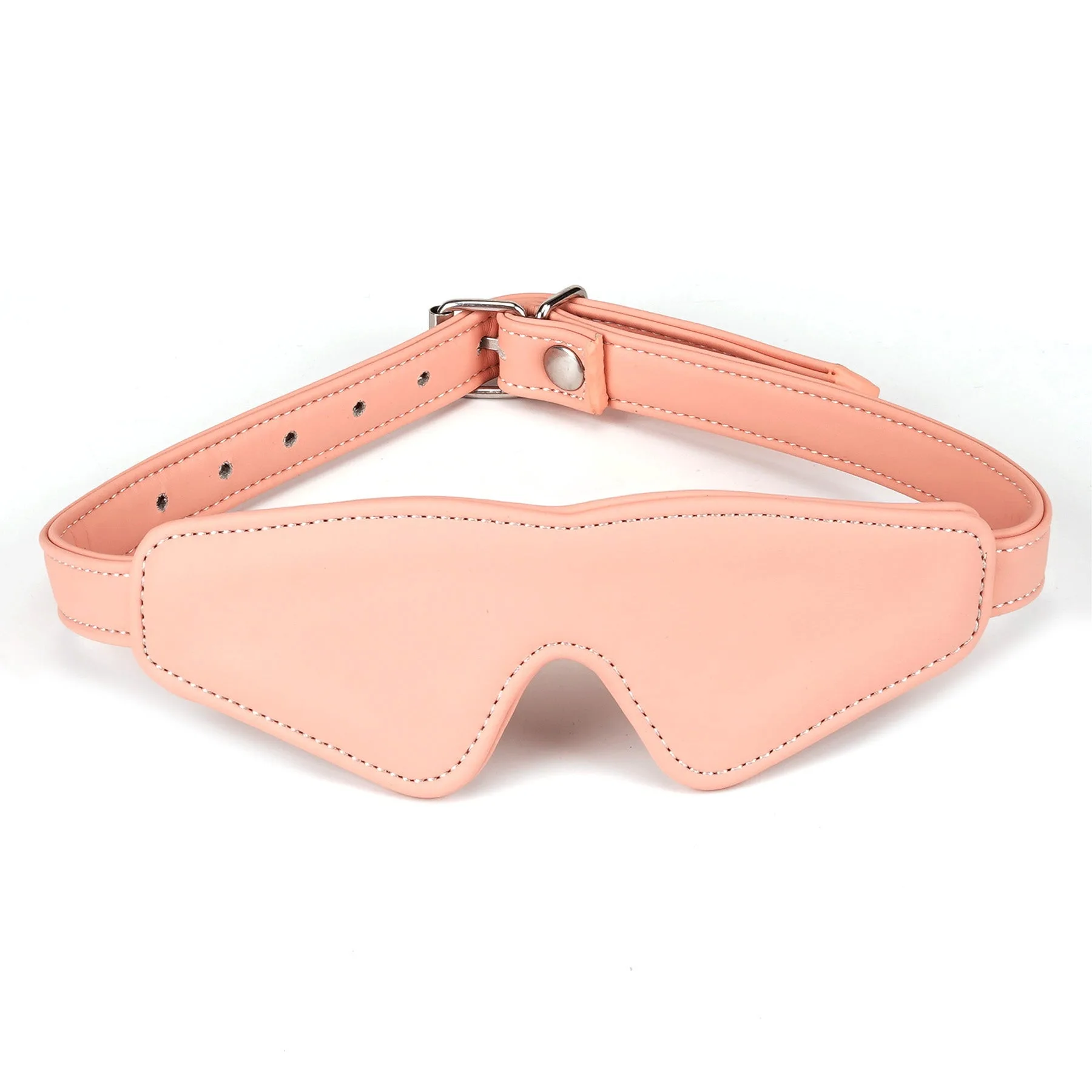
- Dark Candy: Pink Vegan Leather Blindfold: Take control of your lover's senses with this deluxe bondage blindfold. Ideal for sensory deprivation, this high-quality faux leather blindfold serves as an excellent introduction to bondage. Crafted from cruelty-free vegan leather, it's also the ideal choice for vegan bondage enthusiasts. Pairing rope play with a blindfold like the Dark Candy lets you focus on tactile sensations without visual distraction. Aftercare for both rope and blindfold is simple: wipe the vegan leather clean with a damp cloth, then air-dry.