Quick Answer
For natural fiber shibari rope, spot-clean with a barely damp cloth and mild soap, never soak it. Air-dry flat and away from direct heat. Store coiled and loose in a breathable bag. If fibers are cut, frayed past the whipping, or smell sour after drying, the rope is compromised and should be retired from skin contact.
Why Natural Fiber Rope Fails Faster Than You Think
Jute, hemp, and cotton rope absorb moisture and oils from skin, which is why they feel softer over time but also become a breeding ground for mildew if stored damp. The most common mistake is treating rope like fabric: machine washing, hot water, or dryer heat swells fibers, strips natural oils, and causes shrinkage that changes the rope's handling. Unlike leather cuffs or polyurethane restraints, natural rope cannot be wiped clean with a disinfecting spray and left to sit. It needs airflow to dry completely, and it needs to be stored where it can breathe. If you use rope alongside leather gear, keep the two separate; leather can transfer oils that darken and weaken rope fibers.
Cleaning Without Soaking: The Spot-Clean Method
Fill a bowl with lukewarm water and a drop of mild, fragrance-free soap. Dip a microfiber cloth, wring it out until it is barely damp, and wipe the rope in the direction of the twist. Do not scrub back and forth, which raises the fibers. For heavier soil, wrap the rope in a dry towel and press, then repeat with a clean damp cloth. Never submerge natural fiber rope; water trapped in the core takes days to dry and invites mildew. If the rope has been exposed to bodily fluids, use a fresh cloth with a diluted vinegar solution (one part white vinegar to four parts water), then wipe again with plain water. Test on a small section first. Synthetic ropes tolerate more moisture, but the same spot-clean approach prevents unnecessary wear.
Drying: The Step Most People Rush
After cleaning, lay the rope flat on a dry towel in a well-ventilated room, out of direct sunlight. Sun and heat make natural fibers brittle. Turn the rope every few hours so all sides dry evenly. If the rope was heavily damp, hang it loosely over a padded hanger or a smooth dowel, but avoid sharp edges that can cut fibers. Do not use a hairdryer, radiator, or dryer. A fan on low speed helps move air without tangling. Rope is fully dry when it feels uniformly dry to the touch and has no cool, damp spots when you press the core. In humid climates, give it an extra day. If you smell any mustiness after drying, the rope was not fully dry; repeat the air-dry and check again. Persistent odor means mildew has set in, and the rope should not be used on skin.
Storage That Prevents Fraying and Flat Spots
Coil the rope loosely in loops about the length of your forearm, then tie the coil with a strip of clean cotton or a soft cord. Do not cinch tight; tight ties create permanent kinks. Store coils in a breathable cotton bag or a pillowcase, not a sealed plastic bin. Plastic traps residual moisture and can cause mildew even weeks later. Keep stored rope away from direct light, which fades and weakens natural fibers, and away from pets that may chew exposed ends. If you store multiple ropes, keep each coil separate to avoid tangling and abrasion. For jute rope storage, a canvas duffel or a dedicated drawer with a cedar block works well; cedar repels moths without adding oil to the rope. Check stored rope every few months for stiffness or a sour smell, and air it out if needed.
When to Stop Trying to Fix the Rope
Some damage is not reversible. If the outer fibers are cut or frayed beyond the whipping (the binding at the end), the rope will continue to shed and can fail under tension. If the rope has been soaked and dried but still smells sour, mildew has penetrated the core; cleaning will not make it safe for skin contact. If the rope has become stiff and brittle despite proper care, the natural oils are gone and it will not regain its original suppleness. In these cases, retire the rope from bondage use. You can repurpose it for non-skin tasks like practicing knots or tying bundles, but do not trust it for suspension or any load-bearing tie. Replace it with a new length and apply the care steps above from day one.
Diagnosis: Match the Symptom to the Fix
- Symptom: Rope feels stiff and brittle: Likely cause: Over-washing, hot water, or drying with heat stripped natural oils. Corrective action: Spot-clean less often, use lukewarm water only, and air-dry away from heat. You can try working a tiny amount of natural oil (like jojoba) into the rope, but if it stays brittle, replace it. If stiffness remains after one oil treatment, retire the rope from skin contact.
- Symptom: Sour or musty smell: Likely cause: Rope was stored damp or not fully dried before storage. Corrective action: Air-dry the rope flat in a ventilated room for 24-48 hours, turning frequently. If the smell persists, mildew has set in. Do not use smelly rope on skin; mildew can cause irritation and the fibers are weakened.
- Symptom: Fraying at the ends or along the rope: Likely cause: Abrasion from tight storage, sharp edges, or normal wear. Corrective action: Trim loose fibers and re-whip the ends with waxed thread or tape. If fraying is along the length, the rope is compromised. Fraying beyond the whipping means the rope is no longer safe for load-bearing ties.
Gear That Complements Rope Care
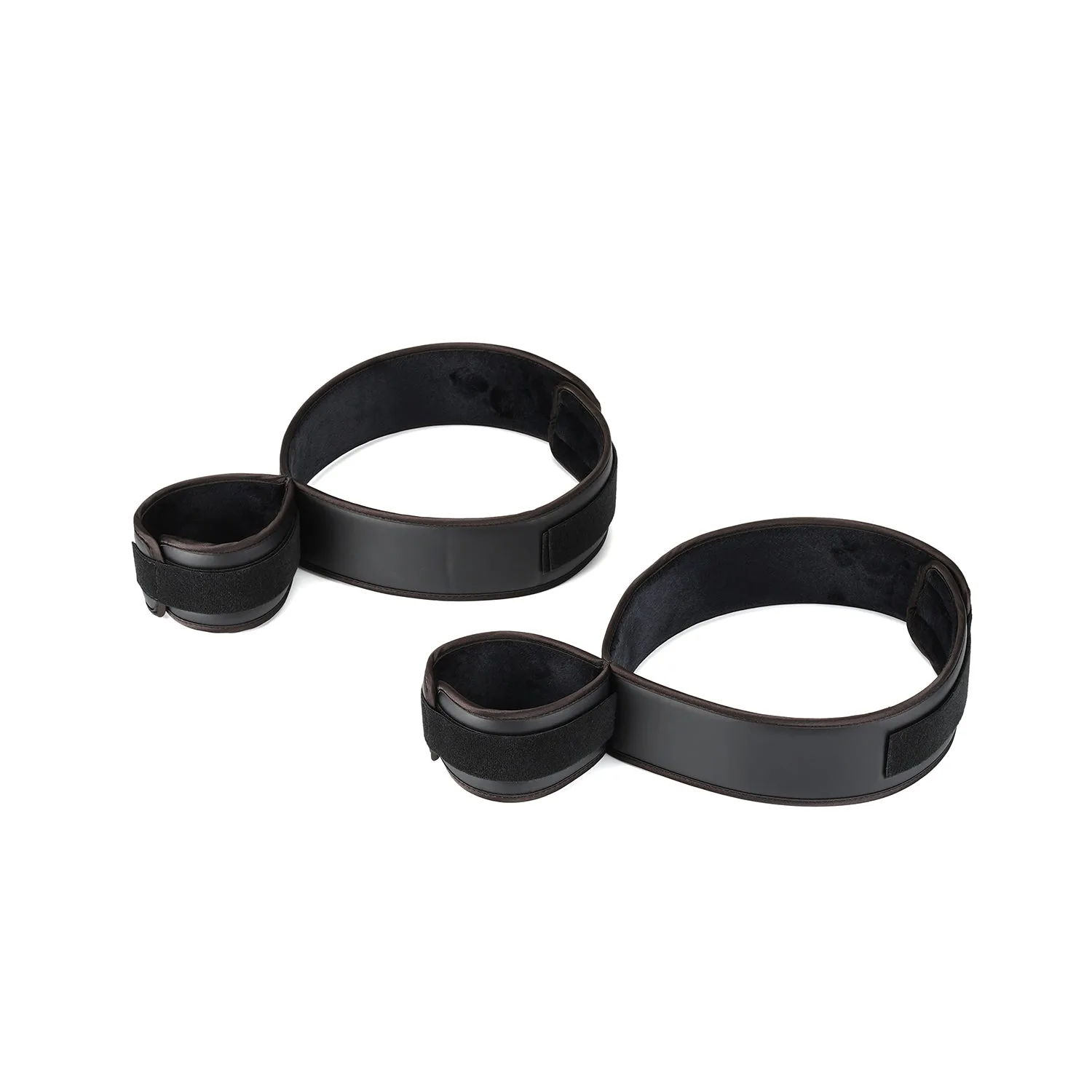
- Vegan Fetish: Faux Leather Wrist-to-Thigh Restraints: Vegan Fetish: Faux Leather Wrist-to-Thigh Restraints are made with ultra-smooth polyurethane, water-resistant and wipe clean. Unlike natural fiber rope, these restraints can be wiped down with a damp cloth and do not require drying time, making them a low-maintenance alternative for scenes where rope care is impractical.
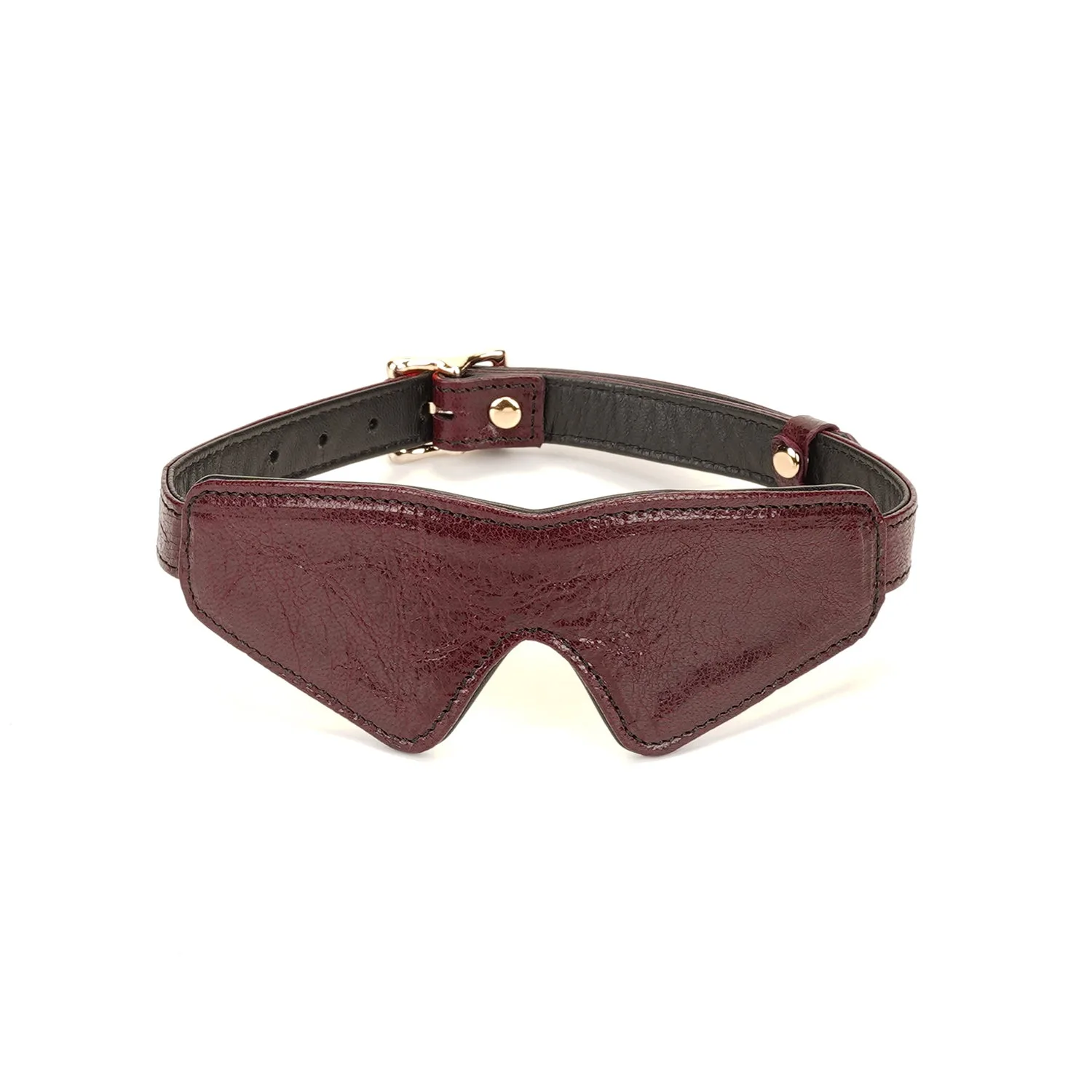
- Limited Edition: Italian Dark Red- Leather Blindfold with Gold Buckle: Limited Edition: Italian Dark Red-Leather Blindfold with Gold Buckle is made of high-quality, supple leather and completely blocks out vision. Leather blindfolds need conditioning and should be stored separately from rope to avoid oil transfer; keeping them apart protects both materials.
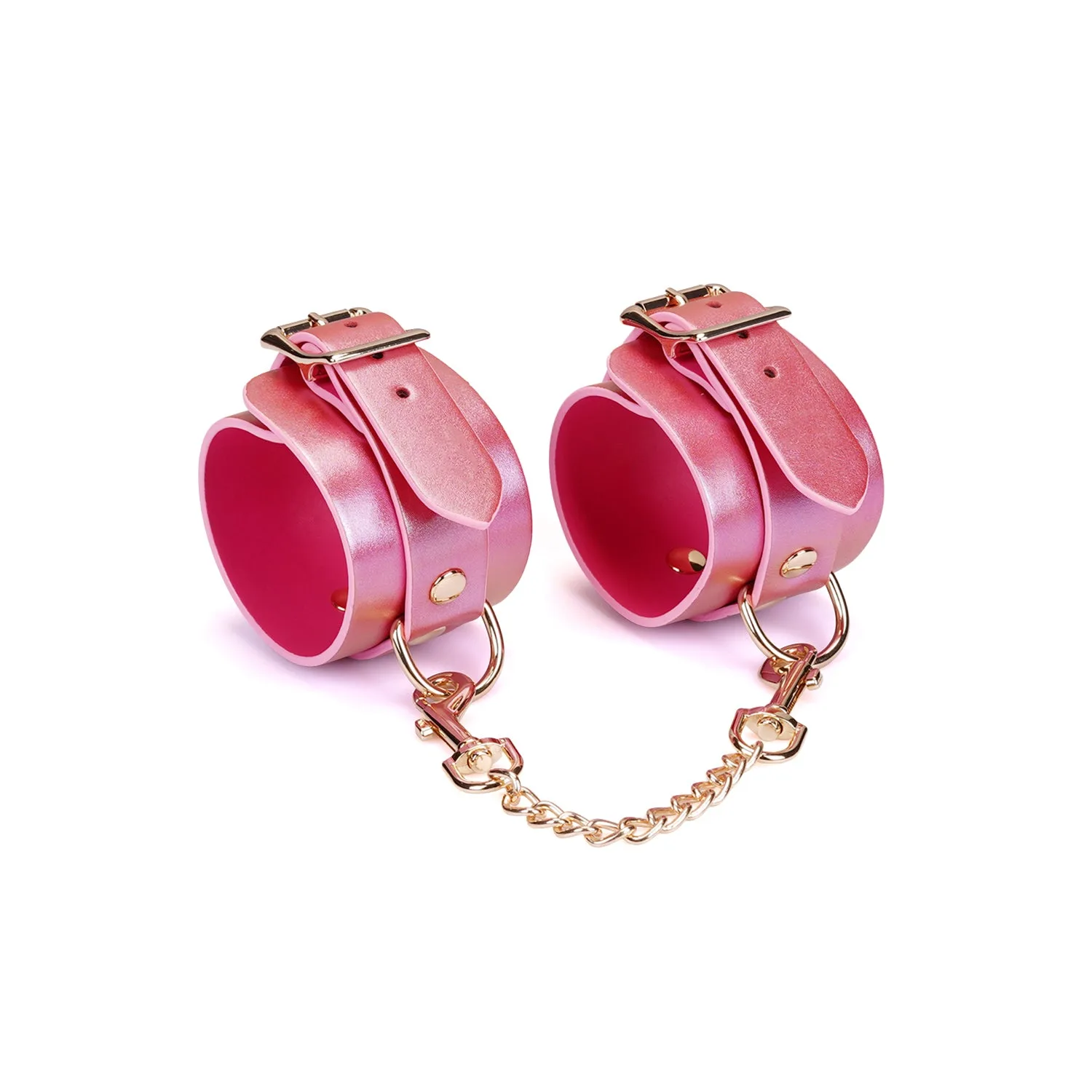
- Lustre Rosa: Pink Leather Wrist Cuffs with Gold Hardware: Lustre Rosa: Pink Leather Wrist Cuffs with Gold Hardware are crafted from premium pink leather and feature adjustable gold buckles and a durable D-ring. These cuffs pair with rope for hybrid ties, but the leather and metal should be cleaned with leather-safe products and kept dry, unlike rope which needs airflow.