Quick answer
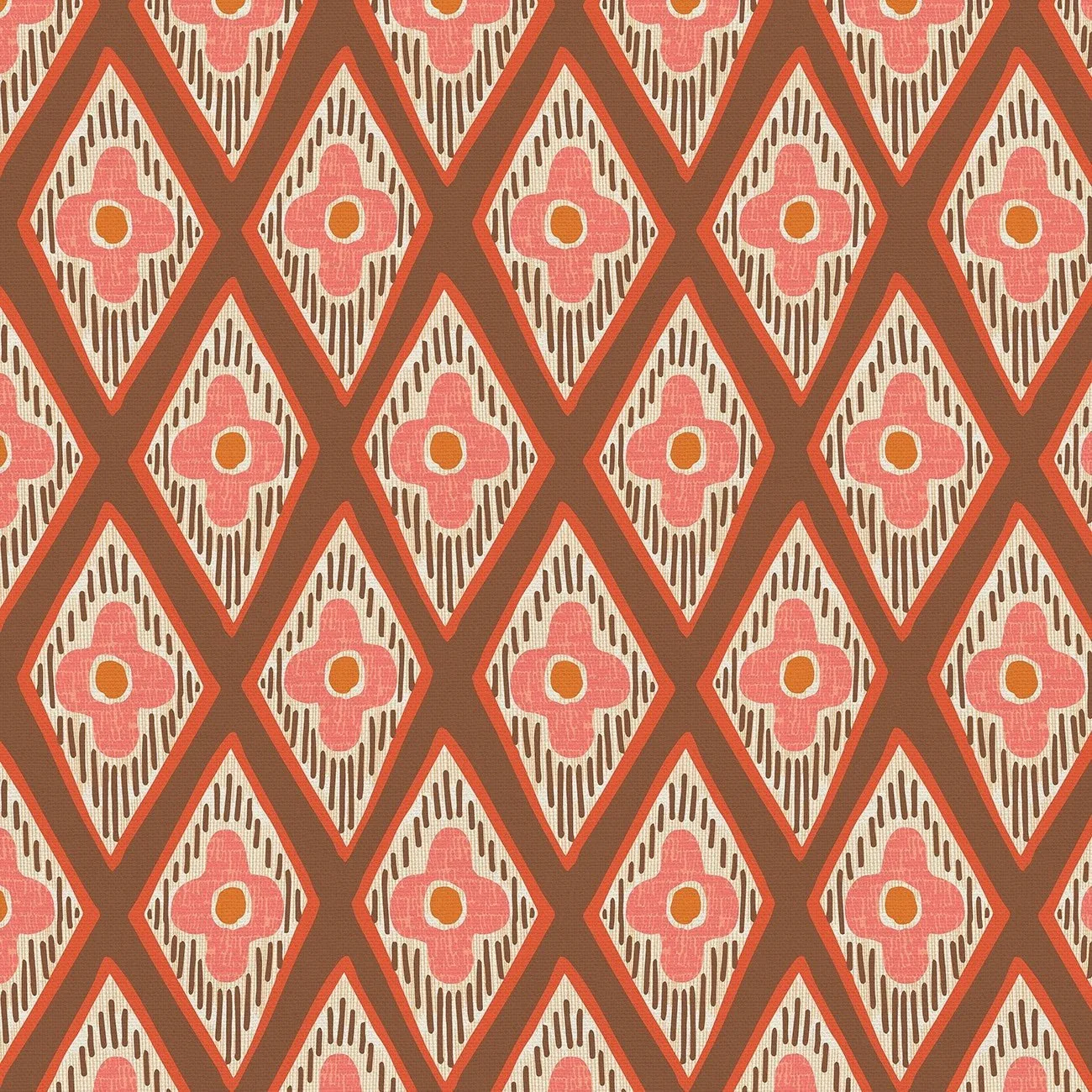
For most shibori-inspired projects, start with a medium-weight organic cotton canvas like Pacific Brown Organic Canvas from Belize by Lauren Poole for Paintbrush Studio Fabric. It takes indigo dye and resist techniques beautifully, holds shape in bags and home decor, and softens with washing. If you want a lighter, drapier option for quilts or garments, choose a quilting cotton such as Bees Coral from Daybreak by Fran Gulick for Riley Blake. Match the fabric weight to your project, and always prewash before dyeing or sewing.
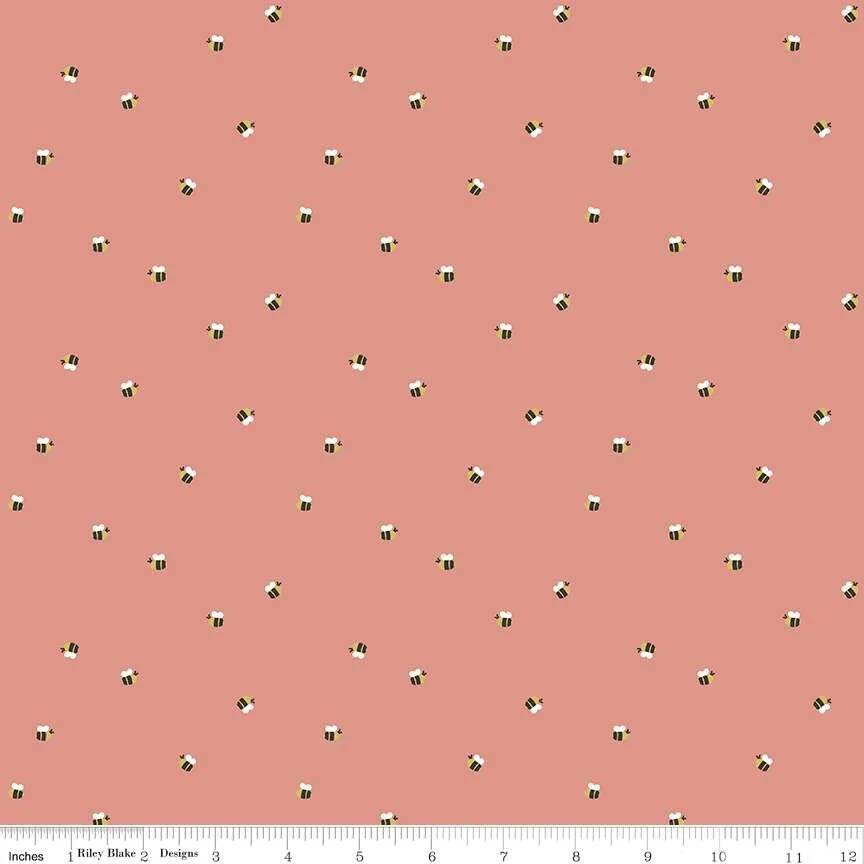
Bees Coral from Daybreak by Fran Gulick for Riley Blake
Shibori indigo fabric brings together the ancient Japanese resist-dyeing technique and the modern demand for organic, durable textiles. If you are planning a project that uses shibori-style patterns or you want to dye your own organic canvas, the fabric you choose determines how well the pattern holds, how the piece wears, and how easy it is to sew. This guide gives you concrete decision rules for picking the right base cloth, plus project ideas that make the most of indigo's deep, shifting blues.
Crosscut Sewing Co. carries a range of fabrics suitable for shibori and indigo-inspired work, from medium-weight organic canvas to crisp quilting cotton. Below, we explain the trade-offs between weight, fiber content, and weave so you can buy with confidence. You will also find practical fit guidance for garments and bags, and care instructions to keep your indigo pieces looking their best.
Why organic canvas is a strong base for shibori dyeing
Organic cotton canvas is a popular choice for shibori because its tight weave and medium weight resist dye penetration in predictable ways, creating crisp, high-contrast patterns. It also stands up to the mechanical manipulation—tying, folding, stitching—that shibori requires. A canvas like Pacific Brown Organic Canvas from Belize by Lauren Poole for Paintbrush Studio Fabric is medium-weight and versatile enough for apparel and home decor, and its organic cotton content means it takes natural indigo dye evenly.
When you dye canvas, expect some shrinkage and softening. Prewash your fabric before dyeing to remove sizing and preshrink it. After dyeing, rinse in cold water until the water runs clear, then wash separately for the first few times to avoid crocking. The result is a fabric with a gentle patina that improves with age, perfect for tote bags, cushion covers, and lightweight jackets.
- Always test your dye recipe on a swatch before committing to a full piece.
- Use a neutral soap like Synthrapol after dyeing to remove excess dye.
Choosing between canvas, quilting cotton, and linen blends
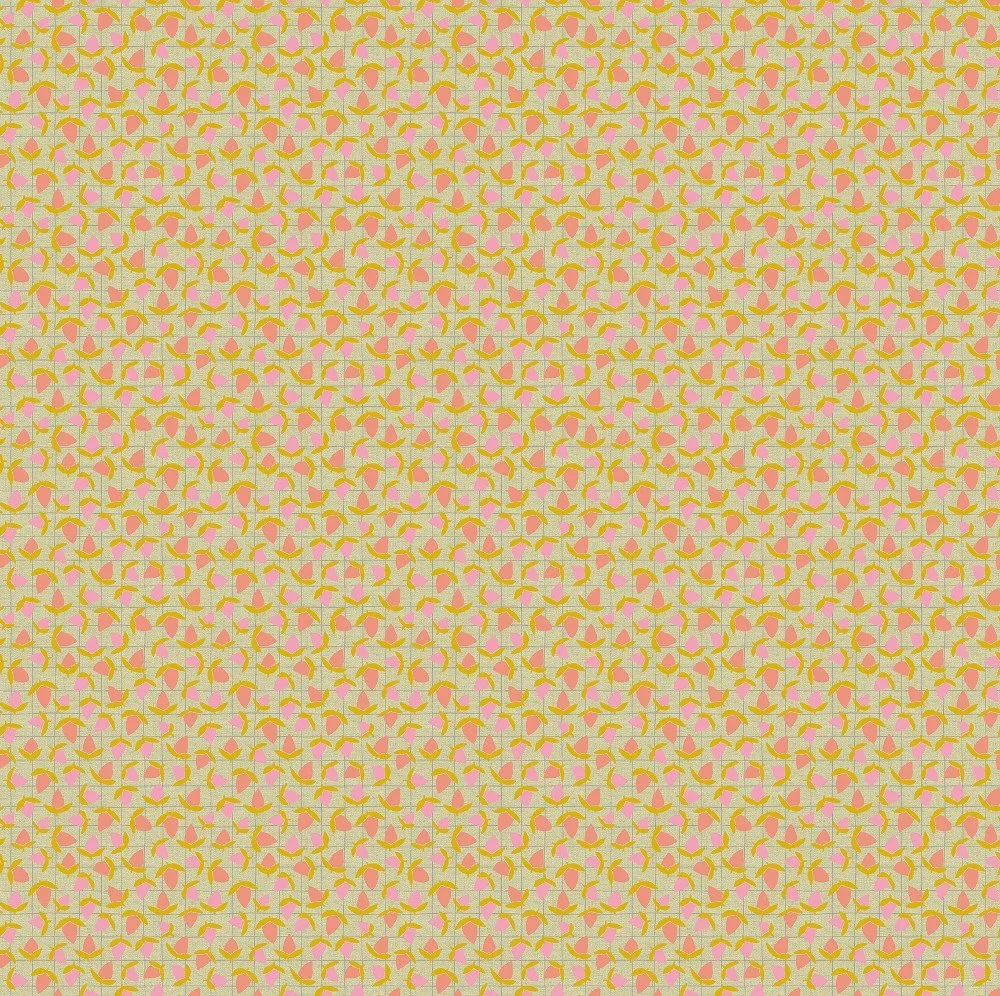
The weight and fiber content of your base fabric dictate the final look and function. Organic canvas (often 7–10 oz) gives structure and durability, making it ideal for bags, upholstery, and outerwear. Quilting cotton, such as Bees Coral from Daybreak by Fran Gulick for Riley Blake, is lighter and drapes softly—great for quilts, garments, and accessories where you want a softer hand. Linen-cotton blends like Flower Buds from Tiger Pland by Sara Golden from Andover Fabrics offer a textured, slubby surface that takes indigo in a more mottled, rustic way.
Consider how the fabric will be used. If you need crisp folds and defined edges, canvas is your best bet. If you want fluid movement, go with quilting cotton or a linen blend. For projects that will be washed frequently, like kitchen towels or baby quilts, a machine-washable cotton is more practical than a stiff canvas that may need gentle care.
- Canvas: best for bags, home decor, and structured garments.
- Quilting cotton: best for quilts, apparel, and small accessories.
- Linen blends: best for textured, casual pieces with a relaxed look.
Project ideas for shibori indigo fabric and organic canvas
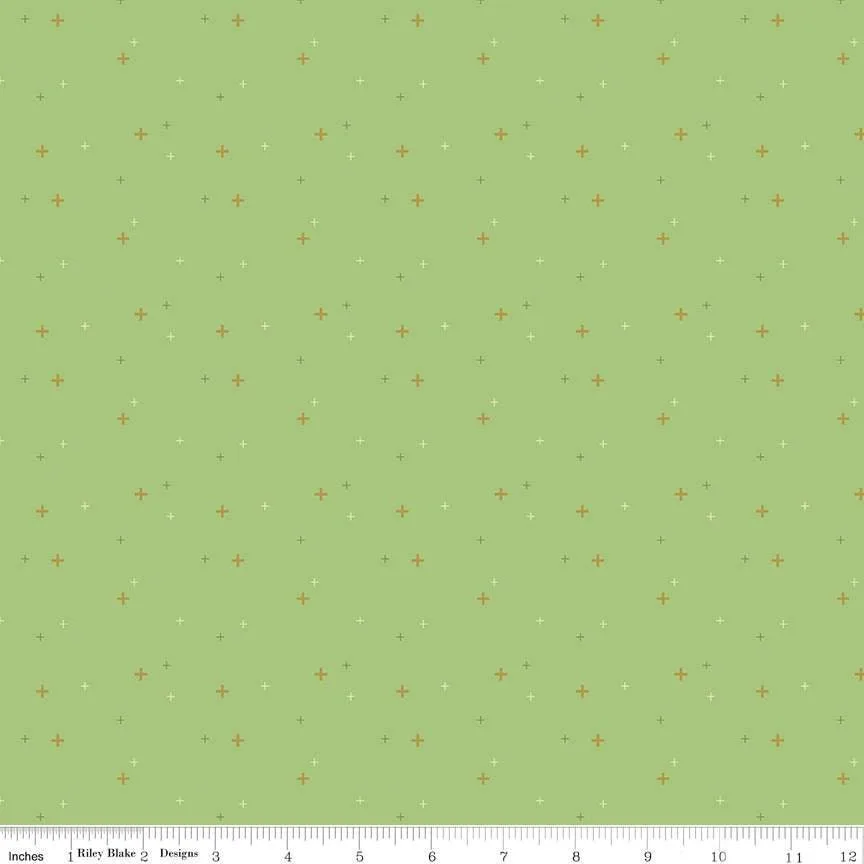
Shibori indigo fabric shines in projects where pattern and texture are the focus. Try a simple tote bag using medium-weight organic canvas—the resist-dyed patterns create a bold, artisanal look. For garments, consider a kimono-style jacket or a loose-fitting top in a lighter cotton; the indigo hues pair well with neutral linens and denim. Quilters can use indigo-dyed squares as focal points in modern quilts, mixing them with low-volume prints like Riley Green Sparkle from Sparkler Basics by Melissa Mortenson for Riley Blake for a subtle sparkle.
Home decor projects are equally rewarding: cushion covers, table runners, and wall hangings all benefit from the deep, shifting blues of indigo. If you are new to shibori, start with small items like coasters or pouches to practice your folding and tying techniques before moving to larger pieces. Remember that indigo dye can bleed, so wash finished items separately or with like colors.
- Tote bags and pouches: use canvas for durability.
- Quilts and wall hangings: combine indigo with light prints for contrast.
- Garments: choose lighter weights for drape and comfort.
Fit guidance for garments made with organic canvas
Organic canvas has little stretch, so garments made from it will fit closely to your measurements. When sewing apparel, add wearing ease—typically 2–4 inches for a relaxed fit. For a jacket or vest, consider lining the canvas to reduce friction and improve comfort. If you are between sizes, size up and adjust with darts or seams. Prewashing is essential because canvas can shrink up to 5%, which will affect the final fit.
For fitted garments like skirts or trousers, a canvas with a bit of linen, such as Flower Buds from Tiger Pland by Sara Golden from Andover Fabrics (55% cotton / 45% linen), offers slightly more breathability and a softer drape than pure cotton canvas. However, linen blends wrinkle more, so they are better for casual, unstructured styles. Always make a muslin to test the fit before cutting into your dyed fabric.
- Add 2–4 inches of ease for a comfortable fit.
- Prewash and dry your fabric before cutting to account for shrinkage.
- Use a muslin to fine-tune the fit before sewing your final garment.
Decision rules for buying shibori indigo fabric
- If you are dyeing your own fabric: Choose a medium-weight organic cotton canvas like Pacific Brown Organic Canvas. It resists dye predictably for crisp patterns and holds up to manipulation. Prewash, dye, and rinse thoroughly before sewing.
- If you want a lightweight, drapey fabric: Select a quilting cotton such as Bees Coral from Daybreak. It is easy to sew and works well for quilts, garments, and small accessories. Machine wash cold and tumble dry low for easy care.
- If you prefer a textured, rustic look: Try a linen-cotton blend like Flower Buds from Tiger Pland. The linen adds slub and softness, and indigo dye creates a mottled effect. Expect some wrinkling; embrace the natural texture.
- If you need a coordinating print: Use Riley Green Sparkle from Sparkler Basics as a subtle accent in quilts or as a lining. Its gold sparkle adds a touch of contrast without overpowering indigo. Pair with solid indigo or shibori-dyed pieces for balance.
Product facts to guide your choice
- Pacific Brown Organic Canvas from Belize by Lauren Poole for Paintbrush Studio Fabric: Medium-weight canvas that's versatile and lightweight enough to be used for sewing apparel and home decor. 100% organic cotton. This canvas is an excellent base for shibori dyeing because it takes indigo evenly and holds shape well. Use it for bags, jackets, and cushion covers where you want structure and durability.
- Bees Coral from Daybreak by Fran Gulick for Riley Blake: 100% cotton, 43"/44" wide, great for quilting, apparel, and home decor. Machine wash cold, tumble dry low. A lighter quilting cotton that is easy to sew and drape. Choose this for quilts, garments, and accessories where you want a softer hand and simpler care.
- Flower Buds from Tiger Pland by Sara Golden from Andover Fabrics: Canvas fabric, 55% cotton / 45% linen, 43/44" wide. The linen content gives a textured, rustic look that takes indigo in a mottled way. Ideal for casual garments and home decor with a relaxed, natural feel.
- Riley Green Sparkle from Sparkler Basics by Melissa Mortenson for Riley Blake: 100% cotton, 43"/44" wide, features scattered plus signs with gold sparkle. Machine wash cold, tumble dry low. A subtle print that adds a hint of sparkle. Use it as a coordinating fabric in quilts or as a lining for bags to contrast with indigo-dyed canvas.
Fit guidance for garments
Best for
- Structured jackets, vests, and bags where you want the fabric to hold its shape.
- Quilts and home decor that will be washed frequently and need easy care.
Not for
- Flowy, draped garments that require significant stretch or fluid movement.
- Projects where you cannot prewash or allow for shrinkage.
Choosing the right base fabric is the first step toward successful shibori and indigo projects. Whether you pick a sturdy organic canvas or a soft quilting cotton, match the weight and fiber to your intended use, and always test your dye and fit before committing. With these decision rules, you can buy with confidence and create pieces that last.