Quick Answer
Shilajit capsules and black seed oil serve different primary goals. Shilajit shines for energy, stamina, and cellular support thanks to fulvic acid, while black seed oil excels in immune and respiratory support, driven by thymoquinone. If your priority is daily vitality, choose shilajit; if you want immune and respiratory backup, black seed oil is your pick.
When you're building a supplement routine, two names often come up: shilajit and black seed oil. Both have long histories in traditional wellness, but they work differently. Shilajit is prized for its fulvic acid content and adaptogenic energy support, while black seed oil is known for thymoquinone, a compound linked to immune and respiratory health.
This comparison breaks down what each offers, where they overlap, and how to decide based on your wellness goals. We'll also look at specific products so you know what to look for on the label.
What Is Shilajit and What Does It Do?
Shilajit is a resin-like substance that seeps from rocks in high mountain ranges, formed over centuries from decomposed plant matter. Its key active ingredient is fulvic acid, a compound that helps transport nutrients into cells and supports mitochondrial function. That's why shilajit is often linked to energy, stamina, and overall vitality.
People commonly use shilajit capsules for endurance, mental clarity, and post-workout recovery. It's also considered an adaptogen, meaning it helps the body manage stress. However, shilajit's benefits depend heavily on quality and purity, so choosing a reputable brand matters.
- Look for shilajit supplements that specify fulvic acid content or source origin.
What Is Black Seed Oil and What Does It Do?
Black seed oil comes from the seeds of the Nigella sativa plant. Its most studied compound is thymoquinone, which has antioxidant and anti-inflammatory properties. Black seed oil is commonly used to support immune function, respiratory health, and digestion.
Cold-pressed black seed oil preserves these beneficial compounds. Many people take it daily for general wellness or during seasonal changes. It's also often blended with other ingredients like ginger or turmeric to enhance its effects.
- Check that the label says 'cold-pressed' to ensure the oil retains its active compounds.
Key Differences at a Glance
The main difference lies in their primary mechanisms. Shilajit works through fulvic acid to support cellular energy and nutrient absorption, making it a go-to for fatigue and stamina. Black seed oil works through thymoquinone to support immune and respiratory health, making it a favorite during cold and flu season.
Both have antioxidant properties, but their applications differ. Shilajit is more about daily vitality and stress adaptation, while black seed oil is more about immune defense and inflammation. You don't necessarily have to choose one—many people use both at different times or in combination.
How to Choose Based on Your Goals
If your main concern is low energy, mental fog, or workout recovery, shilajit capsules are likely the better fit. The fulvic acid in shilajit helps your body use nutrients more efficiently, which can translate to steady energy throughout the day.
If you're focused on immune support, seasonal allergies, or respiratory comfort, black seed oil is the stronger choice. Its thymoquinone content has been studied for these benefits. Black seed oil is also a good option if you want digestive support, as it's traditionally used for that purpose.
Trade-offs to Consider
- Energy vs. Immunity: Shilajit targets cellular energy and stamina; black seed oil targets immune and respiratory support. Choose based on your primary need. If you're always tired, go shilajit. If you get sick often, go black seed oil.
- Adaptogen vs. Antioxidant: Shilajit acts as an adaptogen to help manage stress, while black seed oil is a potent antioxidant with anti-inflammatory properties. For stress and fatigue, shilajit; for inflammation and immune defense, black seed oil.
- Blends vs. Single Ingredient: Black seed oil is often blended with ginger or turmeric for added benefits, while shilajit is usually taken alone. Blends can be convenient but may limit dosing flexibility. If you want a simple routine, a blend is fine; if you prefer precise dosing, choose a single-ingredient product.
Products to Consider
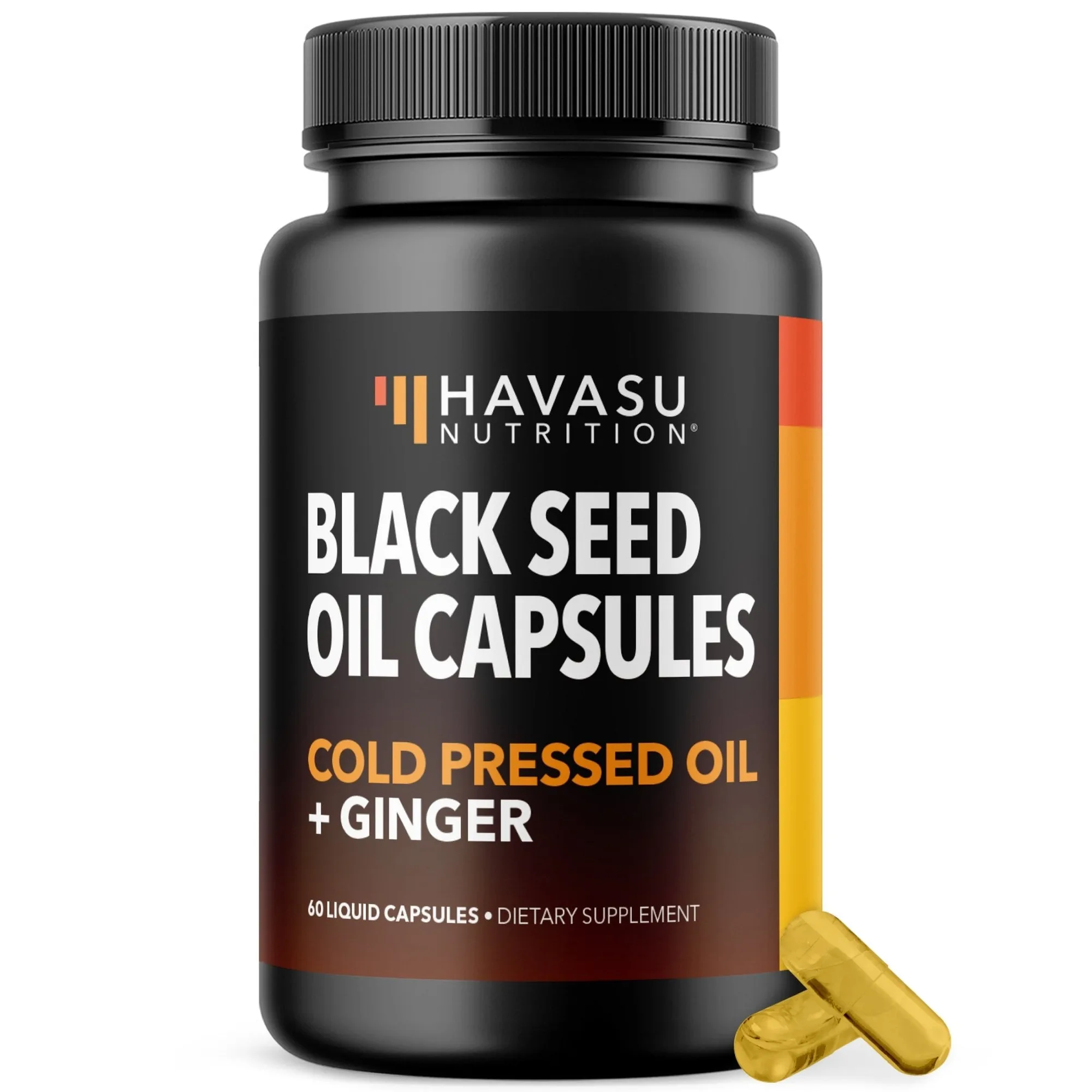
- Black Seed Oil + Ginger Liquid Capsules, 60ct: A potent blend crafted to promote holistic wellness and vitality. Harnessing natural powers of black seed oil cold pressed and liquid ginger, our formula is designed to provide comprehensive support for your body's health needs. Derived from the seeds of the Nigella sativa plant, black seed cumin oil has long been revered for its natural wellness... If you want black seed oil's immune and respiratory benefits plus ginger's digestive support, this blend gives you both in one capsule.
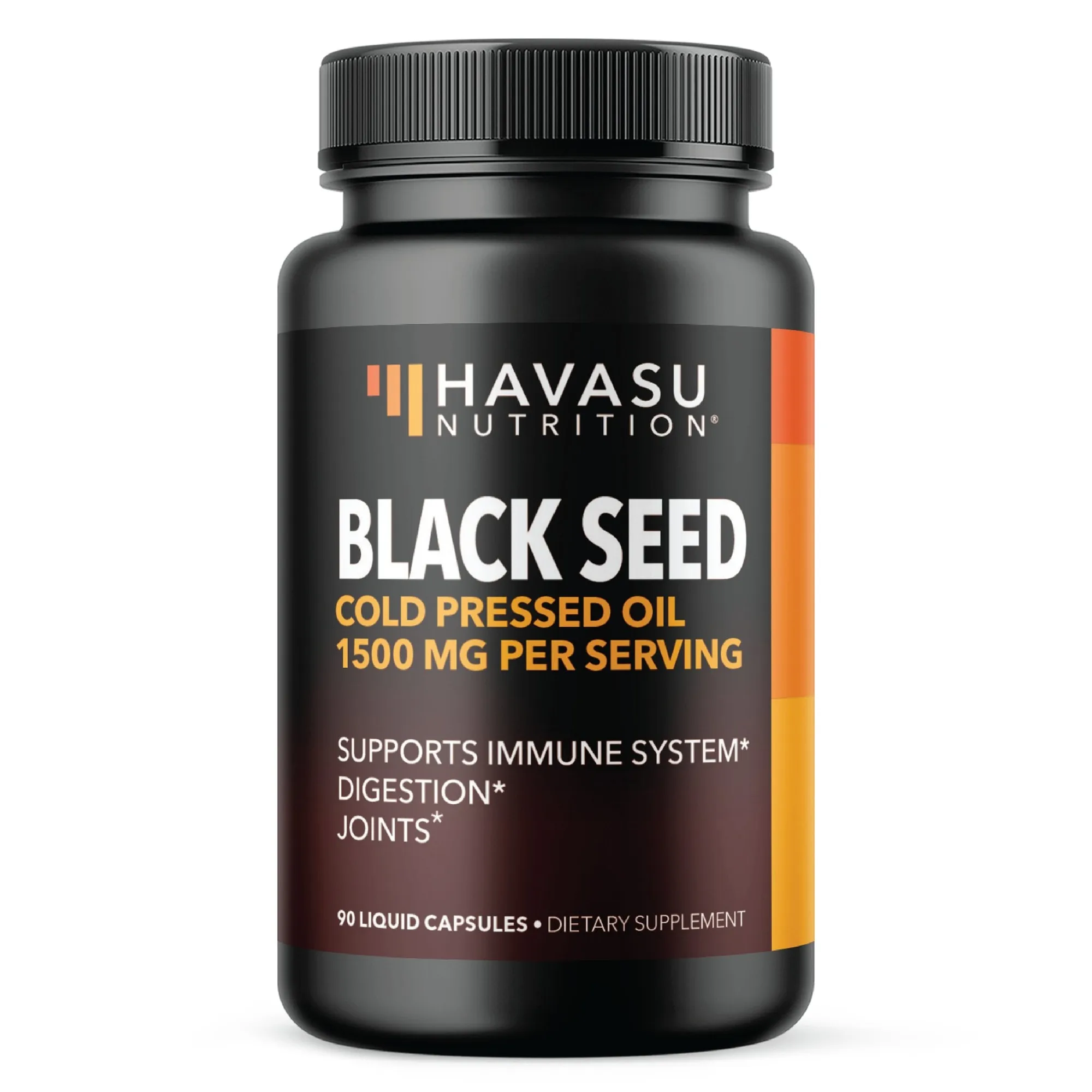
- Black Seed Oil Liquid Capsules, 90ct: 1500 mg black seed oil capsules are a dietary supplement that contains cold-pressed oil from the seeds of the Nigella sativa plant. This oil is rich in antioxidants and essential fatty acids, which may offer various potential health benefits such as supporting healthy immune function, reducing inflammation, and promoting healthy digestion. With their convenient and easy-to-take form, black seed oil capsules are a... A straightforward 1500 mg dose is a solid choice if you want pure black seed oil without added ingredients, making it easy to adjust your intake.
Which One Fits You?
Best For
- People who want steady energy, mental clarity, and stress adaptation (shilajit).
- People looking for immune and respiratory support or digestive health (black seed oil).
Not For
- If you're sensitive to strong herbal supplements or prefer minimal ingredient lists, a single-ingredient black seed oil or pure shilajit may be better than a blend.
Both shilajit and black seed oil have unique strengths. Shilajit excels for energy and stress adaptation, while black seed oil shines for immune and respiratory support. Consider your wellness goals first, then choose the supplement that aligns with your routine. You can even use both at different times of the year or cycle them based on your needs.