Quick answer
Buy one shoe bag per pair of shoes you normally travel with, plus one spare. For most people that means two or three bags: one for sneakers, one for dress or casual shoes, and one spare for dirty or wet footwear. Choose a size that fits your largest pair flat, because a bag that only fits your smallest shoes will not protect the pair you actually wear most.
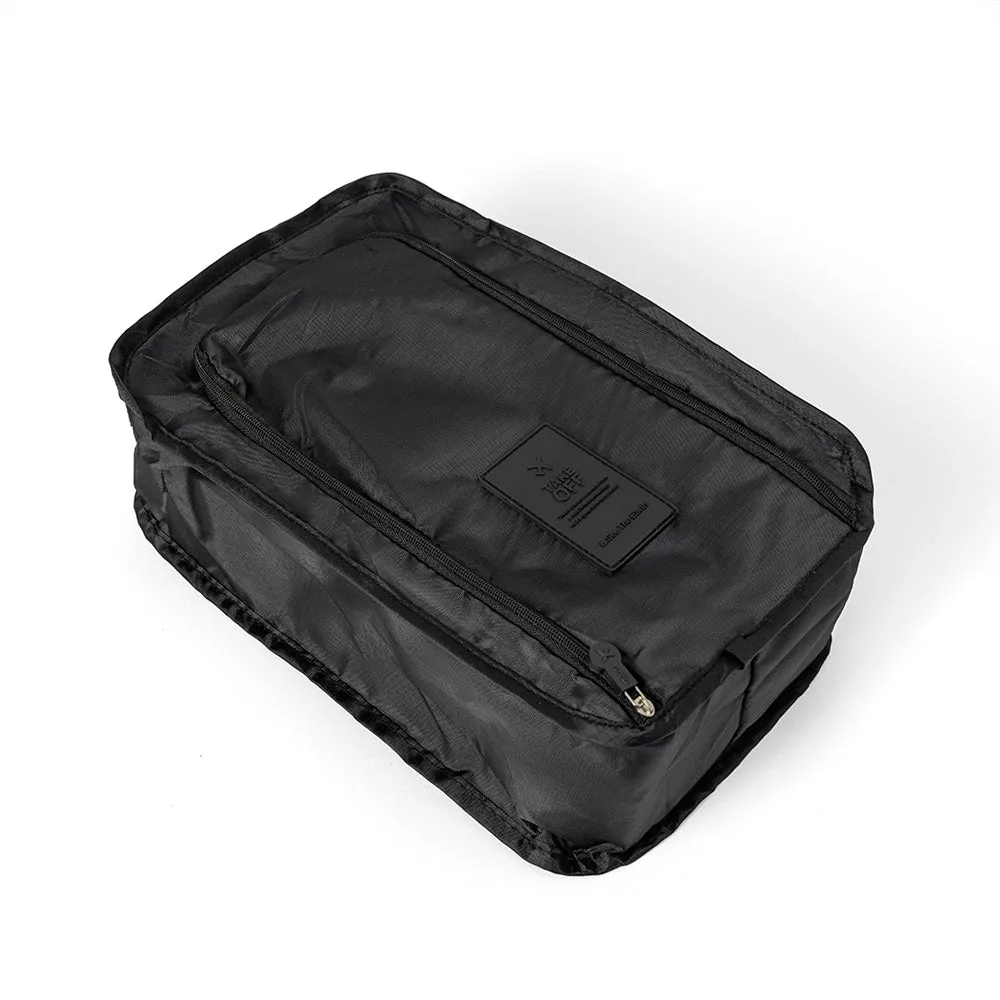
shoe bag
Shoe bags look like a small purchase, but the wrong count or size creates real packing friction. Buy too few and your clean clothes end up against dirty soles. Buy too many and you are carrying empty fabric. The right answer depends on how many pairs you pack, how bulky they are, and whether you are traveling carry-on only.
This guide gives you decision rules rather than a single recommendation, because a weekend flyer and a two-week traveler need different setups. You will also see how shoe bags work alongside compression and overflow products like vacuum seal bags and the Duffle Bag Jacket, so your whole packing system stays coherent.
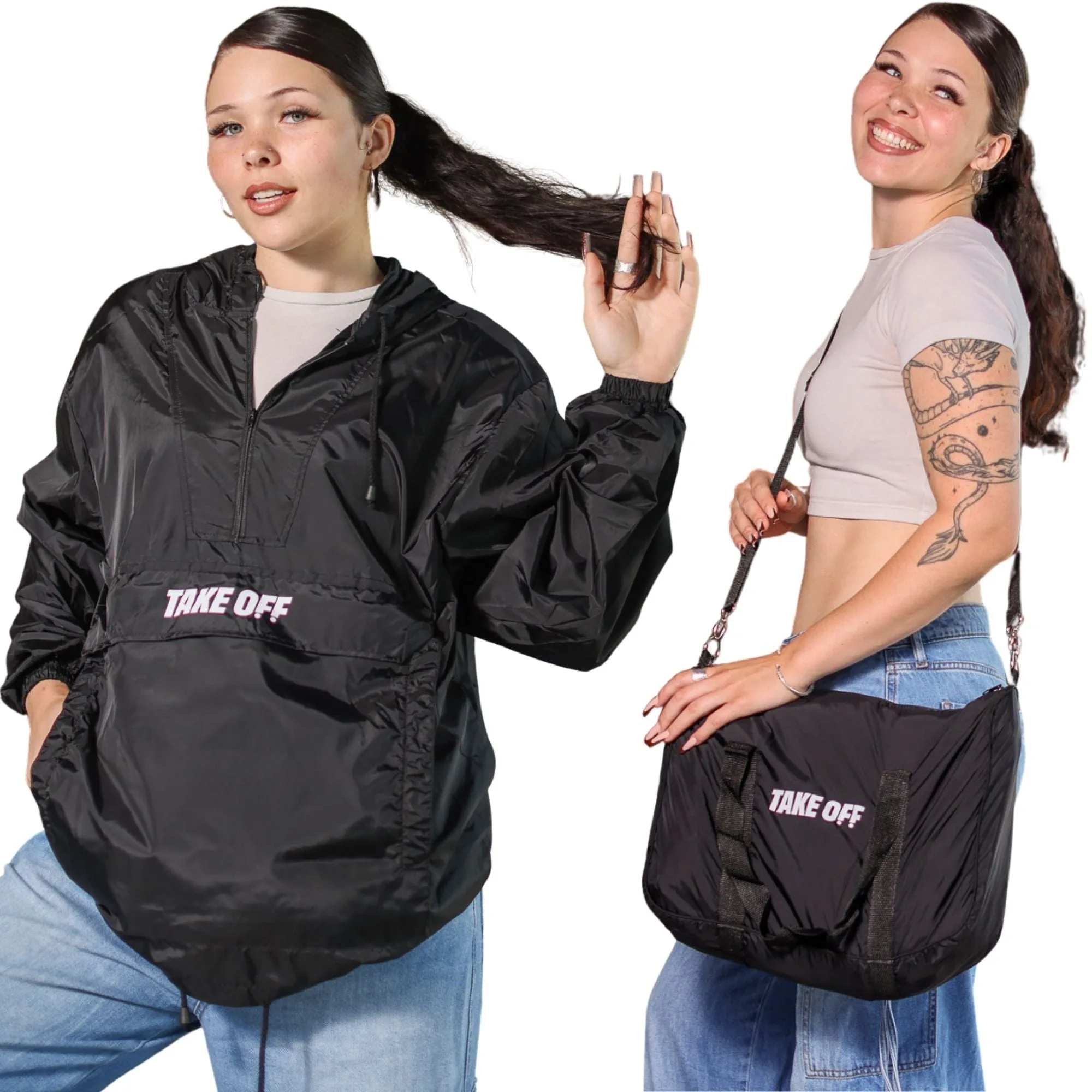
Duffle Bag Jacket
How many shoe bags do you actually need?
Start with the number of pairs you pack on a typical trip, then subtract the pair you wear on travel day. If you usually bring two pairs plus the ones on your feet, you need two bags. If you bring three or four, you need three or four. One spare bag is worth owning because it handles a wet or muddy pair without forcing you to mix clean and dirty footwear.
Do not buy a large set just because the per-bag price looks better. Empty shoe bags take up space and add weight. A three-bag setup covers most carry-on travelers, while a five-bag set makes sense mainly for families, long trips, or people who pack formal and athletic shoes together.
- Count your usual packed pairs first, then buy that many plus one spare.
- If you never pack more than one extra pair, a single well-sized bag is enough.
- For families, buy per person rather than one shared pile so each traveler stays organized.
Which shoe bag size fits your shoes?
Size should be driven by your largest pair, not your average pair. Measure the length of your longest shoe and look for a bag that accommodates it without forcing the fabric. A bag that is too tight stresses seams and makes packing slower. A bag that is far too large wastes space and lets shoes slide around.
For most adults, a bag that fits a men's size 12 sneaker or a women's size 13 shoe handles nearly everything. If you pack boots or bulky hiking shoes, you need a larger option or a separate bag for those. If you only pack flats or sandals, a smaller bag keeps your carry-on efficient.
- Measure your largest pair heel to toe before choosing a size.
- Flat shoes can share a bag only if they do not have dirty soles.
- Boots and bulky trail shoes usually need their own larger bag.
What to look for in a travel shoe bag
The two jobs of a shoe bag are containment and separation. A good bag keeps dirt, sand, and moisture away from clothes and makes shoes easy to find. Look for a closure that stays shut, a material that wipes clean, and a shape that lies flat in a suitcase. A handle or loop helps you pull the bag out without unpacking everything.
Breathability matters more than people expect. Sealed plastic keeps moisture in and can make shoes smell worse. A fabric bag with some airflow is usually the better default for everyday travel, while a fully sealed option is useful for wet or especially dirty shoes.
- Choose a closure that will not pop open in a packed bag.
- Prefer a wipeable interior or lining for easy cleaning.
- A flat profile packs better than a boxy one.
How shoe bags fit into a carry-on packing system
Shoe bags work best when they are part of a layered pack. Put shoes at the bottom or along the wheel side of the suitcase, then build soft clothing around them. This uses the hard shape of shoes as structure instead of letting them crush other items. If you use compression, compress clothing first, then place shoe bags in the gaps.
For overflow, a wearable option can absorb the space shoes take up. The Duffle Bag Jacket is a jacket that converts into a duffle, so you can carry extra items to the gate and wear them onto the plane. That pairs well with a tight shoe bag setup because it gives you a pressure valve when your roller bag is nearly full.
- Pack shoes first, then fill around them with soft items.
- Keep shoe bags away from toiletries in case of leaks.
- Use a wearable overflow option when shoes push you over the carry-on limit.
Compression, vacuum bags, and shoe storage together
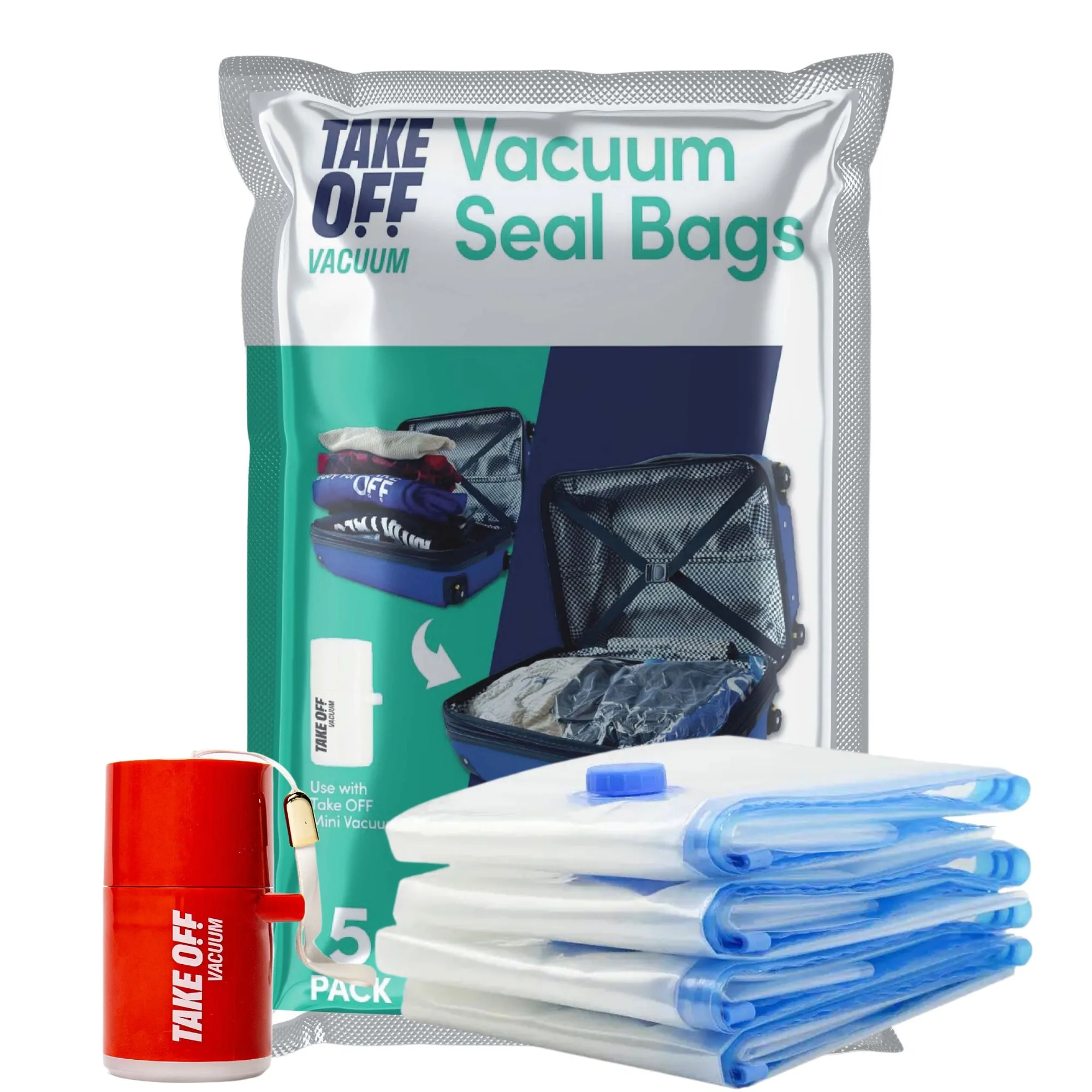
Vacuum and compression bags shrink soft clothing, which frees up room for shoes and other rigid items. That combination is often the difference between a carry-on and a checked bag. The Vacuum Seal Bags - 5 Pack is designed to shrink clothes so you can pack more into a suitcase or carry-on without adding weight.
If you want to compress without a full-size vacuum, the Mini Vacuum Pump + Vacuum Bags (5 Pack) is a bundle that includes a mini pump and bags and is described as shrinking clothing by up to 80%. Use compression for clothing, not for shoes, because shoes need airflow and structure. Keep shoe bags separate so compression does not flatten or crease your footwear.
- Compress clothing to create space for rigid shoe bags.
- Do not vacuum-seal shoes; keep them in breathable shoe bags.
- A mini pump bundle is easier to travel with than a household vacuum.
Decision rules for buying shoe bags
- Rule 1: Buy by packed pairs, not by set size: Count the pairs you pack on a normal trip, subtract the pair on your feet, and buy that many bags plus one spare. Most travelers land on two or three bags.
- Rule 2: Size to your largest shoe: Measure your longest pair and choose a bag that fits it without forcing. Smaller shoes can share space, but a too-small bag cannot stretch. If you pack boots, buy one larger bag just for them.
- Rule 3: Separate clean and dirty footwear: Use a dedicated bag for gym, hiking, or wet shoes so dirt and moisture never touch your clean clothes. One spare bag is the cheapest way to protect your packing.
- Rule 4: Match the bag to your packing system: Pair breathable shoe bags with compression bags for clothing, and add a wearable overflow option if shoes push you over the carry-on limit. Shoe bags work best as part of a layered pack, not as an afterthought.
Product facts that affect your shoe bag decision
- Vacuum Seal Bags - 5 Pack: These compression bags shrink clothes so you can pack more into a suitcase or carry-on without adding weight. Freeing up clothing space makes room for shoe bags, which are rigid and cannot be compressed.
- Mini Vacuum Pump + Vacuum Bags (5 Pack): This bundle includes a mini vacuum pump and bags and is described as shrinking clothing by up to 80%. A travel-friendly pump lets you compress on the road, so you can keep shoes in your carry-on instead of checking a bag.
- Duffle Bag Jacket: It converts from a duffle into a windbreaker you can wear, so overflow items count as worn clothing rather than a checked bag. When shoes push your bag over the limit, a wearable overflow option can save a checked bag fee.
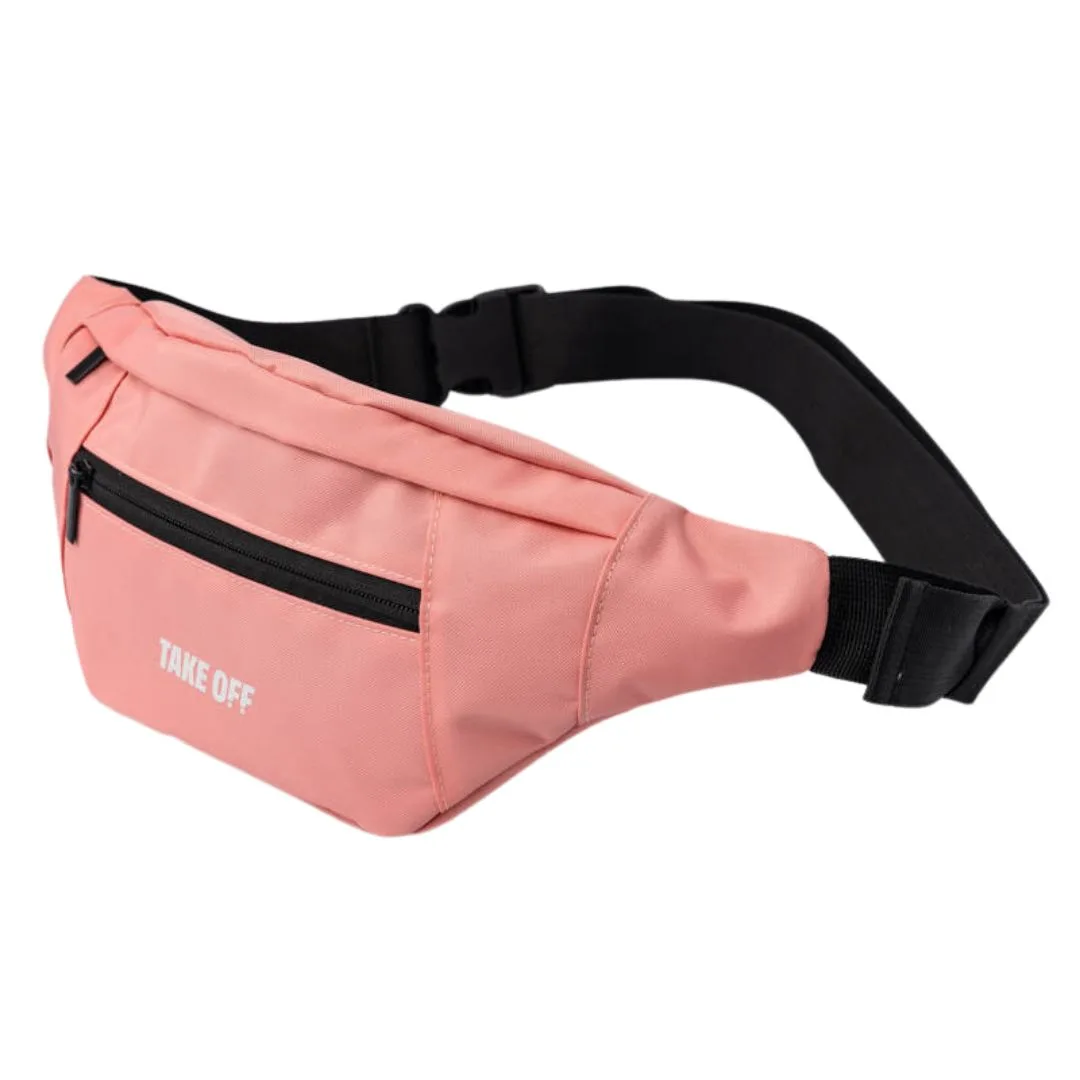
- The Fanny Pack: It keeps essentials like your wallet, phone, and keys within reach so you do not hold up the line. A small personal item keeps travel-day essentials accessible while your shoe bags stay packed in the carry-on.
Who should buy which shoe bag setup
Best for
- Carry-on travelers who pack one or two extra pairs and want clean separation
- Families who need one bag per person to keep shoes organized
- Travelers who pack bulky sneakers or boots and need a larger bag
- Anyone using compression bags for clothing and needing space for rigid shoes
Not for
- Travelers who only wear one pair of shoes and never pack a second
- People who prefer to pack shoes loose in a duffle or backpack
- Buyers looking for a hard shoe case with rigid crush protection
- Anyone who wants a single bag to hold multiple pairs of large boots
Buy shoe bags in the count and size that match your real packing habits, not a bargain set. Two or three well-sized bags handle most trips, and one spare protects you when shoes get wet or dirty. Pair them with compression for clothing and a wearable overflow option when space runs out, and your carry-on stays organized without extra fees.