Quick answer
Dog shoes help in specific situations: hot pavement, winter salt and ice, paw injuries, and rough terrain. They are not a daily necessity for most dogs. Dog socks are a separate tool, mainly for traction on smooth indoor floors or to cover a bandaged paw. Match the gear to the actual problem instead of buying shoes because they look useful.
What dog shoes actually do
Dog shoes create a barrier between the paw and the ground. That barrier matters when the ground is hot enough to burn, cold enough to cause discomfort, or covered in salt and chemical de-icers. Shoes also protect a paw that is healing from a cut or scrape, and they can add grip on loose or rocky trails. What shoes do not do is make a dog's paws invincible. They can rub, twist, or come off if the fit is wrong, and most dogs need a slow introduction before they will walk normally in them.
When dog socks make more sense
Dog socks for hardwood floors solve a different problem. If your dog slips when getting up, turns, or runs indoors, socks with a grippy sole can add traction without the bulk of a boot. Socks are also useful for covering a bandage or keeping a topical treatment off furniture. The tradeoff is durability: socks wear through faster than shoes outdoors and slide down unless they have a secure cuff. They are an indoor tool, not a substitute for booties on a hot sidewalk.
When to use dog booties
Use dog booties when the environment is the problem. Pavement can reach temperatures that damage paw pads long before the air feels hot, so if you cannot hold your hand on the ground for several seconds, your dog should not walk on it barefoot. Winter brings the opposite risk: ice, packed snow, and salt can irritate or crack pads. Booties also help on long hikes over sharp gravel or in deep snow. For a paw injury, a bootie keeps the wound clean and dry while it heals, but check with your vet first because some injuries need a specific wrap or a hard sole.
Do dogs need shoes in winter?
Not always. Many dogs with thick paw pads and dense coats handle short winter walks without shoes. Dogs with thin pads, senior dogs, and small breeds that lose body heat quickly often benefit from booties in snow or on salted sidewalks. The deciding factors are temperature, walk length, and how your dog reacts. If your dog lifts paws, stops walking, or chews at their feet, that is a signal to try protection or shorten the walk. If they trot normally, shoes may be unnecessary.
Getting the fit right
Fit is the difference between helpful and harmful. A shoe that is too loose will twist or fall off; one that is too tight can restrict circulation or rub the dewclaw. Measure the paw at its widest point while your dog is standing, and check the size chart for the specific product rather than guessing. Introduce shoes indoors for a few minutes at a time with treats, then build up to short outdoor walks. If a shoe causes limping, redness, or persistent chewing, stop using it and reassess the size or style.
Verdicts on common dog shoe claims
- Dog shoes are always necessary: Most dogs walk comfortably without shoes in mild weather on familiar surfaces. Shoes are situational gear for heat, cold, salt, injury, or rough terrain. Verdict: false. Buy shoes for a specific problem, not as default equipment.
- Dog socks anti slip are the same as booties: Socks with grip are designed for indoor traction on smooth floors. Booties have a sole and outsole protection meant for outdoor surfaces. Verdict: false. Choose socks for hardwood, booties for pavement and trails.
- Dog shoes for hot pavement are optional: Hot pavement can burn pads even on days that feel mild. If the ground is too hot for your hand, it is too hot for bare paws. Verdict: false. Use booties or walk on grass during peak heat.
- Dog booties for injury can replace a vet visit: A bootie can keep a minor wound clean, but deep cuts, swelling, or limping need veterinary assessment before you cover the paw. Verdict: false. Protect the paw, but get professional advice for anything serious.
- Do dogs need shoes in winter?: It depends on the dog and the conditions. Short walks in mild cold are fine for many dogs, but salt, ice, and long exposure call for protection. Verdict: sometimes. Watch your dog's behavior and the sidewalk conditions.
Gear that supports paw protection
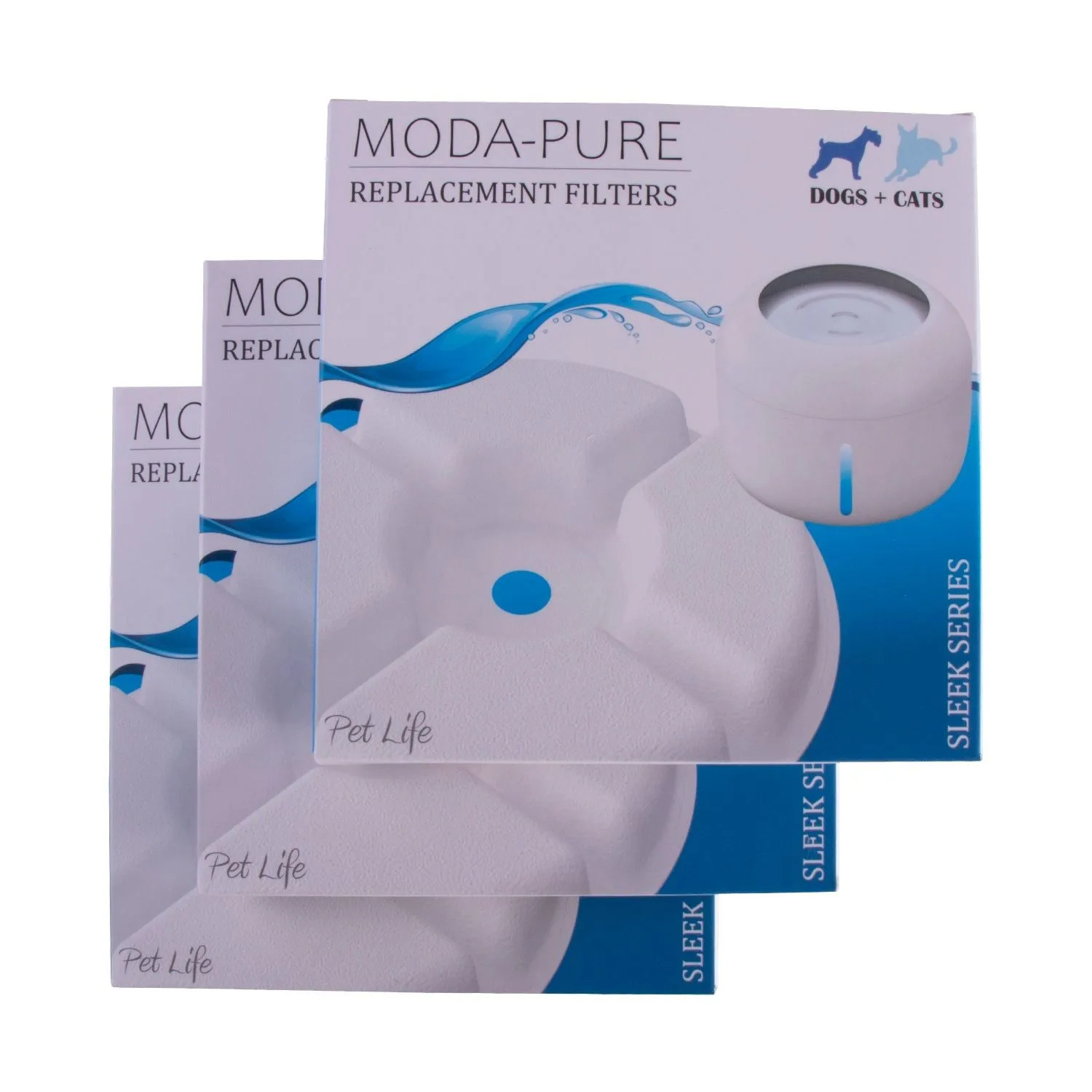
- Filtered Dog and Cat Fountain - Replacement Filters - 3 Pack: Replacement filters for the Moda-Pure Ultra-Quiet Filtered Dog and Cat Fountain, sold as a 3-pack with cotton, mesh, carbon, and ion sponge layers. Hydration supports overall paw and skin health, and clean filters keep the fountain inviting so your dog drinks more.
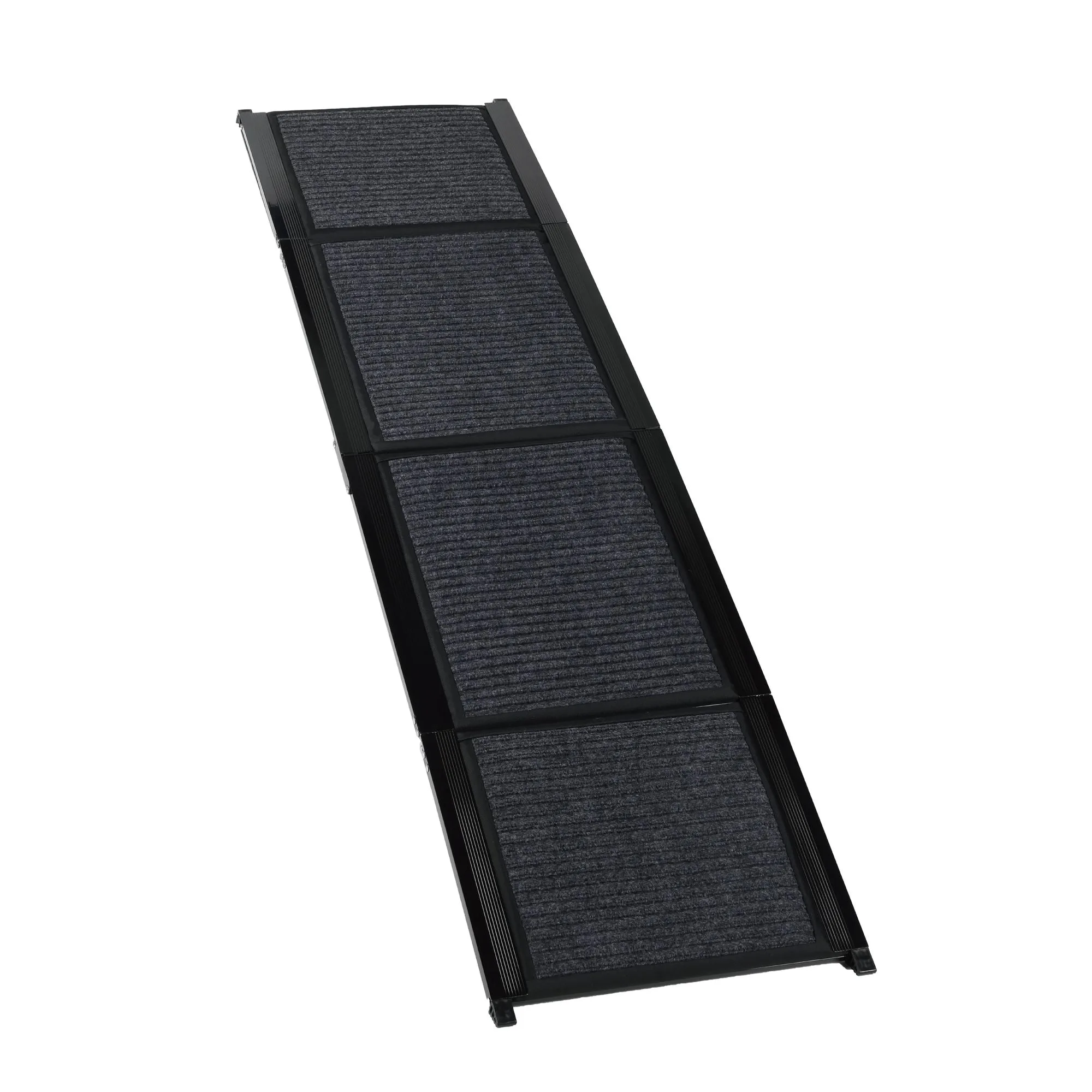
- Inch X 17.2 Inch Folding Dog Car Ramp, Portable Non Slip Pet Ramp: A folding dog car ramp that folds flat to 18.3 inches high and weighs 16.1 pounds when folded, with a padded foam handle. If paw protection is part of a larger mobility plan, a ramp reduces the jump into and out of the car, which can be easier on paws and joints.