Quick Answer
Choose a shoulder bag when you want quick, under-arm access and a polished look for commuting or meetings. Choose a cross body bag when you want hands-free stability, even weight distribution, and a secure fit for travel or crowded spaces. The deciding factor is strap length and how you carry it, not the bag itself.
The shoulder bag vs cross body question usually comes down to one thing: where the bag sits on your body. A shoulder bag rests under your arm on one shoulder. A cross body bag crosses your torso diagonally. That single difference changes how you access your things, how the weight feels after an hour, and how secure the bag feels in a crowd.
Many bags can be worn either way if the strap adjusts long enough. So the real comparison is not two separate product types. It is two carry positions, each with its own trade-offs. This comparison breaks down strap length, access, comfort, and security so you can pick the fit that matches your day.
Strap Length and Carry Position
A shoulder bag typically has a shorter strap so the bag sits at your hip or waist when worn on one shoulder. A cross body bag needs a longer strap to reach diagonally across your torso. If a strap is adjustable across a wide range, the same bag can do both jobs. The ESSENTIALS SHELL BAG OFF-BLACK has an adjustable shoulder strap that drapes naturally, which means you can shorten it for a shoulder carry or lengthen it for a cross body fit.
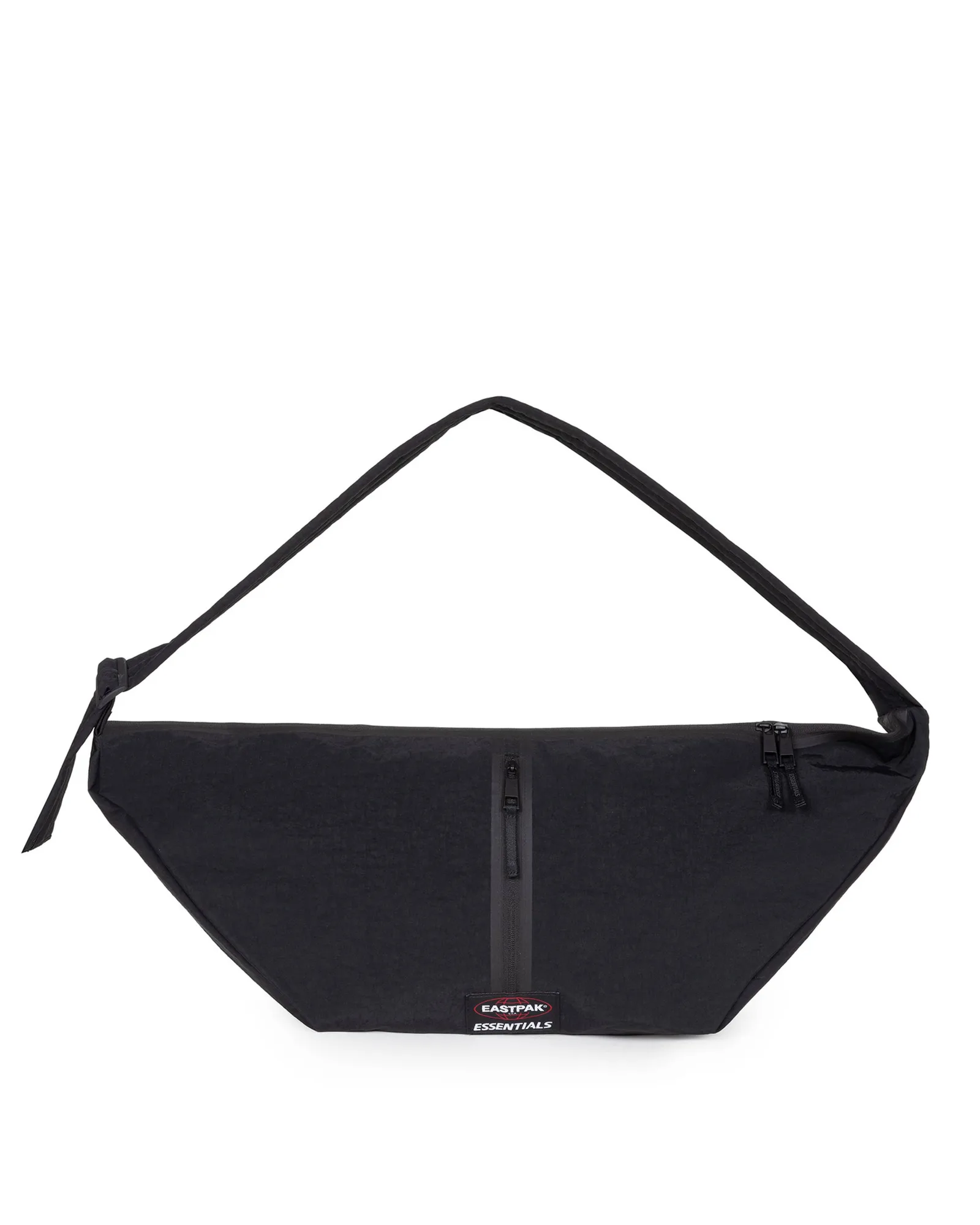
ESSENTIALS SHELL BAG OFF-BLACK
The ESSENTIALS SHELL BAG L CEMENT also uses an adjustable shoulder strap, but its larger size changes the feel. A bigger bag worn cross body puts more weight across your chest and back. A bigger bag worn on one shoulder pulls more on that single shoulder. Neither is wrong, but the larger the bag, the more the carry position matters for comfort.
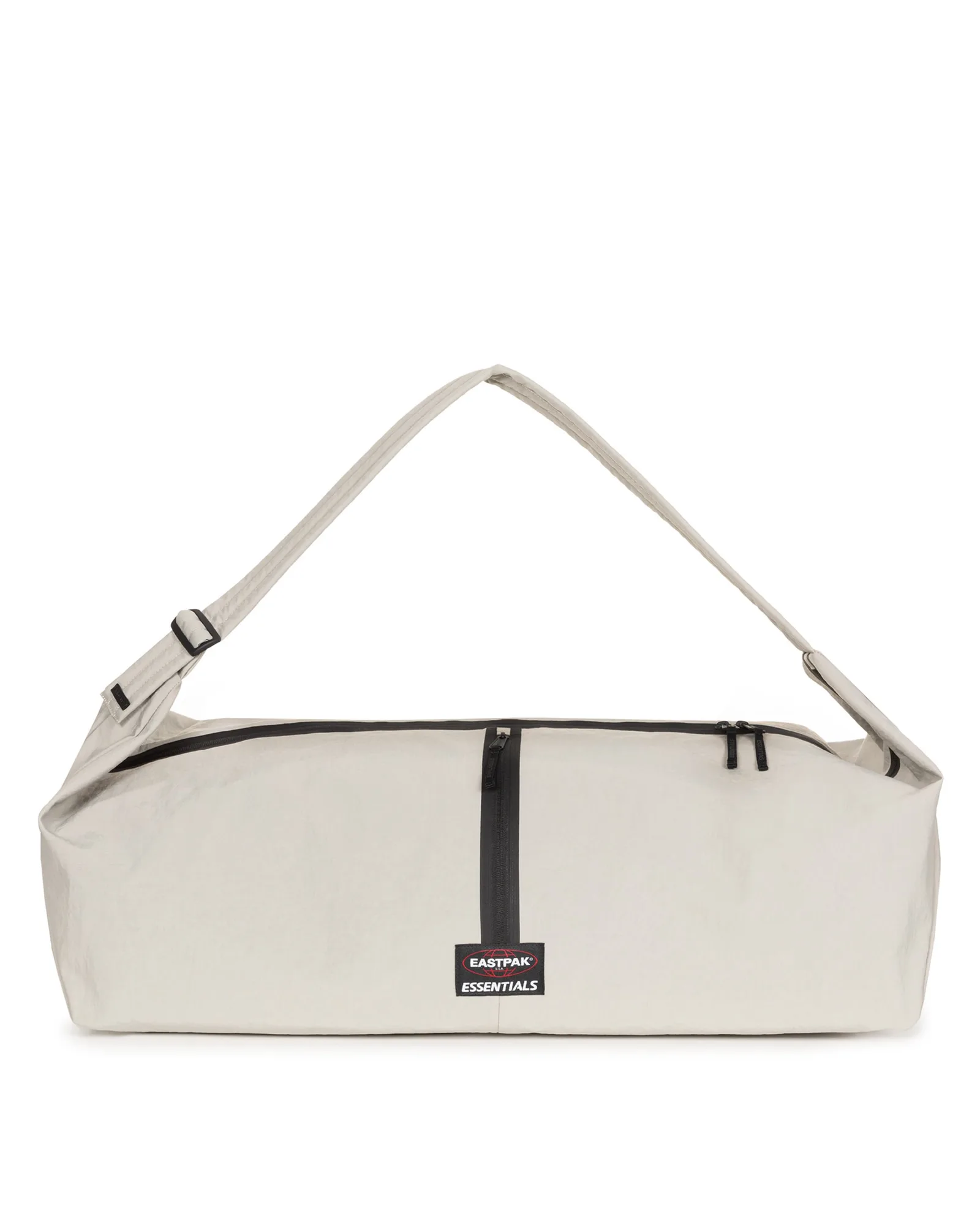
ESSENTIALS SHELL BAG L CEMENT
- Measure from your shoulder to the opposite hip to estimate the strap length you need for cross body wear.
- If the strap adjusts, test both positions before you commit to one carry style.
Access and Organization
Shoulder bags are easy to reach into because the opening stays near your hand. A two-way zip closure, like the one on the ESSENTIALS SHELL BAG OFF-BLACK, lets you open from either side without swinging the bag around. That is useful when you are standing at a counter or stepping off a train. The external zip pocket adds a quick-access spot for a phone or transit card.
Cross body bags sit in front of your body, so you often need two hands to open and close them. The payoff is that your belongings stay in your line of sight. If you carry a laptop or tablet, a dedicated sleeve matters more than the carry position. The DAY PAK'R PRO ULTRA MARINE has a dedicated laptop sleeve that fits devices up to 16 inches, plus a side bottle holder and interior organization.
- If you need one-handed access all day, a shoulder bag has the edge.
- If you want to keep your bag in view, cross body is the safer default.
Comfort Over a Full Day
A shoulder bag concentrates weight on one shoulder and one side of your neck. That is fine for light loads and short trips. It becomes noticeable with a heavier bag or after several hours. A cross body bag spreads weight diagonally across your torso, which usually feels more balanced for longer wear. The trade-off is that the strap crosses your chest, which can feel restrictive if you layer clothing.
The ESSENTIALS SHELL BAG L CEMENT is a larger option, so it benefits from cross body wear if you plan to carry it for long stretches. The ESSENTIALS SHELL BAG OFF-BLACK is lighter and smaller, so it works well on one shoulder for quick errands. Both use lightweight nylon construction with a water repellent coating, which keeps the bag itself from adding unnecessary weight.
- Switch shoulders every hour or two if you wear a shoulder bag for a long day.
- For heavier loads, cross body distributes weight better than a single-shoulder carry.
Security and Travel
In crowded places, a cross body bag is harder to slip off without you noticing because the strap crosses your body. A shoulder bag can slide off when you lean forward or reach up. If you travel through busy stations or markets, cross body is the more secure default. The ESSENTIALS SHELL BAG OFF-BLACK and ESSENTIALS SHELL BAG L CEMENT both include a two-way zip closure and an external zip pocket, which help keep contents contained and organized.
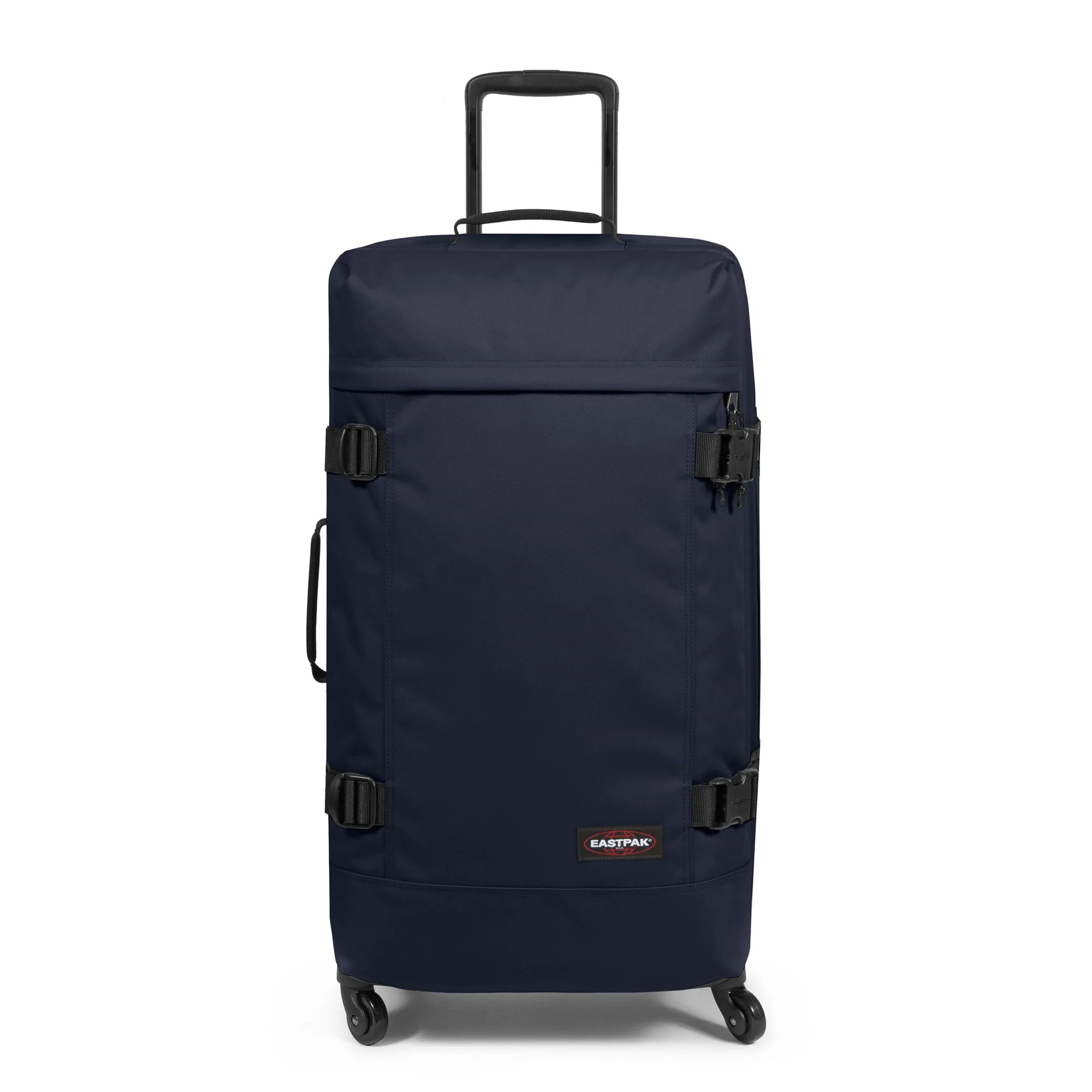
For air travel, a cross body bag also keeps your essentials in front of you while you manage luggage. The RESIST'R CASE L ARMY OLIVE uses two integrated TSA locks and a 360-degree wheeling system, so your hands are free for a shoulder or cross body bag. The TRANS4 L ULTRA MARINE has 360-degree spinning wheels and a telescopic handle, plus top and side padded handles for lifting onto a rack or conveyor.
- Wear the bag in front of your hip, not behind you, in crowded areas.
- Keep zippers closed and use the external pocket only for items you need quickly.
Trade-Offs at a Glance
- Shoulder bag access: The bag stays near your hand, so you can reach in without swinging it around. A two-way zip on the ESSENTIALS SHELL BAG OFF-BLACK makes this even quicker. Best when you need fast, frequent access.
- Cross body security: The strap crosses your torso, which makes the bag harder to slip off in a crowd. You trade a little access speed for more peace of mind. Best for travel, commuting, and busy public spaces.
- Weight distribution: Shoulder carry puts weight on one side. Cross body spreads it diagonally. The larger ESSENTIALS SHELL BAG L CEMENT feels more balanced cross body. Choose cross body for heavier loads or long days.
- Strap adjustability: If the strap adjusts across a wide range, one bag can do both jobs. Check the strap length before you buy if you plan to switch carry positions. Adjustable straps give you the most flexibility.
Product Facts That Affect the Choice
- ESSENTIALS SHELL BAG OFF-BLACK: Adjustable shoulder strap that drapes naturally, a two-way zip closure, an external zip pocket, and lightweight durable nylon with a water repellent coating. The adjustable strap lets you switch between shoulder and cross body carry, while the two-way zip and external pocket support quick access.
- ESSENTIALS SHELL BAG L CEMENT: Adjustable shoulder strap that drapes naturally, a two-way zip closure, an external zip pocket, and lightweight durable nylon with a water repellent coating. The larger size benefits from cross body wear when you carry it for longer periods, because the weight spreads across your torso.
- DAY PAK'R PRO ULTRA MARINE: Dedicated laptop sleeve fits devices up to 16 inches, side bottle holder, water repellant material, and interior organization. If you need to carry a laptop, a backpack with a dedicated sleeve may serve you better than either a shoulder bag or cross body bag.
- RESIST'R CASE L ARMY OLIVE: Two integrated TSA locks, a 360-degree wheeling system, and two main compartments with secure divider closures. A wheeled case frees your hands for a shoulder or cross body bag, so you can wear your personal bag in the position that feels most secure.
Which Should You Choose?
Choose a shoulder bag if you
- Want quick, one-handed access to your phone, wallet, or transit card
- Carry light loads for short trips and prefer an under-arm look
- Prefer a bag that sits at your hip without crossing your chest
Choose a cross body bag instead if you
- Carry heavier loads for hours and want weight spread across your torso
- Travel through crowded areas and want your bag to stay in front of you
- Want a hands-free fit that stays put when you lean, reach, or walk fast
The shoulder bag vs cross body decision is really about how you move through your day. Pick the carry position that matches your access needs, load weight, and security comfort. If the strap adjusts, you can switch between both without buying a second bag.