Two lenses, two approaches to portraits
When you're building a Sony E mount kit for portraits, the choice often comes down to a dedicated prime or a flexible zoom. The Sigma 135mm F1.4 DG A Art and the Sony FE 24-240mm F3.5-6.3 OSS serve very different purposes, but both can capture people. Understanding their strengths and trade-offs will help you pick the right tool for your style.
At a glance: key specs from the catalog
-
Sigma 135mm F1.4 DG A Lens For Sony E: World’s first autofocus 135mm f/1.4 lens. 13-blade diaphragm for circular bokeh. Dual HLA motors for fast AF. The f/1.4 aperture and 13-blade design give exceptional subject separation and smooth bokeh—ideal for portrait work.
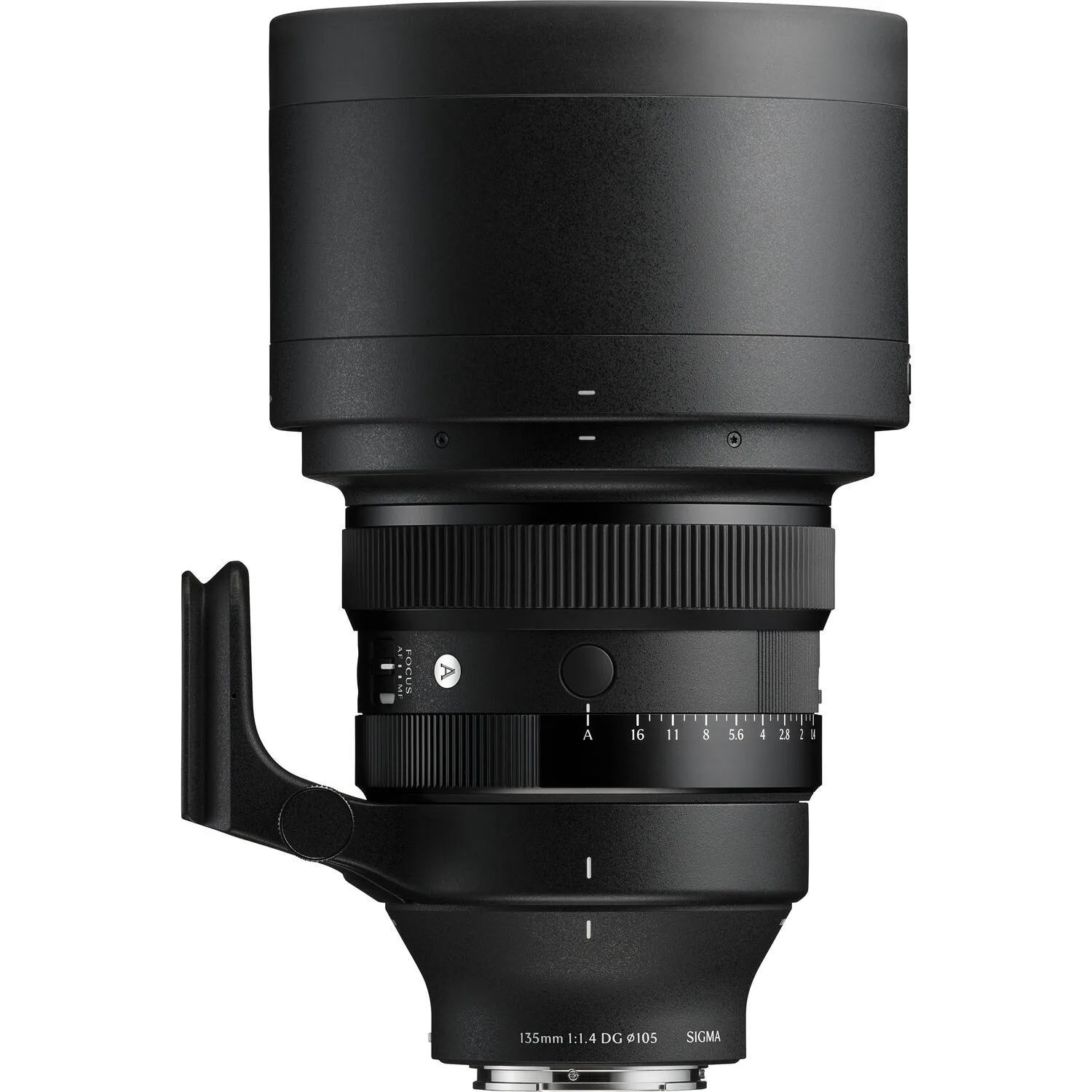
Sigma 135mm F1.4 DG A Lens For Sony E
-
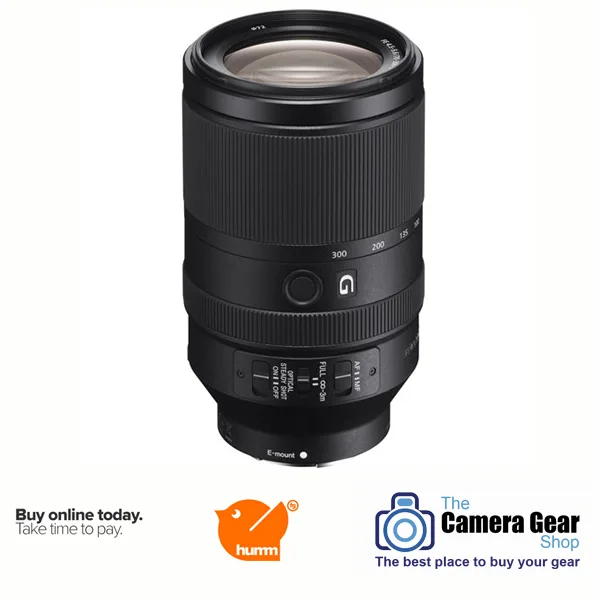
Sony FE 24-240mm F3.5-6.3 OSS Lens: 10x zoom range covering 24mm to 240mm. Built-in Optical SteadyShot (OSS) image stabilization. Dust and moisture resistant. A single lens that goes from wide-angle to telephoto, with stabilization to help handheld shooting at long focal lengths.
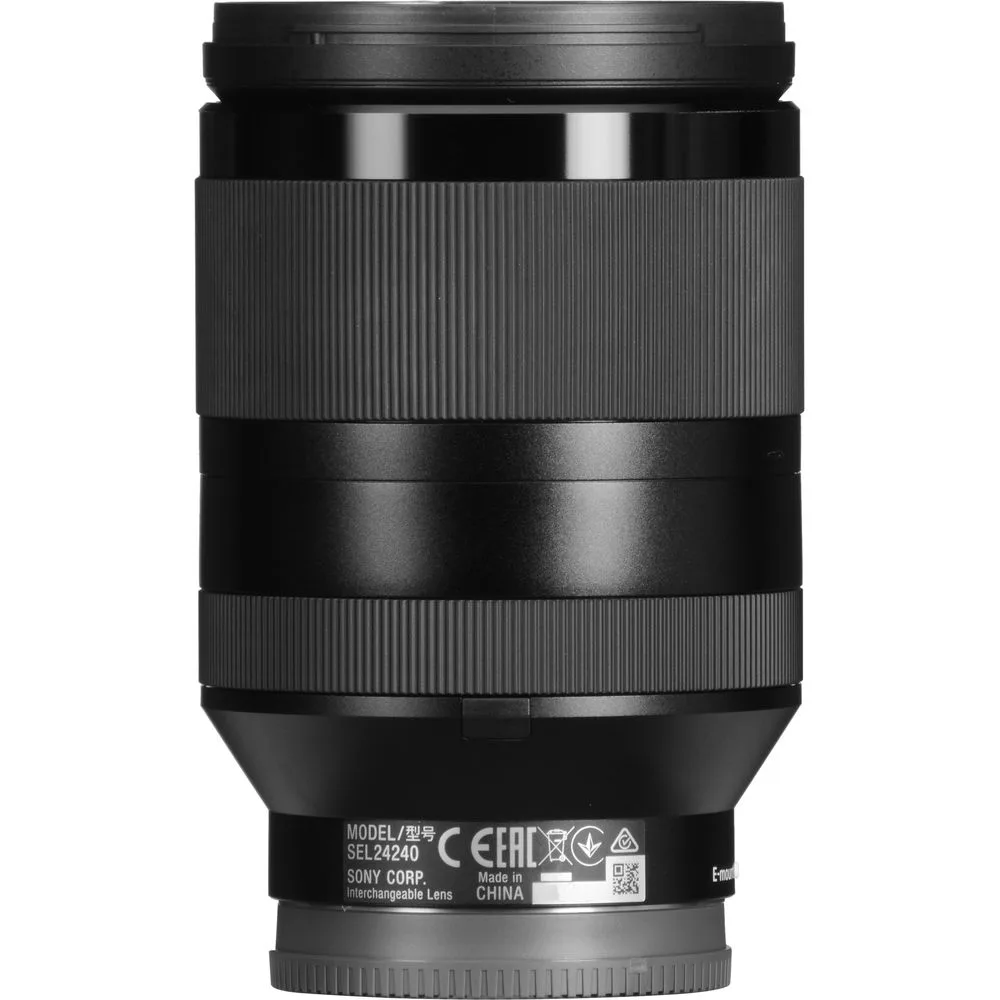
Sony FE 24-240mm F3.5-6.3 OSS Lens
Bokeh and background separation
For portraits, the quality of out-of-focus areas can make or break an image. The Sigma 135mm f/1.4 is designed specifically to deliver expressive, round bokeh with minimal color bleeding, thanks to its 13-blade diaphragm. Its f/1.4 aperture creates a very shallow depth of field, isolating the subject from the background in a way that's hard to match.
The Sony 24-240mm, at its telephoto end (240mm f/6.3), can blur backgrounds too, but the maximum aperture is much smaller. You'll get some separation, but not the same creamy, dimensional look. If bokeh quality is your priority, the Sigma is the clear choice.
- Sigma 135mm f/1.4: 13-blade aperture, f/1.4 maximum. Designed for 'unrivalled large bokeh' and clear subject separation.
- Sony 24-240mm f/3.5-6.3: Variable aperture; at 240mm the maximum is f/6.3. Can blur backgrounds but with less intensity than a fast prime.
Flexibility vs. specialization
The Sony 24-240mm is a travel-friendly all-in-one: 10x zoom means you can shoot a wide environmental portrait at 24mm and then zoom in for a tight headshot without swapping lenses. It's dust and moisture resistant and has built-in OSS for steadier handheld shots, which is useful in changing conditions.
The Sigma 135mm is a fixed focal length lens. You'll need to move your feet to frame the shot, and there's no zoom convenience. However, its f/1.4 aperture and professional features (dual AFL buttons, de-clickable aperture ring, Arca-Swiss tripod socket) are built for controlled, deliberate portrait sessions where image quality is paramount.
Which one fits your portrait workflow?
Your choice depends on how you shoot. If you work in a studio or can control the distance to your subject, the Sigma 135mm f/1.4 Art will give you the highest quality portraits with stunning bokeh. If you need one lens for travel, events, or varied shooting situations, the Sony 24-240mm offers unmatched versatility.
Both lenses are dust and moisture resistant, so they can handle outdoor sessions. The Sigma's faster aperture also helps in lower light, while the Sony's OSS helps at slower shutter speeds.
- Sigma 135mm f/1.4 is better for: Studio portraits, fine-art portraiture, any scenario where maximum bokeh and sharpness are the goal.
- Sony 24-240mm is better for: Travel, event photography, walkaround use—any situation where changing lenses is impractical.