Quick Answer
For classic head-and-shoulders portraits with strong background blur, choose the Sigma 56mm f/1.4. If you need a more versatile focal length that captures environmental portraits and full-body shots, the Sigma 30mm f/1.4 is the better fit.
Focal Length and Framing
The 56mm lens (roughly 84mm full-frame equivalent) gives a tight, flattering perspective ideal for isolating a subject's face and shoulders. The 30mm lens (about 45mm equivalent) offers a wider view, letting you include more of the environment or shoot full-length portraits without stepping way back.
Bokeh and Background Separation
Both lenses have an f/1.4 aperture, but the longer 56mm focal length naturally compresses the background and produces softer, more pronounced bokeh. The 30mm f/1.4 still delivers pleasing blur but requires closer distances to achieve similar separation.
Trade-Offs at a Glance
- Sigma 56mm f/1.4: Best for dedicated portrait photographers who prioritize background blur and a flattering headshot perspective.
- Sigma 30mm f/1.4: Ideal for shooters who want a single prime for environmental portraits, group shots, and walkaround use. Consider your typical shooting distance and whether you need to include background context.
- Bokeh Quality: The 56mm produces smoother, more pronounced bokeh at equivalent framing. The 30mm gives decent blur but requires closer focus.
Product Facts
-
Sigma 56mm f1.4 DC DN Contemporary Lens for Sony E: The smallest mid-tele lens in its class, part of Sigma's Contemporary line. You get a compact, lightweight prime that's easy to carry for portrait sessions without sacrificing image quality.
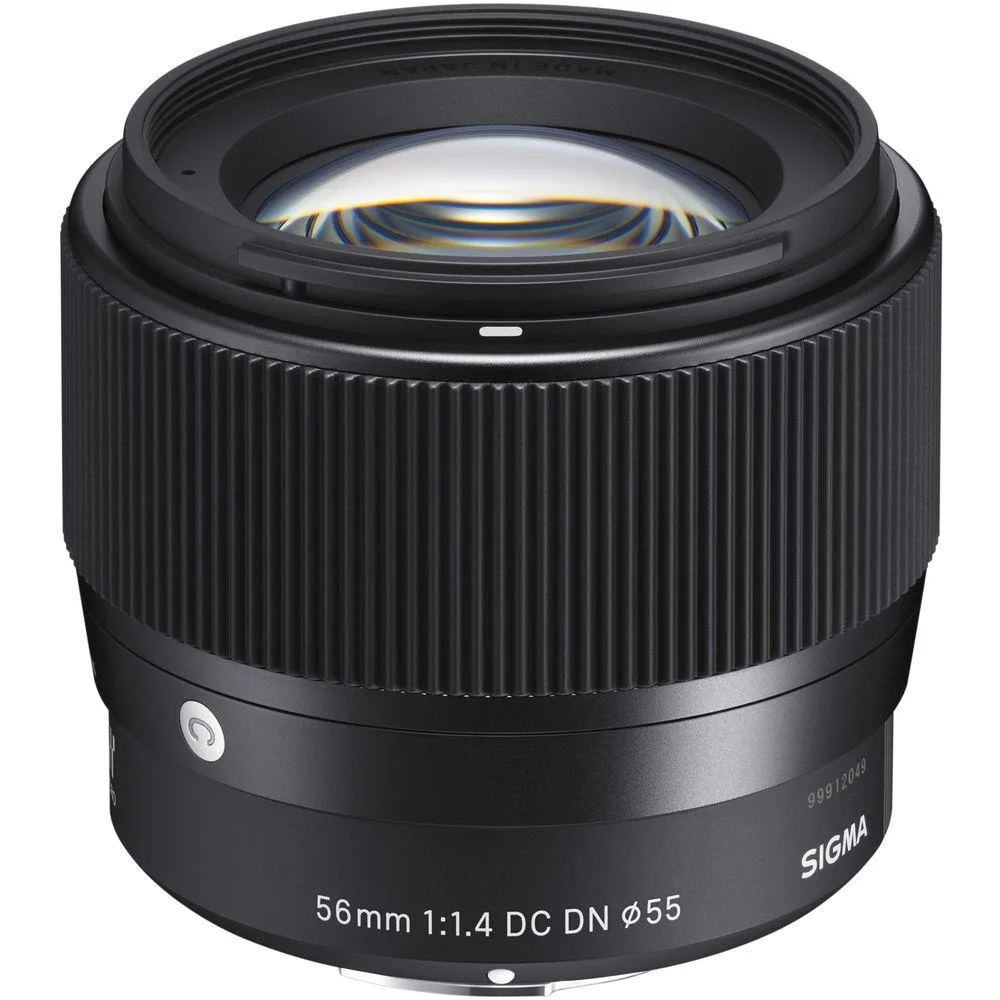
Sigma 56mm f1.4 DC DN Contemporary Lens for Sony E
-
FUJIFILM XF 18-120mmF4 R LM PZ WR Lens: The FUJINON XF 18-120mmF4 R LM PZ WR lens brings video-centric features to a compact, weather-resistant design. While not a direct competitor here, it shows that other lens options exist for hybrid shooters needing a versatile zoom range.
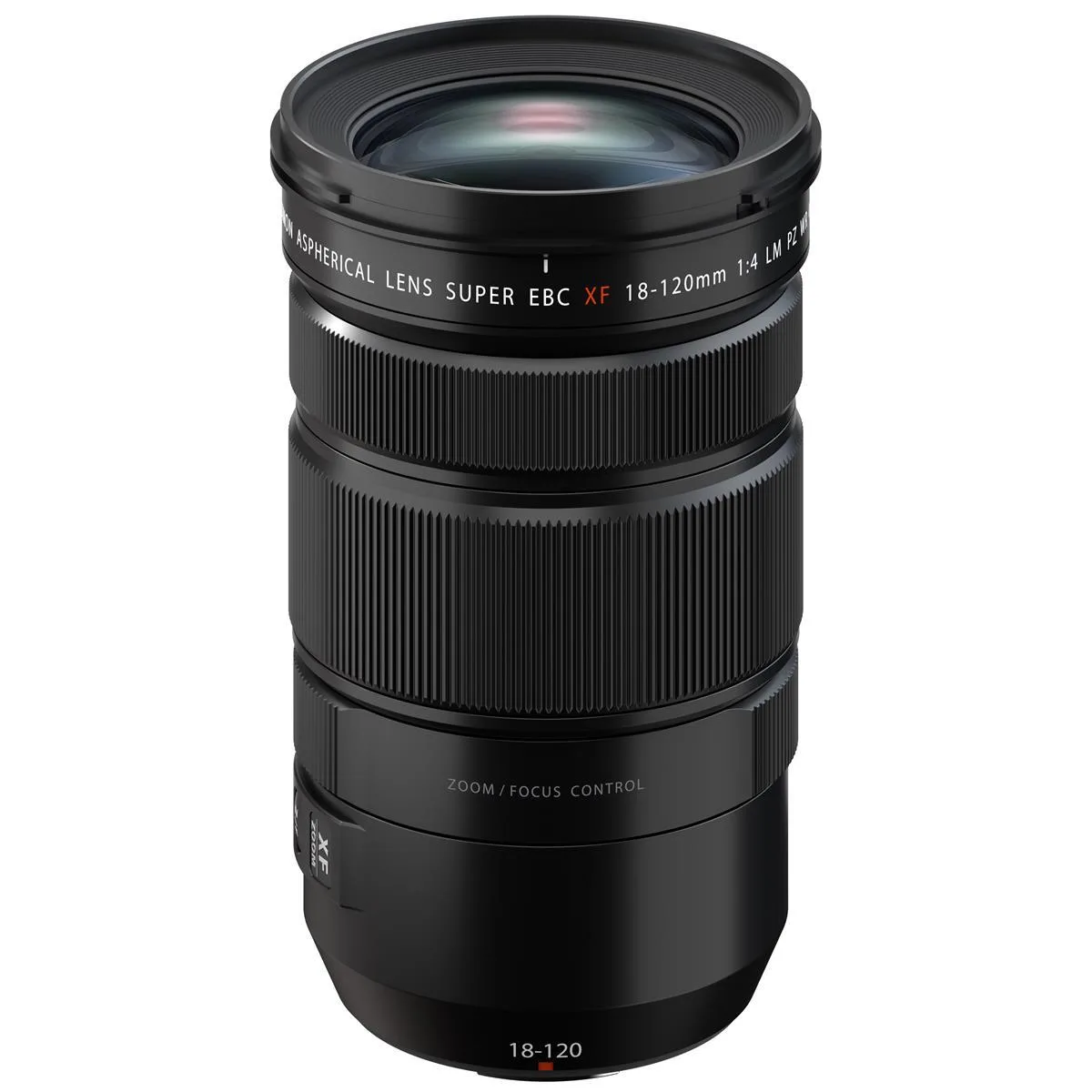
FUJIFILM XF 18-120mmF4 R LM PZ WR Lens
Which Lens Should You Choose?
Best For
- Classic head-and-shoulders portraits with creamy bokeh
- Shooters who want a compact, lightweight telephoto prime for Sony E-mount APS-C
Not Ideal For
- Those who need a single lens for both portraits and wider environmental shots