Start with the flow, not the calendar
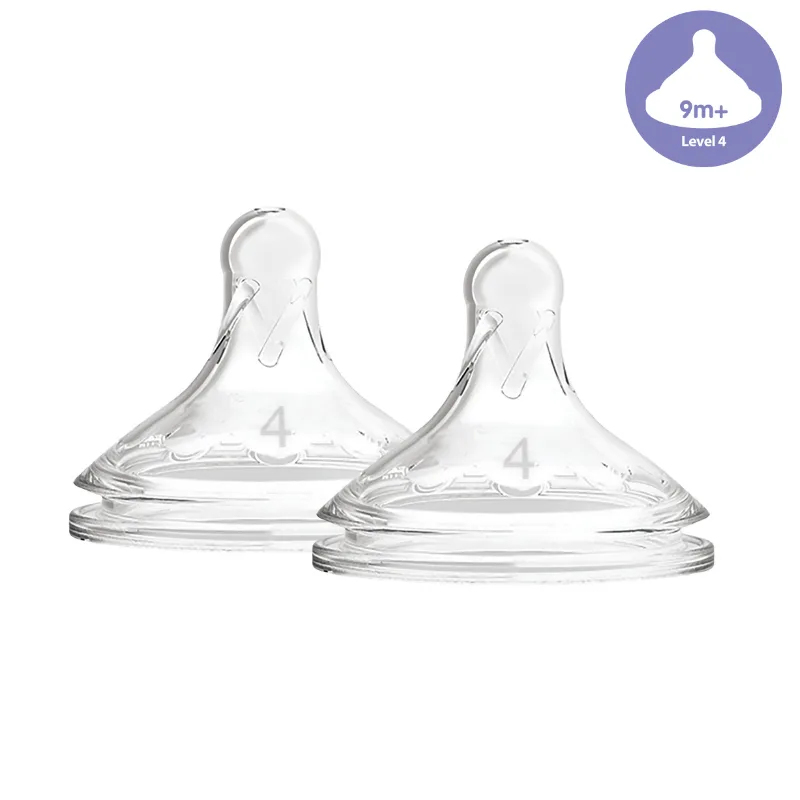
Nipple flow is about how your baby manages milk, not a fixed age on the package. The Kiki Natural Vent Fast Flow Nipples are labeled fast (6M+), but that label is a starting point for the conversation, not a deadline. Watch the feeding itself: pace, spill, and comfort tell you more than a birthday.
The same nipple line includes slow (0M+), medium (3M+), fast (6M+), and Y-cut (6M+) options. Each pack contains two Natural Vent Nipples of the same flow rate, so you can keep one in use and one clean. If you are unsure, change one variable at a time and keep the rest of the feeding routine steady.
Signs your baby may be ready for a faster flow
- Feeds take much longer than they used to: If your baby stays interested but the feed stretches out and they seem to work harder than before, a faster flow may be worth testing. This is a pace cue, not a rule about minutes.
- Fussiness or frustration at the bottle: Pulling away, squirming, or crying mid-feed can mean the current flow is too slow for how they are feeding now. It can also mean they need a pause, so check both before changing nipples.
- Falling asleep before the feed is finished: A baby who consistently dozes off while still feeding may be tiring out from the effort. Try a faster flow at one feed and see whether they stay awake and comfortable.
- Milk pooling or dribbling with the current nipple: Some spill is normal, but repeated pooling around the mouth or milk running out can suggest the nipple is not matching your baby's suck. A faster flow may help, though it can also make spill worse if your baby is not ready.
- Your baby is already comfortable with medium flow: The Natural Vent Nipples move in steps: slow, medium, fast, and Y-cut. If medium has been working and your baby now shows the pace cues above, fast is the next logical test.
What the Natural Vent design changes
The Natural Vent Nipples are made from medical-grade, platinum-cured silicone and are described as 100% plastic-free. The elongated vent is designed to help reduce spit-ups and colic. That matters when you move to a faster flow, because a faster flow can increase the chance of gulping air if the vent is not working with your baby's pace.
The nipples are also listed as BPA-free, BPS-free, EA-free, PP-free, polypropylene-free, and phthalate-free. These are material facts, not a promise that every baby will feed the same way. Use them as part of your decision, alongside how your baby actually feeds.
Natural Vent Nipples at a glance
-
Kiki™ Natural Vent Fast Flow Nipples™: Four flow rates: slow (0M+), medium (3M+), fast (6M+), and Y-cut (6M+). You can step up one flow at a time instead of jumping straight to the fastest option.
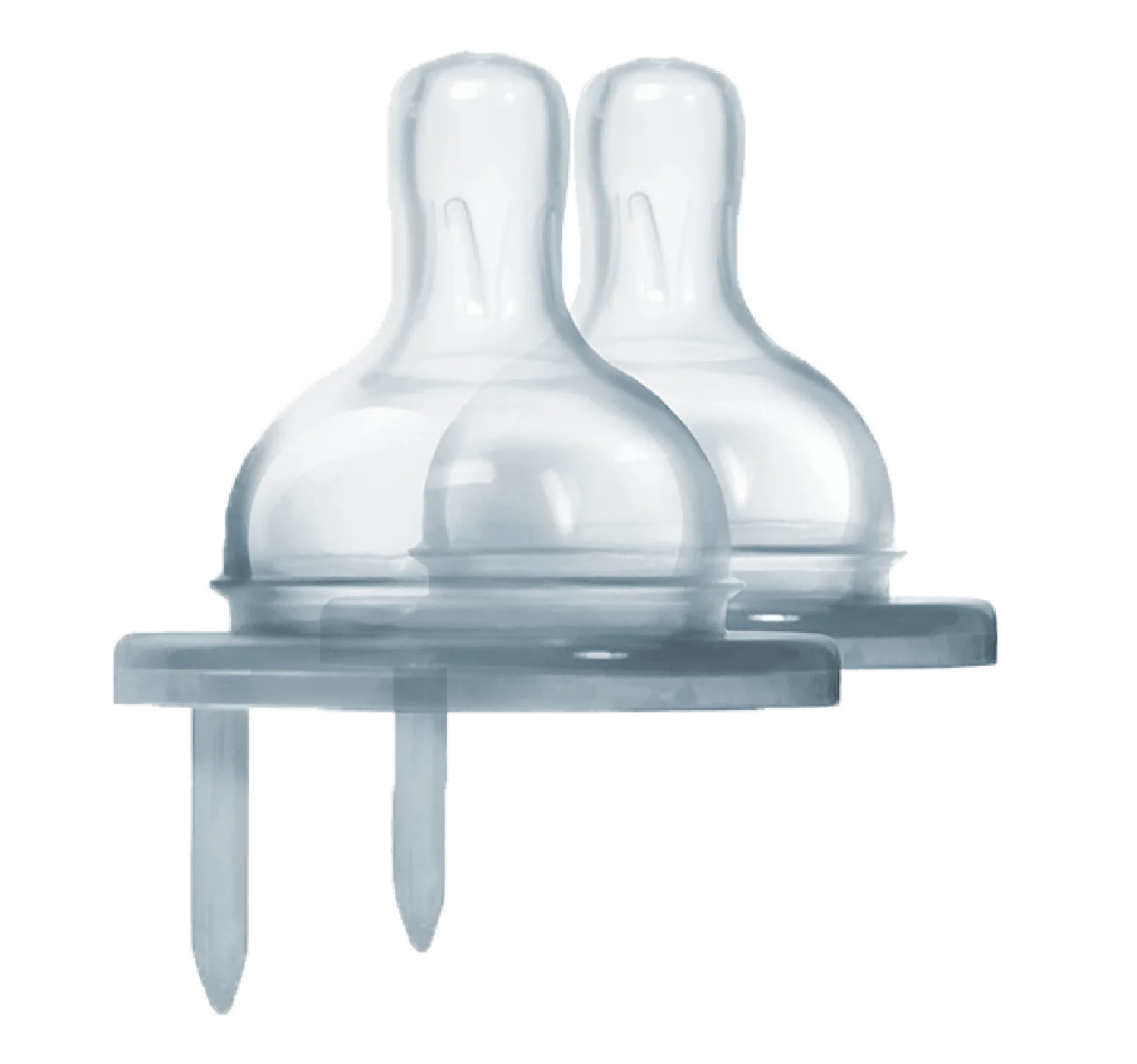
Kiki™ Natural Vent Fast Flow Nipples™
-
Kiki™ Natural Vent Fast Flow Nipples™: Each pack contains two Natural Vent Nipples of the same flow rate. You get a spare for cleaning and rotation, so you can test a new flow without running out.
-
Kiki™ Natural Vent Fast Flow Nipples™: The nipples are 100% plastic-free and made from medical-grade, platinum-cured silicone. This is a material choice some parents prioritize when moving to a new nipple.
-
Kiki™ Natural Vent Fast Flow Nipples™: The elongated vent is designed to help reduce spit-ups and colic. A faster flow can increase air intake, so the vent design is relevant to how comfortably your baby handles the change.
How to test fast flow without disrupting feeding
- Pick one feed to trial: Choose a calm, alert feed rather than a rushed or sleepy one. Keep the rest of your routine the same so you can tell what changed.
- Swap only the nipple: The Natural Vent Nipples operate with all Pura bottles, and the top interchanges with other Pura tops. That means you can change flow without changing the bottle your baby knows.
- Watch pace and comfort: Look for steady feeding, relaxed hands, and less frustration. If your baby coughs, splutters, or pushes the bottle away repeatedly, the fast flow may be too much for now.
- Give it more than one feed: One unusual feed is not a trend. Try the fast flow for a few feeds before deciding, unless your baby is clearly uncomfortable.
- Step back if needed: If fast flow seems overwhelming, return to medium and try again later. Flow readiness can change from week to week.
When fast flow may not be the answer
Fast flow is not a milestone to reach. Some babies feed efficiently on medium for a long time, and some prefer a slower pace even as they get older. If your baby is gaining well, comfortable, and finishing feeds without distress, there is no need to rush the switch.
Also consider the Y-cut option: it is listed for 6M+ and uses a Y-shaped opening rather than a different hole size. It is another way to adjust flow, but the supplied information does not say which babies should choose Y-cut over fast, so treat it as a conversation point with your pediatrician or feeding specialist if you are unsure.
A note on cleaning and compatibility
The supplied product information does not include specific cleaning instructions for the Natural Vent Nipples, so follow the care guidance that comes with your Pura bottle and nipple packaging. What is confirmed: the nipples are silicone, fit all Pura bottles, and interchange with other Pura tops. That makes the transition to fast flow a simple swap rather than a whole new bottle system.