Quick answer
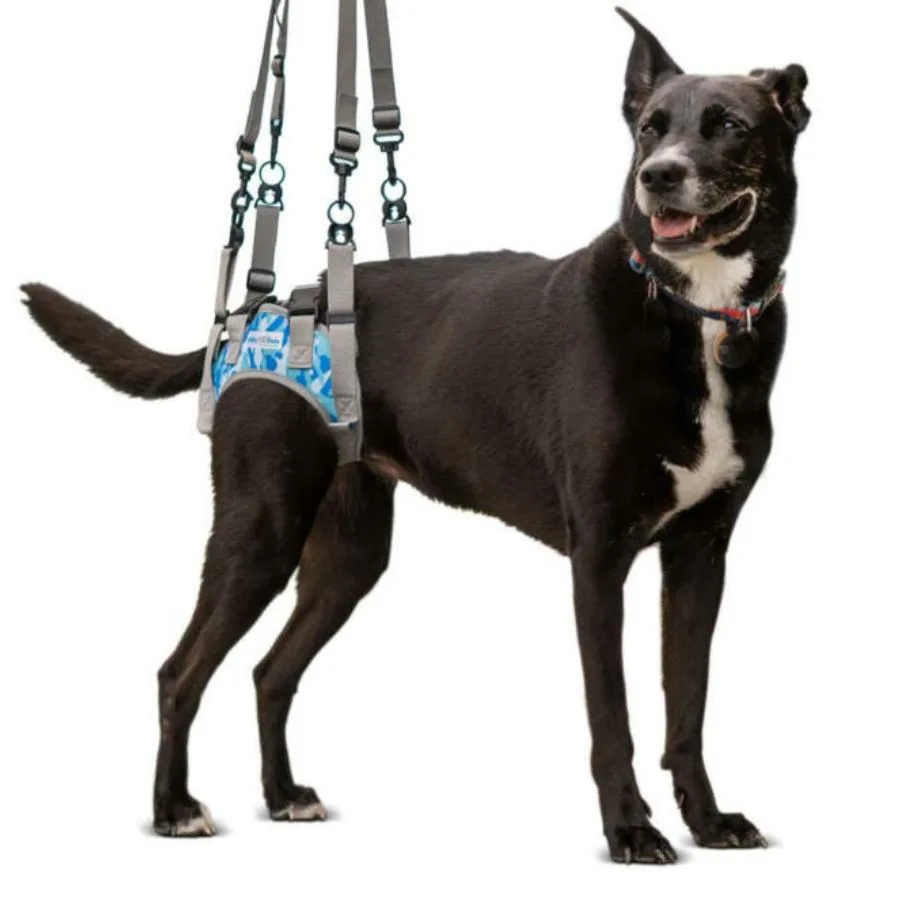
If your senior dog is showing hind leg weakness, dragging its back paws, or struggling to stand up from a lying position, it likely needs rear support. A dog wheelchair or a rear harness for senior dogs can help maintain mobility and quality of life. Talk to your vet to rule out treatable causes, then choose a support solution based on your dog's weight and condition.
What Hind Leg Weakness Looks Like in Senior Dogs
Senior dog rear support becomes necessary when you notice consistent changes in how your dog moves. Early signs include slowing down on walks, reluctance to climb stairs, and a wobble in the back end when standing still. As weakness progresses, you may see knuckling under of the back paws, dragging nails on the ground, or a swaying gait that looks like a drunken walk. These signs often point to conditions such as degenerative myelopathy, IVDD, arthritis, or general muscle loss from aging. The key is to act when you first notice these changes, rather than waiting for a fall or complete loss of mobility. A rear harness for senior dogs can help you support your dog during potty breaks and short walks, while a wheelchair provides full rear support for longer outings. If your dog is still able to walk but tires easily, a harness may be enough. If your dog can no longer bear weight on its hind legs, a wheelchair is the better choice.
When to Choose a Wheelchair vs. a Harness
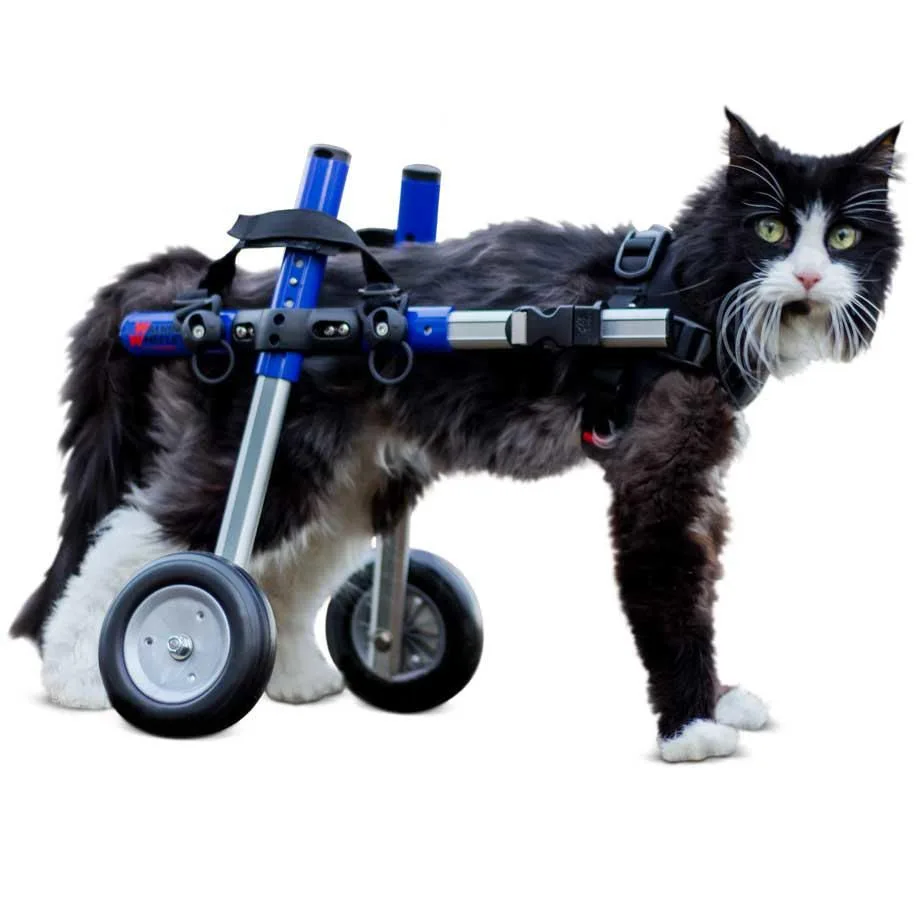
The decision between a rear harness and a wheelchair depends on how much function your dog still has. A harness is best for dogs that can still move their legs but need help with balance, stamina, or going up and down stairs. It is also useful for post-surgery recovery when you need to support the hind end during walks. A wheelchair, on the other hand, is designed for dogs that have lost the ability to support weight on their rear legs, whether from paralysis or severe weakness. Wheelchairs allow the dog to run, play, and exercise, which helps maintain muscle tone and mental health. If your dog can still walk but needs help, start with a harness. If your dog's hind legs collapse or drag, a wheelchair will provide the support they need to stay active. For dogs that still have some use of their back legs, a wheelchair with a rear harness can be a great combination.
How to Add Rear Support Without Overwhelming Your Dog
Introduce any new mobility aid gradually. Start with short sessions in a harness or wheelchair, using treats and praise to create positive associations. For a wheelchair, make sure the fit is correct: the dog's paws should rest comfortably on the ground or just above it, and the frame should not rub. For a harness, adjust the straps so they are snug but not tight, and use it for brief periods before extending. Always monitor for signs of fatigue or stress, such as panting, whining, or refusing to move. If your dog seems uncomfortable, check the fit and try again later. Remember that rear support is not a cure; it is a tool to help your dog stay mobile. Combine it with veterinary care, physical therapy, and weight management for the best results.
Diagnosis: Symptom, Cause, Action, and When to Stop
- Symptom: Dragging back paws or knuckling: Your dog's back paws may scuff the ground or turn under while walking. This is often an early sign of nerve damage or weakness. If this happens frequently, it's time to consider rear support like a harness or wheelchair.
- Likely cause: Degenerative myelopathy or IVDD: These conditions affect the spinal cord and worsen over time. Degenerative myelopathy is common in older dogs and leads to progressive weakness. A vet can confirm the cause and guide you on the best support options.
- Corrective action: Use a rear harness or wheelchair: For mild weakness, a rear harness helps with balance and walking. For moderate to severe weakness, a wheelchair provides full rear support. Choose based on your dog's ability to bear weight. If they can still stand, try a harness first.
- When to stop or choose another option: If your dog shows signs of pain, severe anxiety, or skin irritation from the equipment, stop and consult your vet. If your dog has front leg weakness as well, a rear-only wheelchair may not be enough; a full support wheelchair might be needed. Always prioritize your dog's comfort and consult a professional if unsure.
Product facts
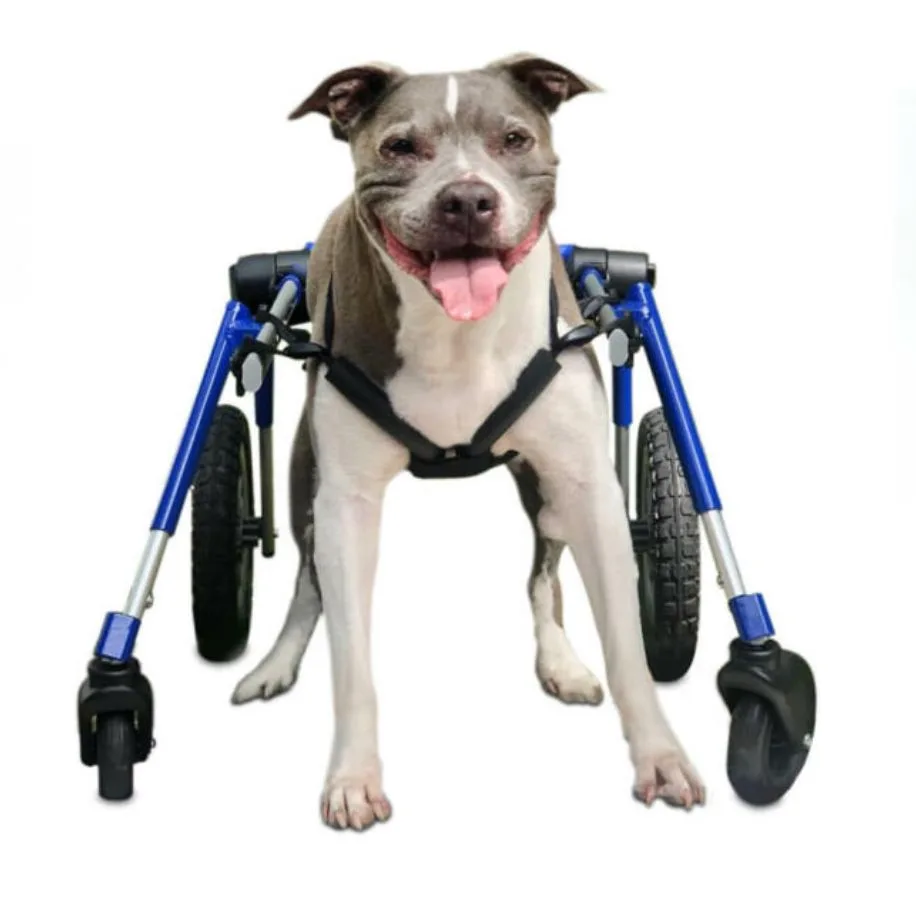
- Walkin' Wheels MEDIUM Dog Wheelchair: The Walkin’ Wheels Medium dog wheelchair provides rear support for paralyzed and injured pets weighing between 26 to 49 lbs. It helps medium sized dogs stay active and continue to run and play. If your senior dog is in this weight range and has lost hind leg function, this wheelchair offers a practical way to restore activity.
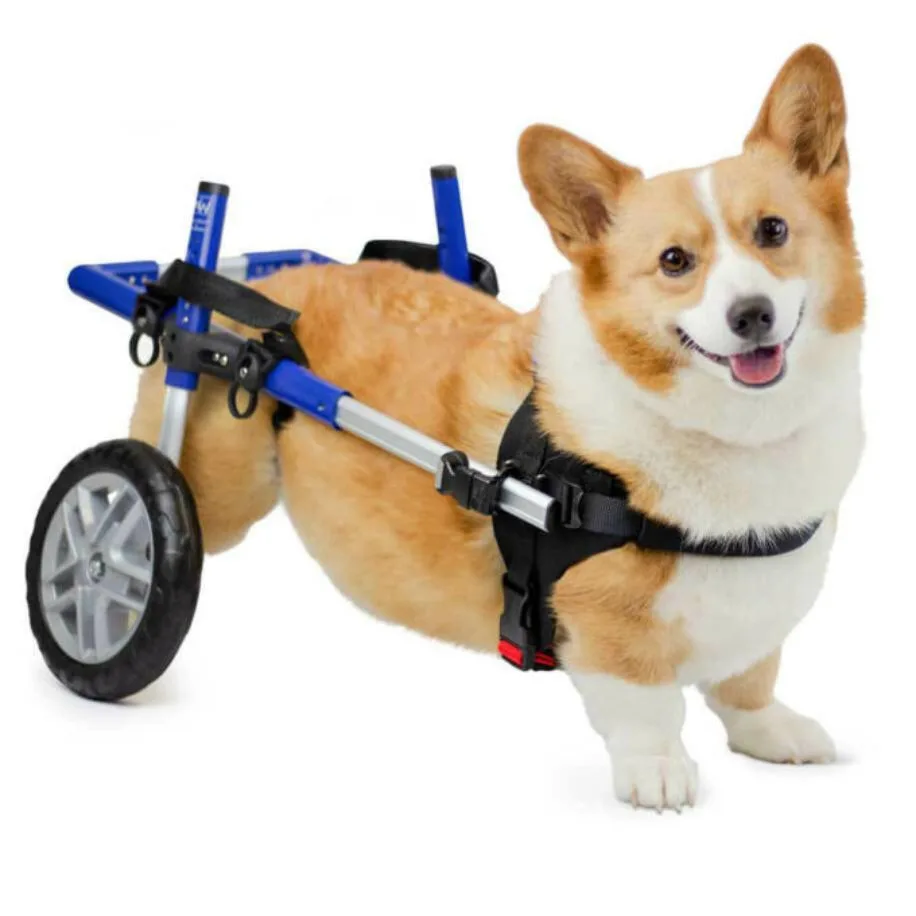
- Walkin' Wheels CORGI Dog Wheelchair: The Walkin’ Wheels Corgi dog wheelchair is specifically designed to accommodate the long torso and short legs of your Pembroke or Cardigan Welsh Corgi and give your dog the rear leg support they need. Corgis have unique proportions, so a standard wheelchair may not fit properly; this model ensures comfort and support for their body shape.
- Walkin' Wheels Med/Large Dog Wheelchair: The Walkin’ Wheels Med/Large Dog Wheelchair supports medium-sized dog breeds between 50 to 69 lbs. With the support of their rear dog wheelchair, your dog can get the exercise they need to stay healthy, rebuild muscle tone, enjoy their daily walk, and play. For larger seniors in this weight range, this wheelchair provides the stability and freedom to maintain an active lifestyle.