Every parent knows that mealtime with a baby can be a messy affair. From pureed carrots to yogurt splatters, keeping your little one clean is a constant challenge. That's why choosing the right bib is essential—not just for cleanliness, but for comfort and convenience. Two popular options dominate the market: silicone bibs and cloth bibs. Each has its own set of advantages and drawbacks, and the best choice often depends on your baby's age, your feeding style, and your lifestyle.
In this article, we'll break down the key differences between silicone bibs and cloth bibs. We'll compare factors like ease of cleaning, durability, comfort, and cost. By the end, you'll have a clear understanding of which bib material suits your family best—and we'll highlight some top-rated options from PandaEar to help you make an informed purchase.
Ease of Cleaning: Silicone Bibs vs Cloth Bibs
One of the biggest factors parents consider is how easy a bib is to clean. Silicone bibs are famously low-maintenance. They are waterproof, non-porous, and can be wiped clean with a damp cloth or rinsed under the faucet. Many silicone bibs are also dishwasher-safe, making them incredibly convenient for busy parents. A quick rinse after a meal, and they're ready for the next use. This is especially helpful when you're dealing with sticky or oily foods that can stain fabric.
Cloth bibs, on the other hand, require more effort. They absorb liquids and food particles, so they need to be washed after each use. While many cloth bibs are machine-washable, stains can set in if not treated promptly. Over time, repeated washing can cause fading or wear. For parents who prefer a bib that can be thrown in the laundry without worry, cloth bibs are still a solid choice—but they do demand more time and energy in upkeep.
- Silicone bibs: wipe clean or dishwasher-safe, no staining, dries quickly.
- Cloth bibs: machine-washable but prone to stains, requires more frequent laundering.
Durability and Longevity: Which Bib Lasts Longer?
When it comes to durability, silicone bibs generally outshine cloth bibs. High-quality silicone is resistant to tearing, cracking, and deformation. It can withstand daily use, high temperatures (like hot water or dishwasher cycles), and even being chewed on by teething babies. A well-made silicone bib can last through multiple children, making it a cost-effective long-term investment.
Cloth bibs, while soft and comfortable, are more susceptible to wear and tear. The fabric can fray, buttons or snaps may loosen, and repeated washing can thin the material. However, many cloth bibs are designed with reinforced stitching and durable fabrics like cotton or bamboo blends, which can extend their lifespan. Still, for heavy daily use, silicone is the more resilient option.
- Silicone bibs: highly durable, dishwasher-safe, resists chewing and heat.
- Cloth bibs: softer but may wear out faster, especially with frequent washing.
Comfort and Fit: What Your Baby Will Actually Like
Comfort is crucial because a fussy baby may refuse to wear a bib at all. Silicone bibs are often praised for their flexibility and lightweight feel. Many models have an adjustable neck closure and a soft, smooth edge that doesn't rub against the baby's neck. Some silicone bibs also feature a built-in crumb catcher, which can catch falling food and reduce mess. This design is especially useful for babies who are learning to self-feed.
Cloth bibs offer a softer, more fabric-like feel against the skin. They are typically more breathable than silicone, which can be a plus in warmer climates. However, cloth bibs can become heavy when wet, and they may not stay in place as well as silicone bibs. For babies with sensitive skin, a soft cotton or muslin cloth bib might be the most comfortable option. But for active toddlers who move around during meals, a silicone bib with a secure fit can be a game-changer.
- Silicone bibs: lightweight, flexible, adjustable neck, crumb catcher available.
- Cloth bibs: soft, breathable, but may shift or become heavy when wet.
Cost and Value: Which Bib Gives You More Bang for Your Buck?
Price is often a deciding factor for parents. Silicone bibs tend to be more expensive upfront, typically ranging from $10 to $20 each. However, because they are so durable and easy to clean, you may only need one or two to rotate through mealtimes. Over time, this can actually be more economical than buying multiple cloth bibs that wear out quickly.
Cloth bibs are generally cheaper, with many costing between $5 and $12 each. But because they need to be washed regularly and may not last as long, you might end up buying more of them over the baby's feeding years. Some parents prefer a mix: using cloth bibs for dry snacks or quick meals, and silicone bibs for messy, wet foods. Ultimately, the best value depends on your budget and how much you value convenience.
- Silicone bibs: higher initial cost but long-lasting, often dishwasher-safe.
- Cloth bibs: cheaper upfront but may need frequent replacement.
Which Bib Material Is Best for Different Stages?
For newborns and young babies who are mostly breastfed or bottle-fed, cloth bibs are often sufficient. They can catch drool and small spills, and they're gentle on sensitive skin. As your baby transitions to solid foods—especially around 6 months—a silicone bib becomes much more practical. Its waterproof surface and easy cleanup make it ideal for purees, finger foods, and self-feeding attempts.
For toddlers who are learning to use utensils, a silicone bib with a deep crumb catcher can save you from countless floor messes. Many parents also appreciate that silicone bibs can be rolled up for storage in a diaper bag. On the other hand, cloth bibs are still useful for on-the-go situations where you might not have access to a sink. A good strategy is to have both types on hand: silicone for home meals and cloth for outings or naps.
- Newborns: cloth bibs for drool and small spills.
- 6+ months: silicone bibs for messy solid foods.
- Toddlers: silicone bibs with crumb catchers for utensil practice.
Top PandaEar Bib Options to Consider
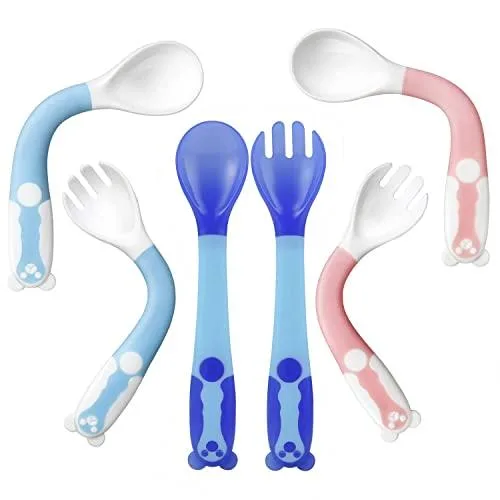
PandaEar offers a range of high-quality feeding accessories that can simplify your baby's mealtime. For parents who prefer silicone bibs, the https://terracradle.shop/products/feeding-set-120851https://terracradle.shop/products/feeding-set-120896https://terracradle.shop/products/feeding-set-120898https://terracradle.shop/products/feeding-set-120899Feeding Set is an excellent all-in-one solution. It includes a silicone bib with a deep front pocket to catch food, along with matching utensils. This set is designed for easy cleaning and long-lasting use, making it a favorite among busy parents.
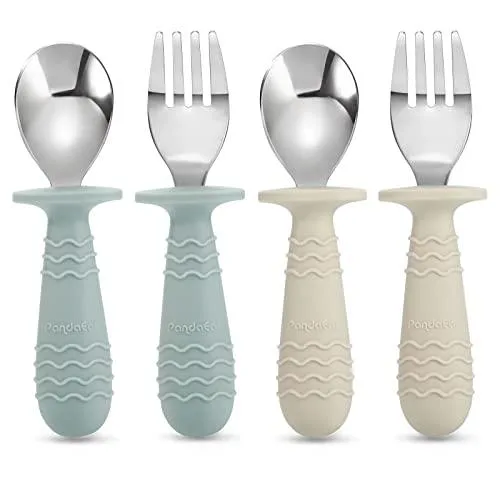
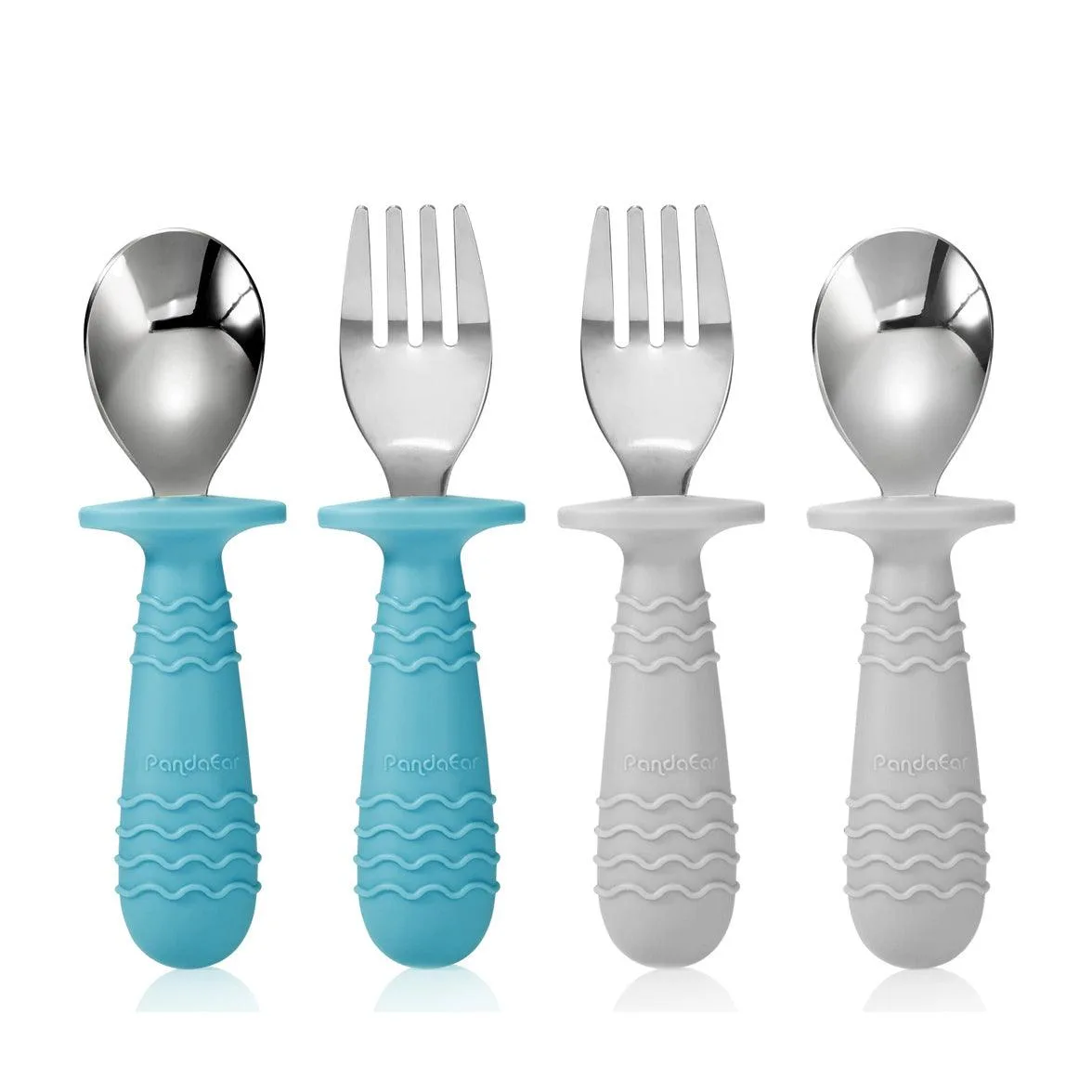
If you're looking for a more traditional approach, PandaEar also carries cloth bibs and other feeding essentials. However, for maximum convenience and durability, the silicone-based options are hard to beat. Pair your bib with the Stainless Steel Utensils (4 pack) for a complete feeding system that will grow with your child.
Choosing between silicone bibs and cloth bibs ultimately comes down to your priorities. If you value easy cleanup, durability, and a bib that can handle the messiest meals, silicone is the clear winner. Cloth bibs, on the other hand, offer unmatched softness and are great for lighter use. For most families, a combination of both types provides the best of both worlds. Explore PandaEar's Feeding Set to see how a high-quality silicone bib can transform your baby's mealtime routine—and make your life a little easier.