Quick answer
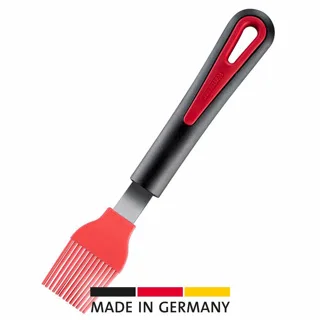
Wash your silicone brush after every use with warm water and dish soap, then let it air-dry completely before storing it. Replace it when the bristles stay greasy after washing, feel sticky, or start to shed. With basic care, a silicone brush like the Westmark Silicone Brush »Gallant« can last through many cooking sessions.
Everyday cleaning: what works and what to avoid
For routine cleaning, rinse the brush under warm running water and work a drop of dish soap into the bristles with your fingers. Rinse thoroughly and shake off excess water. Most silicone brushes are dishwasher-safe, but check the manufacturer's instructions first. If you hand-wash, pay attention to the base where the bristles meet the handle, as sauce and oil can collect there.
Avoid abrasive scrubbers or harsh chemicals that can scratch or degrade the silicone over time. A soft sponge or bottle brush is enough. For stubborn residue, soak the brush in warm soapy water for a few minutes before washing.
Drying and storing to prevent odors and damage
Silicone does not absorb water, but trapped moisture between bristles can lead to mildew or unpleasant smells. After washing, shake the brush and stand it bristle-side down in a drying rack so water can drain away. If your brush has a hanging hole, hang it to dry. Make sure it is completely dry before putting it away.
Store the brush in a drawer or utensil holder where the bristles are not crushed or bent. Avoid cramming it under heavy items. If you use a crock, place it bristle-up. Proper storage keeps the bristles straight and ready for even basting.
When to replace your silicone brush
Silicone brushes can last for years, but they do wear out. Replace your brush if the bristles become sticky or tacky even after cleaning, if they start to shed, or if there are cracks or tears where bacteria can hide. A lingering smell after washing is another sign it is time for a new one.
If you use your brush frequently with high-heat cooking or acidic sauces, inspect it more often. A backup brush is handy so you are never caught without one.
Choosing a brush that is easy to care for
When shopping for a new silicone brush, look for one with a solid, seamless design where the bristles are firmly attached to the handle. Fewer crevices mean easier cleaning. The Westmark Silicone Brush »Gallant« has a silicone head that is flexible and easy to clean, making it a practical choice for basting, glazing, and spreading. Its heat resistance means you can use it for marinades and egg washes without worrying about melting.
Diagnosis: common silicone brush problems and fixes
- Bristles feel greasy after washing: Oil or sauce has soaked into the silicone or is trapped at the base. Soak the brush in warm soapy water for 10 minutes, then wash again with a soft sponge. If grease remains after a second wash, the silicone may be breaking down. Replace the brush.
- Brush smells sour or musty: Moisture was trapped between the bristles during storage. Wash and dry thoroughly, then store bristle-down or hanging. If the smell persists after a thorough wash and dry, replace it.
- Bristles are shedding or cracking: The silicone is worn out or damaged. Small tears harbor bacteria and can leave bits in your food. Stop using it and replace it immediately.
Product facts
- Silicone brush »Gallant«: Crafted with a silicone head, this brush offers flexibility and easy cleaning, making it a reliable addition to your cooking essentials. The flexible silicone head reaches into corners and cleans up quickly, so you spend less time scrubbing and more time cooking.
- Silicone brush »Gallant«: High-quality silicone construction for durability and heat resistance. You can use it for hot marinades, glazes, and egg washes without worrying about the bristles melting or warping.