Quick answer
Silicone lube is not automatically unsafe for silicone toys, but compatibility depends on the specific toy and lube formulas. The safest approach is to patch-test on a small, hidden area of the toy first, or use a hybrid formula if you want an easier cleanup without committing to pure silicone. Never assume all silicone products behave the same.
Why the 'Silicone on Silicone' Warning Exists
The warning comes from a real chemical principle: like dissolves like. Some silicone-based lubes can interact with certain silicone toy materials, especially lower-quality or heavily plasticized silicones. This doesn't mean every silicone lube will damage every silicone toy, but it does mean you can't treat all combinations as safe by default. The risk is highest with pure silicone lube on soft, porous, or inexpensive silicone toys. If your toy is made from a high-grade, platinum-cure silicone, it's generally more resistant, but you still shouldn't skip a patch test.
How to Patch-Test Any Toy and Lube Combo
Before you use a new silicone lube on a favorite toy, do a simple patch test. Apply a small amount of lube to the base or a less visible area of the toy, let it sit for 15–30 minutes, then wipe it off and check for any tackiness, swelling, or changes in texture. If the surface looks and feels the same, you're likely safe to proceed. If you notice any stickiness or dulling, don't use that lube with that toy. This test takes almost no time and can save you from ruining a toy you love.
When a Hybrid Lube Makes More Sense
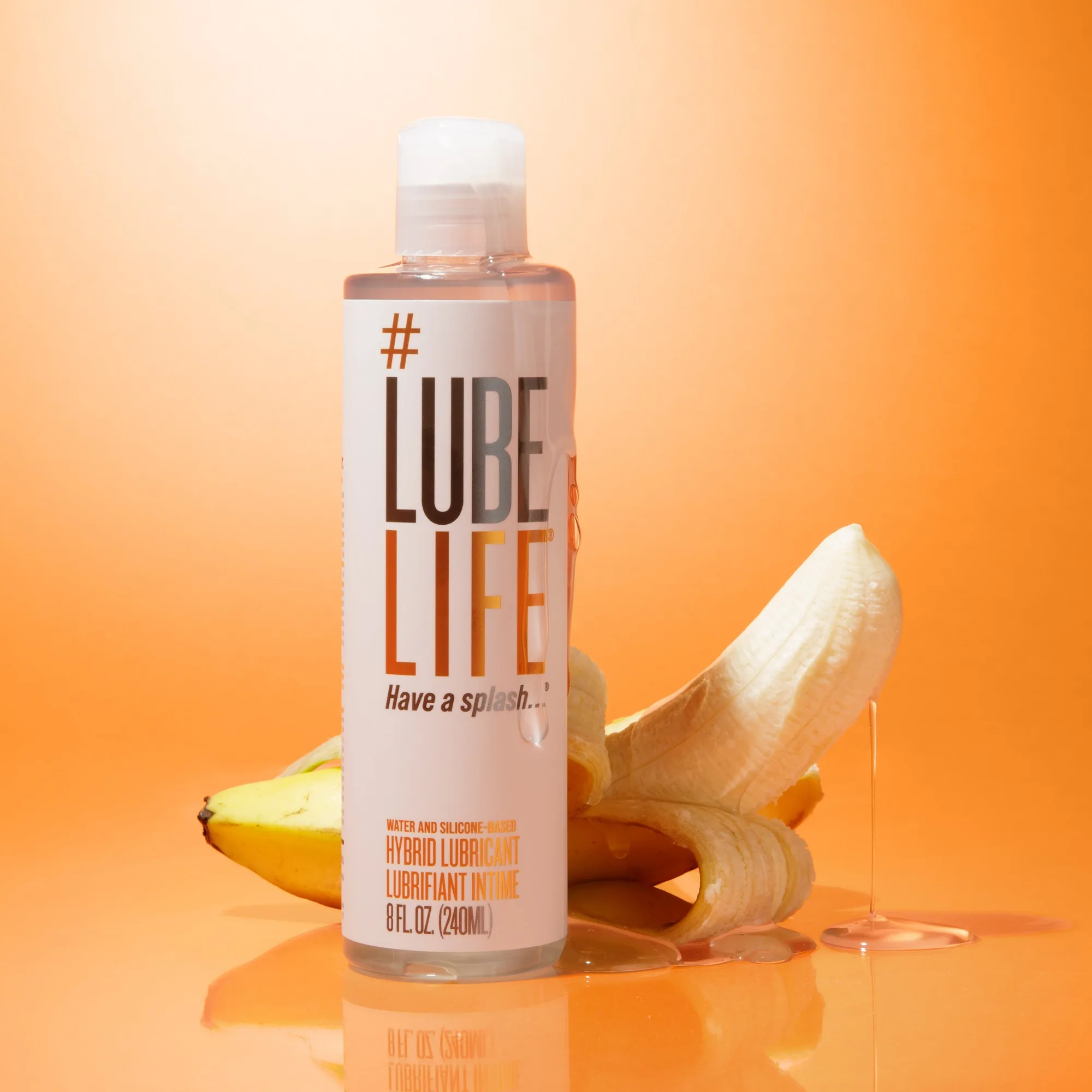
If you want the long-lasting glide of silicone with easier cleanup, a water- and silicone-based hybrid lubricant is a smart middle ground. It rinses away more readily than pure silicone while still providing a smooth, water-resistant feel. For toys that are sensitive to pure silicone, hybrid formulas are often a safer bet because the silicone concentration is lower. Just remember that hybrid lubes may still contain silicone, so the same patch-test rule applies.
What to Look For in a Toy Safe Lubricant
A toy safe lubricant should be free from ingredients that degrade common toy materials, like silicone, TPE, or rubber. Pure silicone lubes are generally safe for glass, metal, and high-quality silicone toys, but they can be problematic for some soft toys. Water-based lubes are the most universally compatible, though they dry out faster. If you're set on silicone, choose a reputable brand and always test first. Also check the toy manufacturer's guidance—some explicitly say silicone lube is fine, others warn against it.
Myths vs. Facts: Silicone Lube and Toy Safety
- Myth: Silicone lube always destroys silicone toys.: Not always. Compatibility depends on the specific toy material and lube formula. High-grade silicone toys are more resistant, but lower-quality or soft silicone can react. Verdict: Patch-test first—never assume.
- Myth: You can't use any silicone lube with silicone toys.: Many people safely use silicone lube with silicone toys after testing. The key is to check for tackiness or swelling on a small area before full use. Verdict: Test, then decide.
- Myth: Hybrid lubes are always toy safe.: Hybrid lubes contain silicone, so they can still interact with sensitive toys. They're often gentler than pure silicone, but not universally safe. Verdict: Treat hybrids like silicone—test first.
- Myth: Water-based lube is the only toy safe option.: Water-based is the most compatible, but high-quality silicone and hybrid lubes can be safe for many toys. It's about matching the lube to the toy material. Verdict: Know your toy, then choose.
Product facts to know
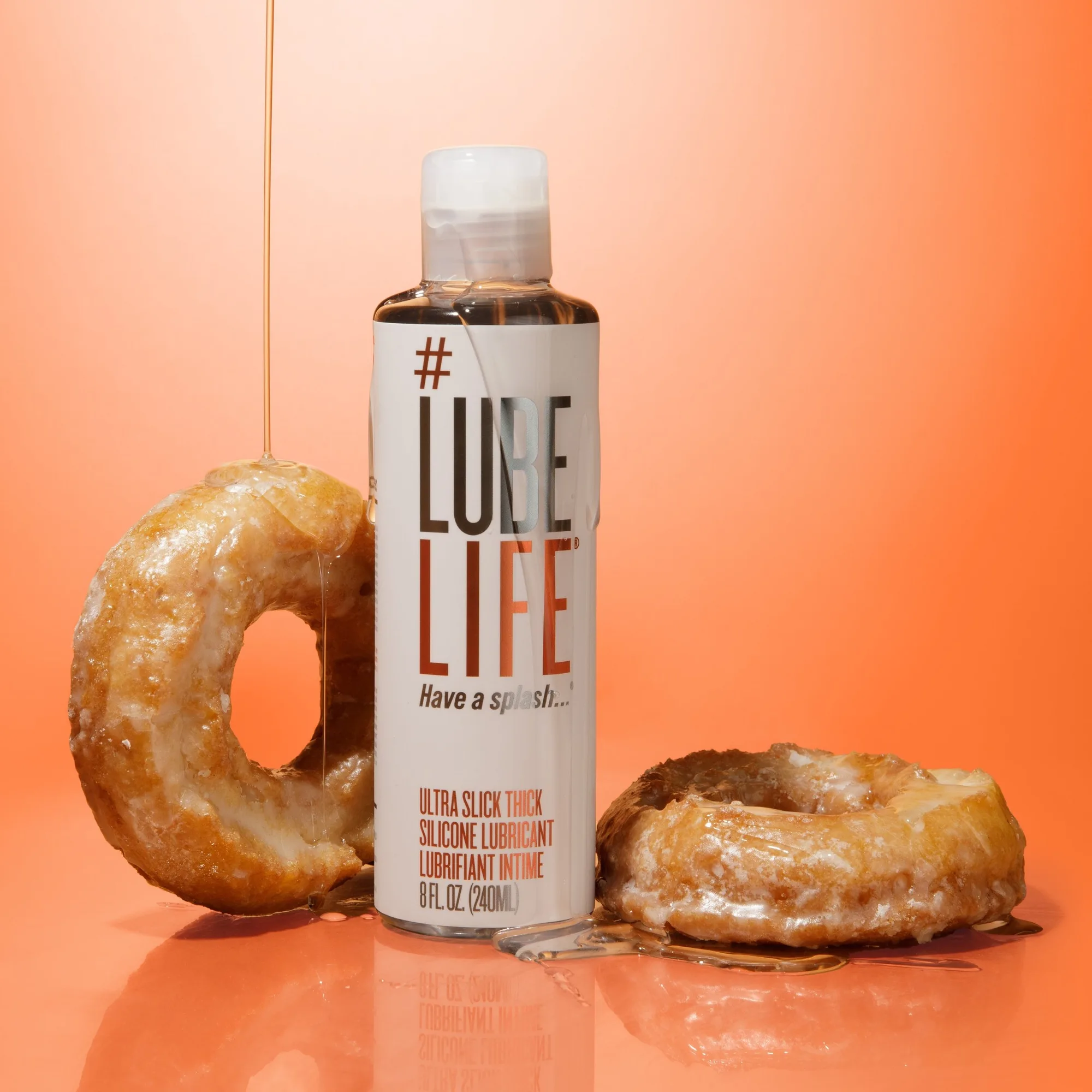
- Ultra Slick Thick Silicone Lubricant: Ultra Slick Thick Silicone Lubricant is a high-stamina formula that delivers a dense, velvety glide and is waterproof and long-lasting. If you want a thick cushion that stays put in the shower or during long sessions, this is a strong pick—just patch-test it on silicone toys first.
- Water- and Silicone-Based Hybrid Lubricant: Water- and Silicone-Based Hybrid Lubricant combines long-lasting glide with easy cleanup that rinses away. A practical compromise if you want silicone-like performance but worry about toy compatibility or prefer simpler cleanup.