Quick Answer
Pick silicone nail molds if you want repeatable, symmetrical 3D shapes with a short learning curve and minimal tooling. Choose hand-sculpted 3D art if you need one-of-a-kind, fully custom shapes and are comfortable building structure freehand. Many nail artists keep both: molds for fast production sets and hand sculpting for statement pieces.
Silicone nail molds and hand-sculpted 3D art both create raised dimension, but they solve different problems. Molds give you a repeatable shape you can fill and apply; hand sculpting gives you total control over every curve. The right pick depends on how much time you have, how consistent you need the result to be, and how much freehand control you already have.
This comparison breaks down the trade-offs using real tools from La Catrina Nails. TX, including a 2-piece silicone mold set with a carving pen, a thermal cat eye gel duo, and a rhinestone LED lamp. You will see where each method wins, where it costs you, and how to decide for your next set.
How Each Method Actually Works
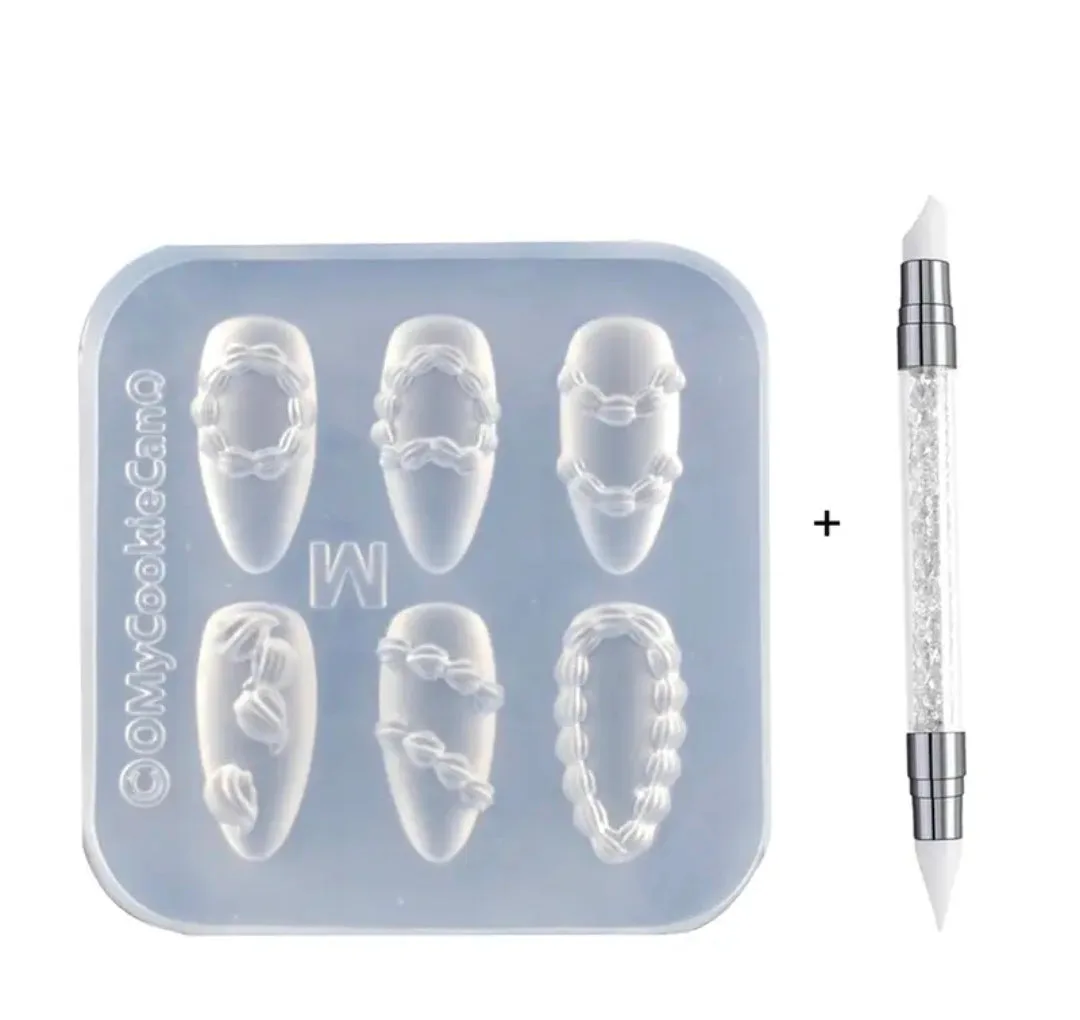
Silicone nail molds work by filling a pre-shaped cavity with gel, acrylic, or sculpting medium, then curing or setting the material before removing it. The mold defines the outer shape, so symmetry and thickness are largely built in. A carving pen lets you refine edges, add texture, or clean up the piece after demolding. The 2pcs Silicone Nail Molds set from La Catrina Nails is designed specifically for 3D cake cream-style nail art and includes a carving pen for this kind of cleanup.
Hand-sculpted 3D art starts with a bead or ribbon of product placed directly on the nail or a form. You shape it with a brush, dotting tool, or silicone tool while it is still workable. There is no cavity to guide you, so the final form depends entirely on your hand pressure, timing, and product control. The payoff is that no two pieces look identical, and you can build shapes that no mold offers.
- Molds reward preparation and consistent fill amounts.
- Hand sculpting rewards practice with product consistency and brush control.
Speed, Consistency, and Skill: The Real Trade-Offs
Molds are faster for repeat shapes. Once you dial in the fill amount and cure time, you can produce matching pieces for a full set without re-measuring each one. That consistency matters for clients who want symmetrical flowers, bows, or cream-style swirls across ten nails. The trade-off is that your shape options are limited to the cavities you own, and overfilling or underfilling still causes cleanup work.
Hand sculpting is slower per piece but unlimited in shape. You can adjust a petal mid-cure, taper a leaf, or build a shape that follows the nail's curve exactly. The trade-off is a steeper learning curve and more wasted product while you practice. If you are still building basic control, molds let you finish wearable 3D designs sooner while you develop freehand skills on the side.
- Use molds when you need ten matching pieces; hand sculpt when you need one custom focal piece.
- Keep a practice tip or swatch nearby to test product consistency before sculpting on the nail.
Tools, Products, and Setup Differences
Mold work needs fewer precision tools. A silicone mold set, a carving pen, and a reliable curing lamp cover most of the process. The AB Rhinestone Lamp with a Rhinestone Nail Dust Brush offers 48W, 45 LED beads, and 15, 30, 60, and 90 second settings, which helps when you are curing molded pieces in stages. It is not rechargeable, so keep it plugged in during longer sessions.
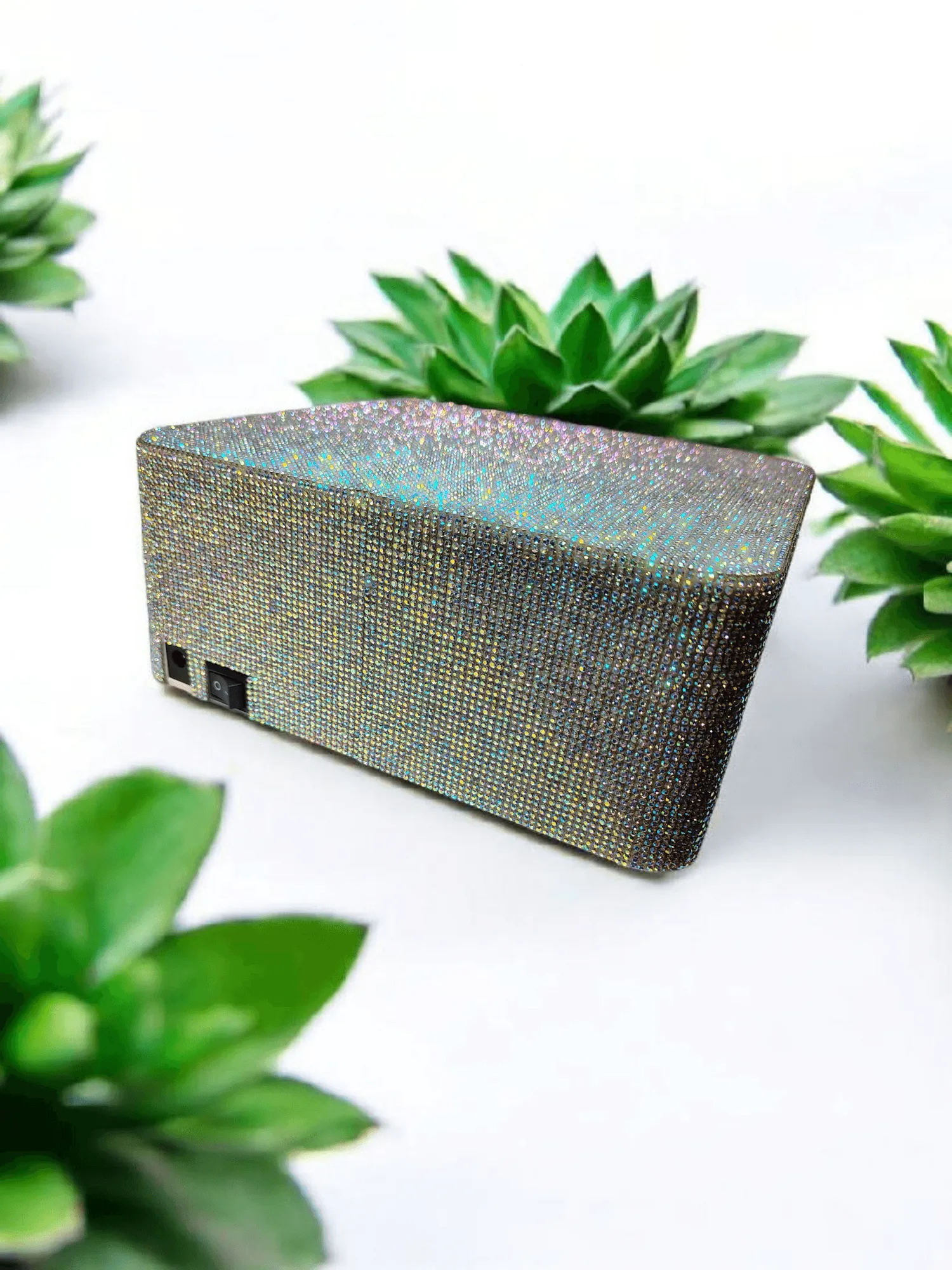
AB Rhinestone Lamp with a Rhinestone Nail Dust Brush
Hand sculpting leans more on product behavior than on molds. You need a gel or acrylic that holds a bead without sagging, plus brushes and tools you can clean quickly. Thermal cat eye gels like the Hot Girl Summer Chapter III duo shift with temperature and use magnetic shimmer, which adds depth but also means you need a magnet and a steady hand to place the effect before curing. That is a different skill set from filling a mold.
- For mold work, test your lamp's 30 or 60 second setting on a scrap piece first.
- For hand sculpting, keep a magnet and a clean brush within reach before you start.
Cost, Waste, and Long-Term Value
Molds have a low entry cost and produce little waste once you learn the correct fill amount. The 2pcs Silicone Nail Molds set is priced at USD 6.50 against a catalog comparison price of USD 12.99, which makes it a low-risk way to test whether molded 3D art suits your workflow. Silicone molds also last through repeated use if you clean and store them properly.
Hand sculpting has a higher practice cost because you will discard failed beads and redo shapes while learning. The upside is that your only ongoing expense is product and time, and your skill carries over to any shape. Neither method is cheaper in every case: molds win on repeat production, hand sculpting wins when you need a shape no mold can give you.
- Track how many pieces you discard per set to see which method wastes more for your workflow.
- Store silicone molds flat and clean to protect the cavities.
Trade-Offs at a Glance
- Speed vs. shape freedom: Molds produce matching pieces faster, but only in the shapes your cavities offer. Hand sculpting is slower per piece but can build any shape. Choose molds for full sets; choose hand sculpting for a single custom focal nail.
- Consistency vs. uniqueness: Molds give you repeatable symmetry across ten nails. Hand sculpting gives you one-of-a-kind pieces with natural variation. If a client wants identical flowers on every nail, molds are the safer route.
- Learning curve vs. product control: Molds have a shorter learning curve because the cavity defines the shape. Hand sculpting demands practice with bead consistency and timing. Start with molds while you build freehand control on practice tips.
- Tool cost vs. product waste: Molds need a small upfront tool set and produce little waste once you learn fill amounts. Hand sculpting needs fewer molds but wastes more product while you practice. Track discarded pieces per set to see which method costs you more over time.
Product Facts That Affect Your Choice
- 2pcs Silicone Nail Molds | 3D Cake Cream Nail Art Mold with Carving Pen: Includes 2 silicone nail molds and comes with a carving pen, intended for 3D cake cream nail art. The included carving pen means you can refine edges and texture without buying a separate tool, which lowers the startup cost of trying molded 3D art.
- AB Rhinestone Lamp with a Rhinestone Nail Dust Brush: 48W LED lamp with 45 LED beads, 15/30/60/90 second settings, a mirrored magnet detachable base, and a rhinestone nail dust brush included; not rechargeable and must stay plugged in. Multiple timer settings help you cure molded pieces in controlled stages, but the corded design means you need a power source at your work station.
- Hot Girl Summer Chapter III~Bad Decisions ~HEMA-Free and TPO Free Gel polish: Thermal cat eye gel polish duo that shifts with temperature and uses magnetic shimmer for depth; HEMA-free and TPO-free. This is a hand-sculpting-friendly product because it rewards magnet placement and product control, not mold filling.
Which Method Should You Choose?
Best for
- Nail artists who need matching 3D pieces across a full set quickly
- Beginners who want wearable 3D cake cream designs with a short learning curve
- Anyone producing repeat shapes like flowers, bows, or cream swirls for clients
Not for
- Artists who need a shape no mold cavity offers
- Nail techs who want fully custom, one-of-a-kind sculptural pieces
- Anyone unwilling to test fill amounts and cure times before applying to a client
Molds and hand sculpting are not competing for the same job. Use silicone molds when you need speed, symmetry, and a low entry cost, and use hand sculpting when the shape has to be yours alone. Most artists get the best results by keeping both options ready and choosing per set, not per career.