Quick answer
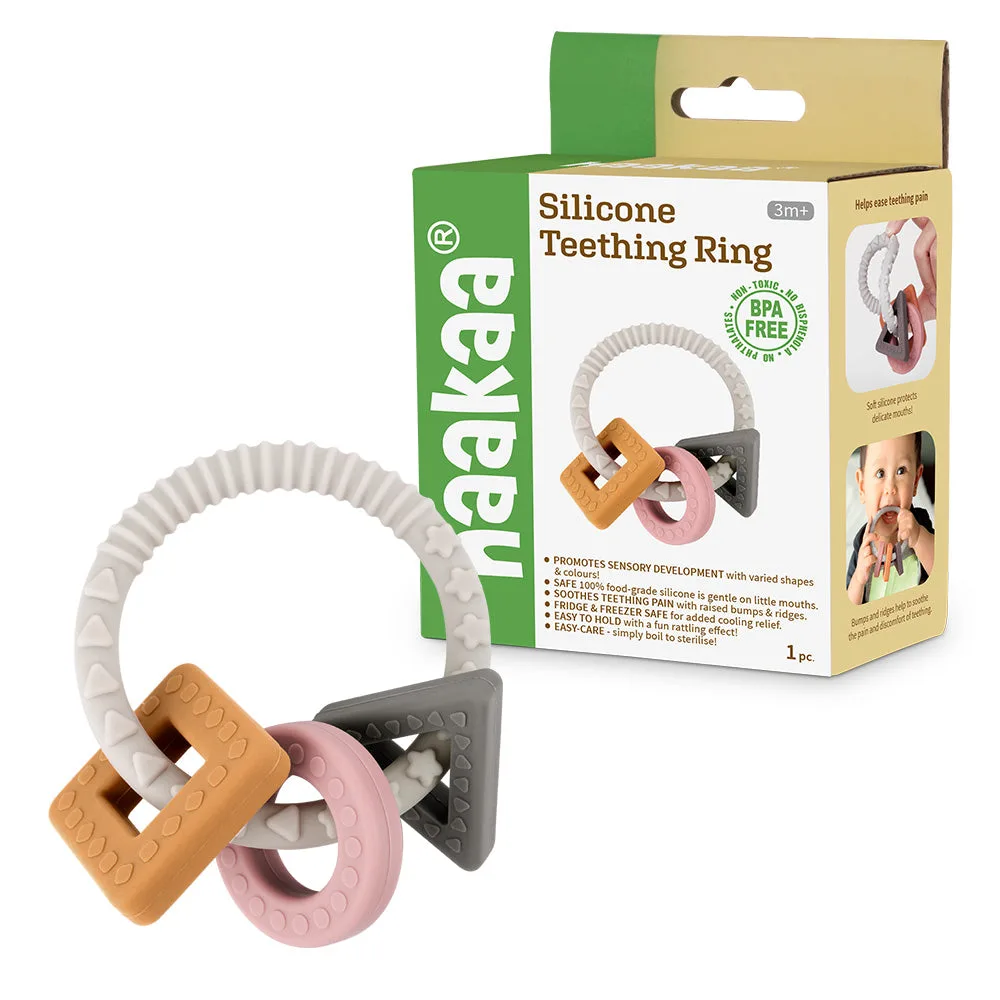
A food-grade silicone teething ring is the more practical first teether for most babies because it is flexible, can be chilled for cooling relief, and is easy to clean. A wooden teether is a solid choice if you prefer a firm, natural material and your baby is past the early gnawing stage. The Haakaa Silicone Teething Ring fits babies 3 months and up and is BPA-free, which makes it a strong starting point.
Material and safety at a glance
The Haakaa Silicone Teething Ring is made from food-grade silicone and is BPA-free, so it is designed for mouthing without the concerns that come with some plastics. Its soft silicone teething parts are thin enough to fit in a baby's mouth while still providing relief. A wooden teether, by contrast, is typically a firm, hard material with no give. That firmness can feel good on swollen gums, but it offers no flex and no cooling option. If your baby is just starting to teethe and is still figuring out how to hold and aim a teether, the softer silicone is usually easier to manage.
Cleaning, cooling, and everyday use
Silicone teething rings can be washed with warm soapy water, and the Haakaa ring can go in the freezer for added cooling relief. That cooling matters most during the early teething months when gums are tender and inflamed. Wooden teethers should not be frozen, and prolonged moisture can damage the wood, so they need to be wiped clean and dried thoroughly. If your baby drops the teether often or you want something you can chill before a nap, silicone is the lower-maintenance choice. If you prefer a material that stays at room temperature and does not need chilling, wood is simpler in that one respect.
Cost and lifespan
The Haakaa Silicone Teething Ring is priced at USD 10.07, with a catalog comparison price of USD 13.99. Wooden teethers vary widely, but a basic one often costs less than a silicone ring, while a well-finished wooden teether can cost more. Silicone can be sterilized and reused, and it does not splinter or crack the way wood can if it is chewed aggressively or left wet. Wood can last a long time if it is cared for, but it may need occasional sanding or oiling depending on the finish, and any cracked or splintered wood should be replaced. For a single teether that covers the early months and can be chilled, silicone usually gives more use per dollar.
Trade-offs to weigh
- Silicone teething ring: Soft, flexible, and freezable for cooling relief; easy to wash and BPA-free. It may not satisfy a baby who prefers a very firm chew. Best for babies 3 months and up who are just starting to teethe.
- Wooden teether: Firm, natural material that some babies prefer for hard chewing. It cannot be frozen, needs careful drying, and can crack or splinter if mistreated. Best for older babies who chew hard and for parents who prefer a plastic-free material.
- Cleaning and care: Silicone can be washed and chilled; wood should be wiped and kept dry. Neither should be left in standing water. Pick silicone if you want the lowest-maintenance option.
Product facts
- 100% Food Grade Silicone Sensory Development Teething Ring: Suitable for babies 3 months and up; BPA-free food-grade silicone; can be frozen for cooling relief. It is ready for the early teething stage, safe for mouthing, and gives you a cooling option that wooden teethers cannot match.
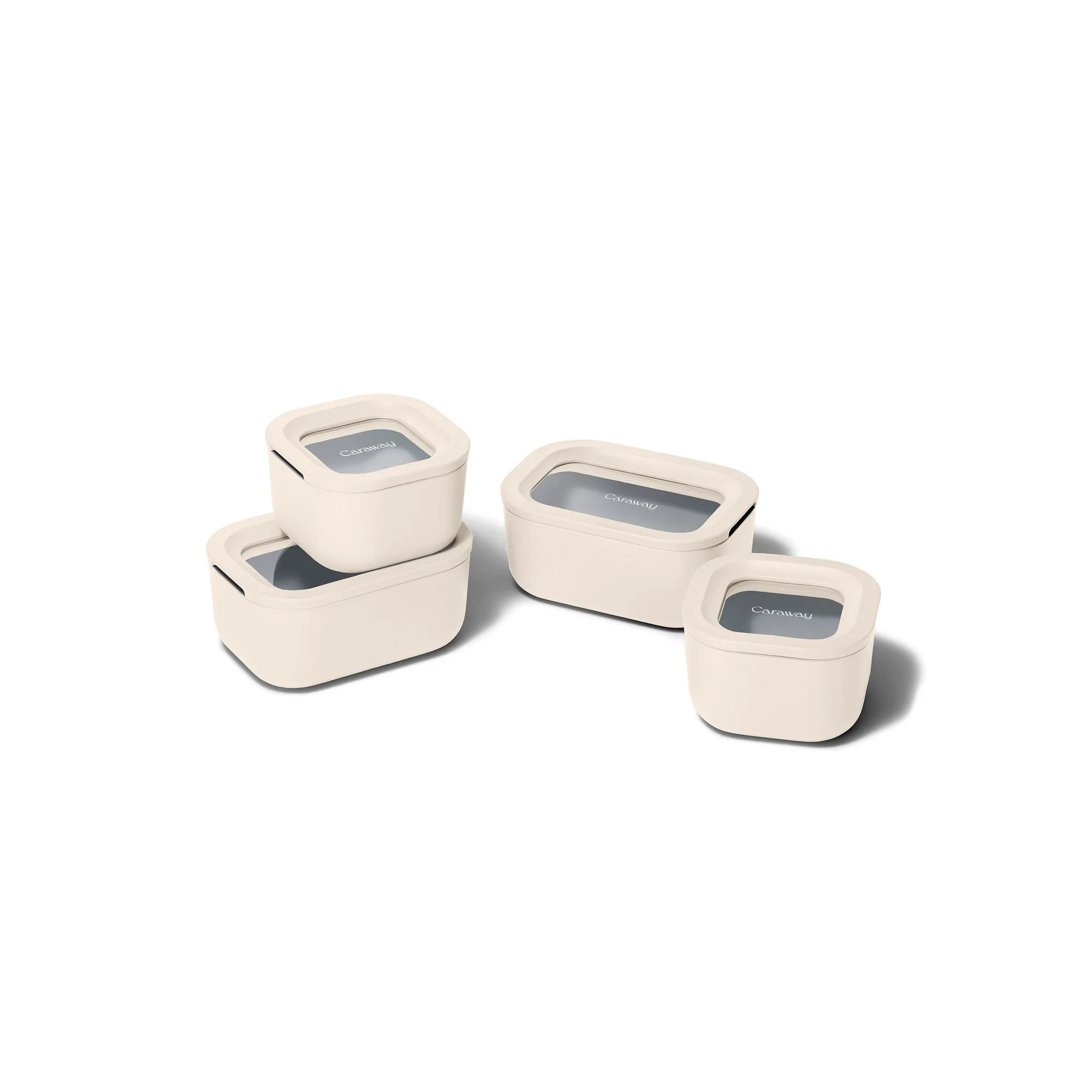
- Mini Food Storage Set with Organizer: Caraway 9-piece Mini Food Storage Set made from non-toxic, ceramic-coated glass; fridge, freezer, microwave, and oven-safe up to 450°F; Air Release Technology locks in freshness. Once your baby starts solids, this set helps you store portioned meals and snacks without plastic, which pairs well with a non-toxic teething routine.
Which should you choose?
Choose a silicone teething ring if
- Your baby is around 3 months old and just starting to teethe.
- You want a teether you can chill for cooling relief.
- You prefer a soft, flexible material that is easy to clean.
Choose a wooden teether if
- Your baby prefers a very firm chew and is past the early gnawing stage.
- You want a plastic-free, natural material and do not need cooling relief.
- You are prepared to hand-wash and dry it thoroughly after every use.