Choosing the right sippy cup for your toddler can feel overwhelming with so many options on the market. Two of the most popular materials are silicone and plastic, each offering distinct benefits and drawbacks. Whether you're a new parent or looking to upgrade your child's drinking gear, understanding the differences will help you make an informed decision that supports your child's development and your daily routine.
This comprehensive guide compares silicone and plastic sippy cups across key factors like safety, durability, ease of cleaning, and cost. We'll also highlight some complementary products from Shop Kids Clothes & toys that can make mealtime and playtime easier.
Safety and Materials
Silicone sippy cups are made from food-grade, BPA-free silicone, a non-toxic material that doesn't leach chemicals even when exposed to heat or sunlight. Silicone is also naturally resistant to bacteria and mold, making it a hygienic choice for toddlers who tend to drop their cups frequently. Plastic sippy cups, on the other hand, are typically made from polypropylene or other hard plastics. While many are now BPA-free, some lower-quality plastics may contain harmful additives like phthalates or BPS, which can be a concern for health-conscious parents.
When choosing between the two, look for cups labeled 'BPA-free' and 'food-grade' regardless of material. Silicone has an edge in safety because it is inert and does not degrade over time, whereas plastic can scratch and harbor bacteria. For parents who prioritize non-toxic materials, silicone is often the preferred choice.
- Always check for BPA-free and food-grade certifications on both silicone and plastic cups.
Durability and Longevity
Silicone sippy cups are incredibly flexible and resistant to cracking, even when dropped from a high chair or tossed across the room. They can withstand high temperatures and are dishwasher-safe, making them easy to sanitize. However, silicone can attract lint and dust, and over time, it may develop a slight stickiness if not cleaned properly. Plastic cups are more rigid and can crack or break if dropped repeatedly, especially those made from thinner materials. High-quality plastic cups are more durable but still prone to scratches that can trap bacteria.
For active toddlers who love throwing their cups, silicone offers superior durability and longevity. Plastic cups may need to be replaced more often, which can add to long-term costs. Consider your child's habits and how often you're willing to replace cups when deciding.
- Silicone cups are virtually unbreakable, while plastic cups may crack after repeated drops.
Ease of Cleaning
Cleaning sippy cups is a daily task for parents, and the material matters. Silicone cups are non-porous and can be washed in the dishwasher or boiled for sterilization without damage. Their smooth surface resists stains and odors, though some silicone cups have crevices that can trap milk residue. Plastic cups are also dishwasher-safe but can become cloudy or scratched over time, which may harbor bacteria. Many plastic cups have more complex valve systems that require disassembly for thorough cleaning.
For parents who prefer low-maintenance cleaning, silicone cups are generally easier to keep hygienic. Some silicone cups are even designed with fewer parts, reducing the risk of mold growth. If you choose plastic, look for models with simple designs and removable silicone spouts for easier cleaning.
- To prevent mold, always disassemble all parts of a sippy cup before washing, regardless of material.
Cost and Value
Silicone sippy cups tend to be more expensive upfront, often costing two to three times more than plastic cups. However, their durability means they last longer, potentially saving money over time. Plastic cups are cheaper initially but may need frequent replacement due to wear and tear. For families on a tight budget, plastic cups can be a practical short-term solution, but investing in silicone cups can be more economical in the long run.
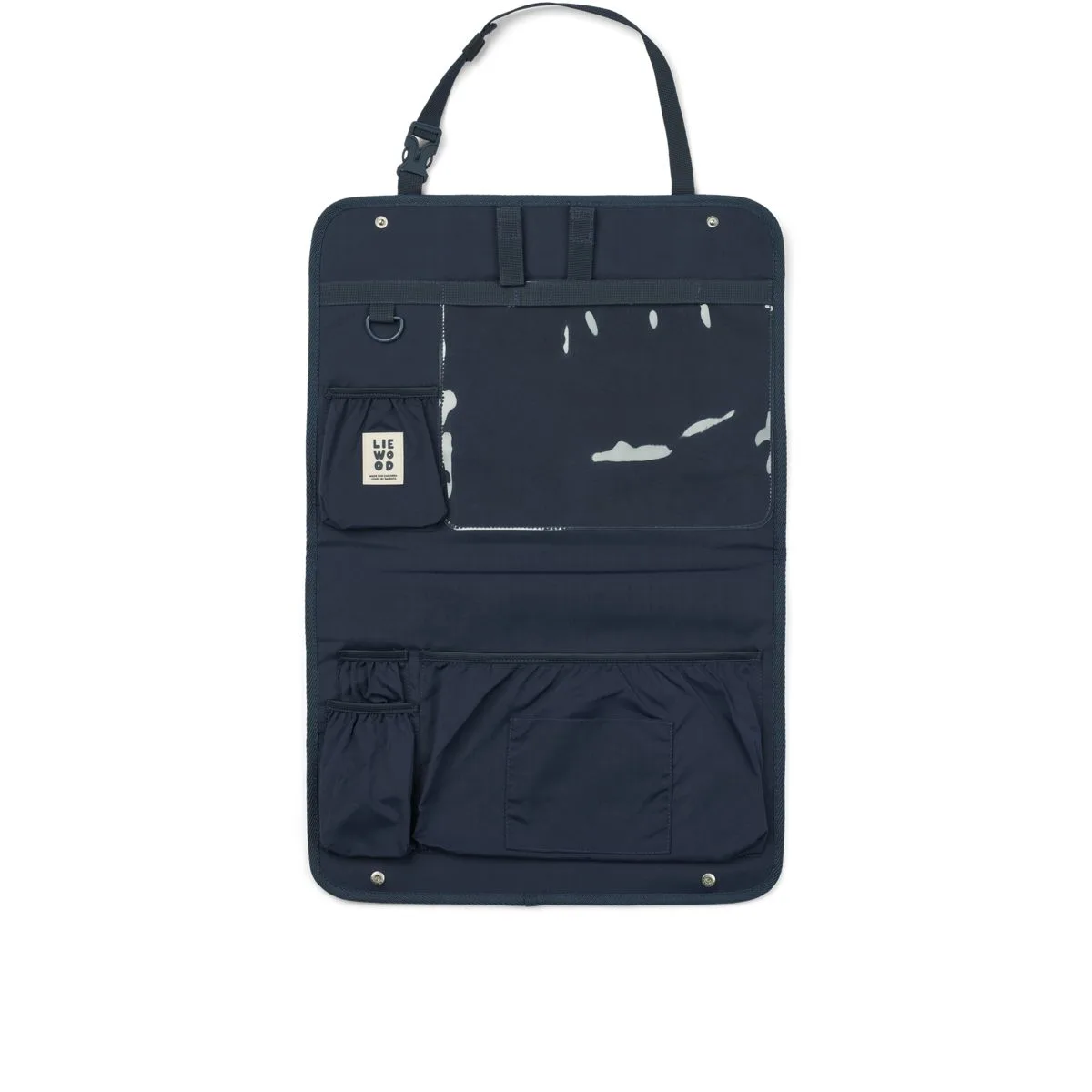
If you're looking for versatile accessories that complement your child's sippy cup, consider a practical travel organiser like the Thao Travel Organiser - Classic navy. It keeps cups, snacks, and small toys neatly stored during outings. For outdoor play, the Beck Sand Truck - Peppermint multi mix is a fun sand toy that pairs well with a spill-proof sippy cup for beach days.
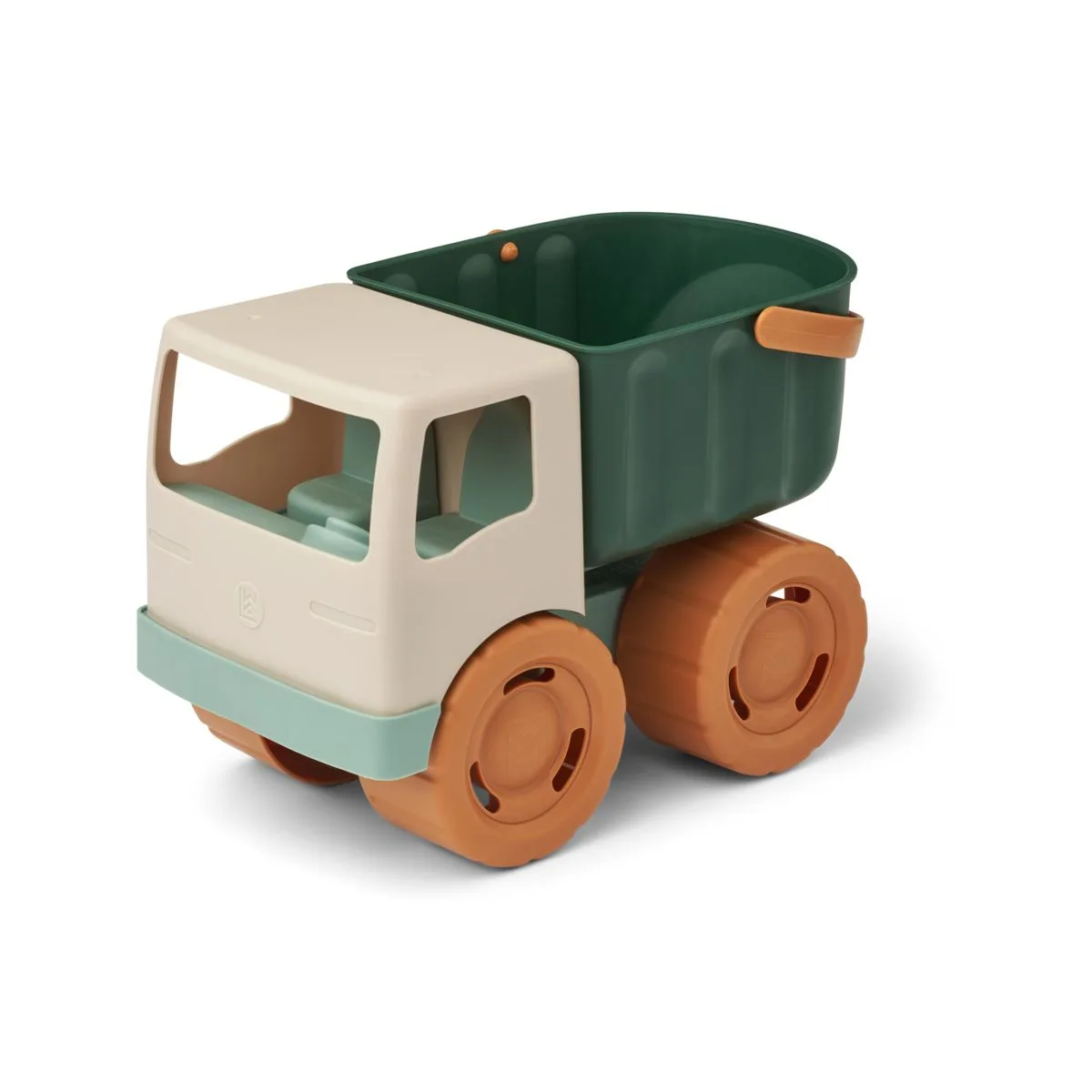
Beck Sand Truck - Peppermint multi mix
- Silicone cups are a one-time investment, while plastic cups may need replacement every few months.
Environmental Impact
Silicone is a synthetic rubber that is more environmentally friendly than plastic because it does not break down into microplastics and can be recycled at specialized facilities. However, silicone is not biodegradable and requires industrial recycling. Plastic cups contribute to plastic waste, especially if they are not recycled properly. Many plastic cups are made from recyclable materials, but the recycling rate for small items is low.
For eco-conscious parents, silicone cups are the greener choice. They last longer and reduce the frequency of replacements, which lowers overall waste. If you do choose plastic, opt for cups made from recycled materials or those that are fully recyclable at end of life.
- Check with your local recycling center to see if they accept silicone or plastic sippy cups.
Which One Should You Choose?
The best sippy cup for your child depends on your priorities. If safety, durability, and ease of cleaning are top concerns, silicone is the clear winner. It is non-toxic, virtually unbreakable, and easy to sanitize. For parents on a budget or those who prefer a rigid cup with a familiar feel, high-quality plastic cups can still be a good option, especially if they are BPA-free and have simple designs.
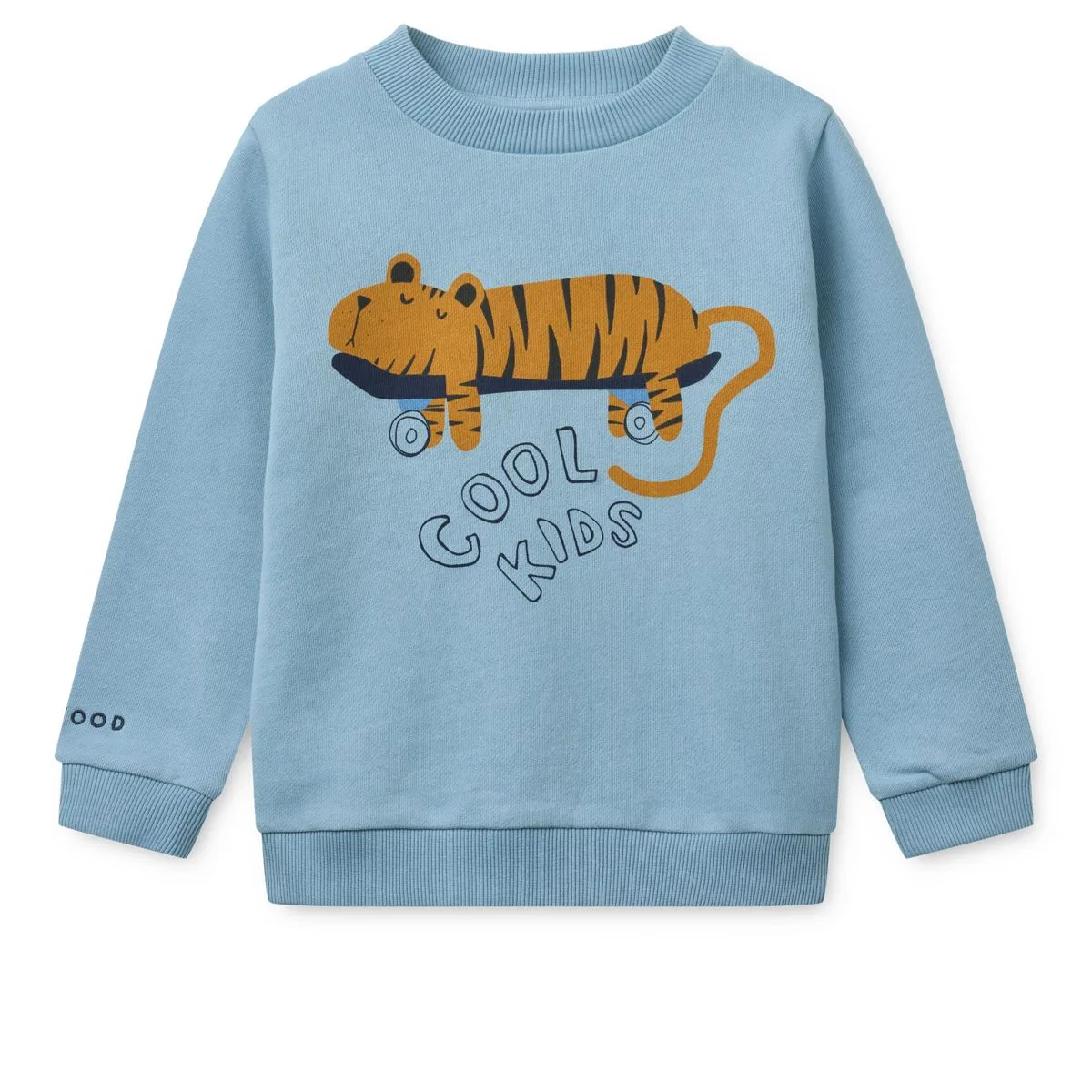
No matter which material you choose, ensure the cup has a spill-proof valve and is age-appropriate for your toddler. Pairing a reliable sippy cup with other essential toddler gear can make mealtimes smoother. For example, a soft bib like the Cape Bib can catch spills, and a stylish Thora Sweatshirt - Tiger / Beach blue keeps your child comfortable while learning to drink independently.
- Test both materials if possible—some toddlers prefer the soft feel of silicone, while others like the firmness of plastic.
Ultimately, both silicone and plastic sippy cups have their place in a toddler's daily routine. Silicone offers superior safety and durability, while plastic provides affordability and familiarity. By considering your child's age, habits, and your own lifestyle, you can select the cup that best supports their transition from bottle to open cup. For a complete mealtime solution, explore our range of toddler accessories and clothing to make every sip and snack a happy moment.