Quick answer
For most babies starting self-feeding, silicone utensils are safer because they are soft, non-toxic, and gentle on gums. Stainless steel offers superior durability and longevity, but it's harder and may not suit very young toddlers. Choose silicone for beginners and stainless steel for older kids who need more robust cutlery.
When your baby starts self-feeding, choosing the right utensils is crucial for safety and ease. Two popular materials are silicone and stainless steel. Each has distinct advantages and trade-offs. This comparison helps you decide based on your child's age, development, and your priorities.
We'll examine safety, durability, and practical aspects, referencing specific PandaEar products to illustrate what to look for. Remember, the best choice depends on your baby's stage and your family's needs.
Safety: Non-toxic materials and gum protection
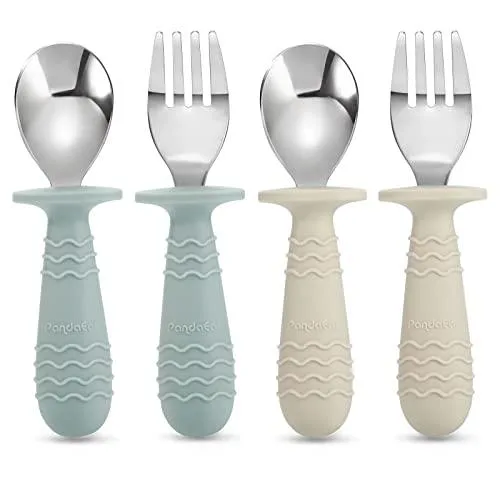
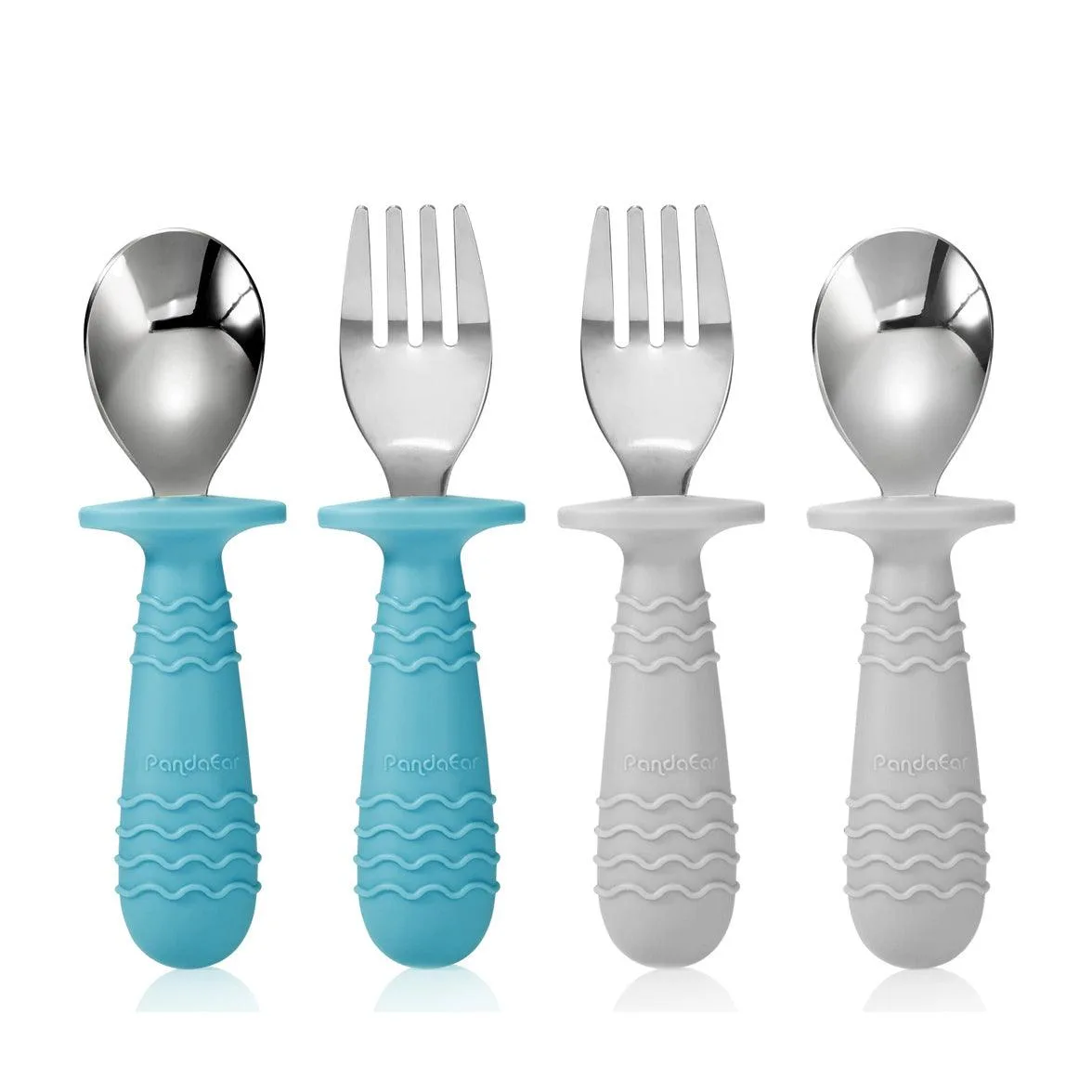
Silicone utensils are prized for being soft and flexible, making them gentle on tender gums and emerging teeth. They are typically free from BPA, PVC, lead, and phthalates, as seen in PandaEar's silicone feeding sets. This non-toxic nature gives parents peace of mind during mealtime.
Stainless steel is also safe if it's food-grade and free from harmful coatings, but it is hard and can be uncomfortable for babies learning to chew. Young toddlers might accidentally poke their gums or teeth. However, stainless steel is non-toxic and doesn't leach chemicals, making it a safe long-term option for older children.
- Always check for BPA-free and food-grade labels on both materials.
- For babies under 18 months, silicone is generally safer due to its softness.
Durability: Longevity vs. wear and tear
Stainless steel is virtually indestructible, resisting bending, breaking, and staining. It can last through multiple children, making it a cost-effective choice in the long run. However, it can scratch and dent if dropped on hard surfaces.
Silicone is durable in its own way—it's flexible, doesn't rust, and withstands high temperatures. But it can tear or get cut by sharp objects, and some babies may chew through it. Silicone utensils may need replacement sooner than stainless steel, especially if your child is a heavy biter.
- Consider your child's chewing habits when choosing material durability.
- Silicone is gentle on surfaces and won't scratch dishes, while stainless steel can.
Self-feeding ease: Grip, weight, and food pickup
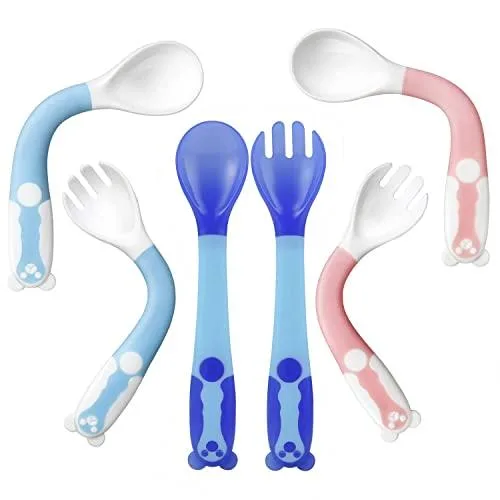
Silicone utensils are lightweight and have soft, non-slip handles that are easy for small hands to grasp. They are designed to be comfortable and encourage independence. The flexible heads make scooping food simple, and they are gentle on bowls and plates.
Stainless steel utensils are heavier, which can be challenging for a baby just learning to hold a spoon. However, the weight provides stability for older toddlers. Stainless steel forks and spoons have smoother surfaces that may pick up food differently, but the hard edges can make scooping more difficult for beginners.
spoon
- Look for utensils with ergonomic handles that fit your baby's grip.
- Silicone heads are often angled to help scoop food more easily.
Trade-offs at a glance
- Silicone: Soft and gentle: Silicone utensils are soft, flexible, and safe for gums. They are non-toxic and often feature easy-grip handles. However, they may wear out faster if chewed. Best for babies under 18 months or those with sensitive gums.
- Stainless steel: Durable and long-lasting: Stainless steel is sturdy, resistant to damage, and can last for years. It's non-toxic but hard, which can be uncomfortable for beginners. Best for toddlers over 18 months who can handle harder utensils.
- Cost and value: Silicone sets often come in multi-packs at a lower upfront cost, but may need replacing. Stainless steel is a one-time investment that can serve multiple children. Consider your budget and how many children will use the utensils.
PandaEar silicone utensil options
- Spoons & Forks (6pack): This 6-pack of spoons and forks is made of food-grade silicone, free from BPA, PVC, lead, and phthalates. The soft, non-toxic material is safe for babies who are just starting to self-feed, and the multiple pieces are convenient for everyday use.
- Spoons (4pack): This 4-pack includes baby infant spoons made of high-quality, food-grade silicone, designed for self-feeding and free from toxic materials. The spoons are gentle on gums and easy for little hands to hold, making them ideal for introducing solid foods.
- https://terracradle.shop/products/feeding-set-120851https://terracradle.shop/products/feeding-set-120896Feeding Set: This feeding set includes a silicone plate, cups, spoon, and fork, all made of BPA-free silicone that is lightweight and shatter-resistant. A complete set ensures consistency in material and design, helping your baby transition smoothly to self-feeding with safe, durable items.
Which should you choose?
Best for
- Babies starting self-feeding (around 6-12 months) who need soft, gentle utensils
- Parents prioritizing non-toxic, BPA-free materials and gum safety
Not for
- Older toddlers who need more durable, heavy-duty cutlery for tougher foods
- Families looking for a one-time purchase that lasts through multiple children
Both silicone and stainless steel baby utensils have their place. Silicone is safer for beginners, while stainless steel offers durability for older kids. Assess your child's development and choose accordingly. PandaEar offers a range of silicone utensils that combine safety, comfort, and affordability, making them a great starting point for your self-feeding journey.