Quick answer
For fantasy toys, platinum cure silicone is the safest and most durable choice because it is non-porous, easy to clean, and free of phthalates. TPE and other porous materials may feel softer or cost less, but they trap bacteria and degrade over time. If you want a toy that stays hygienic and lasts, choose silicone.
Why platinum cure silicone is the gold standard
Platinum cure silicone is created through a platinum-catalyzed reaction, which produces no byproducts and results in a stable, inert material. It is non-porous, meaning it does not harbor bacteria, viruses, or fungi. It can be boiled, washed with mild soap, or cleaned with toy cleaner without degrading. It is also compatible with water-based and silicone-based lubricants, though a spot test is wise with silicone lube. Twin Tail Creations uses platinum cure silicone for its handcrafted toys, ensuring body-safe use.
What about TPE and other porous materials?
TPE (thermoplastic elastomer) is a blend of rubber and plastic that is soft, stretchy, and inexpensive. However, it is porous, so it can absorb moisture and bacteria even after washing. It also leaches oils over time and may contain phthalates or other additives. Other materials like PVC, jelly rubber, and vinyl are also porous and may contain harmful chemicals. These materials are not recommended for internal use because they cannot be fully sanitized and can cause irritation or infections.
How material affects feel, firmness, and customization
Silicone can be formulated in a range of firmness levels, from soft to firm, and can be poured in complex color patterns. TPE is generally softer and more jelly-like, but it cannot be customized in the same way. Silicone toys can be made with a smooth or textured surface, and they hold detail well. TPE toys often have a tacky feel and may require cornstarch to reduce stickiness. For fantasy toys, silicone offers better versatility for shapes and finishes.
Cleaning and lifespan: silicone vs TPE
Silicone toys can last for years with proper care. Wash with warm water and mild soap, then air dry or pat dry with a lint-free cloth. For thorough sanitization, boil for 5-10 minutes or use a 10% bleach solution (rinse well). TPE toys cannot be boiled or bleached; they should be washed with soap and water, but even then, bacteria can remain in pores. TPE toys also degrade faster, becoming sticky or cracked. If you want a long-term investment, silicone is the clear winner.
Trade-offs at a glance
- Platinum cure silicone: Non-porous, boilable, long-lasting, and customizable in firmness and color. Higher upfront cost. Best for long-term safety and hygiene.
- TPE: Soft, stretchy, and cheaper, but porous, degrades quickly, and cannot be fully sanitized. Not recommended for internal use.
- Other porous materials (PVC, jelly): Often contain phthalates, porous, and may cause irritation. Avoid for internal use. Choose silicone instead.
Material facts from Twin Tail Creations
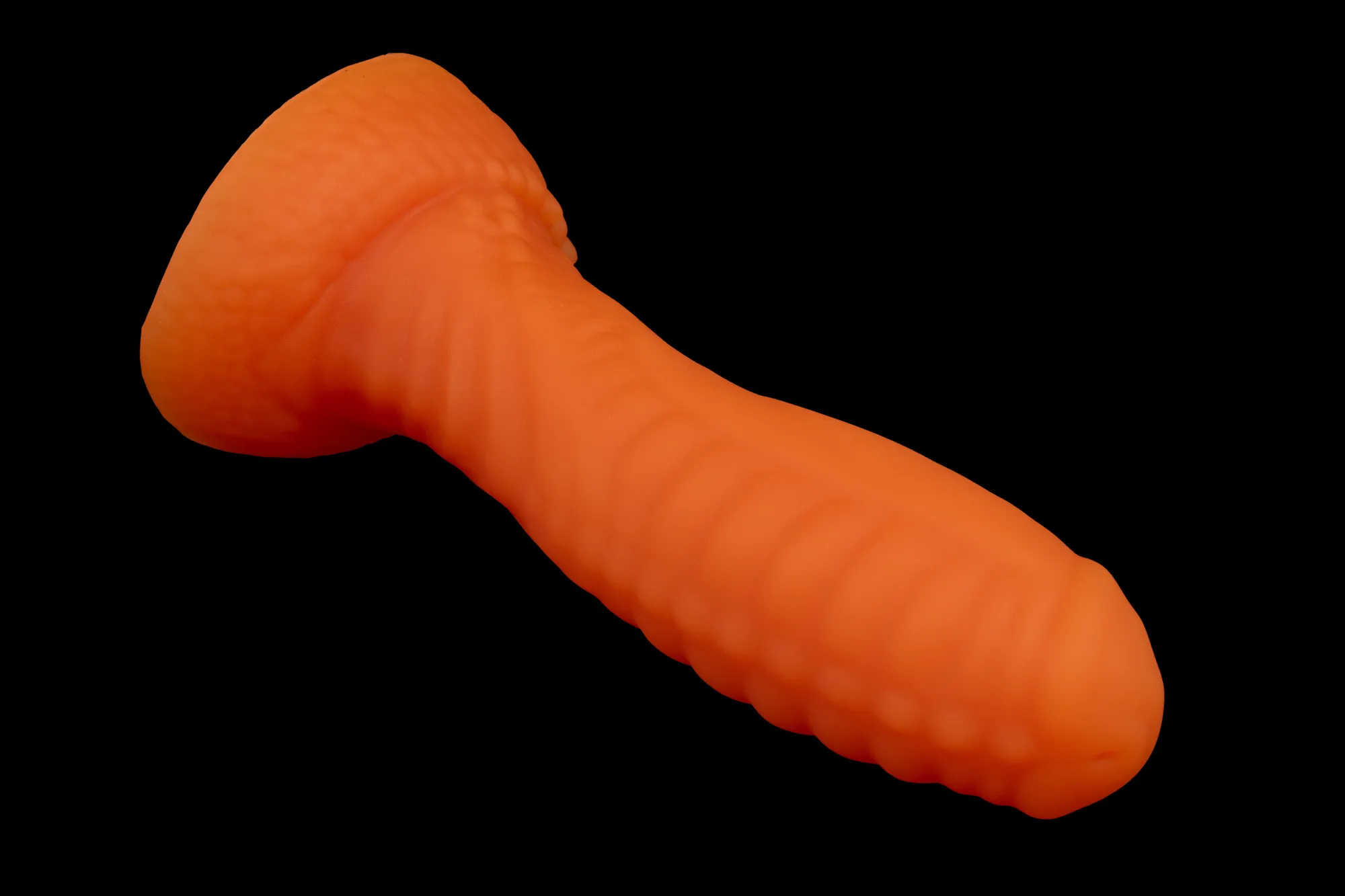
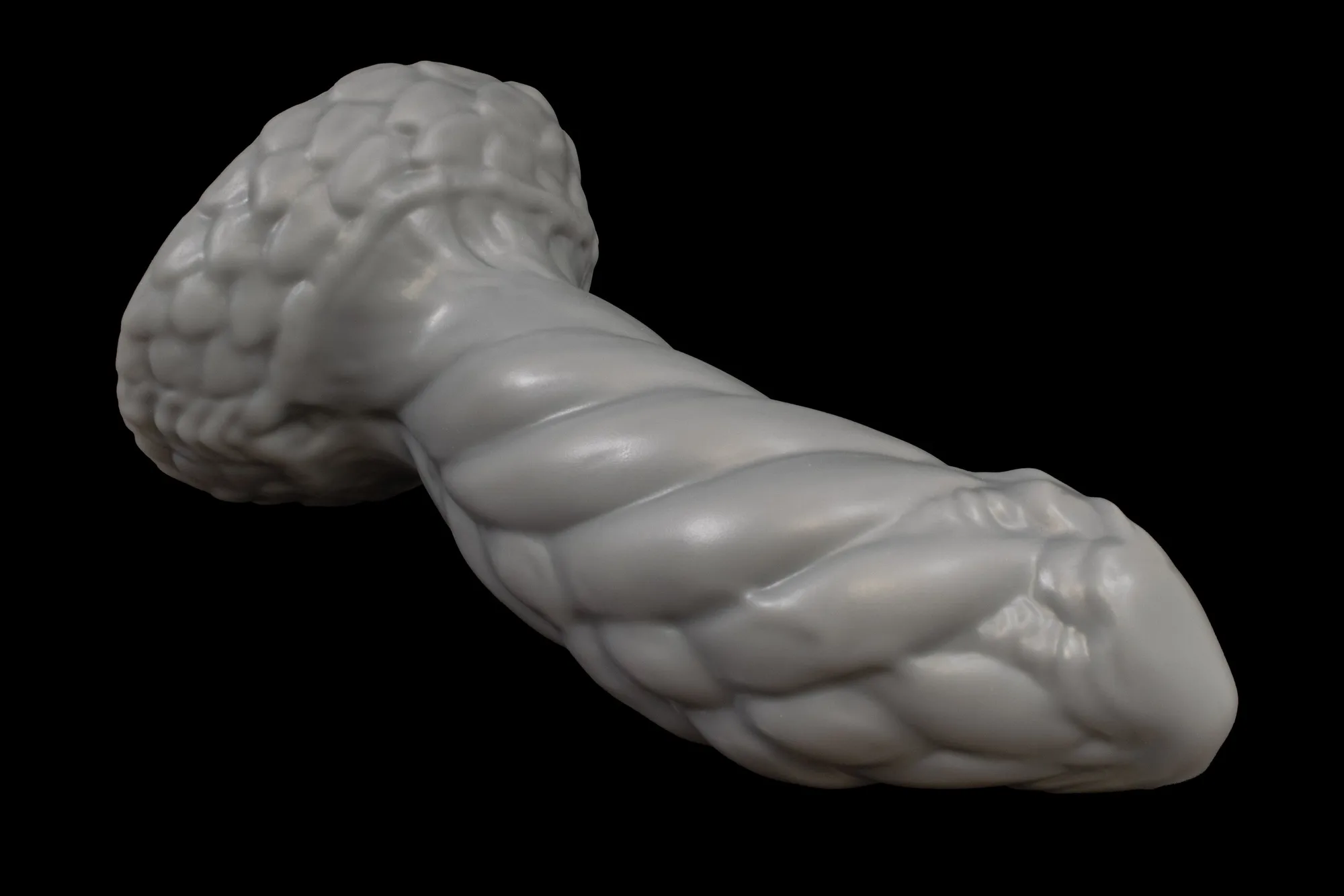
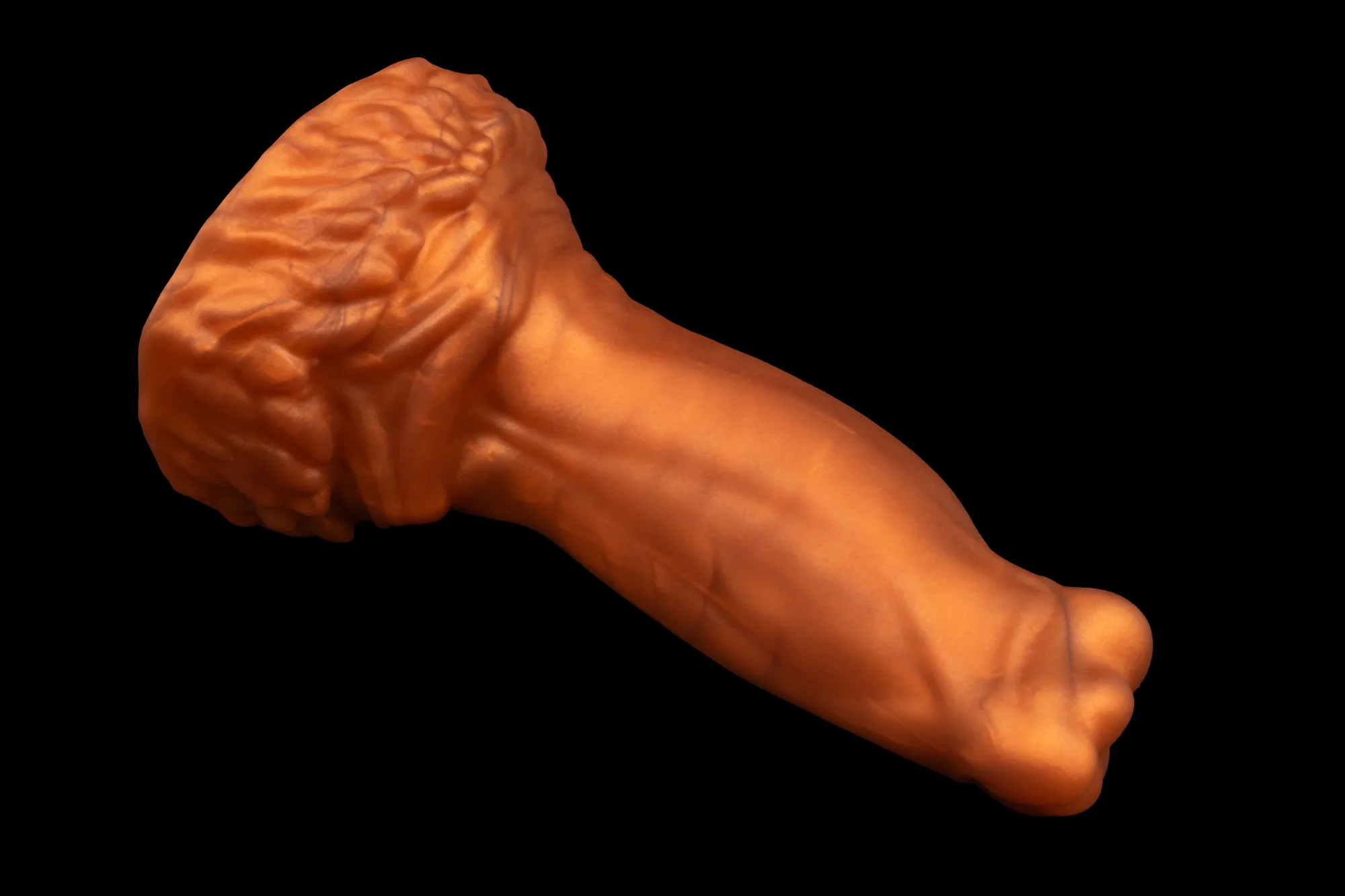
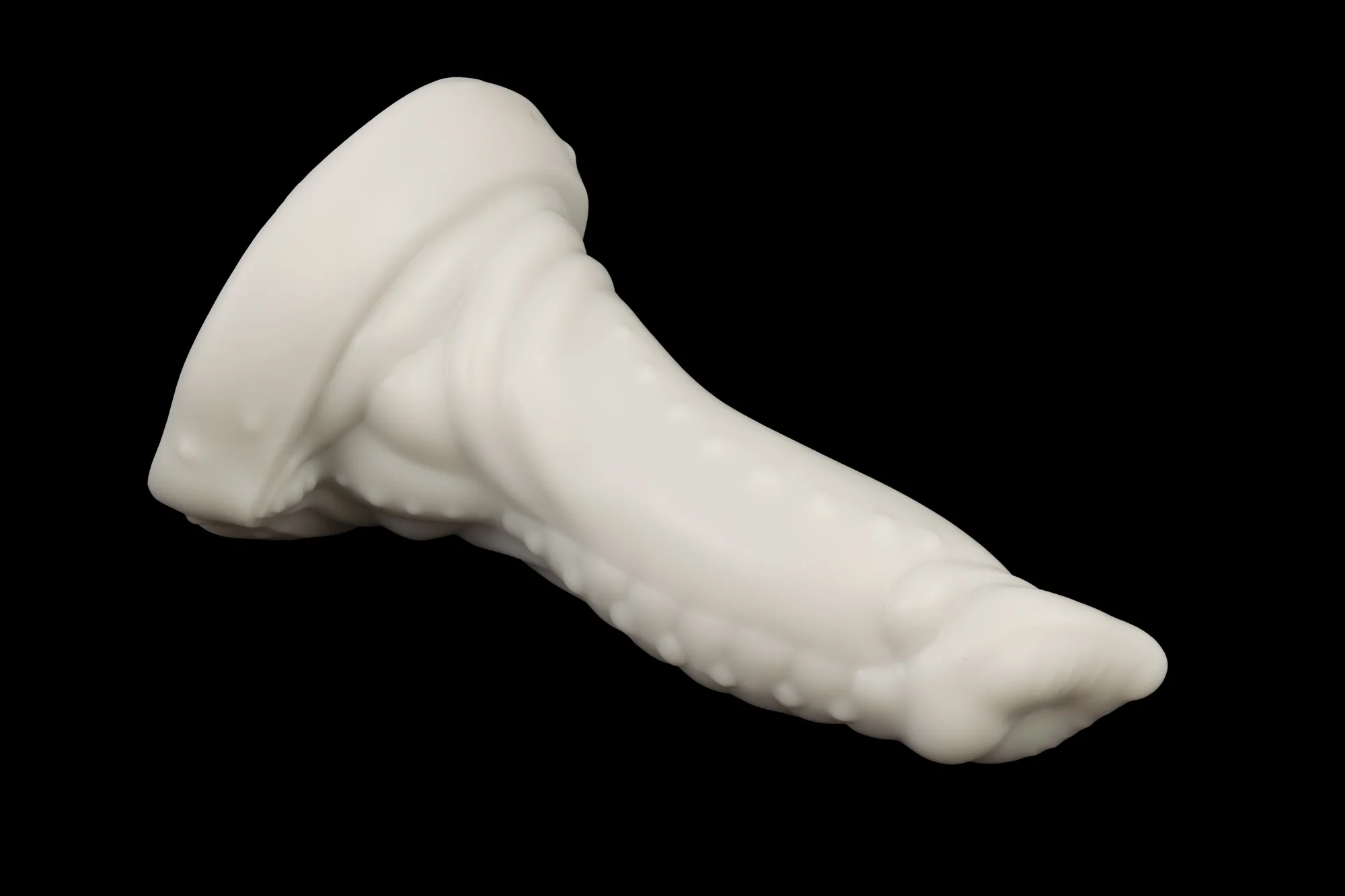
- Croxic the Class D Kaiju: Croxic the Class D Kaiju is a handcrafted insertable from Twin Tail Creations, available in Mini size and a range of color complexities. This shows that silicone toys can be customized in size and color, offering personalization that porous materials like TPE typically lack.
- 13310 Mini Cyrus in Medium Firmness: 13310 Mini Cyrus in Medium Firmness is a pre-made inventory toy in solid color, sold as is and shipped within 1-4 work days. Inventory toys provide a fast, ready-to-ship option in platinum cure silicone, so you can get a body-safe toy without waiting for a custom order.
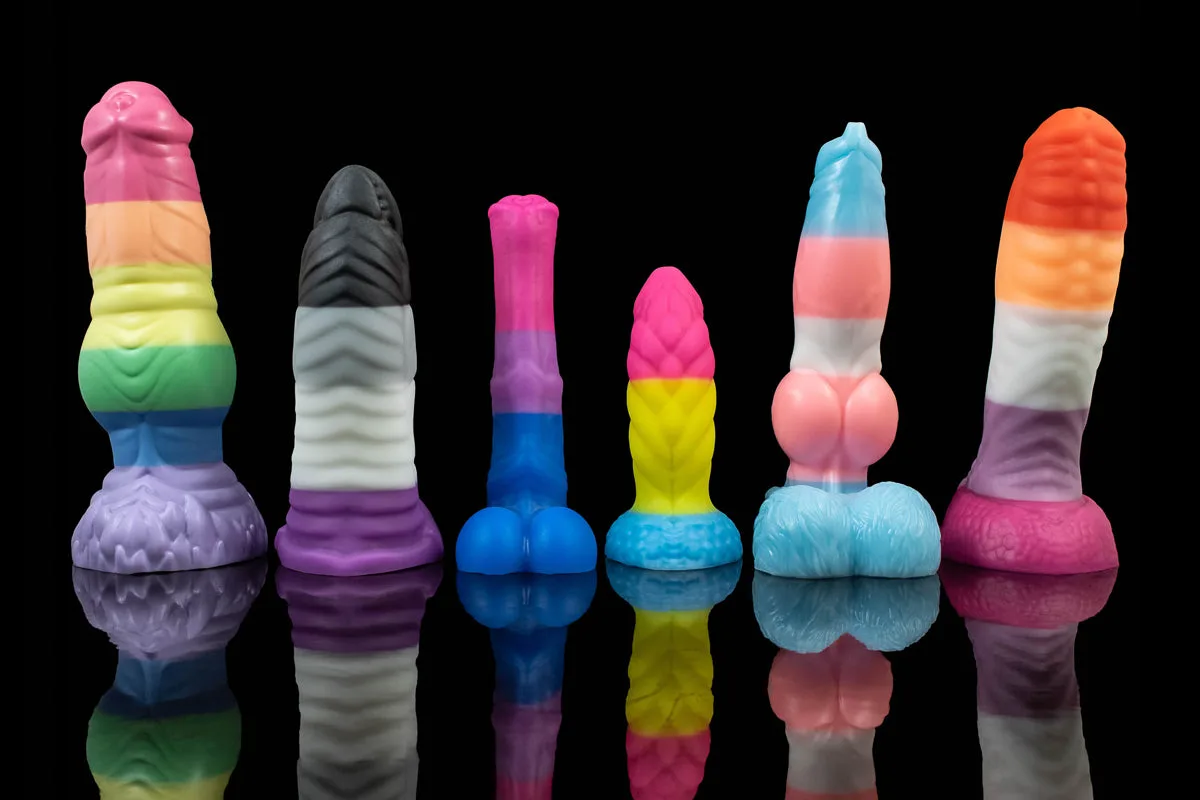
- Pride Flags: Pride Flags are phosphorescent and glow in darkness after absorbing light, with color distribution varying due to the pouring process. This illustrates how silicone can incorporate special effects like glow-in-the-dark, which is not possible with TPE.
Which material is right for you?
Best for
- Anyone who prioritizes body safety and easy cleaning
- Buyers who want a durable toy that lasts for years
- Those who want customization in firmness, size, and color
Not for
- Shoppers seeking the lowest possible price and willing to accept a shorter lifespan
- Those who prefer an extremely soft, jelly-like feel and are aware of the hygiene trade-offs