Quick Answer
Silicone cock rings are generally the better choice for most people because they are body-safe, non-porous, and easy to clean. TPR (thermoplastic rubber) rings are softer and more stretchy but can be porous and less durable. If safety and longevity are your priorities, choose silicone; if you want maximum stretch and a softer feel on a budget, TPR may work for occasional use.
When shopping for a cock ring, one of the first decisions you'll face is the material. The two most common options are silicone and TPR (thermoplastic rubber). Each has distinct properties that affect safety, comfort, and durability. Understanding the differences helps you pick a ring that feels great and supports your intimate moments without worry.
This guide breaks down the key trade-offs between silicone and TPR cock rings. We'll look at what each material is, how it performs, and which types of users benefit most. By the end, you'll know exactly what to look for on the label and why body-safe materials matter.
What Is Silicone and Why Is It Body-Safe?
Silicone is a synthetic material known for being non-porous, hypoallergenic, and free from phthalates and latex. In sex toys, body-safe silicone is often labeled as True Silicone® or medical-grade. Because it is non-porous, silicone does not harbor bacteria, mold, or odors, making it easy to sanitize by washing with soap and water or boiling (if the toy has no electronics).
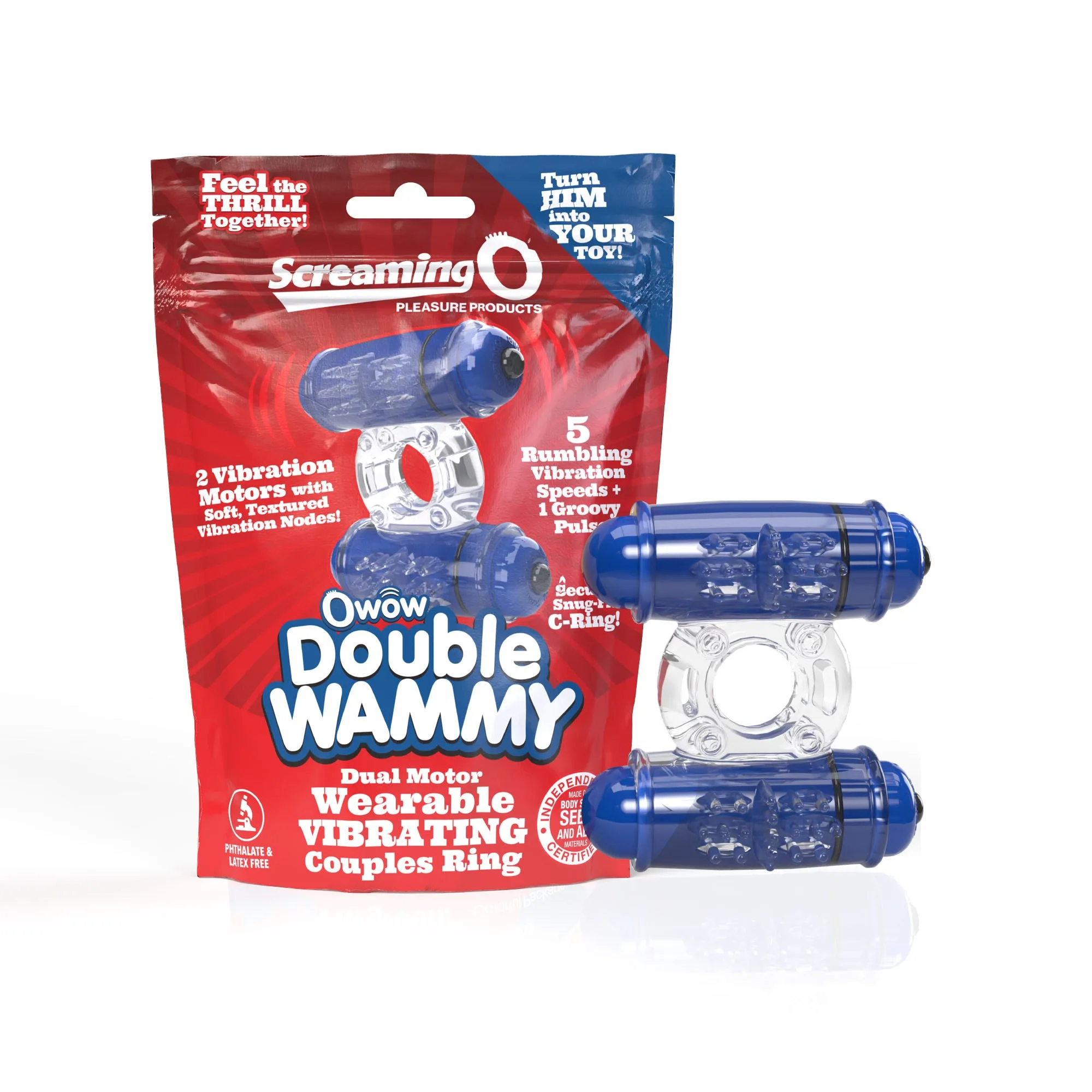
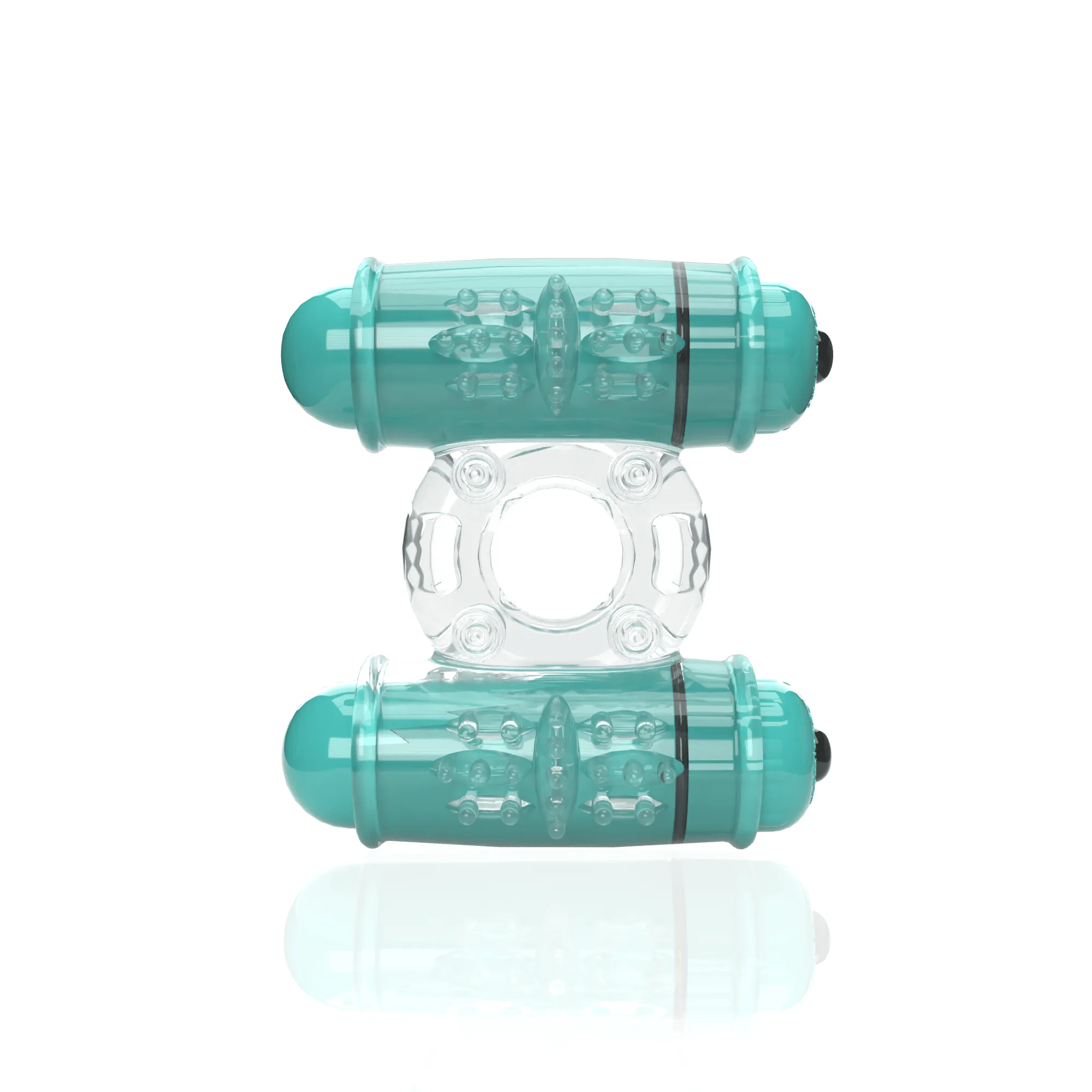
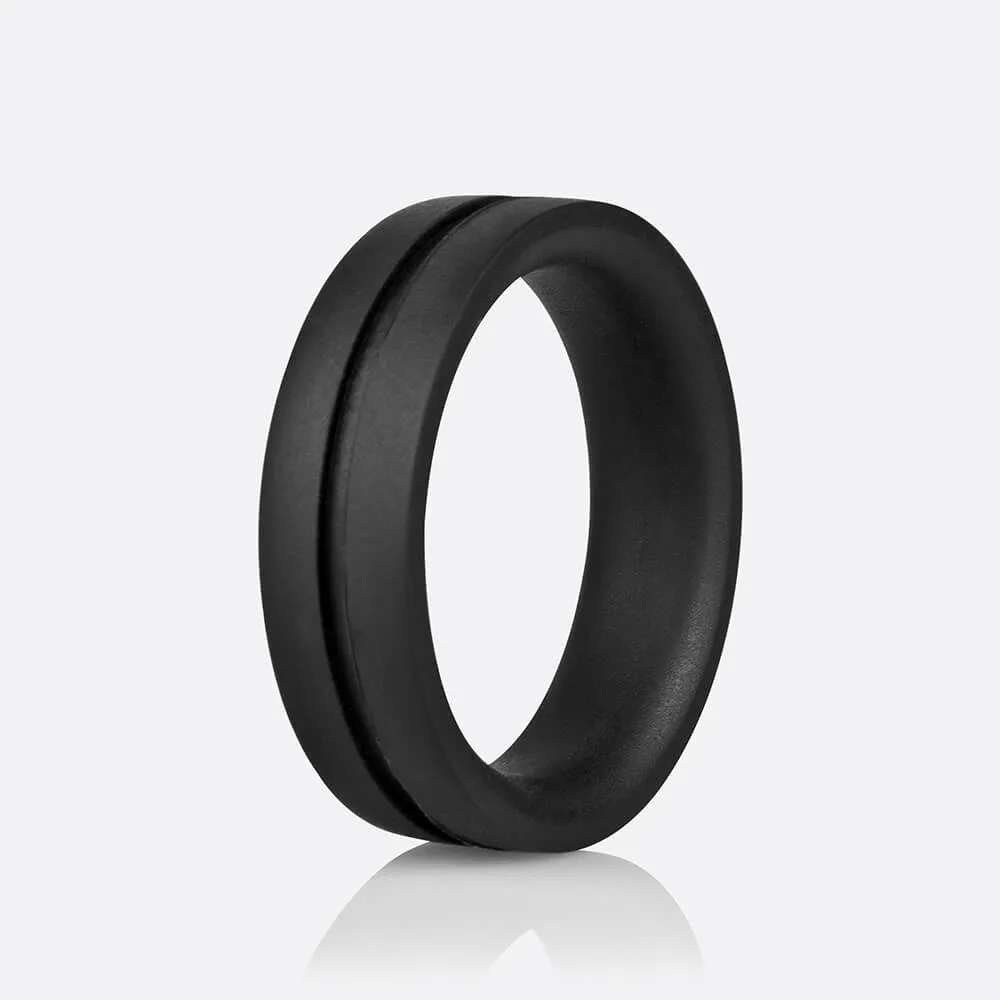
Silicone cock rings are firm yet flexible, providing reliable constriction without excessive stretch. They are durable and maintain their shape over time, even with regular use. Many premium rings, like those from Screaming O, use 100% body-safe True Silicone®, ensuring a safe and long-lasting product.
- Non-porous: doesn't absorb fluids or harbor bacteria.
- Easy to clean: wash with mild soap and water or use a toy cleaner.
- Latex-free and phthalate-free: ideal for sensitive skin.
What Is TPR and What Are Its Trade-Offs?
TPR (thermoplastic rubber) is a softer, more elastic material often used in budget-friendly toys. It feels squishy and stretches easily, which can make it comfortable for beginners or those who prefer a gentler squeeze. However, TPR is porous, meaning it can absorb oils, bacteria, and other substances. This makes thorough cleaning difficult and can shorten the product's lifespan.
TPR rings are also more likely to degrade over time, especially if exposed to silicone-based lubricants (which can break down the material). They are generally less expensive than silicone, making them an attractive option for trying out a new sensation without a big investment. But for hygiene and durability, silicone usually wins.
- Porous: may harbor bacteria; requires careful cleaning and replacement.
- Softer and stretchier: may feel more comfortable for some users.
- Budget-friendly: a low-cost way to experiment.
Comparing Silicone and TPR: Key Differences
The main differences between silicone and TPR come down to safety, durability, and feel. Silicone is non-porous, so it won't absorb bodily fluids or lubricants, and it can be boiled to sterilize. TPR is porous and can't be fully sanitized, so it may need to be replaced more frequently. In terms of feel, silicone is firmer and provides more consistent pressure, while TPR is softer and more giving.
Durability is another factor. Silicone rings maintain elasticity for years, whereas TPR can lose its stretch and become sticky or brittle. If you plan to use a ring regularly, silicone is a better investment. If you're just curious and want a low-cost trial, a TPR ring might be sufficient, but be aware of its limitations.
- Silicone: non-porous, durable, easy to clean, a bit pricier.
- TPR: porous, softer, cheaper, but less durable.
- Always check labels for 'body-safe' or 'True Silicone®' to ensure quality.
Trade-Offs at a Glance
- Safety: Silicone is non-porous and body-safe, while TPR is porous and may harbor bacteria. Choose silicone for peace of mind. If you prioritize hygiene, go silicone.
- Feel and Stretch: TPR is softer and stretchier, which can be more comfortable for beginners. Silicone is firmer and provides consistent pressure. If you want a gentle squeeze, TPR might feel better initially.
- Durability and Price: TPR is cheaper but degrades faster. Silicone costs more but lasts longer, saving money over time. Invest in silicone for long-term use.
Silicone Cock Rings from Screaming O
- https://screamingonh.com/products/ring-o-pro-x3-b8195ff99c0639f412577da5-649181Ring O Pro x3: 3 silicone cock rings for 3 different sensations, wide stretchy bands for a secure stay-put fit, made of lab-tested, body-safe True Silicone®. This variety pack lets you try different sizes and sensations without compromising on safety. Because they're silicone, you can clean them easily and use them for years.
- Ring O Pro LG: 100% silicone penis ring stretches to 1.25”, seamless stretch-to-fit design, wide flat band for firm, stay-put fit. A single, reliable silicone ring that offers a secure fit without irritation. Its wide band distributes pressure evenly, making it comfortable for longer wear.
How to Choose the Right Material for You
Best for
- People with sensitive skin who need hypoallergenic, non-porous materials.
- Those who use cock rings regularly and want a durable, easy-to-clean option.
- Couples looking for a body-safe ring to use with lubricant.
Not for
- People on a tight budget who only plan to use a ring occasionally and are willing to replace it often.
- Those who prefer an extremely soft, stretchy feel and don't mind the porous nature of TPR.
Choosing between silicone and TPR cock rings ultimately comes down to your priorities. Silicone offers superior safety, durability, and ease of cleaning, making it the recommended choice for most people. TPR can be a budget-friendly alternative for occasional use, but its porous nature and shorter lifespan are significant downsides. Whenever possible, look for products labeled as body-safe silicone, like those from Screaming O, to ensure a comfortable and worry-free experience.