Quick answer
If your silk dress feels too loose, first check whether the problem is the bodice seams, the straps, or the waist. A gaping neckline or slipping strap is usually fixed by taking in a side seam or shortening a strap, not by sizing down. If the bust and waist both sit more than about 2.5 cm (1 inch) away from your body, take the dress to a tailor who works with silk rather than ordering a smaller size.
Symptom check: which part is actually loose
Stand in front of a mirror in the dress and pinch the excess fabric at three points: the side seam under the arm, the center back or center front at the waist, and the strap or shoulder line. The spot where the pinch removes the most gap is the real problem area. If the neckline pulls away from your chest when you raise your arms, the issue is the strap length or the armhole, not the bust circumference. If the waist bunches but the bust fits, you need a waist take-in only.
Likely cause: why silk behaves differently from other fabrics
Silk has very little natural stretch, so a bodice that is even slightly too large will hang away from the body instead of clinging. This is why a silk dress can feel loose in one area and tight in another. A bias-cut silk dress may also relax slightly with wear, so a bodice that fits perfectly in the fitting room can feel looser after an hour. If the dress has a corset-style construction, the fit depends on the boning and lacing rather than the outer fabric alone.
Corrective action: three fixes you can ask a tailor for
For a gaping neckline, the standard fix is taking in the side seams at the bust and tapering to zero at the waist. For slipping straps, shortening the strap by 1–2 cm usually solves it without touching the bodice. For a baggy waist, a tailor can add two small darts at the back or take in the side seams from the waist down. Always ask the tailor to test the fix with the dress on and your arms raised, because silk can shift once you move.
When to stop and choose another option
If the bodice is more than one size too large, alterations may cost more than the dress is worth or distort the original design. In that case, return or exchange for a smaller size rather than altering. If the dress is a structured corset style, a tailor who does not specialize in corsetry can ruin the boning line. Stop and look for a bridal or couture alterations specialist instead.
Diagnosis: match your symptom to the right fix
- Gaping neckline when you move: The strap or armhole is too long, not the bust. Shorten the strap by 1–2 cm or take in the armhole curve. If the gap closes when you pinch the strap, this is your fix.
- Baggy waist but fitted bust: The waist seam needs a take-in. Ask for two back darts or side-seam tapering from waist to hip. Do not size down; you will lose bust fit.
- Loose all over, more than one size: Alterations will be extensive and may change the design. Exchange for a smaller size instead. Stop here and return or exchange.
- Corset bodice feels loose: Adjust the lacing or inner closure first. If it still feels loose, see a corsetry specialist. Do not let a general tailor open the boning channels.
Fit notes from the collection
- Vesta Silk Dress: Vesta Silk Dress Black is described as having a bold, architectural silhouette with a timeless black hue. An architectural cut means the bodice is designed to hold a specific line, so a loose fit is more noticeable and usually needs a precise side-seam take-in rather than a quick pin.
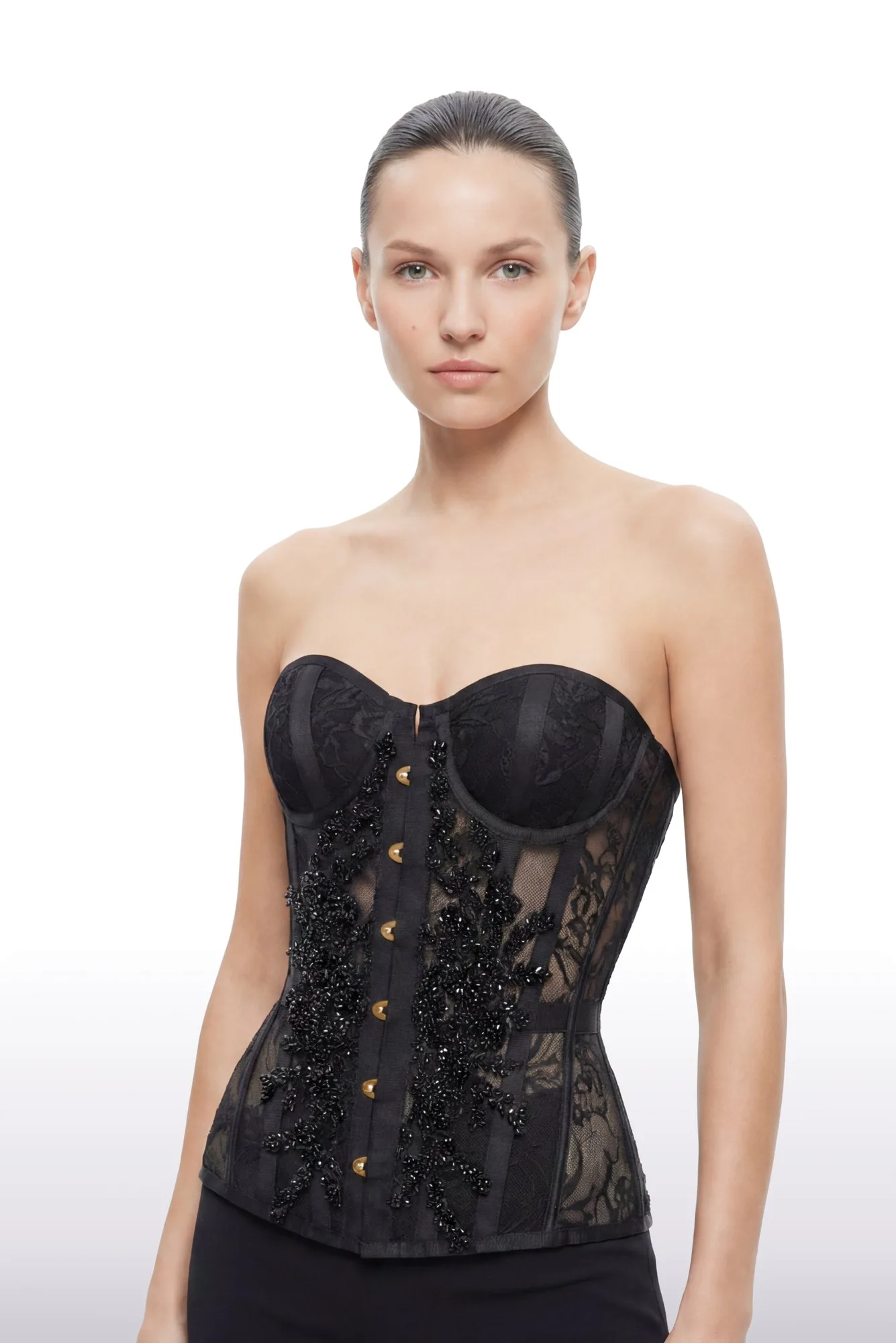
- Dahlia Corset Black: Dahlia Corset Black is described as couture craftsmanship with sculptural beauty and meticulous detailing. A corset-style piece relies on structure and boning, so if it feels loose, the fix is usually adjusting the lacing or inner fit, not taking in the outer silk.
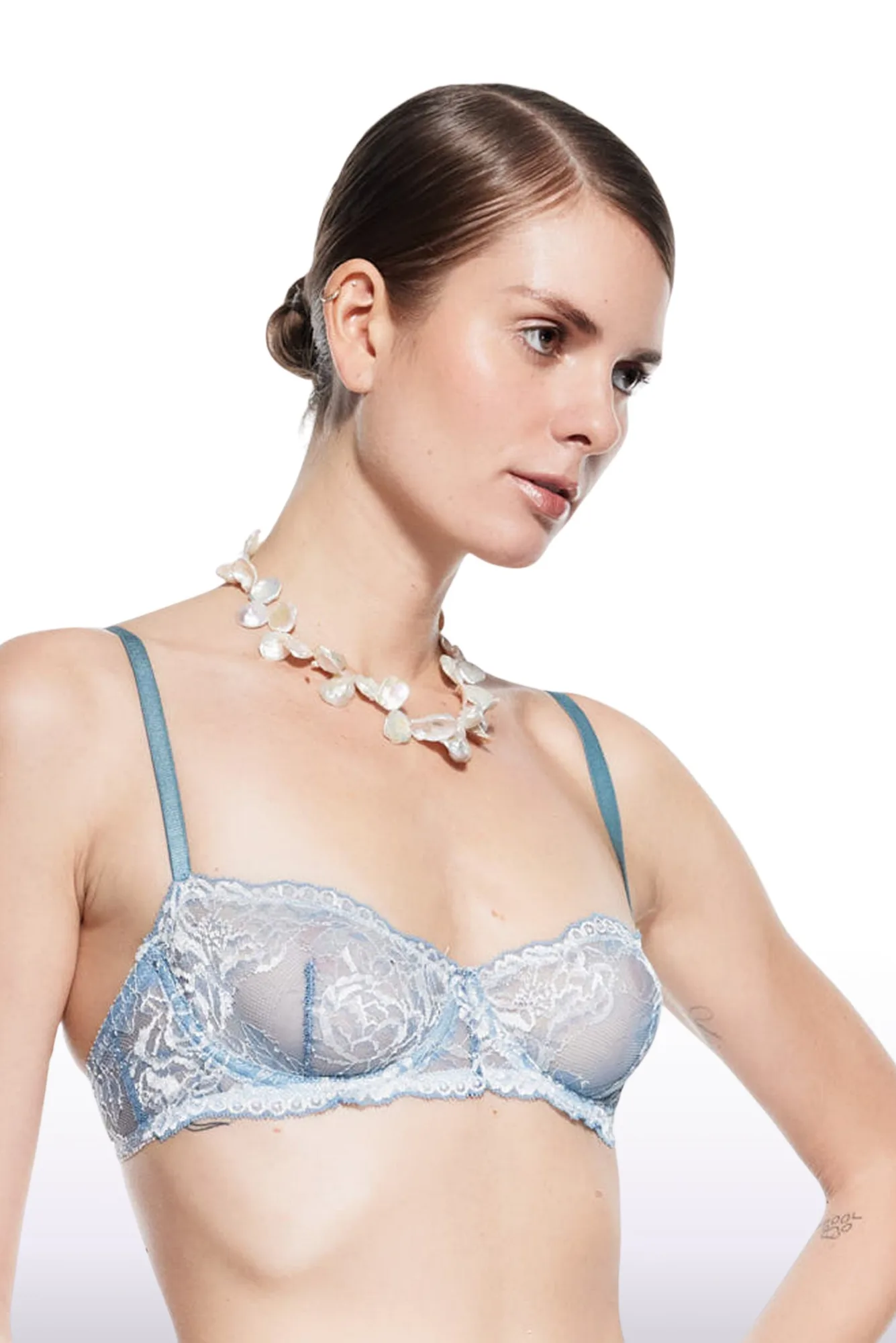
- Verita Silk Dress Black: Verita Silk Dress Black is described as crafted from luminous silk with delicate lace accents and a versatile, effortless design. Lace accents can limit how much a seam can be taken in without distorting the trim, so ask a tailor to work around the lace rather than through it.