What the catalog confirms about these two pin styles
The comparison that matters for most quilters is between a fine silk pin and a standard flat-head pin. The supplied catalog gives a clear, narrow picture of one option: Checker Silk Glasshead Pins Size 30, 2501CV. It lists a 0.50 x 36 mm size, a 1-1/4" length, a 100-count pack, and iron-proof glass heads. The catalog also states they are great for use with thin fabrics.
The catalog does not supply a matching record for a standard flat-head pin, so this article does not invent a head diameter, shaft thickness, or heat rating for that style. Instead, it explains where the confirmed Silk Glasshead Pins fit, and where a standard pin is the more sensible choice based on the handling differences a quilter can reasonably expect.
Silk glasshead vs standard flat-head: where each earns a place
Use the confirmed facts for the Silk Glasshead Pins and treat the standard-pin column as a general handling comparison, not a measured specification.
- Fine fabric and piecing: The catalog states Silk Glasshead Pins are great for use with thin fabrics. A 0.50 x 36 mm pin with a 1-1/4" length is a fine, short pin, which suits delicate piecing where a thicker shaft can leave a visible hole. Standard flat-head pins are widely used for general piecing, but the supplied evidence does not confirm their shaft size or fine-fabric suitability.
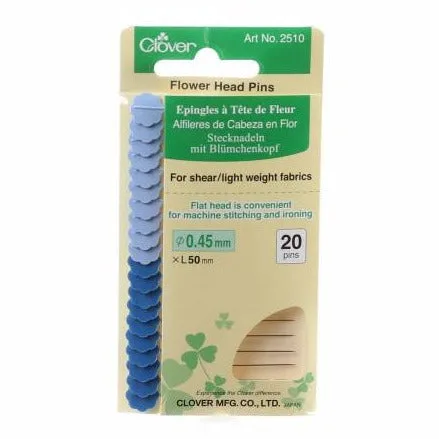
- Head shape and grip: The Silk Glasshead Pins have glass heads, which gives a rounded head that is easier to find and grip than a flat head. Standard flat-head pins sit flatter against the fabric, which some quilters prefer when pinning close to a seam line. The catalog does not confirm a flat-head equivalent, so choose based on whether you want a raised head or a low profile.
- Iron safety: The heads of the Silk Glasshead Pins are made of iron-proof glass, a confirmed feature. The catalog does not state an iron temperature, contact time, or ironing procedure, so do not treat this as a free pass to iron directly over pins. For standard flat-head pins, the supplied information does not confirm heat resistance at all.
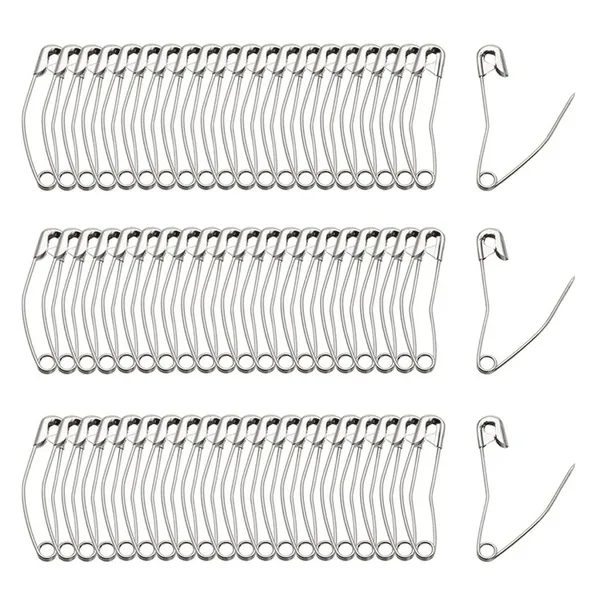
- Pinning quilt layers: For basting or pinning quilt layers, many quilters reach for longer pins or dedicated curved safety pins. The Silk Glasshead Pins are 1-1/4" long, which is a short pin. The catalog does not present them as a layer-basting pin, so they are best treated as a piecing and fine-fabric pin rather than a full-size basting solution.
- Quantity and value: Checker Silk Glasshead Pins come in a 100-count pack at a catalog price of USD 7.69, compared with a catalog comparison price of USD 10.25. That count is enough for most piecing sessions, but the catalog does not give a count for a standard flat-head pack, so a per-pin value comparison is not possible from the supplied information.
Confirmed facts for Checker Silk Glasshead Pins Size 30
-
Silk Glasshead Pins Size 30 2501CV: Size 30, 0.50 x 36 mm, length 1-1/4", 100-count pack, brand Checker. These are the dimensions that determine whether the pin suits fine piecing and whether the pack size covers your project.
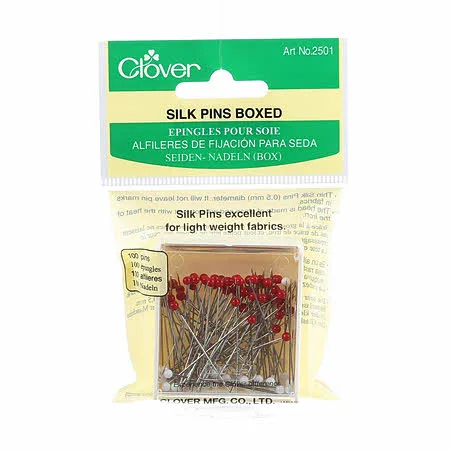
Silk Glasshead Pins Size 30 2501CV
-
Silk Glasshead Pins Size 30 2501CV: Heads are made of iron-proof glass. This is the confirmed heat-related feature, and it is the main reason to choose glasshead over an unrated flat head near an iron.
-
Silk Glasshead Pins Size 30 2501CV: Catalog describes them as great for use with thin fabrics. This supports using them for delicate piecing and fine fabric where a thicker pin may mark the cloth.
A practical way to choose between the two
Work through these checks in order; they use only the supplied facts and avoid guessing at missing specifications.
- Start with the fabric: If you are piecing thin or delicate fabric, the catalog's confirmed fine-fabric suitability makes the Silk Glasshead Pins the safer documented choice.
- Check the pin length against the job: At 1-1/4", the Silk Glasshead Pins are a short piecing pin. If your task is pinning thick quilt layers, the supplied information does not present them as a basting pin, so consider a longer dedicated option.
- Decide whether you need a confirmed iron-proof head: The glass heads are confirmed iron-proof. If you press near pins, that is a documented reason to prefer them. The catalog gives no temperature or procedure, so keep the iron itself off the pins.
- Weigh head shape against your sewing habit: Choose the glasshead if you want a raised head that is easy to grip and find. Choose a standard flat head if you prefer a low profile, accepting that the catalog does not confirm its heat rating or fine-fabric performance.
- Buy the count that matches your piecing volume: A 100-count pack covers most piecing sessions. The catalog does not give a standard-pin count, so compare value only on the confirmed USD 7.69 catalog price and USD 10.25 comparison price for the Checker pack.
What the supplied information does not settle
The catalog does not provide a standard flat-head pin record, so any claim that one style is sharper, stronger, or more heat-resistant than the other would be invented. It also gives no iron temperature, no pinning procedure, and no guidance on pinning quilt layers beyond the confirmed 1-1/4" length.
That means the honest comparison is narrower than a marketing page suggests: the Silk Glasshead Pins are a documented fine-fabric, iron-proof-glass, 100-count pin at a stated price, and a standard flat head remains a reasonable low-profile alternative whose specifications you should check on its own label. If a feature is not confirmed here, treat it as unverified rather than absent.