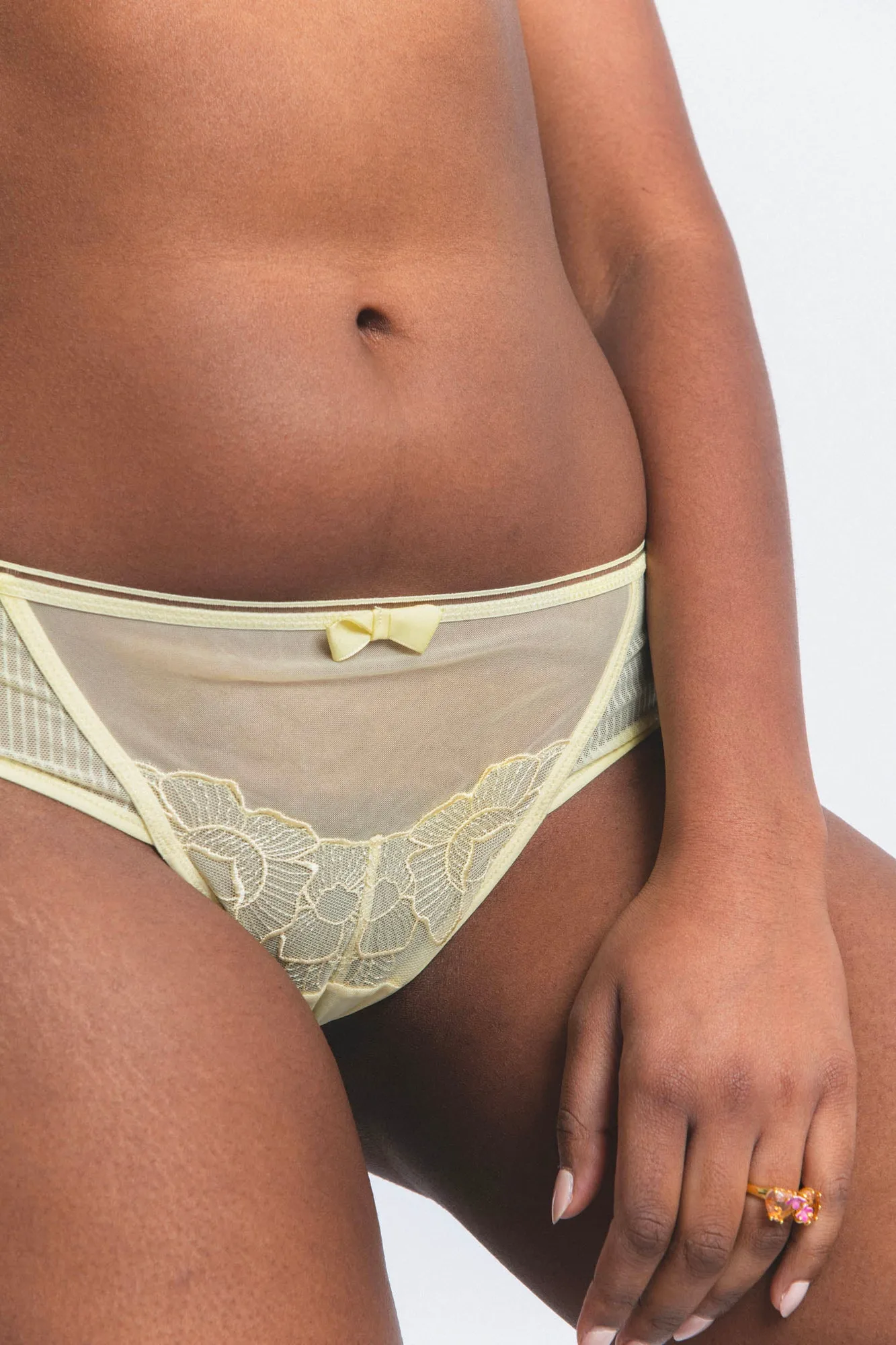
Quick answer
Silk is a natural protein fiber; satin is a weave structure that can be made from silk, polyester, or other fibers. If you want breathable, temperature-responsive luxury with a soft, luminous finish, choose silk. If you want a high-shine, often more affordable look and don't mind synthetic fibers, satin may suit you. For most tops and dresses, silk is the more comfortable, durable choice over time.
The words get used interchangeably, but silk and satin are not opposites or synonyms. Silk describes what a fabric is made of; satin describes how it is woven. A satin weave can be pure silk, or it can be polyester, nylon, or a blend. That single distinction explains why two garments can look similar on a hanger yet feel completely different after an hour of wear.
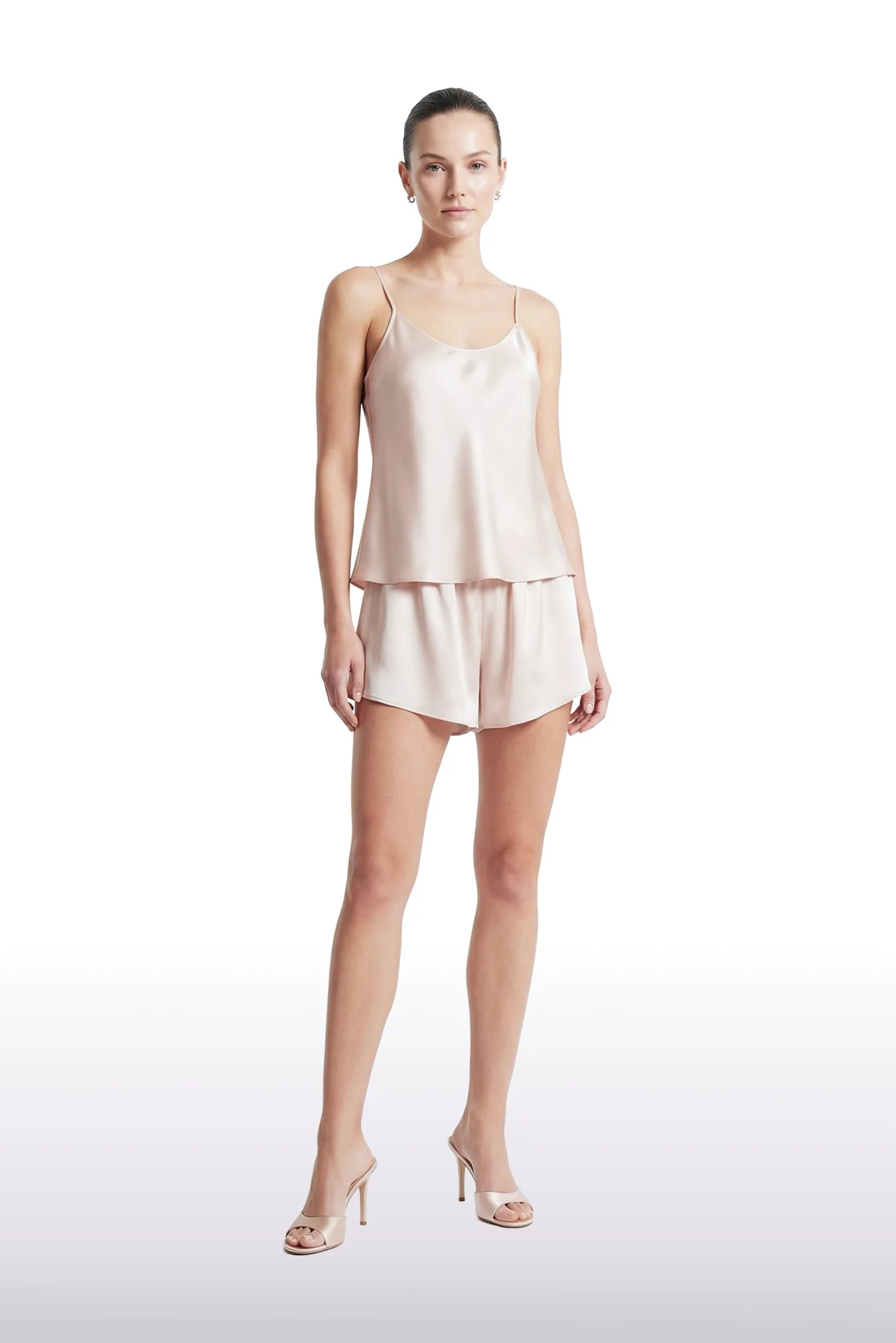
This comparison breaks down the practical differences for tops and dresses: shine, drape, breathability, care, and cost. You'll see how silk pieces like the Selene Silk Top Blush and the Midnight Lace Silk Dress Black behave compared with satin, and how to decide which one earns space in your wardrobe.
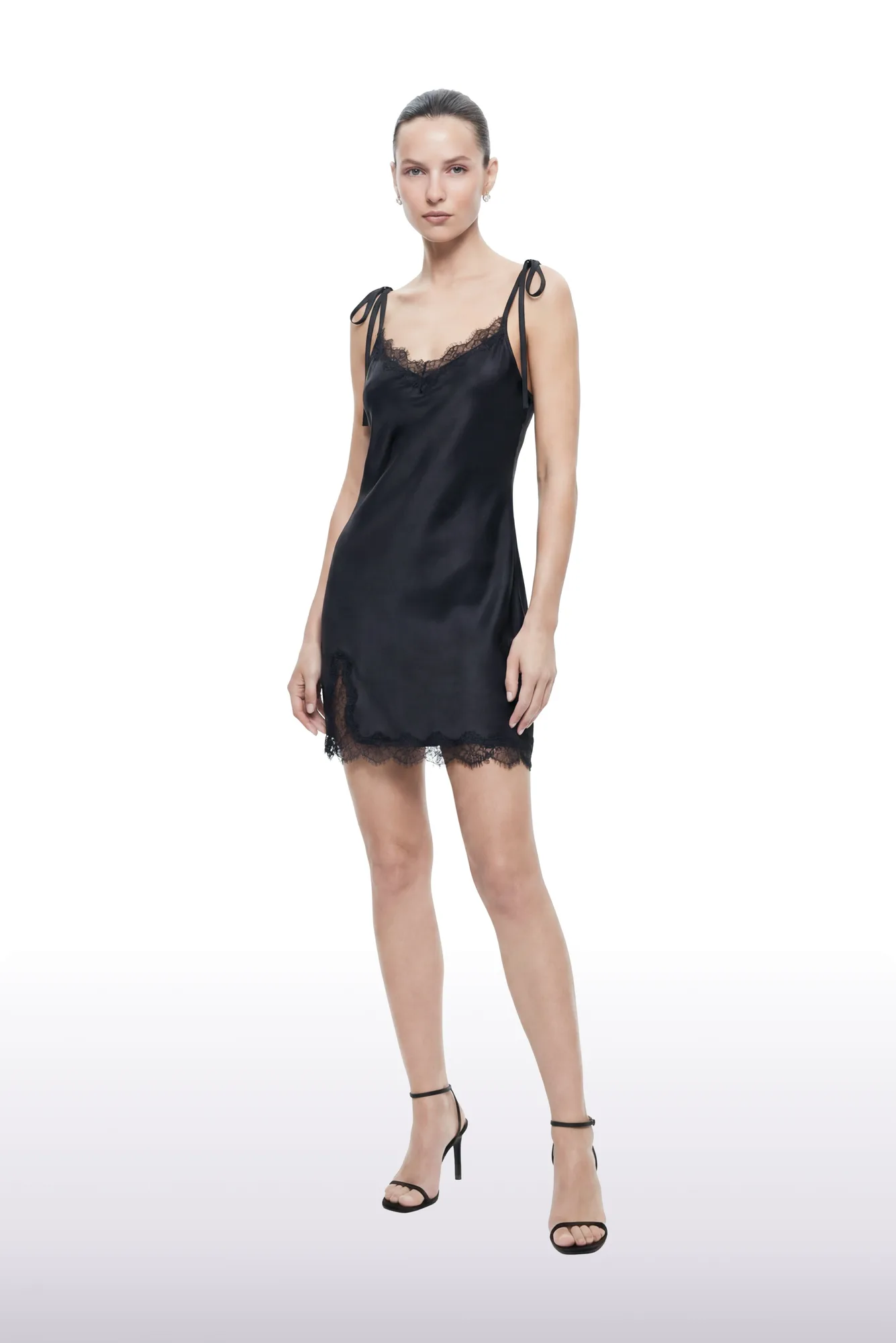
Midnight Lace Silk Dress Black
The core difference: fiber vs. weave
Silk is a natural fiber produced by silkworms. It is prized for its strength, breathability, and ability to regulate temperature. Satin is a weaving technique that creates a smooth, glossy surface by floating threads over others. When you see 'satin,' it tells you nothing about the fiber content. A satin garment could be 100% silk, 100% polyester, or a blend.
This matters because the fiber determines how the fabric feels against your skin and how it ages. Silk satin combines the best of both: the weave gives shine, the fiber gives comfort. Synthetic satin often looks similar initially but tends to trap heat, pill, and snag more easily. Always check the label—if it says 'satin' without 'silk,' assume it is synthetic unless stated otherwise.
- Check the fiber content tag, not just the word 'satin' on the label.
- Silk satin is a subset of satin; not all satin is silk.
Shine and drape: how they look on the body
Satin weave creates a high-shine, liquid-like surface that reflects light strongly. Silk fiber has a natural, softer luminosity—less mirror-like, more of a gentle glow. The Selene Silk Top Blush is described as having a 'softly luminous finish,' which is typical of silk: it catches light without looking metallic. Synthetic satin often reads as shinier and can appear less expensive in daylight.
Drape also differs. Silk has a fluid, weighty fall that moves with you. Polyester satin can feel stiffer or more slippery, sometimes clinging in the wrong places. For dresses, this affects how the garment skims the body. The Midnight Lace Silk Dress Black combines silk with delicate lace, creating a silhouette that feels both captivating and refined—a balance harder to achieve with stiff synthetics.
- Hold fabric up to light: silk glows; synthetic satin often glares.
- Silk drapes closer to the body; synthetic satin may stand away or cling.
Breathability and comfort: what you feel after hours
Silk is breathable and moisture-wicking, helping regulate body temperature. It feels cool in summer and insulating in winter. Satin made from polyester or nylon does not breathe the same way; it can trap heat and moisture, leading to discomfort during long wear. If you run warm or wear tops and dresses for full days, this difference is noticeable.
Comfort also depends on the finish. Silk has a smooth, soft hand that can be gentle on sensitive skin. Synthetic satin may feel slick but less breathable, and some people find it itchy or clammy. For sleepwear or all-day pieces, the fiber choice often matters more than the weave.
- If you overheat easily, prioritize silk over synthetic satin.
- For special occasions where you'll be indoors and seated, satin's breathability is less critical.
Care and durability: which holds up better
Silk requires gentle care: hand wash or dry clean, avoid harsh detergents, and store away from direct sunlight. It is strong but can snag on rough surfaces. Synthetic satin is often machine washable and more resistant to wrinkles, but it can pill, snag, and develop a dull sheen over time. Neither is indestructible, but they fail differently.
The trade-off is effort versus longevity. Silk demands more attention but can last for years if cared for properly. Synthetic satin is easier to maintain but may look worn sooner. For investment pieces like a silk dress or a bridal bra, the care routine is part of the ownership experience.
- Use a mesh bag and gentle cycle if you machine wash synthetic satin.
- For silk, hand wash in cool water with a pH-neutral detergent and lay flat to dry.
Cost and value: what you pay for
Silk is more expensive to produce, so silk garments typically cost more than synthetic satin. However, the price gap can be wide. A silk top like the Selene Silk Top Blush is an investment, but it offers breathability, comfort, and a refined look that synthetic satin rarely matches. Satin made from polyester is budget-friendly and can mimic the look for less.
Value depends on how often you'll wear it and what you prioritize. If you want a trendy piece for a single event, synthetic satin may be sufficient. If you want a staple that feels luxurious and performs well across seasons, silk is worth the premium. Consider cost per wear, not just the price tag.
- Calculate cost per wear: a $57.50 silk top worn 50 times costs about $1.15 per wear.
- Synthetic satin is a reasonable choice for costumes or one-off occasions.
Trade-offs to weigh before you buy
- Shine vs. subtlety: Satin weave gives high shine; silk fiber gives a softer, natural luminosity. If you want a mirror-like finish, satin wins. If you prefer a refined glow, silk is better. Choose based on the look you want, not just the word on the label.
- Breathability vs. easy care: Silk breathes and regulates temperature but needs gentle washing. Synthetic satin is often machine washable but traps heat and may pill. Prioritize comfort if you wear the piece for hours; prioritize convenience if it's occasional.
- Investment vs. budget: Silk costs more upfront but can last for years with proper care. Synthetic satin is cheaper but may look worn sooner. Calculate cost per wear and consider how long you want to keep the garment.
Silk pieces that show the difference
- Selene Silk Top Blush: Combining fluid silk, delicate proportions, and a softly luminous finish, this versatile piece captures the relaxed sophistication at the heart of Mers Silk. Shows how silk's natural glow and drape differ from synthetic satin's high shine—ideal for day-to-night styling.
- Midnight Lace Silk Dress Black: Combines the luminous beauty of silk with delicate lace craftsmanship, creating a silhouette that feels both captivating and refined. Demonstrates how silk elevates a dress with breathable luxury and fluid movement, unlike stiff synthetic satin.
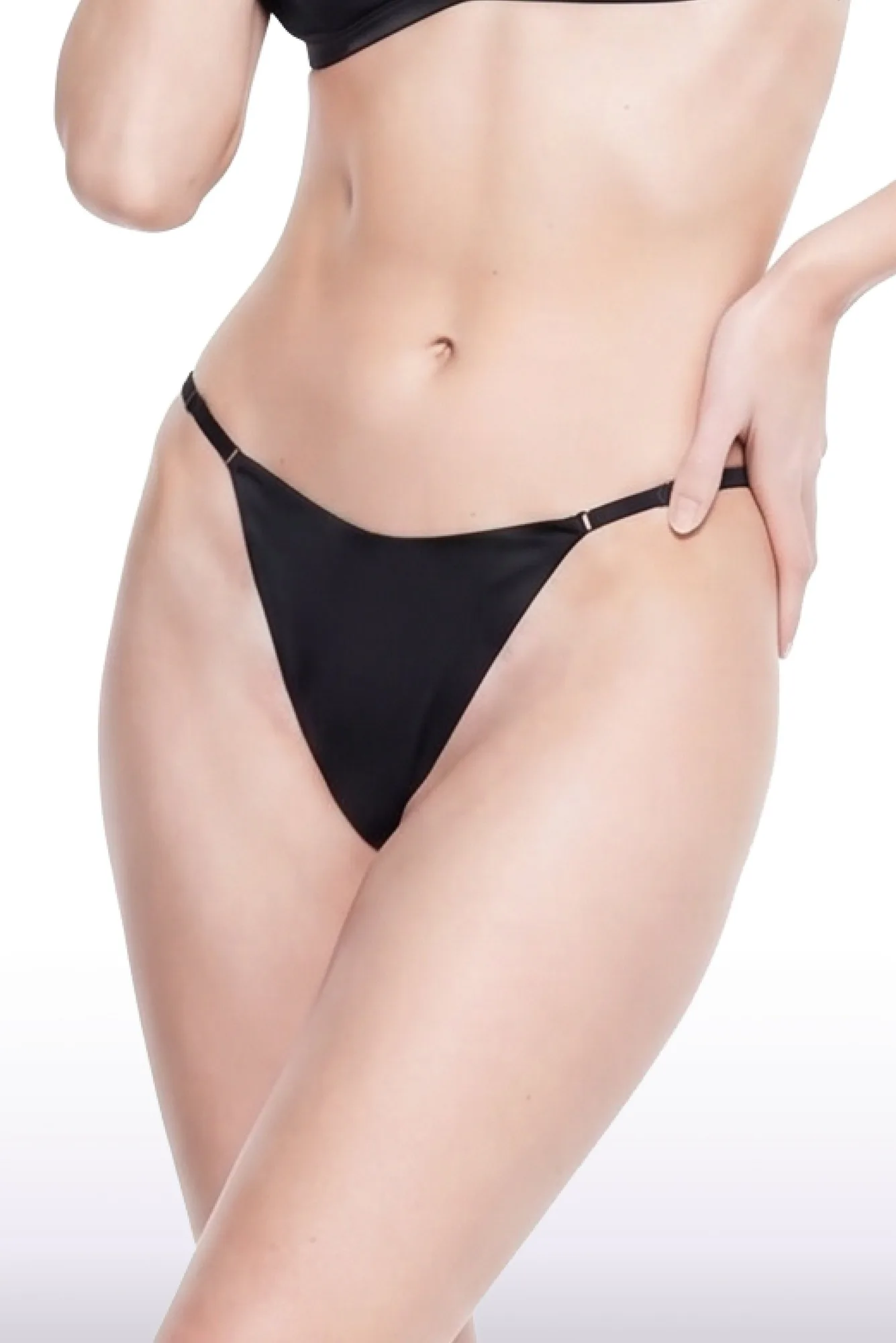
- https://merssilkejc.com/products/triangle-silk-thong-black-f54dc9c8f35d6d3af198802a-1422326Triangle Silk Thong: Defined by clean lines, premium natural silk, and an effortlessly lightweight feel. Illustrates silk's lightweight comfort for intimates, where breathability matters most.
Which should you choose?
Choose silk if you want
- Breathable, temperature-regulating comfort for all-day or all-night wear
- A natural, soft luminosity that looks refined rather than shiny
- A durable investment piece you'll care for and keep for years
Choose satin (synthetic) if you want
- A lower upfront cost for a trend piece or single event
- Easy machine washing and wrinkle resistance
- A high-shine, dramatic look and don't mind synthetic fibers
Silk and satin serve different purposes. Silk is the fiber; satin is the weave. For tops and dresses, silk offers breathability, comfort, and a refined glow that synthetic satin can't replicate. If you prioritize those qualities, invest in silk pieces like the Selene Silk Top Blush or the Midnight Lace Silk Dress Black. If budget or easy care is your main concern, synthetic satin can work for occasional wear. Choose based on how you'll wear it, not just how it looks on the rack.