Quick answer
Compatibility comes down to three links: the wheel base side, the rim side, and the quick release or adapter between them. Match the base's shaft interface and mounting pattern, confirm the rim's bolt pattern, then choose a quick release or adapter that bridges the two. If you want a simpler path, pick a modular system such as the GSI Interlock Base Module so the rim, paddles, and electronics are designed to work together.
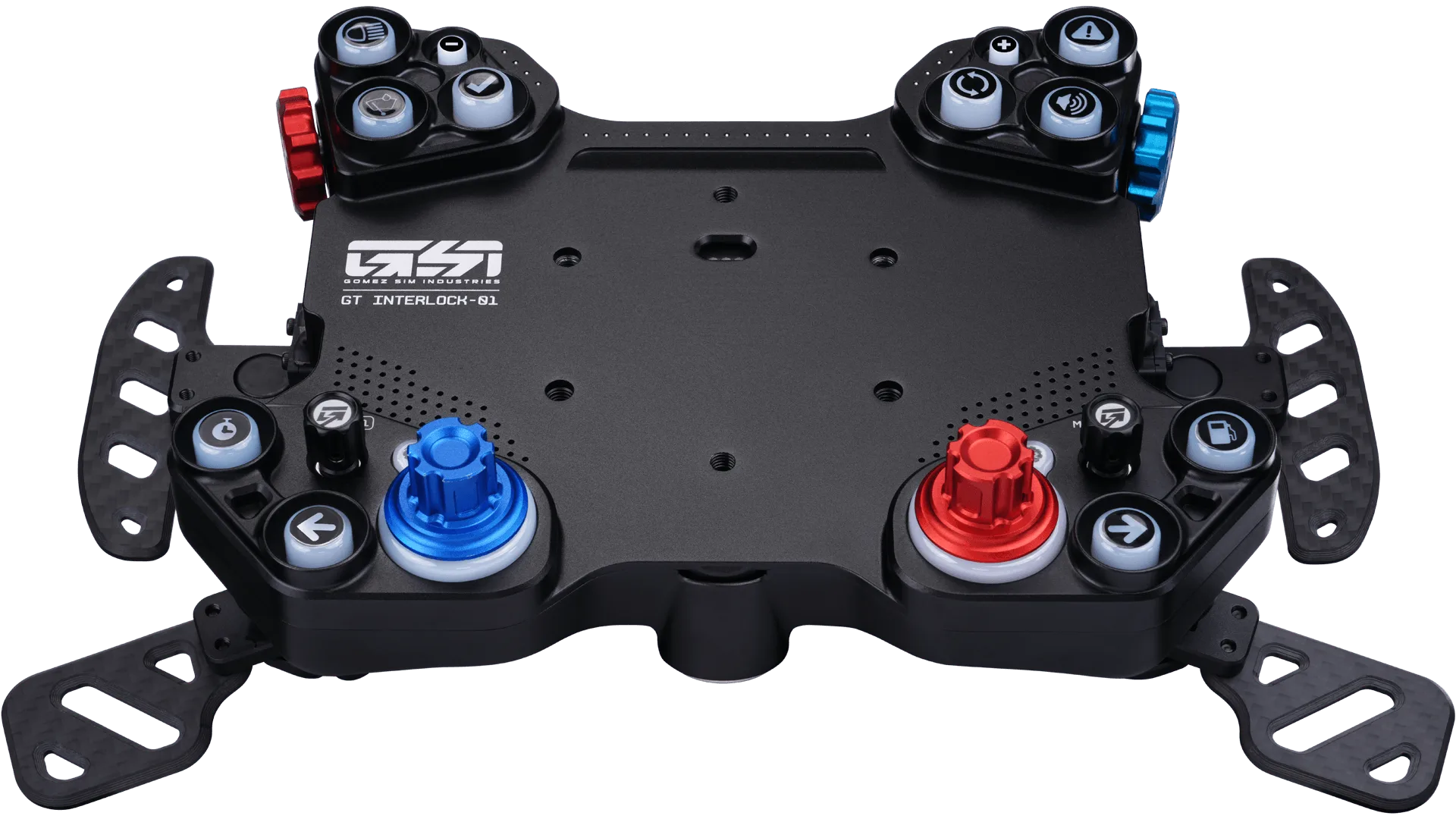
Interlock Base Module
Buying a wheel base, rim, and quick release separately can save money, but only if the three parts actually fit. Most compatibility problems are not mysterious; they come from mismatched mounting patterns, missing adapters, or electronics that assume a specific hub.
This guide gives you concrete checks to run before checkout, plus decision rules for direct drive wheel compatibility, quick release compatibility, and sim racing rim compatibility. It focuses on what you can verify from product specs, and it flags where a spec is missing so you can ask the right question instead of guessing.
The three compatibility links
Think of your rig as a chain: base, quick release or adapter, then rim. The base side is defined by its shaft interface and how the manufacturer expects accessories to attach. The rim side is usually defined by a bolt pattern, commonly 70mm PCD on sim racing rims. The middle link is the quick release or adapter that converts one to the other.
A failure in any link stops the build. A rim with a 70mm PCD can still fail to mount if your quick release expects a different pattern. A base can be mechanically compatible but leave buttons or shifters unconnected if the electronics path is wrong. Check all three before you buy, not after the boxes arrive.
- Write down the base shaft interface, the rim bolt pattern, and the quick release pattern on one line before ordering.
- If any of the three is not listed, treat it as unknown rather than assuming it matches.
Wheel base compatibility: what actually matters
For direct drive wheel compatibility, the base determines torque, mounting, and the ecosystem of accessories. A durable base such as the Simucube 2 is built with high-grade hardware so it can stand up to long sessions without shutting down mid-race. That reliability matters because your rim and quick release choices should outlast at least one base upgrade.
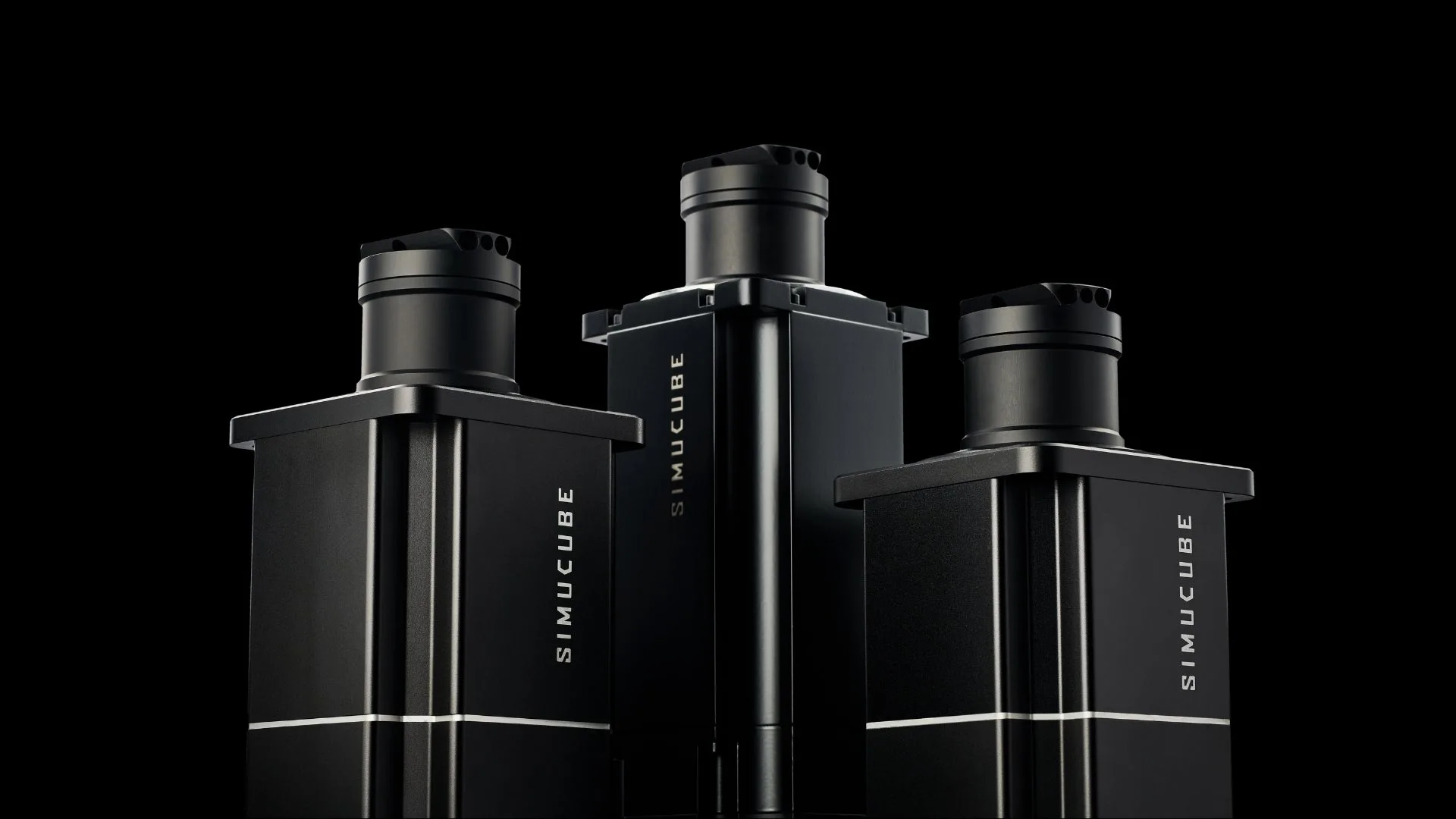
Simucube 2
The practical question is not only 'does it fit today' but 'what can I add later'. Bases with a clear accessory path, including adapters and hub options, let you change rims without replacing the whole front end. Bases with a closed interface force you to buy within one brand or accept adapters that add stack height.
- Confirm the base's shaft diameter and mounting pattern before shopping for a quick release.
- Check whether the base vendor sells an adapter for third-party hubs, extensions, or quick releases.
Sim racing rim compatibility: bolt patterns and electronics
Most sim racing rims use a 70mm PCD bolt pattern, which is the common language between rims, button boxes, and quick releases. A rim like the GT 300 mm Wheel Rim is engineered on a rigid alloy core and is compatible with the GSI Interlock system as well as sim racing button boxes that use a 70mm PCD bolt pattern. That dual compatibility is the difference between a rim that locks you into one system and one you can move between rigs.
Electronics are the second half of rim compatibility. Buttons, shifters, and LEDs need a path to the base or PC. If you buy a rim with integrated electronics, confirm the connection type. If you buy a rim that is mechanically compatible but electronically separate, plan for how those inputs reach your sim.
- Measure your rim's bolt pattern center-to-center before assuming 70mm PCD.
- Decide whether you want electronics handled by the rim, the base module, or a separate button box.
Quick release compatibility: the part most people skip
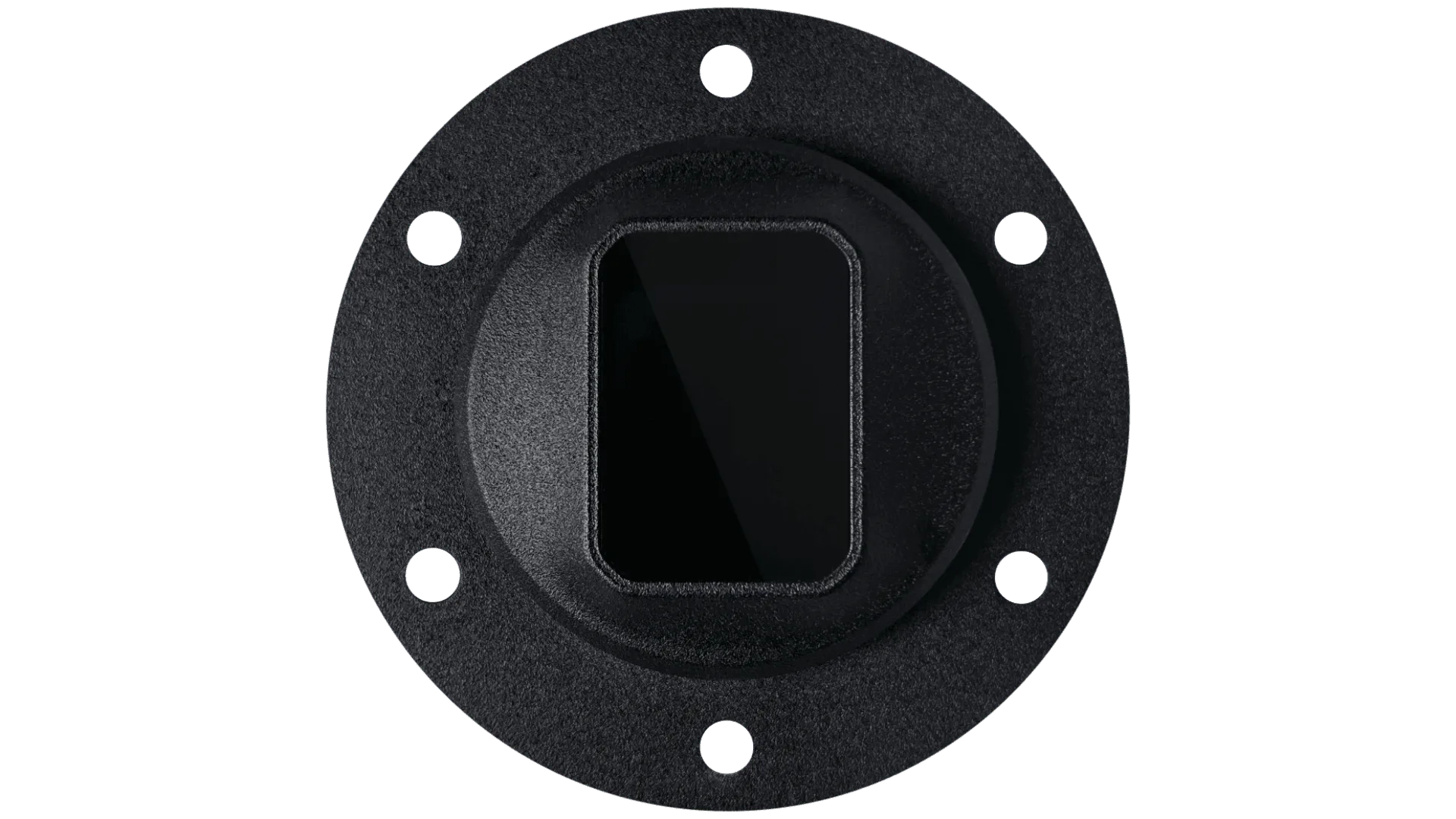
Quick release compatibility is where builds quietly fail. A quick release has two sides: one that attaches to the base shaft and one that attaches to the rim. Both sides must match their partner. Adapters such as the SC2-X Adapter exist to bridge specific bases to common mounting patterns, which is useful when you want to run a preferred hub, extension, or quick release.
The SC2-X Adapter is 25mm thick with a 95mm diameter and weighs 0.30kg, and it is compatible with two of the most commonly used mounting patterns. That thickness adds to your overall stack height, which changes how close the rim sits to your chest and how your seating position feels. Measure before you commit.
- Add adapter thickness to your total stack height and check reach to the rim.
- Buy the quick release and adapter together so you can test the full chain in one order.
Modular systems vs. one-off builds
A modular system trades some upfront cost for fewer compatibility dead ends. The Interlock Base Module is available with or without paddle shifters and clutches, and the optional LED Matrix can be added at any time, keeping your setup open for future upgrades. That is the opposite of buying a sealed wheel where every feature is fixed at purchase.
A one-off build can be cheaper if you already own a compatible base, rim, and quick release. It becomes expensive when you discover a missing adapter or an electronics mismatch after the fact. If you are unsure, modular is the lower-risk path; if you know your exact interface, a one-off build is fine.
- Choose modular when you expect to change rims or add features later.
- Choose a one-off build only when you can verify every interface from documentation.
Decision rules for a compatible build
- If you already own a Simucube base: Start with the SC2-X Adapter or the base's native quick release, then choose a rim with a matching bolt pattern such as 70mm PCD. Confirm the adapter's 25mm thickness fits your seating position before ordering. Measure stack height first; the adapter is compact but not zero-thickness.
- If you want to change rims often: Choose a modular foundation like the Interlock Base Module so paddles, clutches, and the LED Matrix can be added or removed without replacing the core. Pair it with a rim that shares the same mounting pattern. Modular costs more upfront but avoids repeat purchases when your preferences change.
- If you are buying your first direct drive setup: Buy the base, quick release or adapter, and rim as one verified chain. Do not assume a 70mm PCD rim fits every quick release; check both sides of the quick release and the electronics path. One order, one test fit, fewer returns.
- If a spec is missing from the listing: Treat the unknown as a blocker. Ask the seller for the shaft interface, bolt pattern, and electronics connection before purchase rather than guessing from photos. An unanswered compatibility question is a reason to wait, not to gamble.
Product facts that affect compatibility
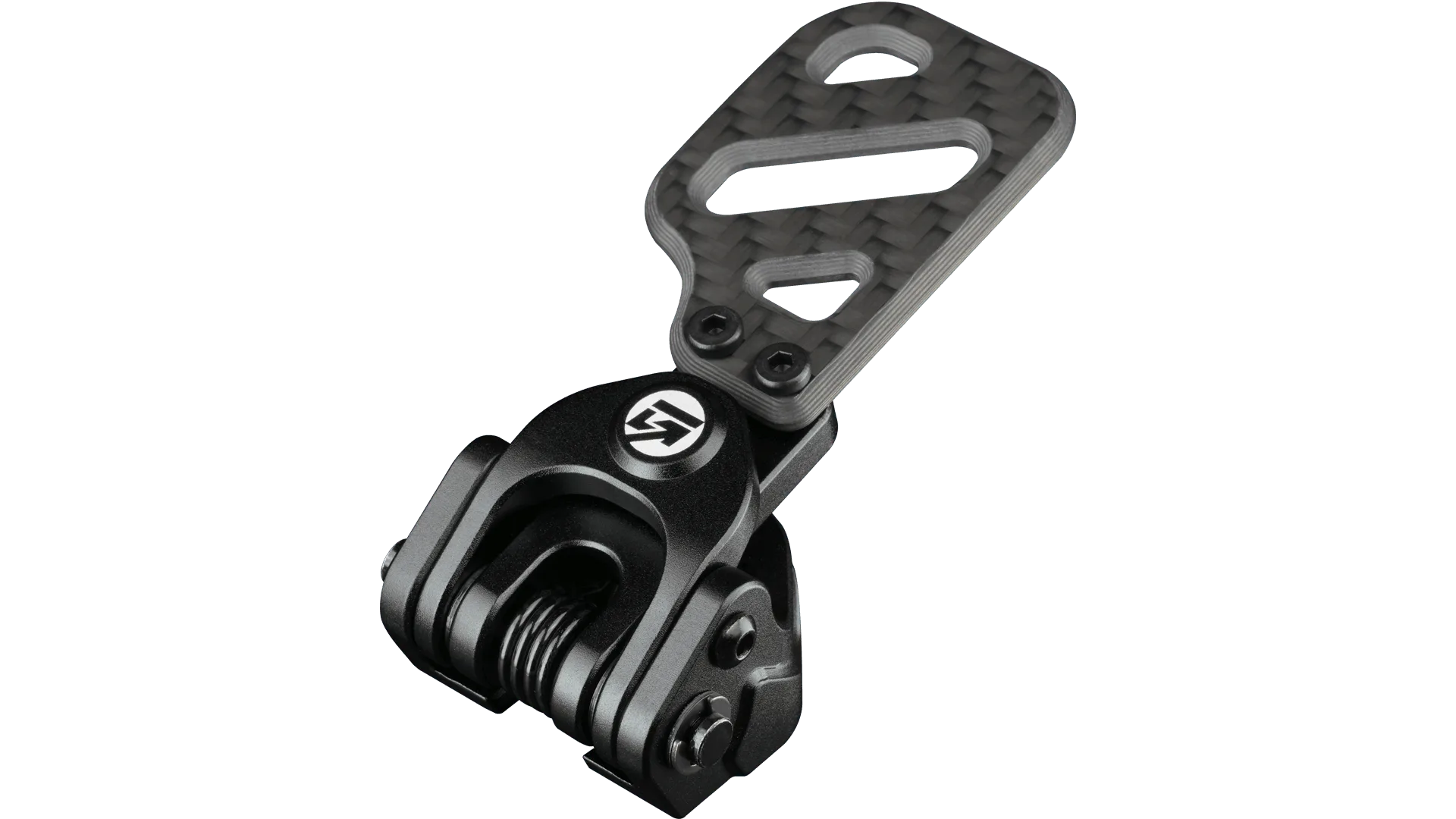
- Interlock Base Module: At the heart of the system is the Interlock Base Module. Available with or without paddle shifters and clutches, it’s a flexible foundation ready to pair with your rim of choice. The optional LED Matrix can be added at any time, keeping your setup open for future upgrades. You can start with a base module and add paddles, clutches, or the LED Matrix later instead of replacing the whole wheel.
- GT 300 mm Wheel Rim: Engineered on a rigid alloy core, every GSI wheel rim provides a stable platform for precise control and accurate force feedback response. Compatible with the GSI Interlock system as well as sim racing button boxes that use a 70mm PCD bolt pattern. The 70mm PCD compatibility means this rim can move between a GSI Interlock setup and common button boxes rather than being locked to one system.
- SC2-X Adapter: The GSI SC2-X adapter is an advanced solution for Simucube users looking to customize their rig with their preferred hub, extension or quick release. Measuring 25mm thick with a 95mm diameter and a weight of only 0.30kg, this adapter offers a sleek and compact design that seamlessly integrates into your setup. It lets Simucube owners run a preferred hub, extension, or quick release, but the 25mm thickness adds to stack height and should be measured against your seating position.
- Simucube 2: Sim racers need durable and reliable equipment. Simucube 2 wheelbases are built to stand the test of time. Using high-grade hardware in all aspects of manufacturing, you don't need to worry about our products breaking or shutting down mid-race. A durable base is the anchor of a compatible build; if the base is reliable, it is worth choosing rims and adapters that fit it properly rather than compromising.
Who this compatibility approach fits
Best for
- Sim racers upgrading from a belt-driven base to a direct drive base and reusing or replacing rims
- Drivers who want to move one rim between a GSI Interlock setup and a 70mm PCD button box
- Buyers who prefer to verify interfaces and stack height before spending on a full wheel
Not for
- Buyers who want a sealed, single-piece wheel and never plan to change rims or add paddles
- Shoppers who will not measure bolt patterns or stack height and prefer to buy on appearance alone
Compatibility is a chain, not a single spec. Confirm the base interface, the rim bolt pattern, and the quick release or adapter between them, then decide whether a modular path like the Interlock system or a verified one-off build suits how often you plan to change your setup.