Quick answer
Run a short monthly check on buttons, paddles, and quick-release play, a deeper clean every season, and one full teardown-style inspection once a year. The single highest-value habit is wiping your wheel rim and grips after every session, because sweat and dust are what actually wear out sim racing equipment. If you only do one thing, do that.
Most sim racing wheels do not fail because of bad hardware. They fail because dust, sweat, and dried-out lubricant quietly build up until a paddle misses a shift or a button sticks at the worst possible moment. A maintenance schedule fixes that by making care predictable instead of reactive.
This guide splits sim racing wheel maintenance into four seasonal checkpoints, each with a clear job. You do not need a workshop or special tools, just a microfiber cloth, isopropyl alcohol, a soft brush, and about 20 minutes per season.
Why a seasonal rhythm beats cleaning when something breaks
A wheel maintenance schedule works because sim racing wear is gradual and invisible. Dust settles into button wells, sweat salts dry on Alcantara or rubber grips, and quick-release hardware slowly loosens from repeated mounting. None of that announces itself until a race is ruined.
Seasonal checkpoints also match how most sim racers actually use their rigs. You tend to drive more in winter and less in summer, so pairing maintenance with the change of season means you clean before heavy use rather than after. That is the whole point of seasonal sim racing care: you stay ahead of the wear instead of chasing it.
- Keep a small care kit near the rig so cleaning is never a project.
- Log the date of each deep clean so you can spot parts wearing faster than expected.
Spring: post-winter inspection and grip recovery
Winter is usually the heaviest sim racing season, so spring is your recovery pass. Start with the grips, because that is where sweat does the most damage. Wipe them with a barely damp microfiber cloth, then let them air dry fully before driving again.
Next, check every button and rotary for smooth travel. Press each one slowly and feel for grit or a mushy return. If a button feels different from its neighbors, that is your early warning, and it is far cheaper to address now than after it fails mid-league-race.
- Avoid soaking grips; a damp cloth is enough and excess moisture can reach electronics.
- Check paddle shift magnets and springs for consistent resistance across both paddles.
Summer: dust control and hardware torque check
Warmer months often mean more dust in the room, especially if you run fans or keep windows open. Dust is the main enemy of direct drive wheel care because it works into quick-release mechanisms and button gaps. Brush the wheel face and the hub area with a soft brush rather than blowing air, which just moves dust deeper.
This is also the right time to check mounting hardware. Gently test for play at the wheel-to-base connection and at the cockpit mount. If something has loosened, tighten it to the manufacturer's specification rather than guessing at maximum torque.
- Never overtighten quick-release or hub bolts; snug and spec-correct beats maximum force.
- If you use a hub extension, verify it is seated squarely with no wobble before driving.
Autumn: pre-season deep clean before heavy use
Autumn is your most important checkpoint because the busy racing season is about to start. Do a full clean: wheel face, grips, paddles, button wells, and the rear of the rim. Use isopropyl alcohol sparingly on hard surfaces and keep it away from leather, Alcantara, and printed labels.
After cleaning, run a short calibration or input test in your sim of choice. Press every button and rotate every dial to confirm nothing was disturbed during cleaning. This five-minute test catches problems while the rig is still on the bench instead of at lap one of a race.
- Test inputs after every deep clean, not just when something feels wrong.
- Replace worn grip tape or covers now rather than mid-season.
Winter: race-mode checks and quick weekly habits
During peak season, keep maintenance light and frequent. A 60-second wipe of the grips and wheel face after each session prevents most of the buildup that would otherwise require a deep clean. This is the habit that makes the biggest difference over a full year.
Once a month, do a quick functional pass: shift up and down through the paddles, cycle every rotary, and listen for new rattles or clicks. New noises usually mean something has loosened, and catching that early protects both your wheel and your lap times.
- Wipe grips after every session; it takes less than a minute and saves hours later.
- Note any new sound or resistance change and investigate it before your next race.
What to check on direct drive hardware specifically
Direct drive wheel care adds one concern that belt-driven wheels do not have: torque. High torque magnifies any looseness, so a slightly loose quick-release or hub becomes a noticeable vibration or a shifting center point. Check the connection between wheel and base regularly, and confirm the wheel is fully seated before every session.
Durability matters here too. Simucube 2 wheelbases are built to stand the test of time using high-grade hardware in all aspects of manufacturing, so the base itself rarely needs attention beyond keeping it clean and ventilated. Your effort is better spent on the wheel, hub, and grips.

Simucube 2
- Keep the base's ventilation path clear of dust and clutter.
- Re-check torque-sensitive connections whenever you swap wheels.
Your four-season wheel care steps
- Step 1: Spring grip and button inspection: Wipe grips with a barely damp microfiber cloth, let them dry fully, then press every button and rotary slowly to feel for grit or a mushy return. Checkpoint: every button should feel the same as its neighbors. A difference is an early warning.
- Step 2: Summer dust and torque check: Brush dust from the wheel face and hub with a soft brush, then gently test the wheel-to-base and cockpit mounts for play and tighten to spec if needed. Common mistake: overtightening. Snug and spec-correct is the goal, not maximum force.
- Step 3: Autumn deep clean and input test: Clean the full wheel, then run a calibration or input test in your sim to confirm every button and dial still registers correctly. Checkpoint: if any input fails the test, fix it now while the rig is on the bench.
- Step 4: Winter weekly wipe and monthly function pass: Wipe grips and the wheel face after every session, and once a month cycle all paddles and rotaries while listening for new rattles or clicks. Next step: log any new noise or resistance change and investigate before your next race.
How GSI wheels fit into a care routine
- Simucube 2: Simucube 2 wheelbases are built to stand the test of time using high-grade hardware in all aspects of manufacturing. You can focus your maintenance time on the wheel, grips, and hub rather than worrying about the base failing mid-race.
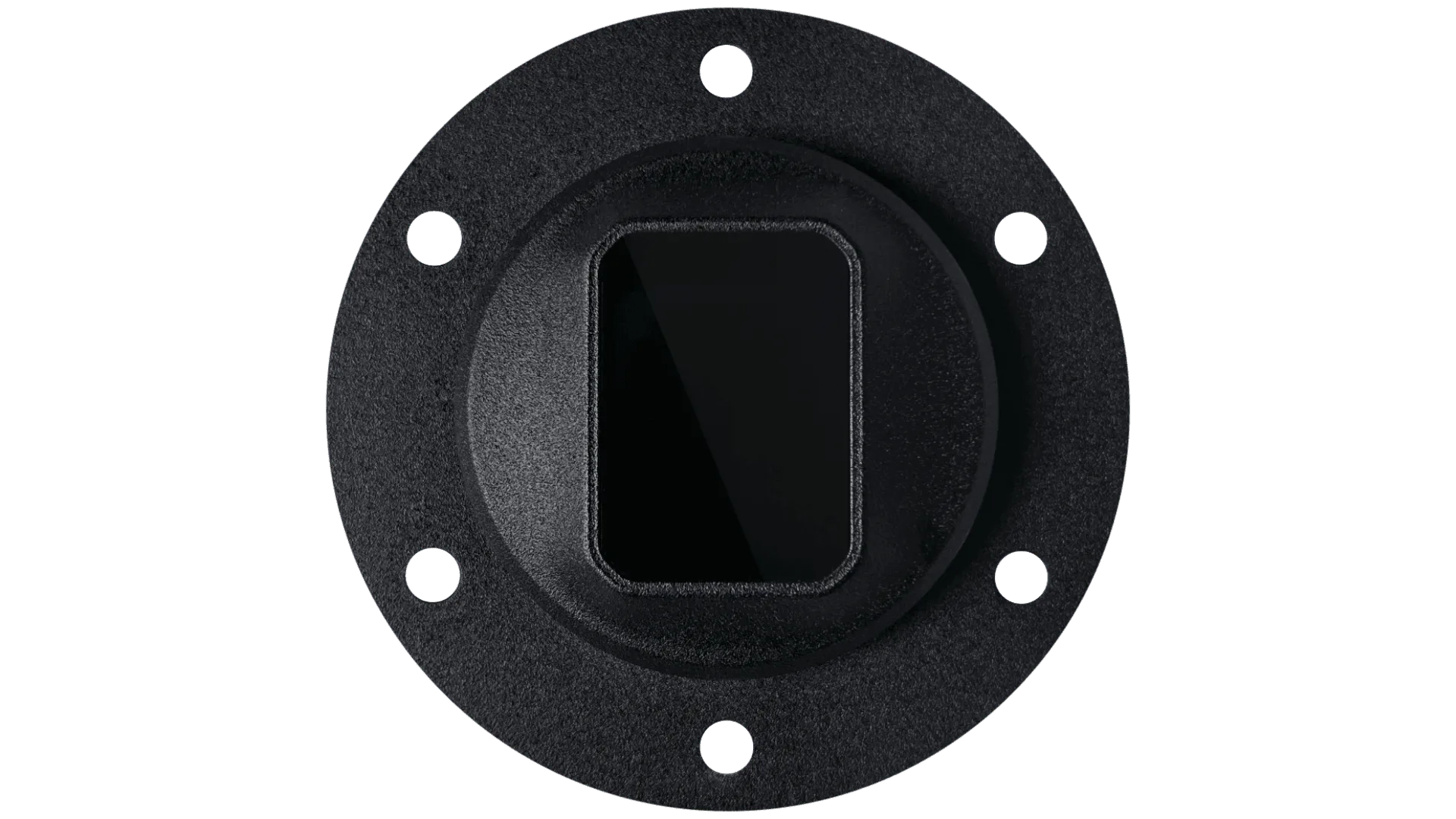
- AH50 Hub: The AH50 Hub Extension provides a 50mm extension with a compact 82mm diameter and a 70mm bolt pattern on both sides, with one side fully threaded and the other non-threaded. That dual bolt pattern gives you versatile mounting, but it also means an extra connection to check for play during your seasonal torque pass.
- Hyper SL: The Hyper SL is a screenless wheel constructed with premium materials and built for the serious sim racer. A screenless design removes one more surface to clean and keeps your routine focused on grips, buttons, and paddles.
A seasonal sim racing wheel maintenance schedule takes about 20 minutes four times a year, plus a one-minute wipe after each session. That is a small price for a wheel that shifts cleanly, feels consistent, and does not surprise you on lap one. Pick your next season and start there.