Quick answer
Start with 7 to 10 pieces you will wear in a normal week: mostly neutral briefs, two or three bras that fit well, and one comfortable set for rest days. Add a comfort upgrade like microfibre or modal only after that base is working, then add one occasion piece. Buying in lots keeps the cost per piece low while you test what you actually reach for.
Most drawers fail for the same reason: too many one-off purchases, not enough repeat wear. A lingerie essentials set is not about owning less for the sake of it. It is about knowing which pieces you will reach for on a Tuesday morning, and buying those first.
This guide gives you a build order, concrete decision rules, and fit checks. It uses real DIM pieces as examples, but the logic works with anything already in your drawer.
Start with the pieces you wear weekly
Count what you wore in the last seven days. That number, not your drawer size, is your real baseline. If you wore six briefs and two bras, buy toward eight briefs and three bras so laundry day never forces a compromise. Neutral colours cover more outfits per piece, which is why underwear drawer basics usually start with black, white, nude, or soft prints rather than bold statement colours.
Lots are the fastest way to build that base. A three-pack gives you three wears for one decision, and it keeps the per-piece cost predictable while you learn which cut you actually like.
- Buy toward your weekly wear count plus two, not toward a full week of seven identical pieces.
- Keep at least two neutral briefs for light-coloured clothing.
Match fabric to the job, not to the trend
Cotton is the default for daily wear because it is breathable and easy to wash. Stretch cotton adds recovery so the shape holds after repeated washing. Microfibre is the better pick when you want a smooth line under fitted clothes, because it is ultra-fine and disappears under fabric. Modal and cotton blends sit in between: soft, fluid, and comfortable for long days.
None of these is universally better. The trade-off is simple: cotton wins on breathability and durability, microfibre wins on invisibility and quick drying, and modal blends win on softness. If you are building a starter set, make cotton the majority and add one microfibre piece to test.
- If you wear fitted trousers or dresses most days, add microfibre before you add more cotton.
- If you sweat easily or wash frequently, keep cotton as your base fabric.
Get the fit right before you buy more
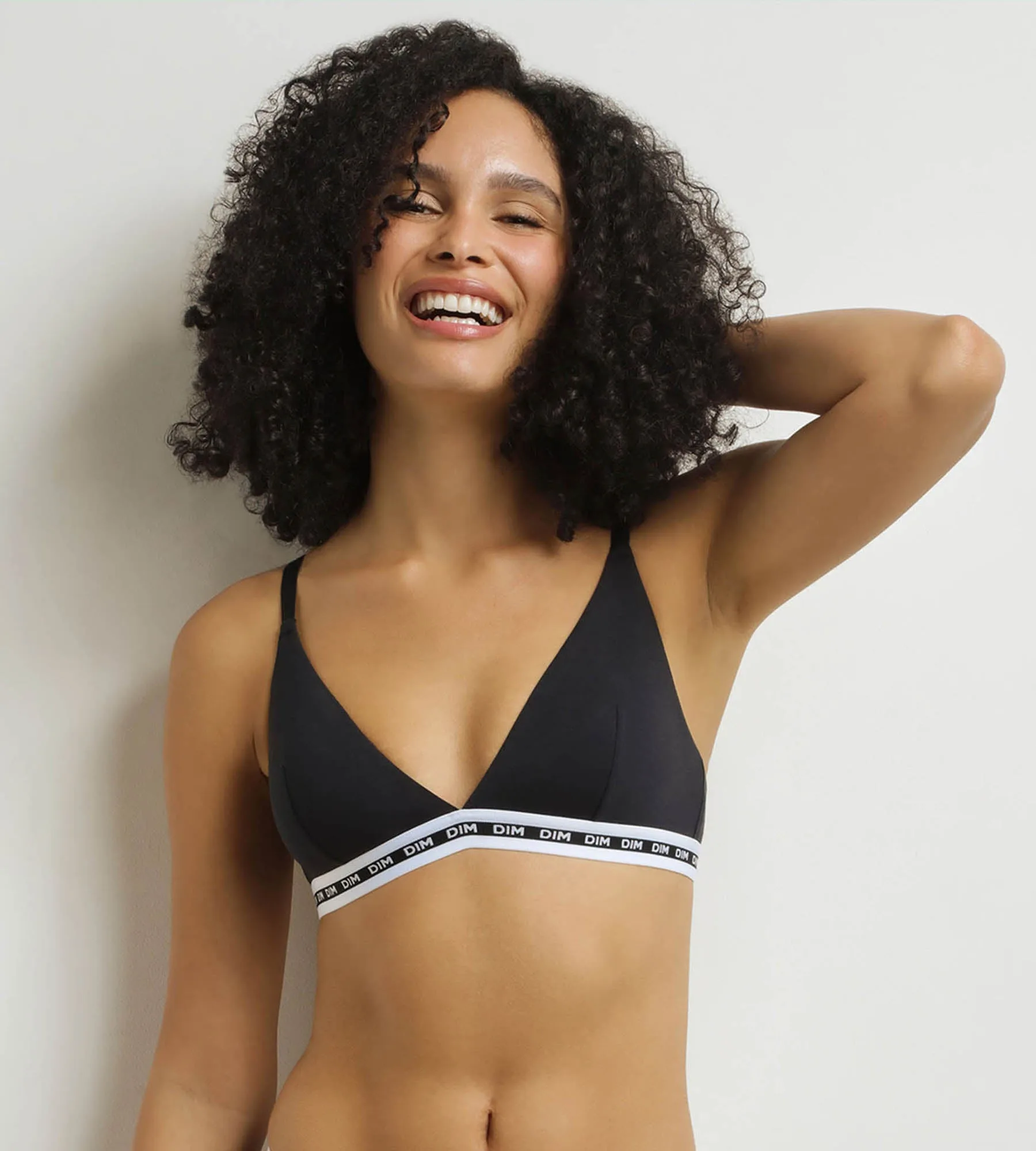
Fit is the reason most underwear stays unworn. For briefs, the waistband should sit flat without digging, and the leg openings should not cut into the crease. If you are between sizes, size up in cotton stretch and stay true to size in microfibre, which has more natural give. For bras, the band does the supporting work, so check that it stays level at the back and that the centre front lies flat against your sternum.
A quick test: put the piece on, sit down, and raise your arms. If it shifts, rolls, or needs adjusting, it will do the same at 3pm. Return it to the drawer and try the next size or cut.
- Check the band first, then the cups: a riding-up band means the band size is too large.
- For boxer cuts, a fitted shape should follow your movement without compressing.
Add comfort and occasion pieces last
Once your weekly base works, add one comfort upgrade. This is usually a softer fabric or a cut that feels better on rest days, long travel days, or when you want less pressure on the waist. Then add one occasion piece, such as a lace-trimmed string or a matching set, so you are not buying it in a rush before an event.
This order matters because comfort and occasion pieces are the easiest to overbuy. They are also the pieces you wear least, so they should never crowd out the basics.
- Cap occasion pieces at one or two until you have worn your base set for a full month.
- If a comfort piece does not get worn in two weeks, it is not a comfort piece for you.
Decision rules for your starter set
- How many to buy: Count last week's wear, add two. That is your target for briefs or boxers. For bras, keep three in rotation so one can rest between wears. Stop when you can get through a normal week without an emergency wash.
- Which fabric first: Choose cotton or cotton stretch as the base unless smooth lines under fitted clothes are your priority, in which case start with microfibre. One fabric family for the base, one alternative to test.
- When to size up: Size up in cotton stretch if the leg openings mark your skin. Stay true to size in microfibre, which has more natural give. If it needs adjusting when you sit down, change the size, not the drawer.
- When to add a set: Add a matching or lace-trimmed piece only after your weekly base is complete and you have worn it for a month. Occasion pieces last; buy them last.
Real DIM pieces that fit this build order
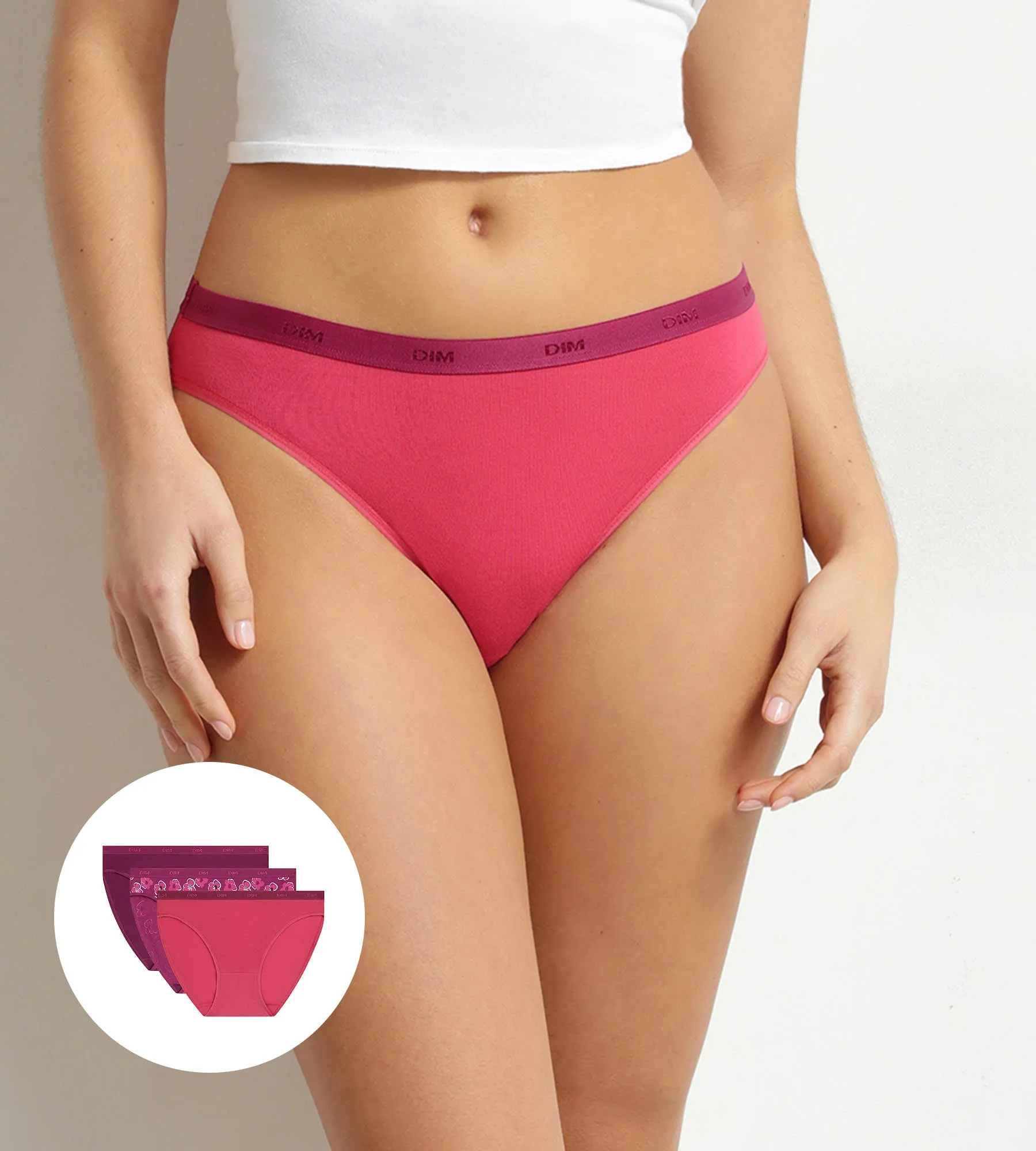
- Lot de 3 slips femme en coton stretch Fleurs Rubis Les Pockets: Stretch cotton briefs with elastic edges and a floral print in punchy pink tones, sold as a three-pack. A practical first buy for the weekly base: three wears per purchase, soft cotton for daily use, and edges designed to sit under clothing.
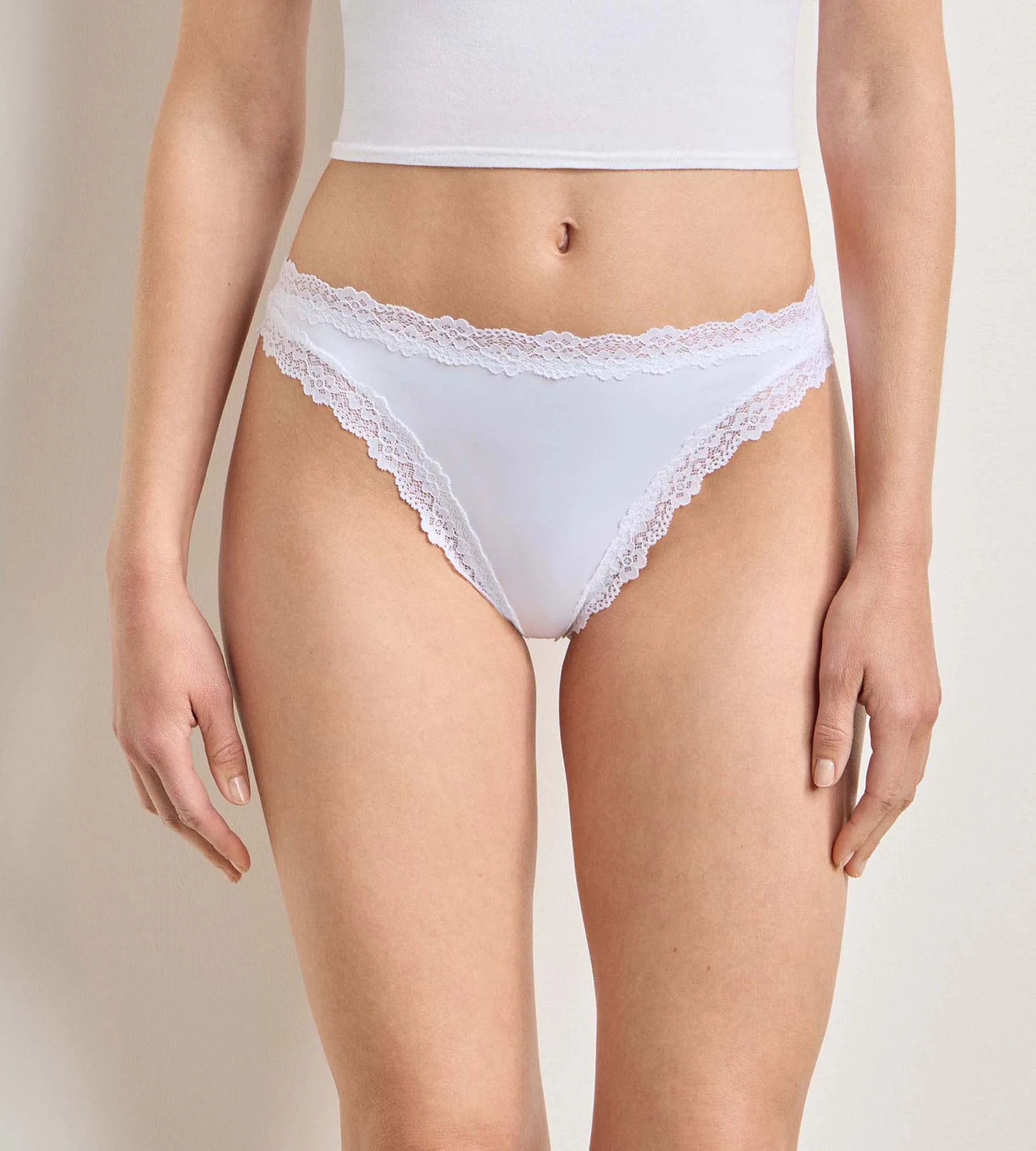
- String femme en microfibre et dentelle Blanc Dim: Ultra-fine microfibre with floral lace in white, cut as a minimalist string that frees the hips. The right second step if you wear fitted clothes: microfibre stays discreet under fabric, and the neutral white works with light outfits.
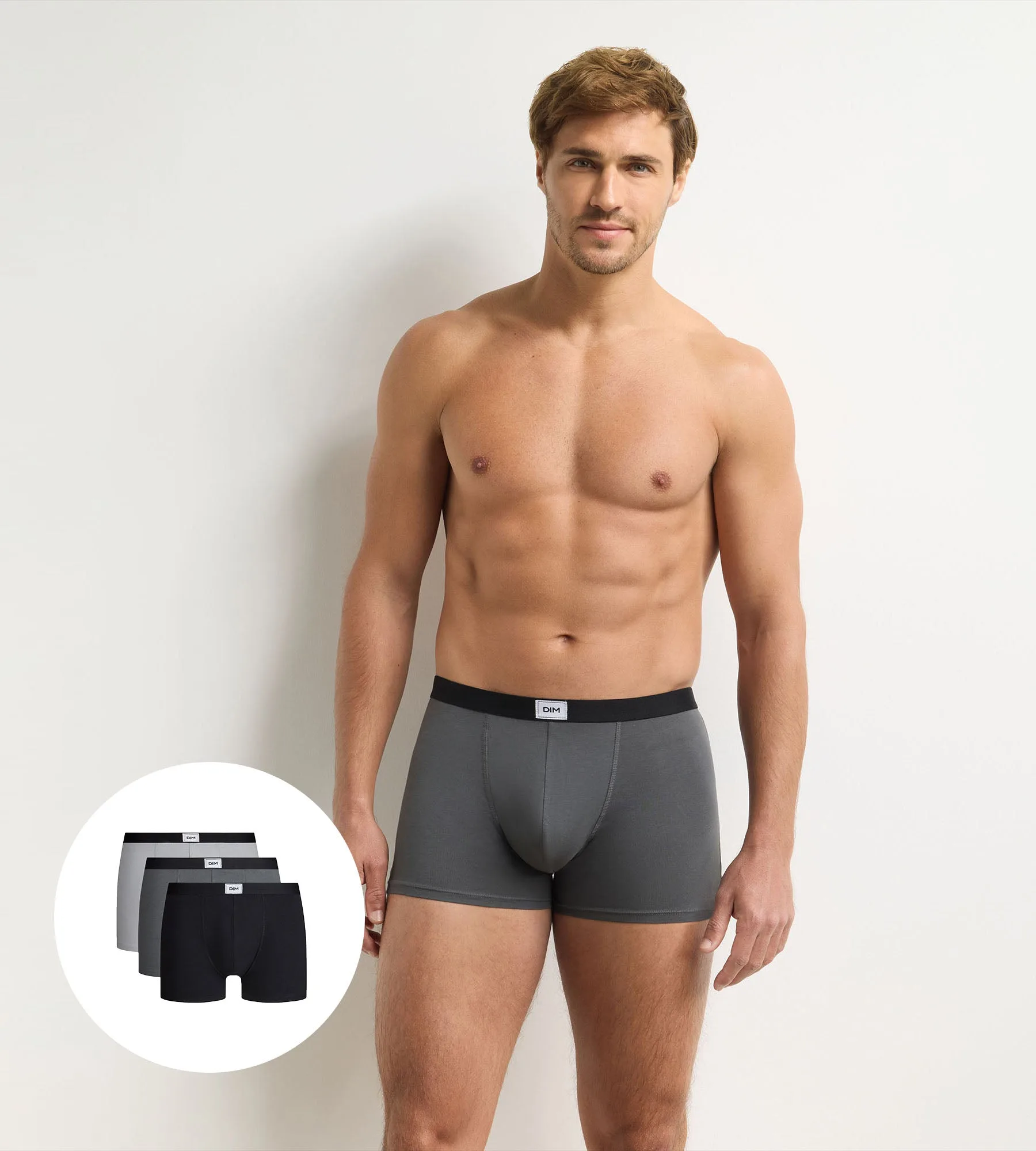
- Lot de 3 boxers homme hiver Ultra Resist: Boxers in 96% cotton and 4% elastane with a fitted shape, sold as a three-pack. Shows the same build logic for men: a cotton-rich blend for breathability with enough elastane for a fitted shape that moves.
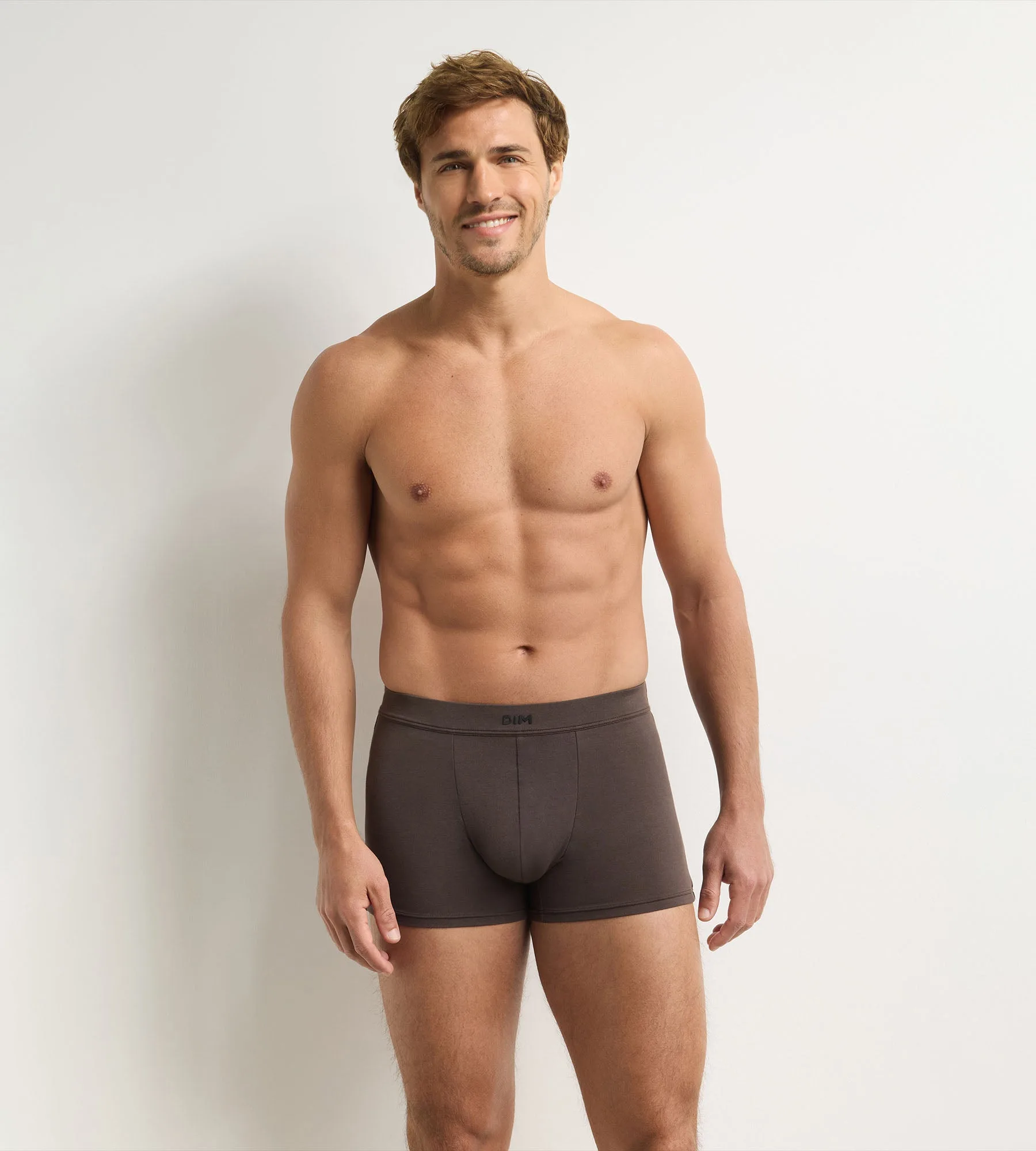
- Boxer homme à ceinture élastique chocolat profond Gentleman: Modal-cotton boxer with a fitted shape, deep chocolate colour, and an elastic waistband with a subtle logo. A comfort upgrade option: the modal-cotton blend targets softness and easy movement once your cotton basics are covered.
Who this build order suits
Best for
- Anyone replacing a drawer of mismatched pieces with a repeat-wear base
- Shoppers who want a clear everyday lingerie checklist before spending on extras
- People who wear fitted clothing and need at least one smooth-line option
Not for
- Shoppers looking for a single statement set for one event
- Anyone who already has a stable weekly rotation and only needs to replace one worn-out piece
Build the base you wear weekly, confirm the fit, then add comfort and occasion pieces one at a time. That order keeps your lingerie essentials useful instead of decorative, and it keeps the drawer from filling up with pieces you never reach for.