Quick Answer
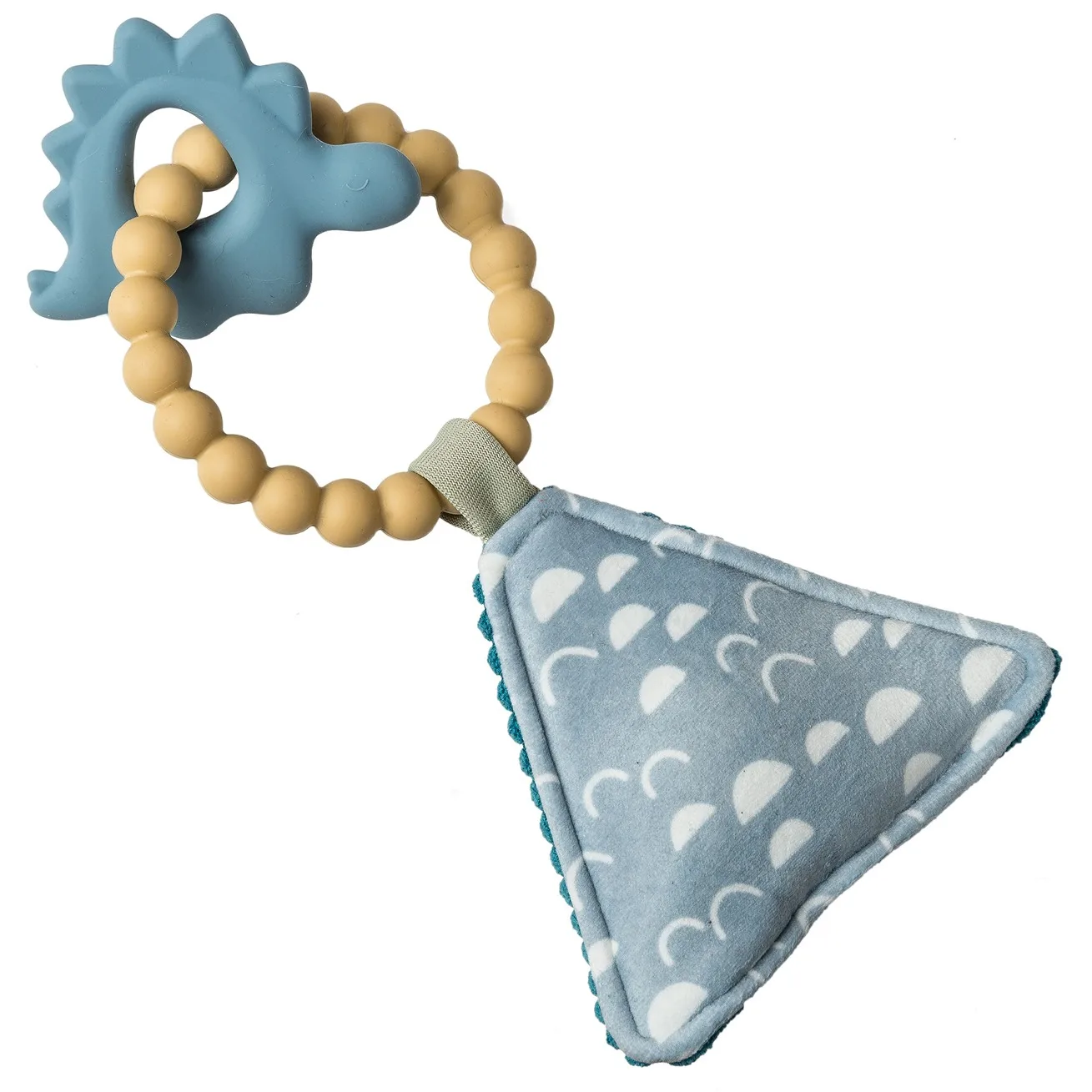
For most babies, silicone teethers like the Simply Silicone line are the better choice because they are food-safe, durable, and easy to clean, while fabric teethers offer more sensory variety but require more maintenance.
Safety and Materials: What to Look For
When choosing a teether, safety is the top priority. Look for non-toxic, food-safe materials that are free from BPA, phthalates, and other harmful chemicals. Silicone teethers, like those from the Simply Silicone line, are made from food-safe silicone, making them a reliable choice for chewing. Fabric teethers, on the other hand, are often made from soft textiles that may be treated with finishes or dyes, so it's important to check for certifications and wash them before first use.
Silicone is also highly durable and can withstand hot and cold temperatures, which makes it versatile for cooling in the fridge or sterilizing. Fabric teethers are softer and more absorbent, but they can harbor bacteria if not cleaned properly.
Texture and Sensory Stimulation
Babies explore the world through their mouths, so texture matters. Silicone teethers often have varied textures like ridges, bumps, or embossed patterns that massage sore gums. The Simply Silicone Stacking Stars, for example, have an embossed star on the bottom of each cup, offering a unique tactile experience. Fabric teethers may include different fabrics, crinkle materials, or attached tags that provide additional sensory input beyond just chewing.
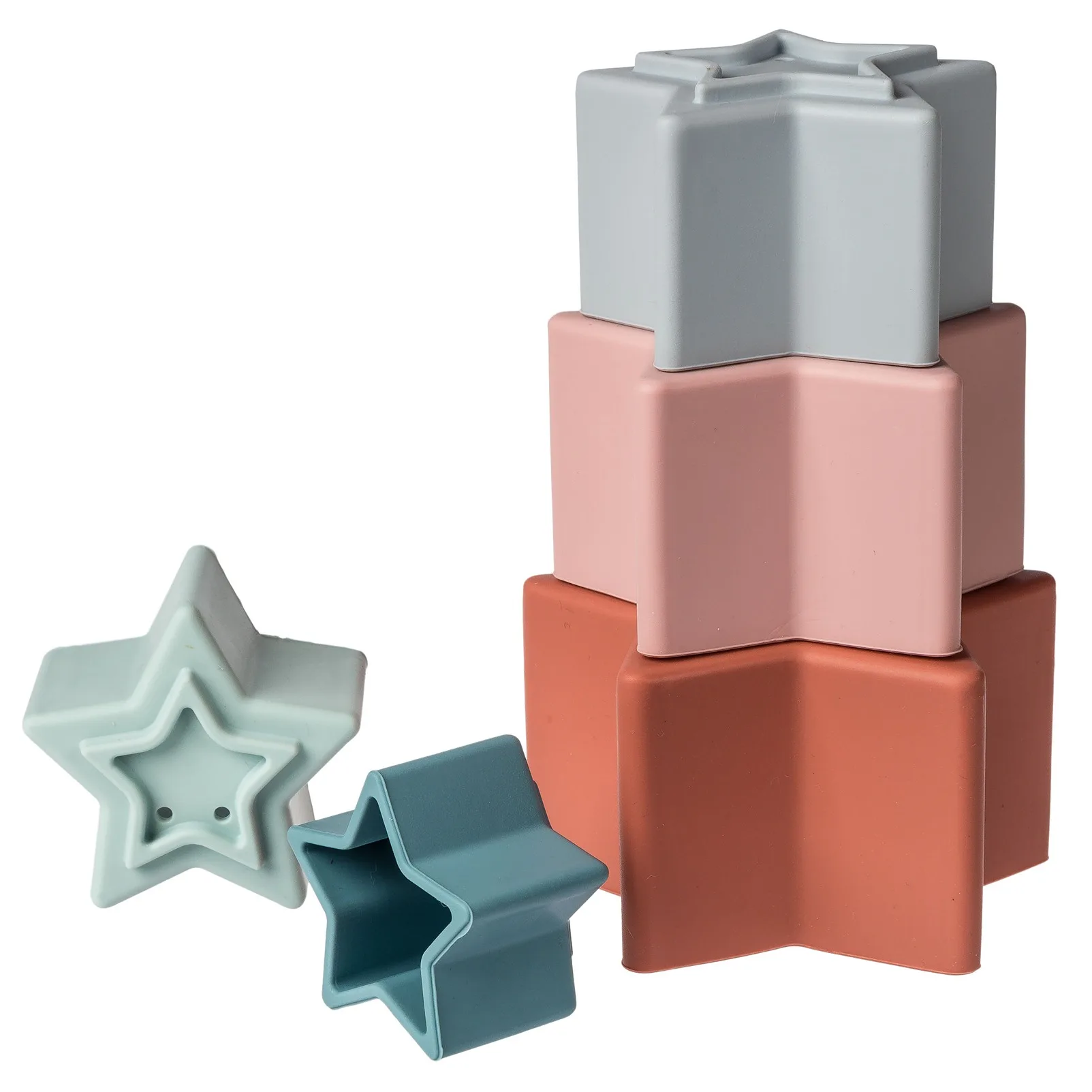
Simply Silicone Stacking Stars
If your baby is easily overstimulated, a simple silicone design might be more calming. If they need more sensory engagement, fabric teethers with multiple textures could be more appealing.
Cleaning and Maintenance: A Key Trade-off
Silicone teethers are a breeze to clean: they can be wiped down, washed with soap and water, or even thrown in the dishwasher. They dry quickly and don't absorb liquids, so they stay hygienic with minimal effort. Fabric teethers, however, need to be washed regularly in the laundry, and they take longer to dry. They can also develop odors or mildew if not dried properly.
If you're always on the go, silicone is more practical. If you don't mind the extra laundry, fabric offers a softer feel that some babies prefer.
How to Choose: Silicone vs Fabric
- Choose silicone if...: You prioritize easy cleaning, durability, and food-safe materials. Silicone teethers are also great for cooling in the fridge to soothe gums. Look for teethers with varied textures to keep your baby engaged.
- Choose fabric if...: Your baby prefers softer textures or you want a teether that can also double as a comfort object. Fabric teethers are often more portable and can be attached to clothing. Remember to wash fabric teethers frequently and ensure they dry completely to prevent mold.
- Consider a mix of both...: Some babies respond better to different textures at different stages. Having both silicone and fabric options allows you to rotate based on your baby's mood and teething intensity. Observe which material your baby gravitates to and invest in more of that type.
Meet the Simply Silicone Collection
-
Simply Silicone Soft Squeaker – Heart – 9″: Made of food-safe silicone, perfect for teething little ones. You can let your baby chew with confidence, knowing the material is safe and non-toxic.
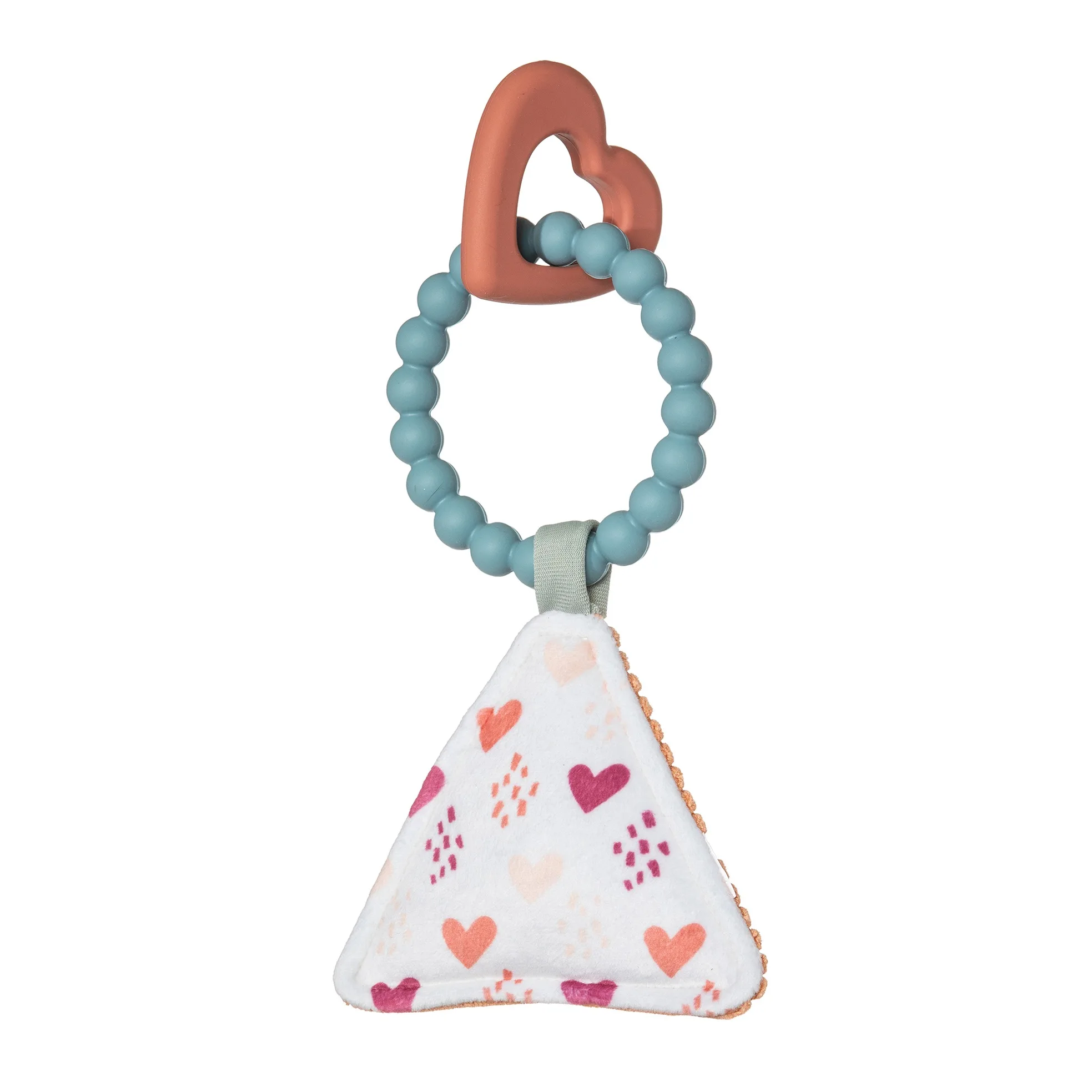
Simply Silicone Soft Squeaker – Heart – 9″
-
Simply Silicone Soft Squeaker – Dino – 9″: Silicone is soft, flexible, and has no sharp edges, perfect for safe play. The flexible design is gentle on sore gums and reduces the risk of injury during teething.
Which Is Right for Your Baby?
Best for
- Babies who are heavy chewers and need a durable, safe surface to gnaw on.
- Parents who want low-maintenance, easy-to-clean teething solutions.
Not for
- Babies who are very sensitive to hard textures and prefer softer, fabric-based comfort.
- Parents who are willing to handle extra laundry and prefer a more traditional, plush teething experience.