Quick Answer
Choose a single dash cam if you want simple, budget-friendly front coverage; choose a dual dash cam if you also want rear protection for parking incidents or rear-end collisions.
Coverage: What Each Setup Protects
A single dash cam records only what happens in front of your vehicle. That covers most collisions, but it misses events behind you, such as a rear-end crash or a hit-and-run while parked.
A dual dash cam adds a rear camera, giving you evidence from both ends. This is especially useful if you frequently park on the street, drive in heavy traffic, or want full documentation of any incident.
Installation and Maintenance Trade-offs
A front-only cam is easier to install: you mount it on the windshield, route the power cable, and you're done. A dual setup requires running a cable to the rear window, which takes more time and may need extra clips or a professional installer.
Dual cams also mean more footage to manage, so you'll want a model with enough storage and an easy way to review clips. Consider whether the extra rear coverage is worth the added setup effort.
Budget and Value Considerations
Single cams are generally more affordable, making them a good entry point if you're on a budget. Dual cams cost more upfront but can save you money later by providing evidence that protects your insurance claim.
When comparing models, look at the camera resolution and low-light performance, not just the number of lenses. A high-quality front camera can be more valuable than a lower-resolution rear camera.
How to Choose: Decision Rules
- Your main concern is front collisions: If you want to capture the car ahead and avoid the extra installation effort, a single dash cam like the 70mai M500 is sufficient.
- You want rear-end or parking protection: If you're worried about being hit from behind or want evidence of incidents while parked, choose a dual dash cam like the 70mai A510. Check if the rear camera supports parking surveillance to get full 24-hour coverage.
- You have a tight budget: If cost is a priority, a single cam saves money upfront. You can always add a rear camera later if your needs change. Compare the resolution and low-light performance of the front camera before deciding.
Product Facts
-
70mai Dash Cam M500 2.7K HD with Built-in eMMC, 170° FOV & HDR Recording: The 70mai Dash Cam M500 records in 2.7K (1944P) with HDR and a 170° field of view, and it supports 24-hour parking surveillance. This single-cam setup gives you sharp, wide front coverage and can keep recording while parked, without the extra wiring of a rear camera.
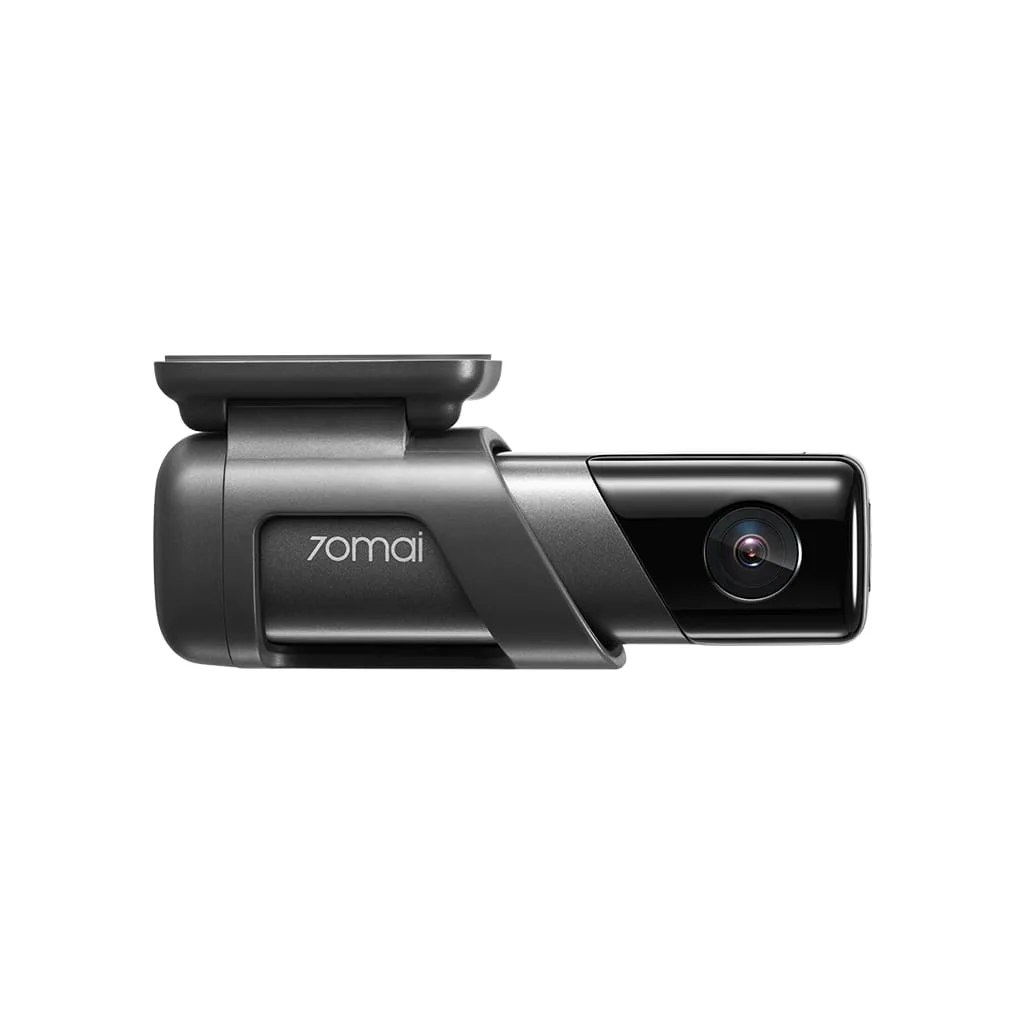
70mai Dash Cam M500 2.7K HD with Built-in eMMC, 170° FOV & HDR Recording
-
70mai Dash Cam A510 2.7K HD with Sony STARVIS 2, 4G LTE & Dual HDR Supported: The 70mai Dash Cam A510 uses Sony STARVIS 2 technology and supports dual HDR recording for both front and rear channels. This dual-cam option delivers clear footage in low light and captures incidents behind you, making it a strong choice for full-coverage protection.
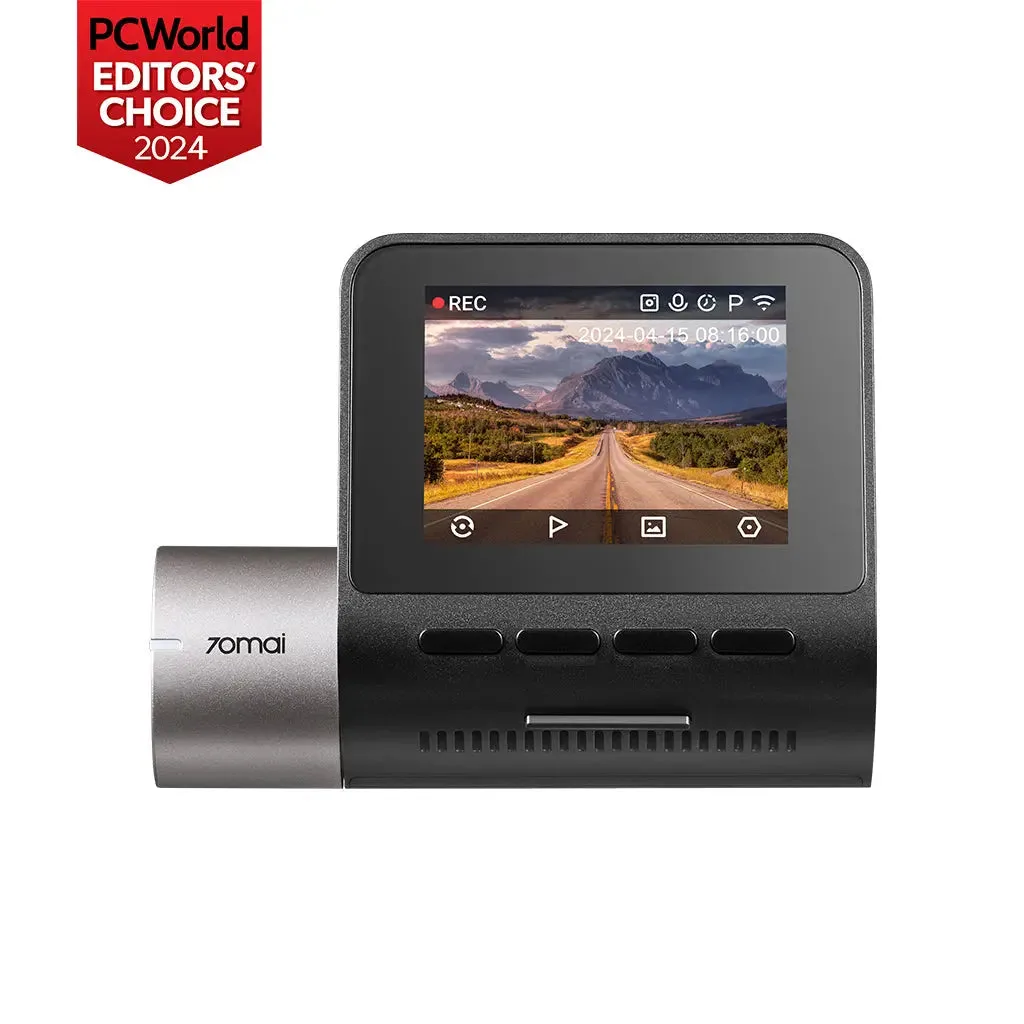
70mai Dash Cam A510 2.7K HD with Sony STARVIS 2, 4G LTE & Dual HDR Supported
Which Setup is Best for You?
Best for
- Single dash cam: drivers who want simple, affordable front coverage and don't need rear recording.
- Dual dash cam: drivers who frequently park on the street, drive in heavy traffic, or want full evidence of rear-end incidents.
Not for
- Single dash cam: drivers who need rear evidence for insurance claims or parking incidents.
- Dual dash cam: drivers who want the simplest installation and don't mind missing rear coverage.