Quick answer
Store needlepoint thread in a clean, dry container away from direct sunlight, keep each skein in its own labeled bag or slot, and never let loose ends rub against other fibers. For silk and wool blends like Milan Skeins, add a desiccant packet and handle with clean, dry hands. If a skein is already frayed, cut the damaged end back to sound fiber and re-knot; if the whole skein is brittle or musty, replace it rather than risk your canvas.
Start with a clean, dry home
Thread damage usually starts before the first stitch. Dust, humidity, and sunlight break down protein fibers over time, so pick a storage spot that stays dark and dry. A lidded plastic bin or a zippered project bag works well; a sunny windowsill does not. If you live in a humid climate, drop a silica gel packet in the bin and replace it every few months. Keep the bin off the floor to avoid dust and pests, and away from heating vents that dry silk out and make it brittle.
Separate skeins to stop tangling and abrasion
Loose skeins in a pile rub against each other and fray. Give each one its own space: a small zip bag, a slot in a thread organizer, or a labeled envelope. Write the color name or number on the outside so you can find it without digging. If a skein comes with a paper band, leave it on until you stitch; the band holds the loops in order and prevents the loose end from wrapping around neighboring fibers. For partial skeins, wind the leftover length around a floss bobbin or a small piece of card, then tuck the tail under the last wrap.
Handle with clean hands and the right tools
Oils and dirt from your hands transfer to thread and attract grit. Wash and dry your hands before stitching, and avoid hand lotion right before you pull a strand. Cut skeins with sharp scissors rather than pulling them apart; a clean cut leaves a blunt end that is less likely to fray. When you separate a strand from a skein, pull one length at a time and let the rest relax. If you use a thread conditioner, test it on a short piece first, because some conditioners leave a residue that dulls silk.
Travel and project storage
Thread that travels with you needs more protection than thread that stays on a shelf. A rigid box or a project bag with a zipper keeps skeins from being crushed at the bottom of a tote. Keep the current project's threads in a smaller pouch inside the larger bag so you are not opening the whole stash on a windy day. If you stitch outdoors, bring a clip or a small weight to keep loose ends from blowing against rough surfaces. At the end of a session, return every skein to its labeled slot before you pack up.
Diagnosis: match the symptom to the fix
- Symptom: fuzzy, frayed ends on a skein: Likely cause: the loose end rubbed against other skeins or a rough container. Corrective action: cut back to sound fiber, re-knot the end, and give the skein its own bag or slot. Stop if the fraying runs more than a few inches into the skein; that length is weakened and better used for a small test stitch or discarded.
- Symptom: thread snaps when you pull it: Likely cause: dry heat or age has made silk brittle. Corrective action: move storage away from vents and sunlight, add a desiccant if humid, and test a short length before stitching. Choose another option if the strand breaks under normal tension; replace the skein rather than risk a mid-project break.
- Symptom: musty smell or dark spots on skeins: Likely cause: moisture was trapped in the container. Corrective action: discard affected skeins, wash and dry the bin, and add fresh desiccant before restocking. Stop and replace any skein with visible mold; it can transfer to canvas and other fibers.
- Symptom: colors bleeding or transferring between skeins: Likely cause: damp storage let dye migrate, especially with silk blends. Corrective action: isolate the affected skein, keep the rest dry, and store each color in its own bag. If the bleed is widespread, replace the group; do not stitch it into a light-colored area.
Product facts
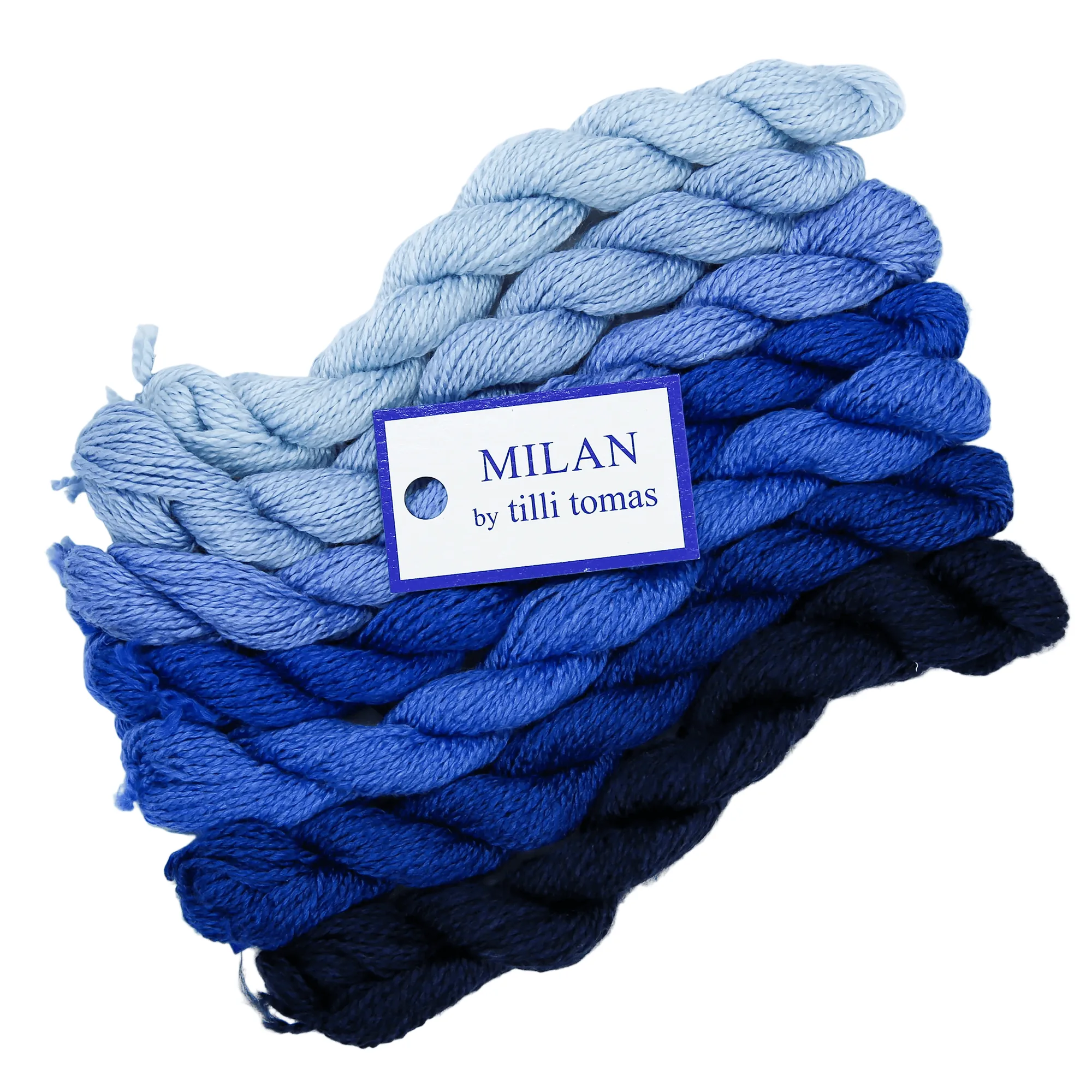
- Milan Skeins: Milan Skeins are 50% silk and 50% merino wool, 30-yard skeins, recommended for 13 mesh with coverage of about 20 square inches per skein. The silk-wool blend is sensitive to moisture and abrasion, so dry, separated storage matters more than it would for a synthetic thread.
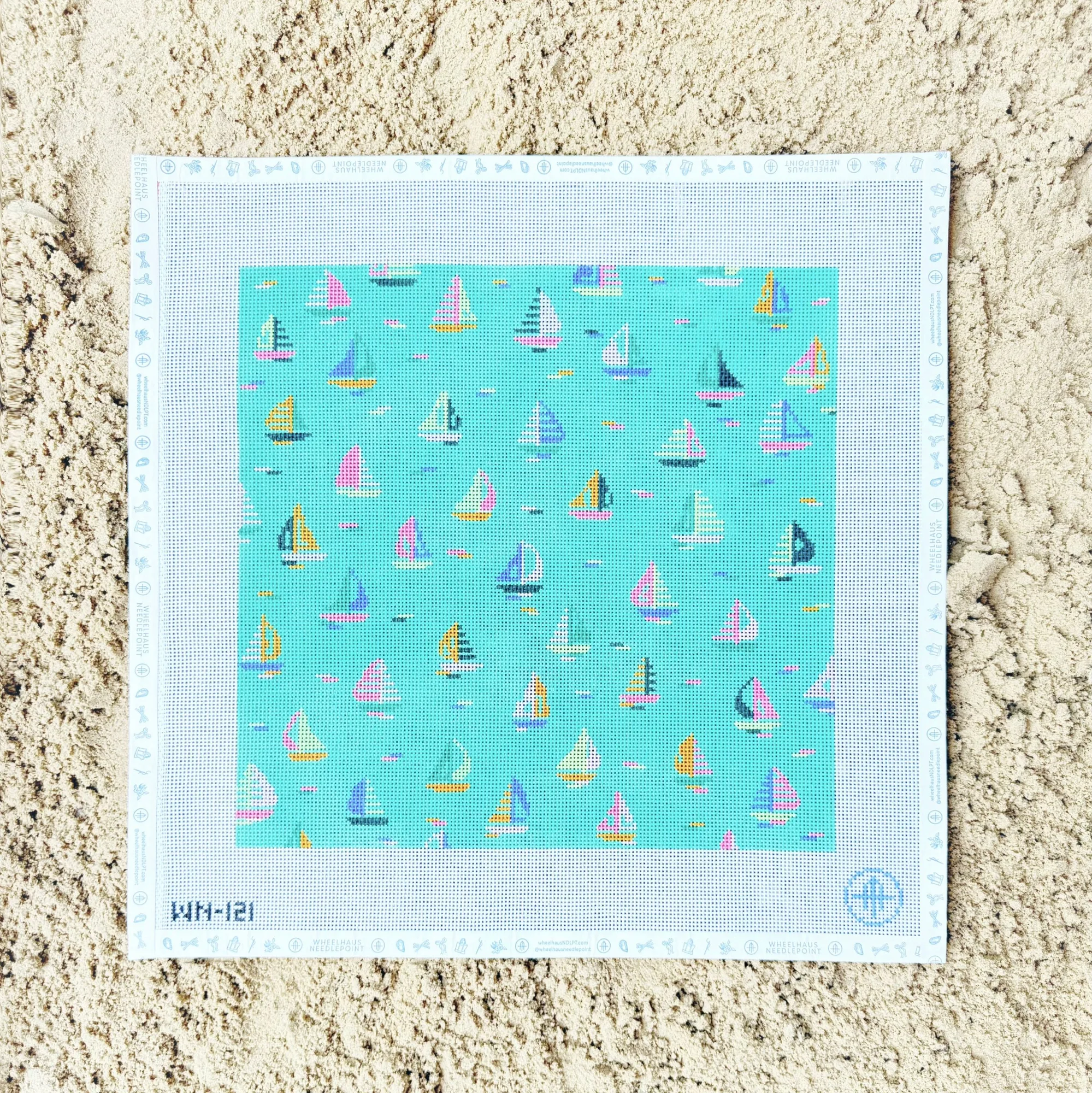
- Come Sail Away - Tray: Come Sail Away - Tray is a 13 mesh, stitch-painted canvas with a 12 x 12 design, and the thread kit includes a curated selection of silk and wool fibers plus a thread ring. A kit with multiple fibers gives you a built-in storage test; keep the thread ring and baggy together so the curated fibers stay matched to the canvas.
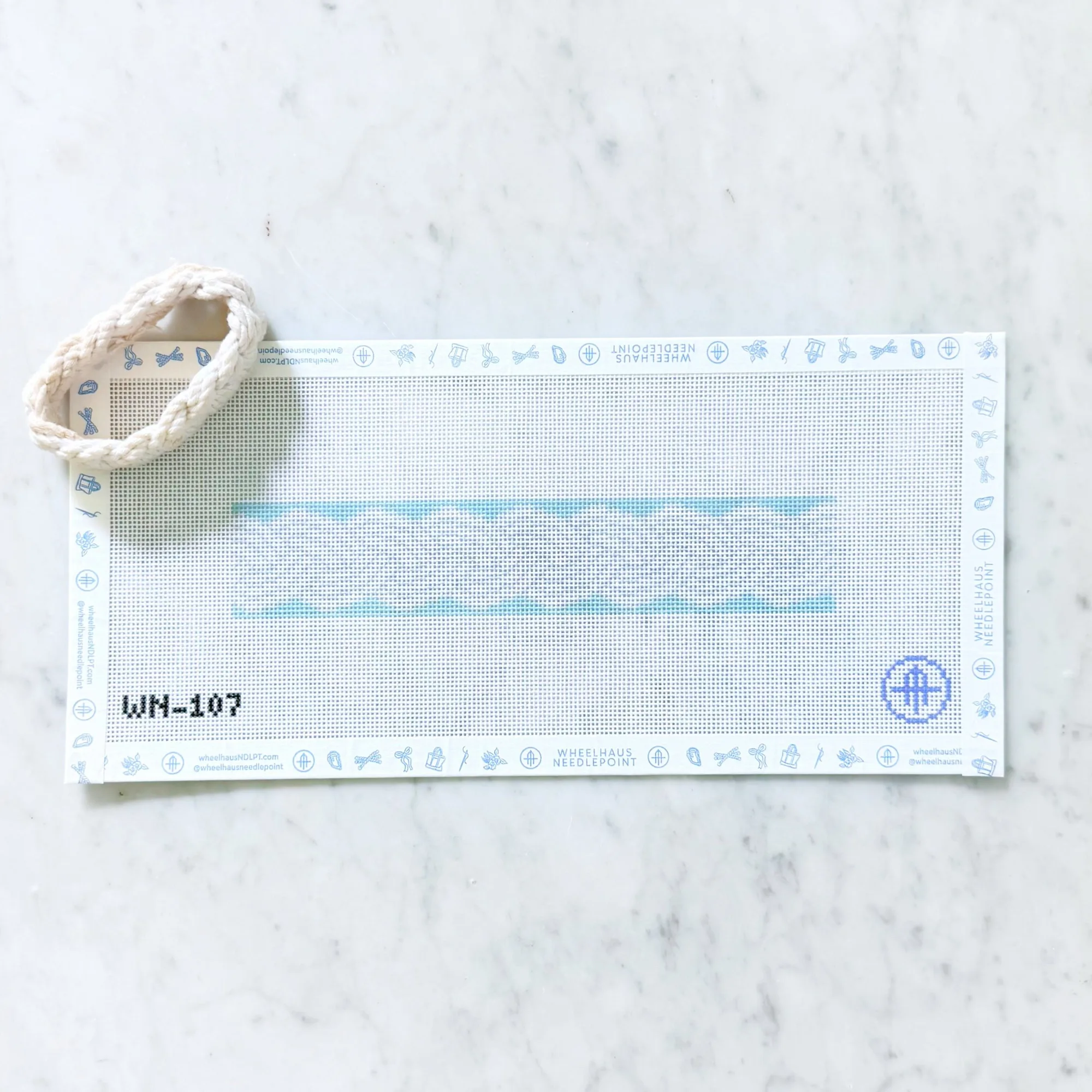
- Sailor's Rope Wristlet Key Fob: Sailor's Rope Wristlet Key Fob is a 13 mesh, stitch-painted canvas with a 7 x 1.5 inch design, and the thread kit includes a tapestry needle and stitch brochure. Small projects use short thread lengths, so leftover skeins are common; label and store them so you can match dye lots if you stitch the design again.