Quick answer
Choose a ski boot flex that matches your ability and terrain first, then let fit and liner decide the final call. Beginners do best in softer flex, advanced skiers in stiffer flex, and a boot that pinches or floats will never ski well no matter what number is printed on the shell.
What ski boot flex ratings actually measure
Flex is a relative stiffness number, not a universal standard. A 100 from one brand is not a 100 from another, and men's, women's, and junior lines are scaled differently. The number tells you how much forward pressure it takes to bend the shell, which changes how quickly your skis respond and how much forgiveness you get when your technique slips.
Why fit and flex have to be chosen together
A stiff boot in the wrong shell size will hurt more than it helps, because a loose heel lets your foot move instead of transferring pressure to the ski. Get shell length and last width right first, then pick the flex that suits your skiing. If you already own boots and only need more warmth or comfort, replacing the liner is often the smarter move than changing the whole boot.
How boots and skis work as one system
Flex only pays off when your ski can use the pressure you send. A very stiff boot on a soft, forgiving ski can feel harsh and twitchy, while a soft boot on a demanding race ski leaves you behind the ski. Match the boot to the ski's intended use, not just to your ego.
Steps to choose your ski boot flex
- 1. Set your ability and terrain baseline: New skiers and cautious intermediates usually do best in softer flex, while strong advanced and expert skiers who ski fast, steep, or variable snow generally want stiffer flex. Think about the snow you actually ski most, not the one week a year you chase powder. Checkpoint: if you cannot describe your typical run in one sentence, you are guessing. Write it down before you shop.
- 2. Confirm shell fit before flex: Shell length and last width decide whether your foot can transfer pressure at all. A boot that is too long or too wide will feel vague no matter the flex number. Get the shell right first, then tune stiffness. Common mistake: buying a stiffer boot to fix a fit problem. It will not work.
- 3. Match flex to your ski, not just your ego: A stiff boot on a soft, forgiving ski feels harsh and twitchy, while a soft boot on a demanding ski leaves you behind the turn. Choose a flex you can bend under control at the speeds you actually ski. Checkpoint: if you cannot flex the boot with steady forward pressure, it is too stiff for your current skiing.
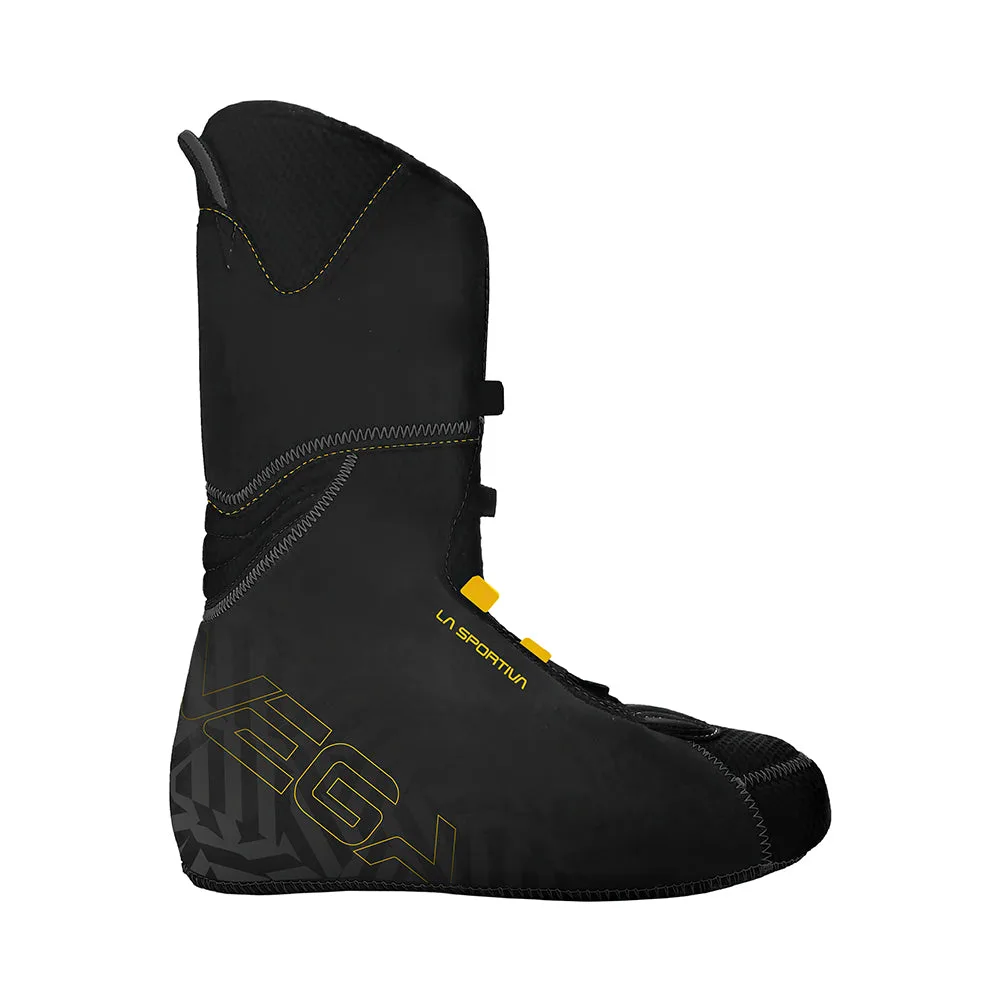
- 4. Adjust with a liner or fit work, not a new shell: If the flex is right but the fit is cold or packed out, a replacement liner such as the Vega Liner can restore warmth and comfort without changing the boot's stiffness. Small shell adjustments can also change how a flex feels. Next step: change one variable at a time so you can tell what actually helped.
Product facts
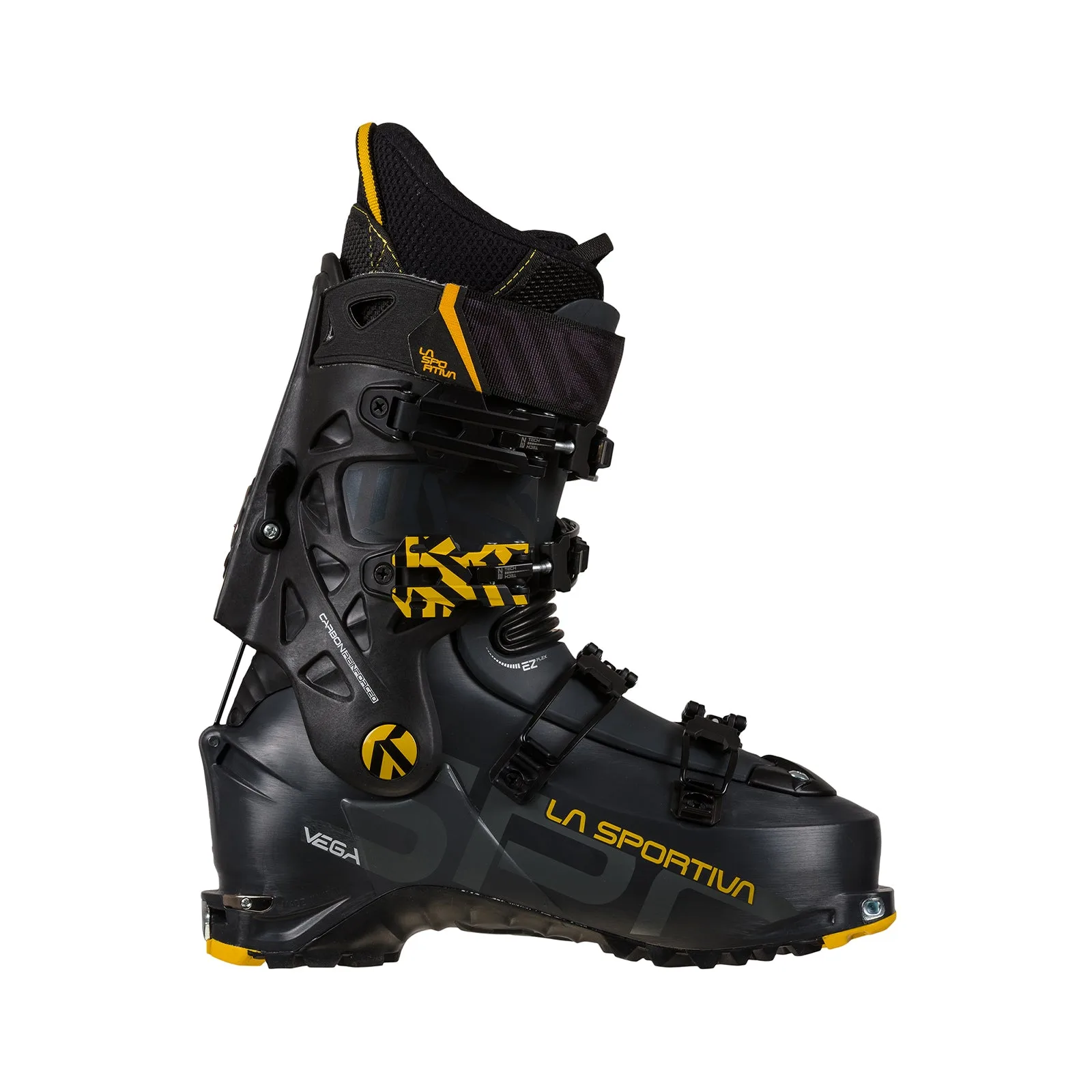
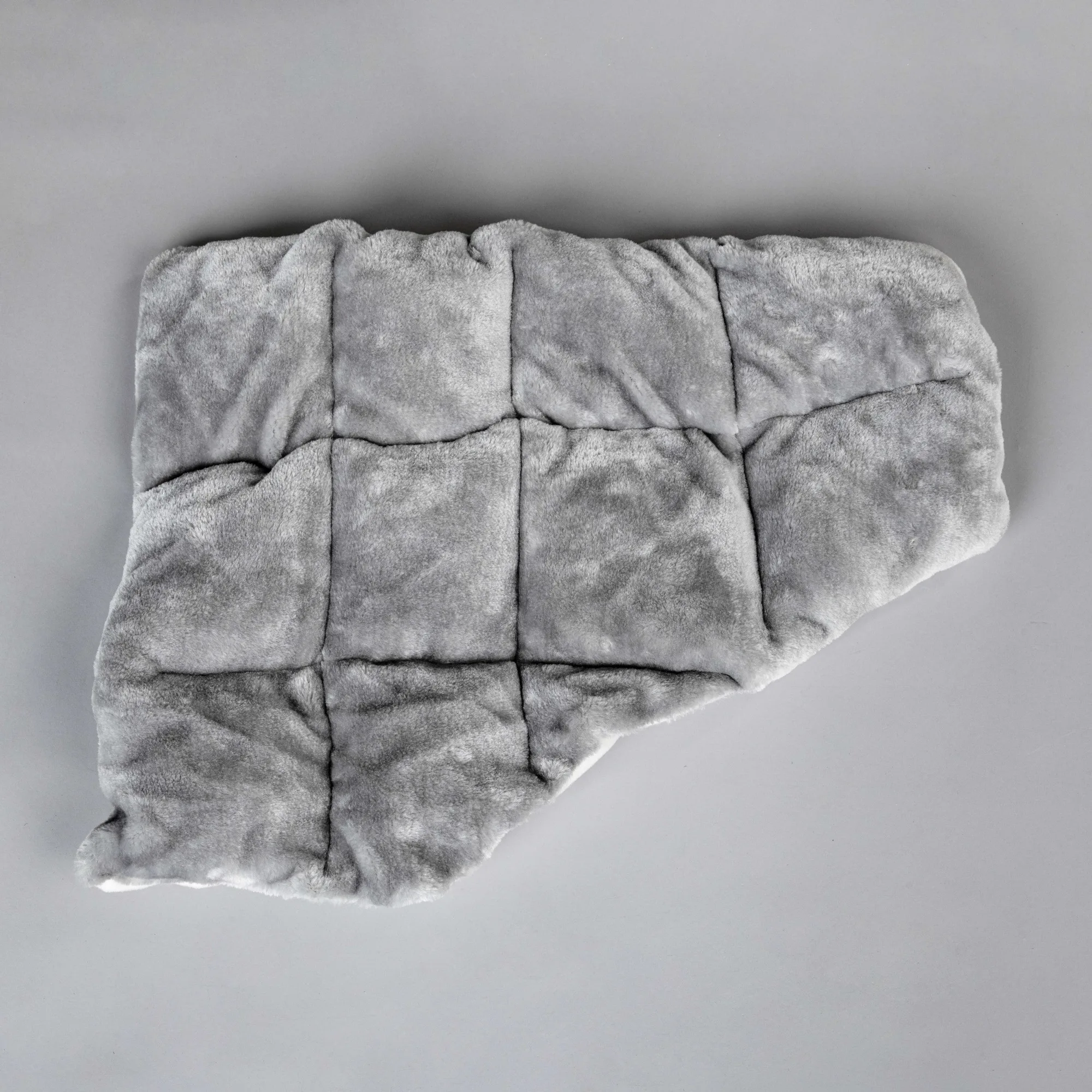
- Vega Liner: The Vega Liner is a replacement pair of liners made to work with the La Sportiva Vega Men's ski boots for additional comfort and warmth. If your shell flex is right but the fit feels cold or packed out, a fresh liner can restore comfort without changing your boot's stiffness.
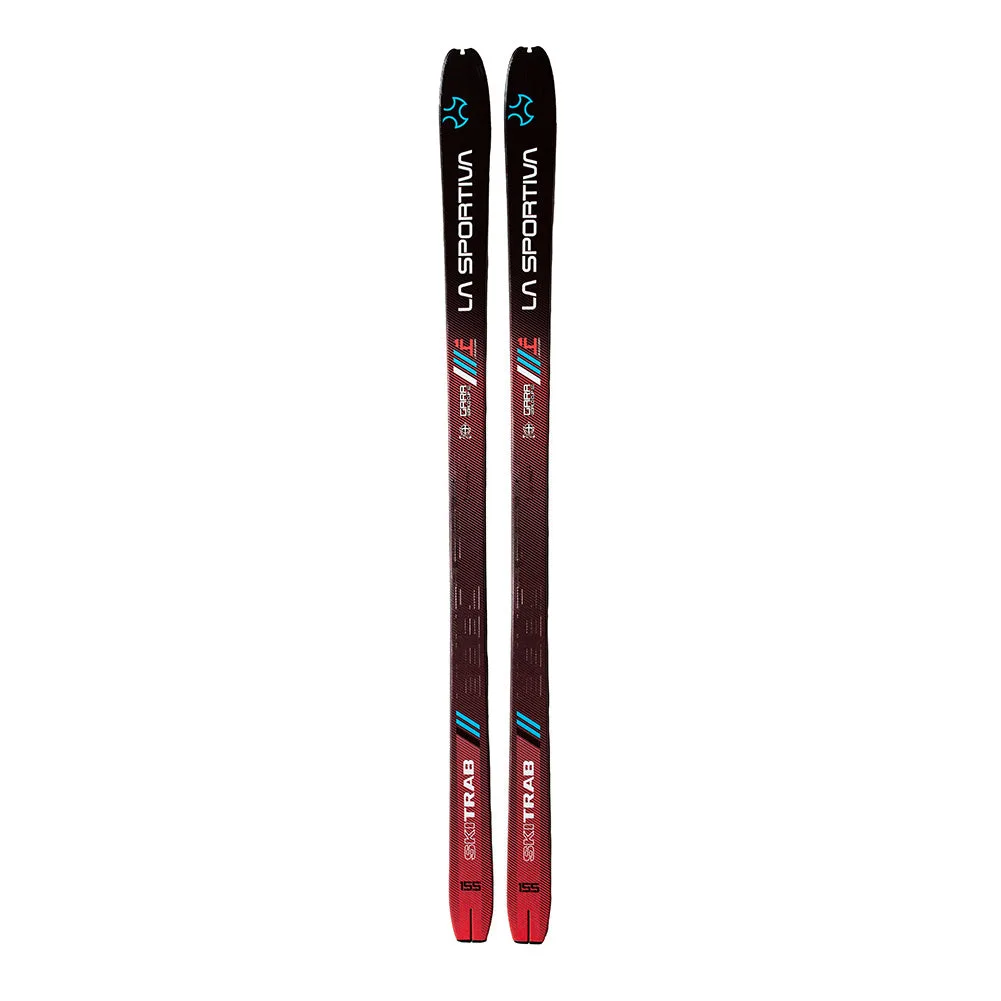
- Gara Aero LS Women's: The Gara Aero LS Women's is a race ski built on a 14-layer construction for fast, lightweight uphill performance and a controlled downhill response. A ski this responsive rewards a boot with enough flex to drive it precisely, so pair it with a flex you can bend under control rather than the stiffest option available.