Quick answer
Replace ski boot liners when you notice persistent heel lift, cold toes, or a packed-out fit that can't be fixed with lacing tricks. Most stock liners last 50–100 days of skiing; after that, the foam loses its ability to hold your foot securely.
How to Tell Your Liners Are Done
The most obvious sign is a sloppy heel hold. If you can lift your heel more than a few millimeters when the boot is buckled, the liner foam has compressed past its useful range. Another telltale: your toes feel cold even though the shell fits well, because compressed foam loses insulating air pockets.
What Causes Liner Breakdown
Heat and moisture from skiing accelerate foam breakdown. Over time, repeated sweat cycles cause the foam to pack out faster, especially in high-pressure zones around the heel and ankle. Ski boot maintenance like drying liners thoroughly after each day and avoiding boot heaters can extend their life.
When to Replace vs. Re-Heat-Mold
If your liners are less than 50 days old and feel loose only in one spot, a re-heat-mold may restore fit. But once the foam feels dead—no spring-back when you press it—replacement is the only fix. Custom-molded liners cost more but can double the lifespan compared to stock liners.
Diagnosis: Is It Time to Replace Your Liners?
- Symptom: Heel lift of 5 mm or more when buckled normally; cold toes after 30 minutes of skiing; visible creasing or collapse of the liner cuff. If any one of these is present, the liner is likely packed out.
- Likely cause: Foam compression from 50–100 days of use, accelerated by moisture and heat. Stock liners pack out faster than custom options. Check the liner's age and how often you ski wet snow or warm conditions.
- Corrective action: Try a re-heat-mold if the liner is under 50 days old and only slightly loose. Otherwise, order a replacement liner from the boot manufacturer or an aftermarket brand like Intuition. Budget 2–3 hours for fitting and molding the new liners.
- Stop or choose another option: If the boot shell itself is too large (you can slide a finger behind your heel when the liner is removed), replacing the liner won't fix the fit. In that case, consider a new boot or a professional shell modification. A boot that is the wrong shell size cannot be saved by new liners alone.
Boots That Benefit from Liner Upgrades
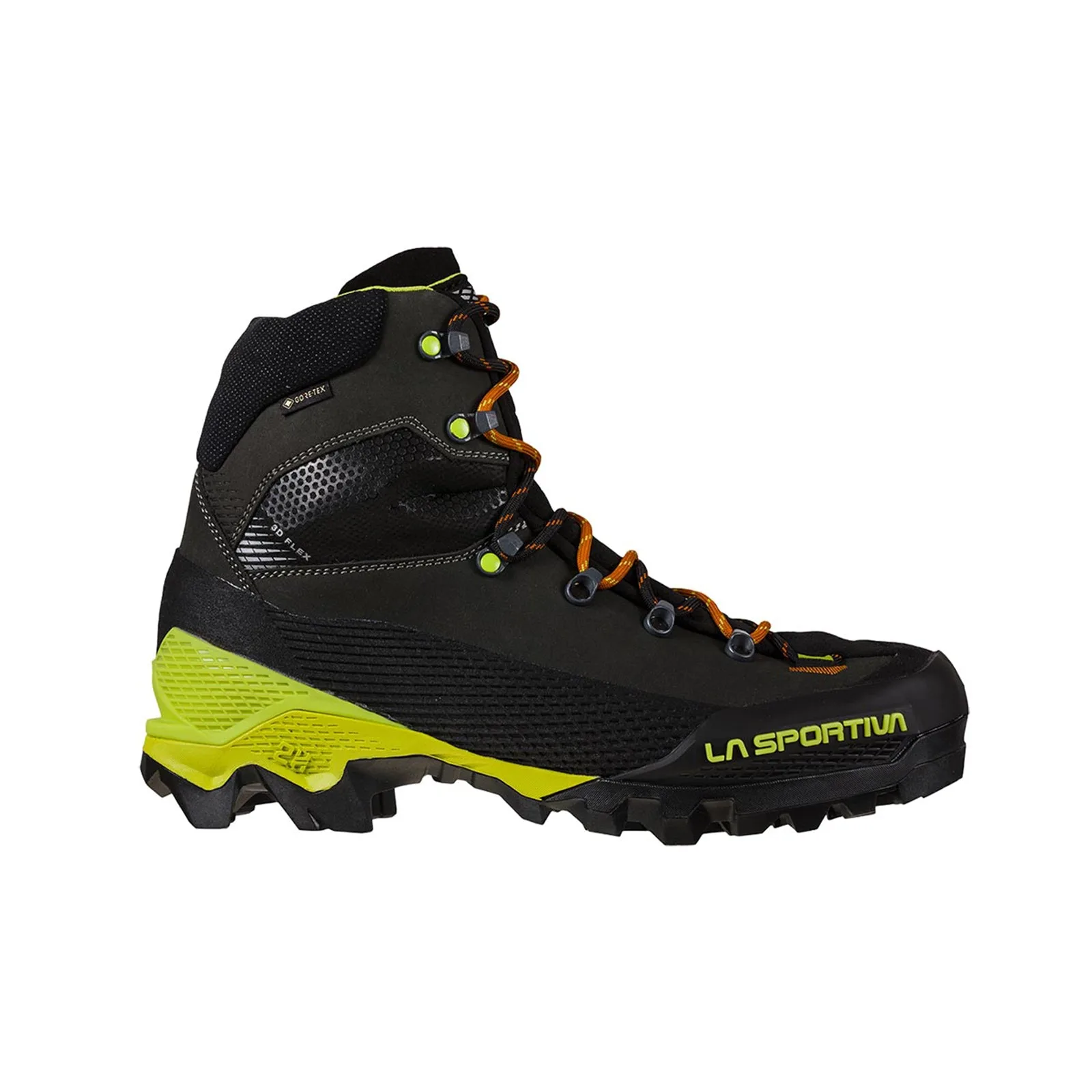
- Aequilibrium LT GTX (2024): Achieving equilibrium between technical performance and the demands for modern alpinists and mountaineers is a perpetual challenge. The state-of-the-art Aequilibrium LT GTX orchestrates a perfect blend of ultralight construction, durable materials, superlative comfort, and elite performance for moving fast in the mountains. A lightweight mountaineering boot like the Aequilibrium LT GTX relies on a precise liner fit for edging and climbing. Replacing worn liners restores the heel lock needed for technical terrain.
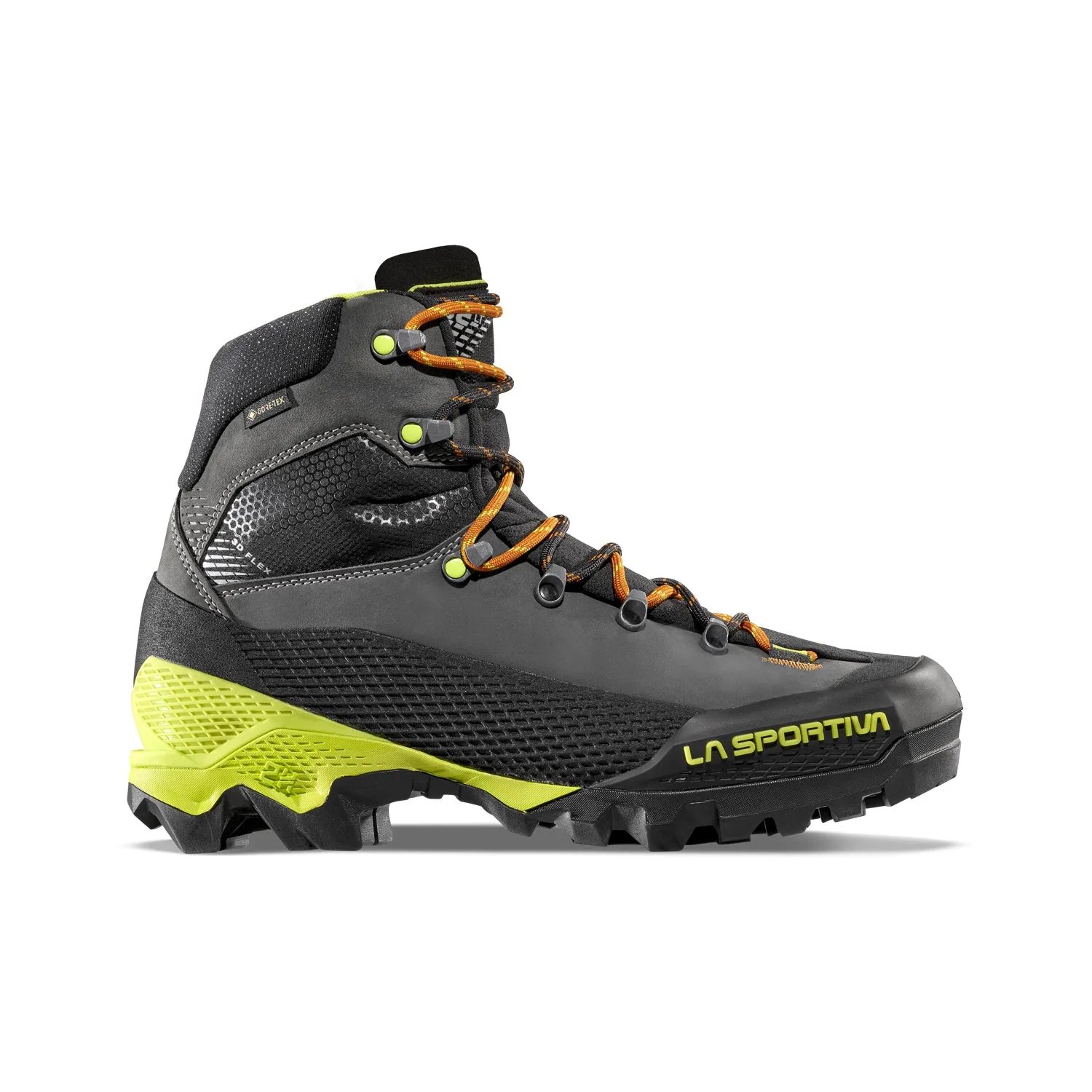
Aequilibrium LT GTX