Quick Answer
If you want to highlight your waist and create custom proportions, a skirt offers more flexibility. If you prefer a one-piece outfit that streamlines your silhouette, a dress is your best bet. Consider your body type and styling needs to decide.
The skirt vs. dress debate is a classic wardrobe dilemma. Both are versatile staples, but they serve different purposes and flatter different body types. While a dress offers simplicity, a skirt provides endless styling possibilities. This guide compares the two based on fit, comfort, and versatility, helping you make an informed choice.
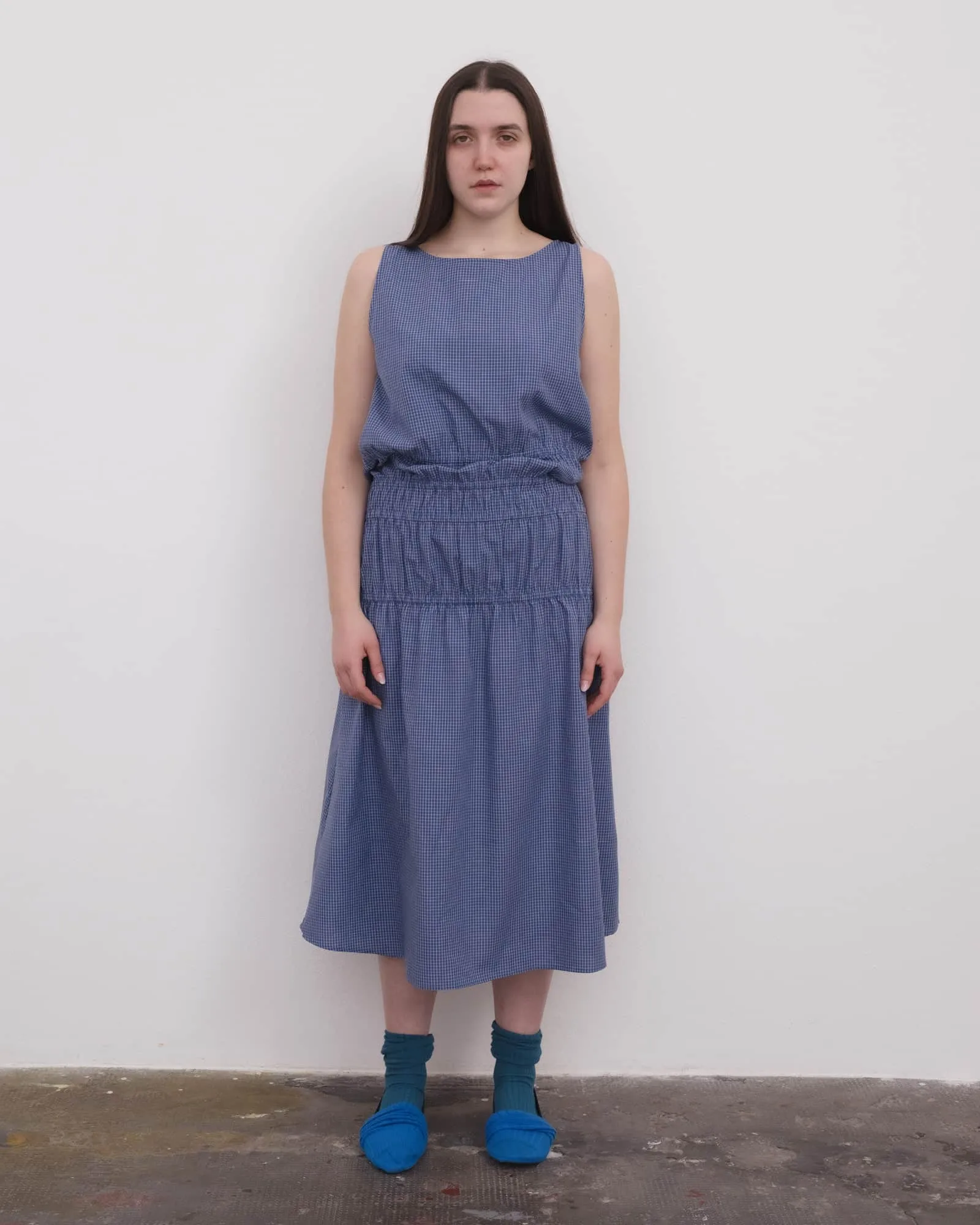
We'll look at specific pieces from Baserange to illustrate the differences. For example, the Rezi Dress offers an all-in-one look, while a skirt paired with a top allows you to mix and match. Understanding your body type and lifestyle will guide your decision.
Rezi Dress
Understanding Your Body Type
Before choosing between a skirt and a dress, consider your body shape. For pear-shaped figures (wider hips), a skirt that flares from the waist can balance proportions. A-line or wrap skirts are often flattering. For hourglass figures, both skirts and dresses that cinch at the waist highlight curves. Dresses with elasticated gathers, like the Rezi Dress, can create a defined waist without being too tight.
Apple-shaped bodies (weight around the midsection) might prefer dresses that skim over the stomach, avoiding tight waistbands. Empire-waist dresses or those with a relaxed fit are comfortable. For athletic or straight body types, skirts can add volume and create curves, while dresses with ruching or details can add shape.
- Identify your body type: pear, hourglass, apple, or straight.
- Consider which areas you want to highlight or de-emphasize.
Skirt Flexibility vs. Dress Convenience
Skirts offer incredible flexibility. You can pair a skirt with different tops to create multiple outfits from one piece. For example, a simple skirt can be dressed up with a silk blouse or dressed down with a casual tee. This is ideal for those who love variety and have a mix of occasions. On the other hand, dresses are a one-and-done solution—no need to coordinate separates. They are perfect for busy mornings when you want to look put-together with minimal effort.
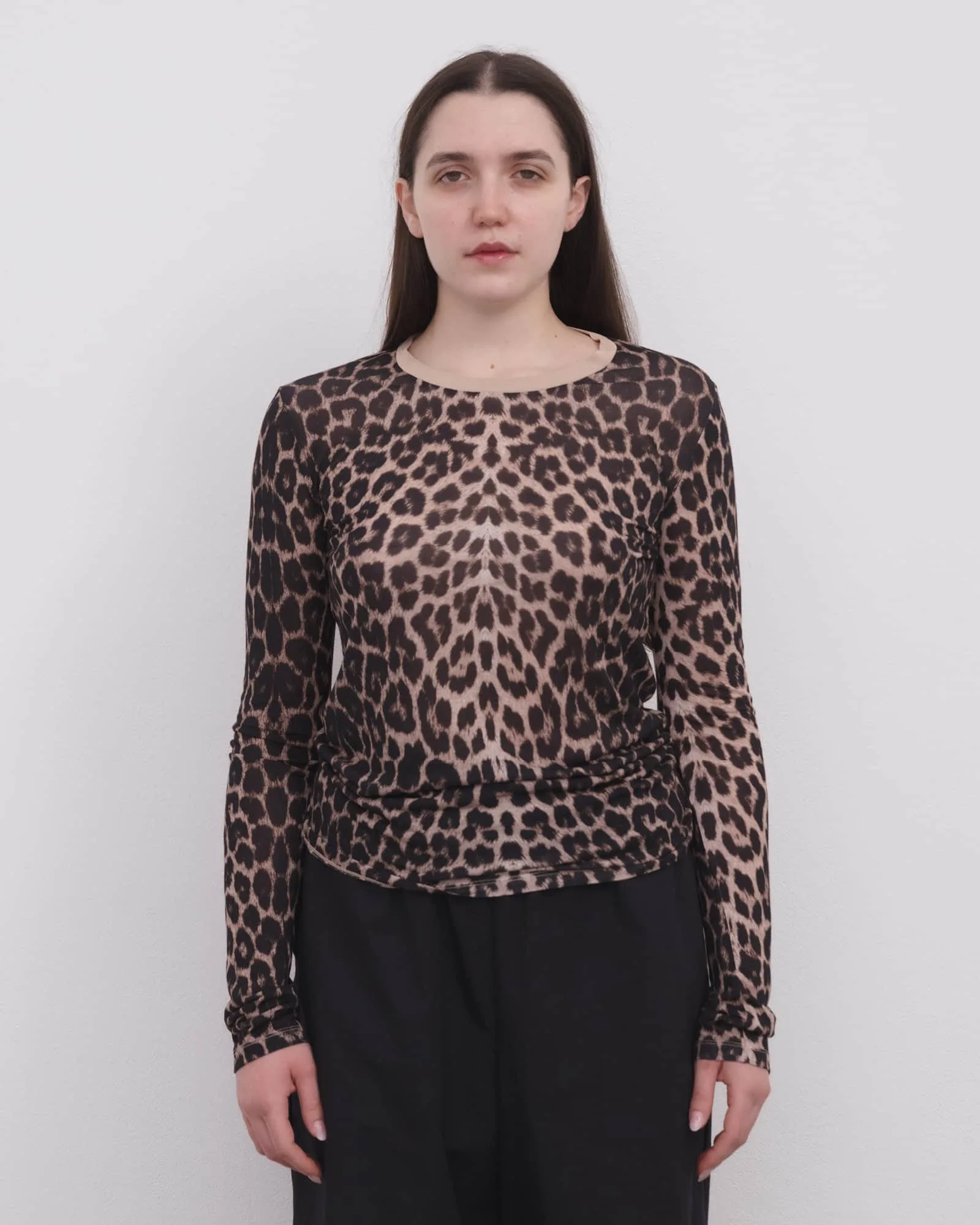
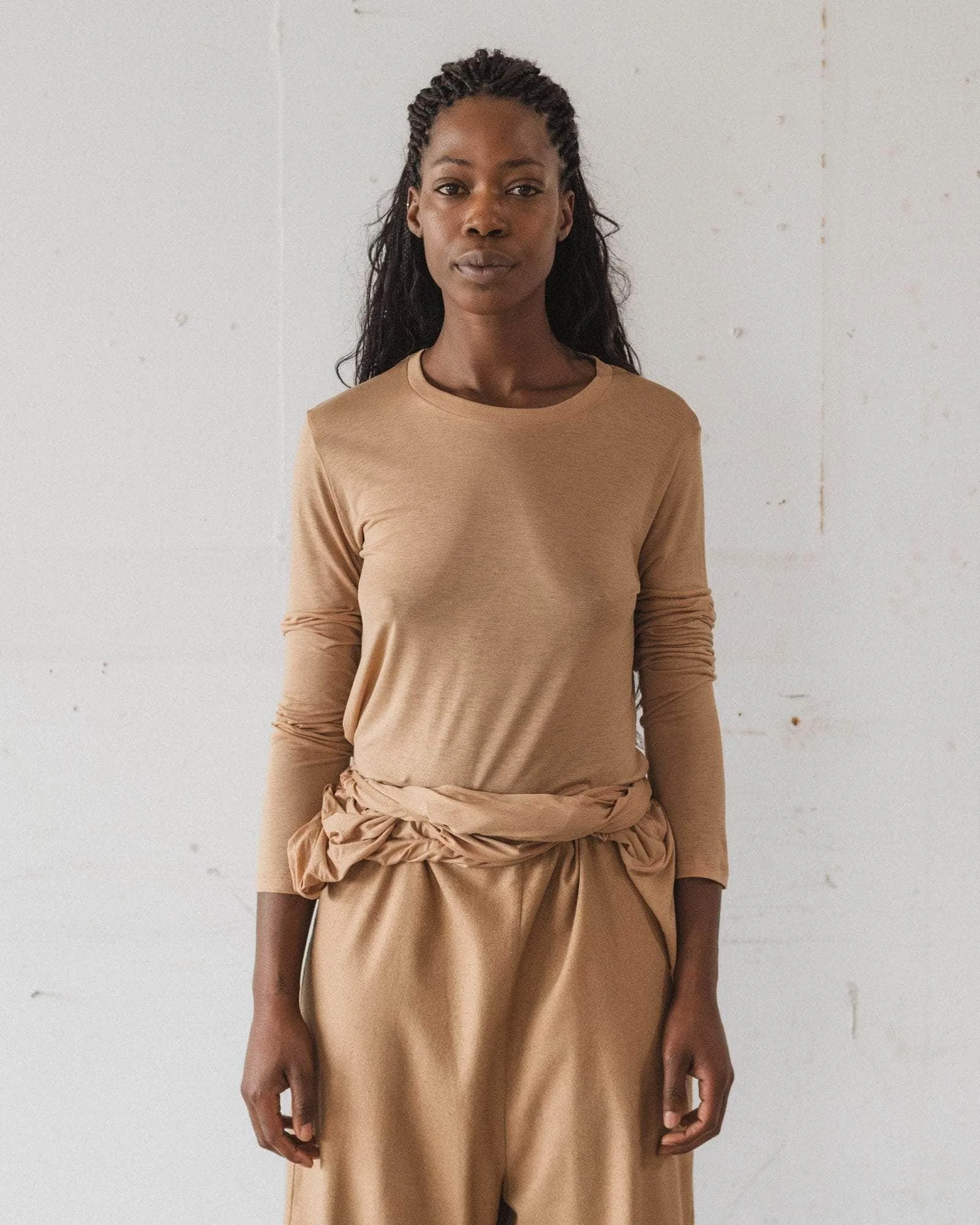
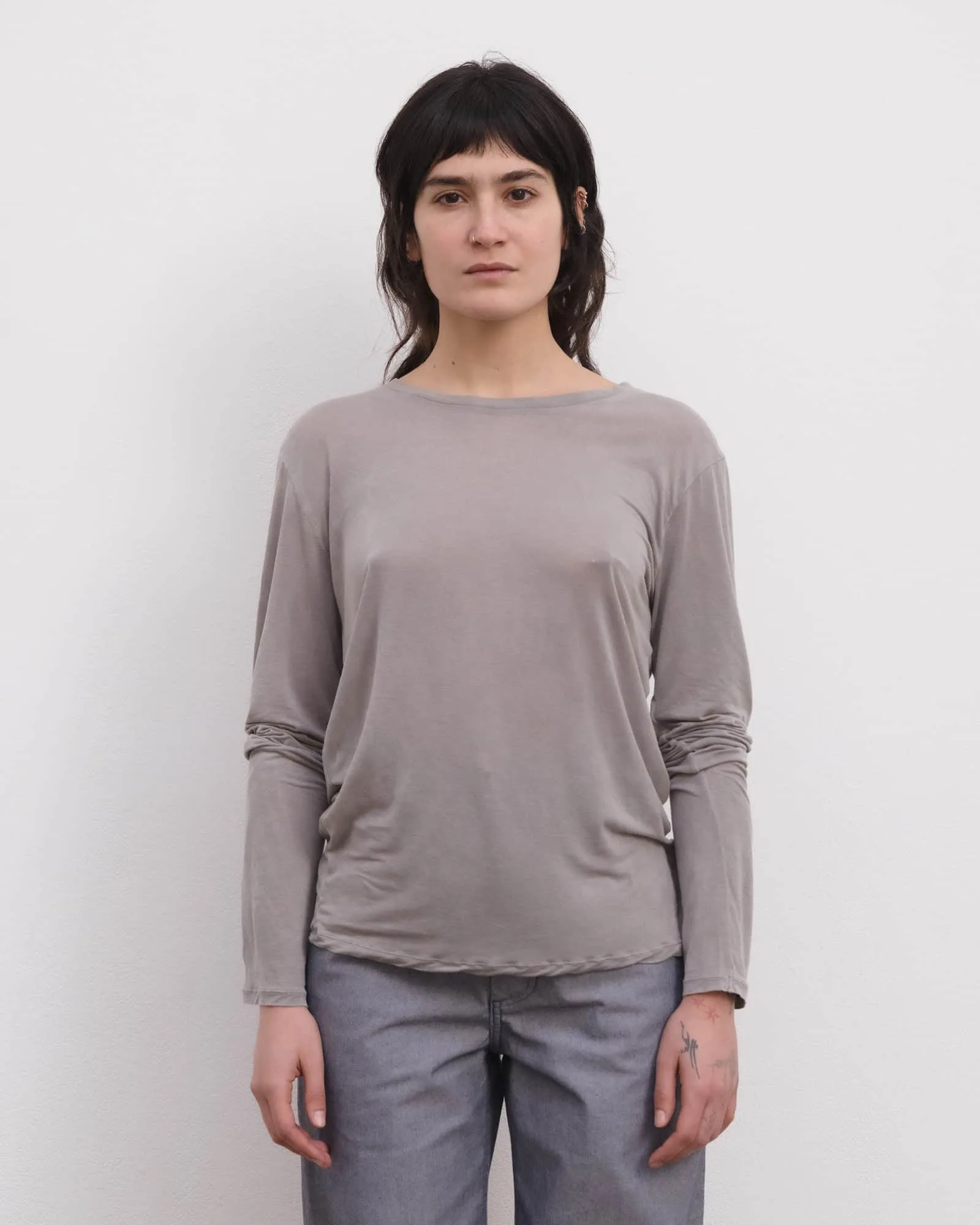
When it comes to fit, skirts allow you to choose a separate top size that fits your bust and shoulders perfectly. Dresses require a single size to fit both your upper and lower body, which can be tricky if you are between sizes. For instance, the Rota https://baserangepin.com/products/long-sleeve-tee-lyocell-in-aural-3e0681852f521fa0fa4342ea-1102306https://baserangepin.com/products/long-sleeve-tee-in-gilda-grey-d526c959bb4e23f7e12c2c4a-1102307Long Sleeve Tee can be paired with a skirt for a custom fit, whereas a dress like the Rezi Dress must accommodate both.
- Skirts maximize outfit combinations with your existing tops.
- Dresses simplify getting dressed and travel well.
Dresses for a Streamlined Silhouette
Dresses are excellent for creating a continuous line that elongates the body. A dress that falls from the shoulders or waist can make you look taller and leaner. The Rezi Dress from Baserange, with its boat neck and elasticated gathers, offers a relaxed yet defined silhouette. Made from lyocell poplin, it drapes beautifully and suits many body types without clinging.
For those who prefer a more fitted look, dresses with supportive seaming, like the Soft Bra, can provide structure under a dress. However, a dress's one-piece nature means you can't adjust the fit separately for top and bottom. If you have a long torso and shorter legs, a dress might not hit at the ideal point, whereas a skirt allows you to choose the rise and length.
- A dress creates a seamless look that can elongate your frame.
- Consider the dress's length and where it sits on your waist.
Trade-Offs to Consider
- Versatility: Skirts offer more outfit combinations since you can mix with various tops. Dresses are limited to one look unless layered. Choose a skirt if you love variety; choose a dress for simplicity.
- Fit Precision: Skirts let you match a separate top size for a perfect upper-body fit. Dresses require a single size for both halves. If you are between sizes, a skirt may be more forgiving.
- Silhouette: Dresses create a continuous line that can elongate the body. Skirts can add volume or define the waist depending on style. For a streamlined look, a dress works well; for custom shaping, a skirt.
Product Facts
- Rezi Dress: Lyocell poplin dress with boat neck and elasticated gathers at waist. 60% Lyocell 40% Organic Cotton. Made in Portugal. The elasticated waist provides a flexible fit, accommodating different body shapes without feeling restrictive. The breathable lyocell fabric is comfortable for all-day wear.
- Rota Long Sleeve Tee: Organic cotton lace top with one shoulder and elastic trim at neckline. 46% Organic Cotton 52% Polyamide 2% Elastane. Made in Portugal. This top can be paired with a skirt to create a custom look that fits your upper body perfectly, showcasing the versatility of separates.
Fit Guidance
Best For
- Skirts: Those who want to highlight the waist and have the flexibility to pair with different tops.
- Dresses: Those who prefer a quick, one-piece outfit that creates a continuous silhouette.
Not For
- Skirts: Not ideal if you want the ultimate convenience of a single garment without styling effort.
- Dresses: Not ideal if you have a significant difference between your top and bottom sizes and need separate fits.
Ultimately, the choice between a skirt and a dress depends on your body type, styling preferences, and lifestyle. Skirts offer flexibility and custom fit, while dresses provide convenience and a streamlined look. Consider what makes you feel confident and comfortable, and don't hesitate to own both for different occasions.