Quick Answer
For all-mountain skiing, look for a ski around 90–105 mm underfoot with a rocker-camber-rocker profile and a versatile shape that balances float and edge grip.
Ski Width: The Trade-Off Between Float and Grip
Waist width is the most important spec for all-mountain versatility. Narrower skis (under 90 mm) are quicker edge-to-edge and grip hardpack better, but they sink in powder. Wider skis (over 105 mm) float easily in deep snow but feel sluggish on groomed runs and can be tiring to maneuver. A 90–105 mm waist is the sweet spot for most skiers who want one pair for everything.
Rocker Profile: How It Affects Performance
Rocker (or early rise) in the tip and tail helps skis pivot and float in soft snow, while camber underfoot provides edge grip and pop on hardpack. A rocker-camber-rocker profile gives you the best of both worlds: easy turn initiation and enough camber to hold an edge. Full rocker skis are easier in powder but less stable at speed on groomers, and full camber skis are precise but demanding in variable conditions.
Ski Shape: Sidecut and Turning Radius
The sidecut—the difference between tip, waist, and tail width—determines how easily a ski turns. A deeper sidecut (a smaller turning radius) makes short, quick turns easier, ideal for trees and moguls. A straighter shape (larger radius) is more stable at high speeds and better for open terrain. All-mountain skis usually have a moderate radius (15–20 m) that balances agility and stability.
Decision Rules for Choosing All-Mountain Skis
- Terrain mix: If you ski 70% groomed runs and 30% off-piste, choose a waist width around 90–95 mm. If you ski more powder than groomers, go 100–105 mm. Match waist width to your dominant terrain.
- Skiing style: Prefer quick turns in trees and bumps? Look for a deeper sidecut and a shorter turning radius. Want to charge fast on open runs? Choose a straighter shape with a longer radius.
- Ability level: Beginners and intermediates should opt for a softer flex and more rocker for forgiveness. Advanced skiers can handle a stiffer ski with more camber for precision. Be honest about your ability; don't over-ski.
A Versatile Option to Consider
-
Gara Aero LS 60: Based on the consolidated 14-layer construction technology, this ski is athletes’ favorite for fast and lightweight competitions. This construction keeps the ski light for uphill efficiency while maintaining the stability needed for confident downhill control.
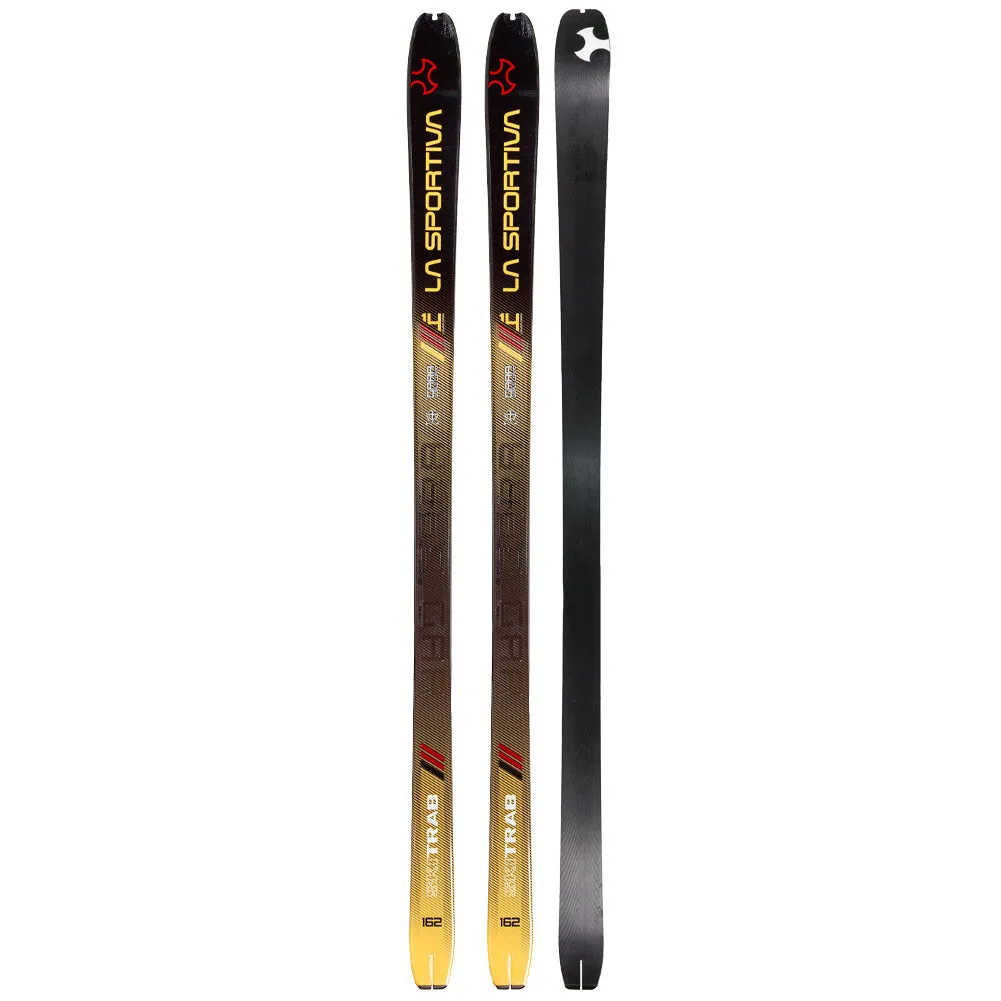
Gara Aero LS 60
Who Should Choose All-Mountain Skis
Best for
- Skiers who want one pair for mixed conditions
- Intermediate to advanced skiers who value versatility
Not for
- Park skiers who need twin tips and soft flex
- Hardcore powder chasers who prefer a dedicated powder ski