Quick answer
For most gamers, start by deciding whether you need wired or wireless: wired avoids battery and charging interruptions, while wireless adds freedom at the cost of charging. Then match comfort and mic needs to your longest sessions. If you want immersive bass and noise cancellation for a PC or console setup, the Crusher ANC 2 is the strongest fit; for all-day battery on a budget, the Riff Wireless 2 is a practical pick.
A gaming headset has to do three jobs at once: keep audio in sync, stay comfortable for hours, and make your voice clear. Skullcandy's lineup covers these needs at different price points, but the right pick depends on your platform, your session length, and whether you can tolerate a charging cable.
This guide skips the spec-sheet noise and gives you decision rules you can apply in a store or online. You'll learn how wired vs wireless affects gaming audio latency, what comfort features actually matter, and which Skullcandy models fit specific setups.
Wired vs wireless: the latency and freedom trade-off
Wired headsets send audio over a physical connection, so there is no wireless transmission delay and no battery to manage. That makes them a safe choice for competitive play where every millisecond counts, and for long sessions where you don't want to stop and charge. The trade-off is a cable that can snag or limit movement.
Wireless headsets remove the cable but introduce two variables: battery life and wireless latency. Bluetooth can add noticeable delay for gaming, especially in fast-action titles, while dedicated low-latency wireless is better but not universal. If you choose wireless, prioritize models with long battery life and a wired backup option so you're never stuck.
- For competitive shooters, wired is the lower-risk choice for sync.
- For casual and single-player gaming, wireless freedom often outweighs small latency differences.
- Check whether a wireless model includes an aux cable for backup listening.
Comfort that lasts past the first hour
Comfort is the most underrated gaming headset spec because it's personal. On-ear models press against the ear, which can feel light at first but tiring after a few hours. Over-ear models spread pressure around the ear and are generally better for long sessions, but they can feel warm. Clamping force matters too: a tight fit stays put but can cause pressure points.
Look for adjustable headbands, cushioned earcups, and a weight that feels balanced rather than front-heavy. If you wear glasses, softer earpads and lower clamping force reduce pressure on the temples. For kids or smaller heads, a dedicated kids' fit is more comfortable than scaling down an adult model.
- Over-ear is usually better for marathon sessions; on-ear is lighter and more portable.
- If you wear glasses, prioritize low clamping force and soft earpads.
- A balanced headband reduces the 'hot spot' on top of your head.
Microphone and platform fit
Most gaming headsets include a built-in mic, but quality varies. If you play team games, a boom mic that sits near your mouth will pick up less room noise than an inline mic on a cable. If you already have a standalone microphone, you can prioritize audio quality and comfort over mic performance.
Platform matters too. A headset that works great on PC may need an adapter for a console, and some wireless models use a USB dongle that takes up a port. Before buying, confirm the connection type your platform supports: 3.5mm, USB, or Bluetooth. The Riff Wireless 2, for example, includes a backup aux cable, which gives you a wired option when needed.
- Boom mics generally outperform inline mics for voice chat.
- Confirm your console or PC supports the headset's connection type.
- A backup aux cable adds flexibility for wired listening.
Bass, noise cancellation, and immersion
If immersion is your priority, adjustable bass and noise cancellation can transform the experience. Crusher Bass lets you dial in sensory bass, which is great for action games and music but can be distracting in competitive play where you need to hear footsteps. Noise cancellation helps block out fans, roommates, or traffic, but it also reduces your awareness of your surroundings.
For gaming, consider whether you want to block out the world completely or stay aware. Some models offer adjustable noise cancellation or a stay-aware mode, so you can choose. If you play in a quiet room, you may not need ANC at all, and a simpler headset can save money.
- Adjustable bass is fun for immersion but can mask important audio cues.
- Noise cancellation is most useful in noisy environments.
- If you need to hear your surroundings, look for adjustable ANC or awareness modes.
Decision rules for your gaming headset
- If you play competitive shooters: Choose wired or a wireless model with a low-latency connection and a backup cable. Avoid heavy bass processing that can mask footsteps. Prioritize sync and clear mids over immersion.
- If you game for 4+ hours at a time: Pick over-ear comfort with low clamping force and long battery life if wireless. Crusher Evo offers up to 40 hours; Riff Wireless 2 offers 34 hours. Comfort and battery life matter more than extra features.
- If you game in a noisy room: Look for adjustable noise cancellation like Crusher ANC 2, or a model with good passive isolation. If you need to hear your surroundings, choose an awareness mode instead. Match noise control to your environment, not just the spec sheet.
- If you're on a tight budget: The Riff Wireless 2 delivers core wireless features and a backup cable at a lower price. Skip ANC and sensory bass if you don't need them. Spend on comfort and connection reliability first.
Skullcandy models that fit gaming setups
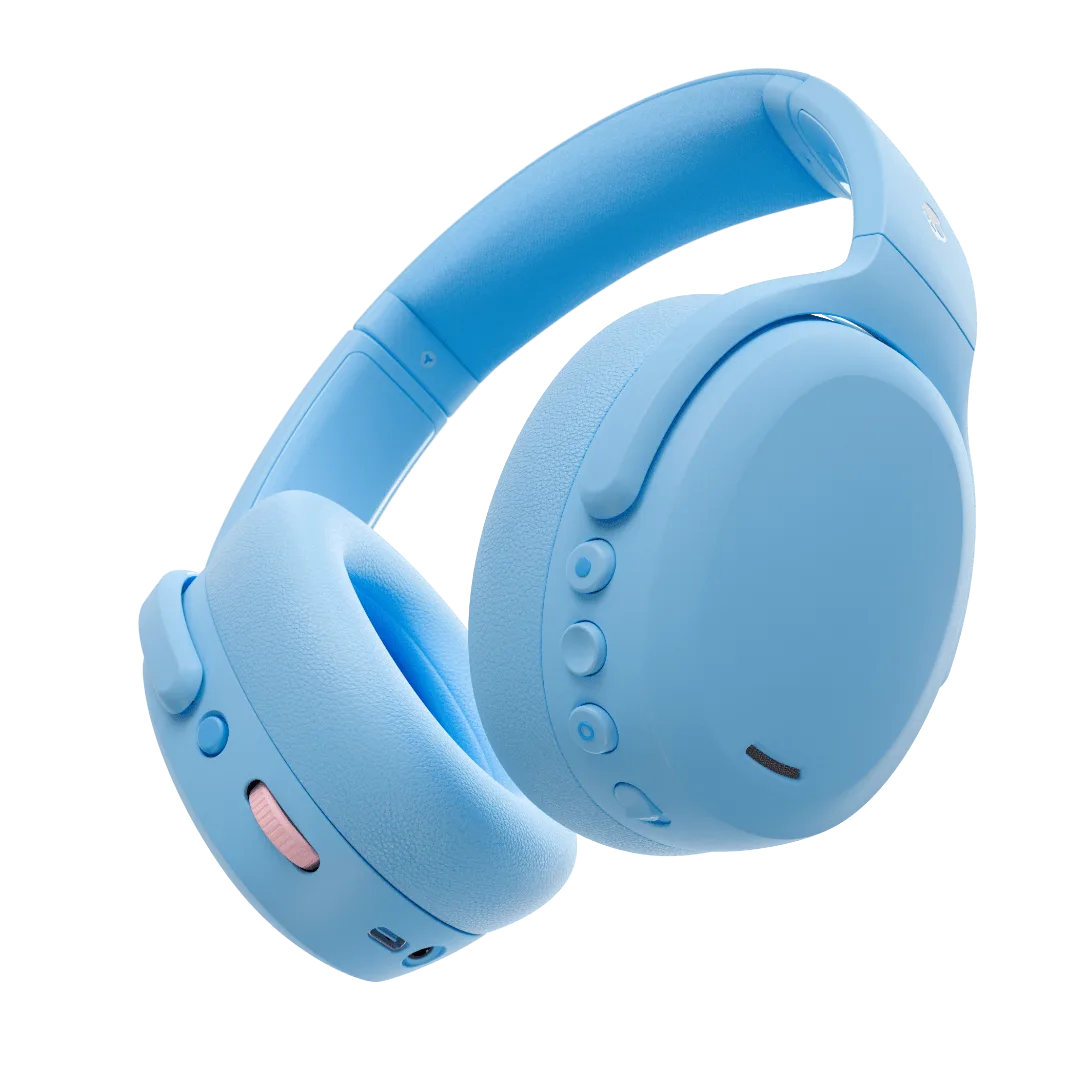
- Crusher® ANC 2: Adjustable sensory bass and customizable noise cancellation that adapts to your world, or blocks it out completely. Personalized sound with the Skullcandy app. Best for immersive single-player gaming or PC setups where you want deep bass and the option to silence distractions.
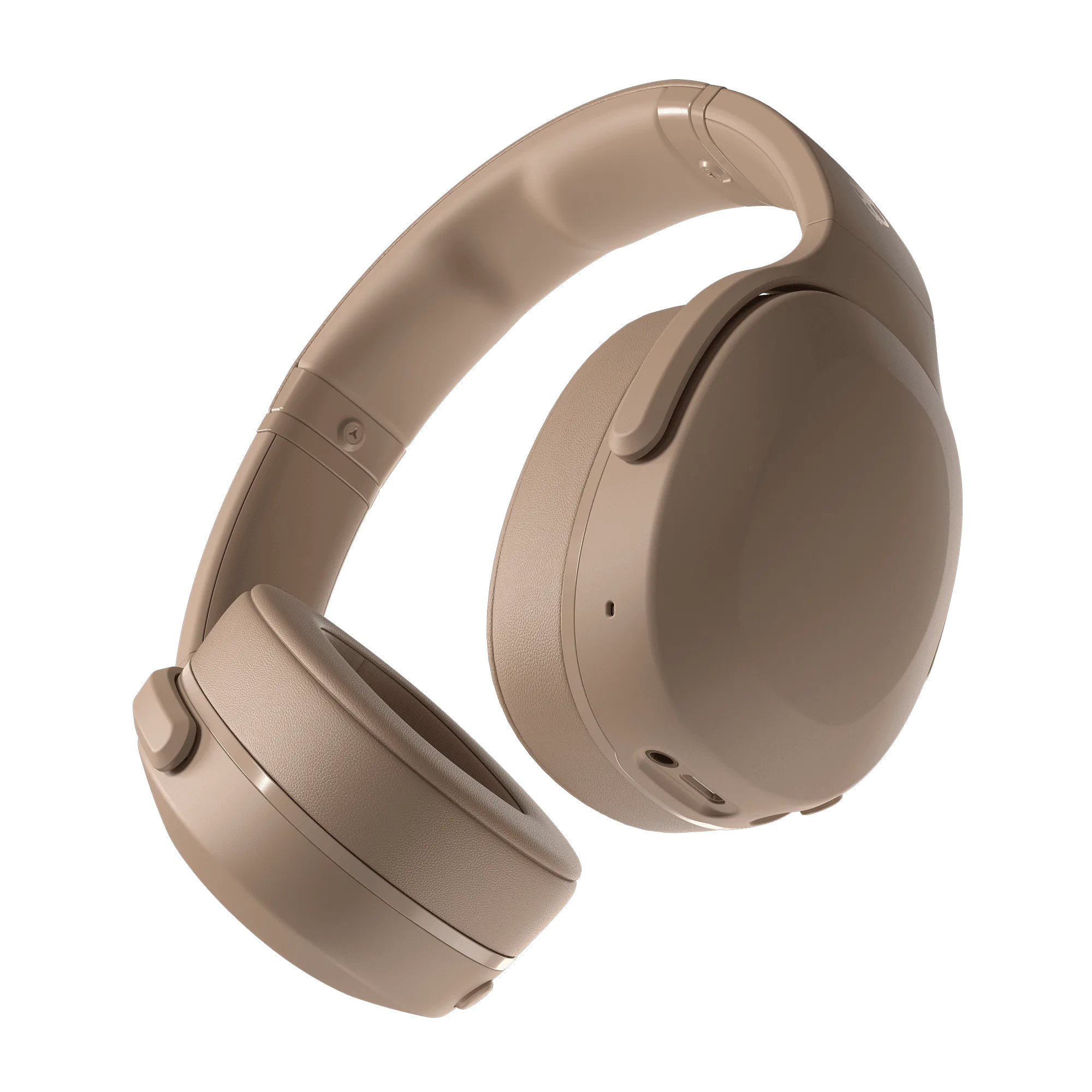
- Crusher® Evo: Adjustable Crusher Bass, up to 40 hours of battery life, Rapid Charge, and Personal Sound tuned just for you. A strong choice for long wireless sessions with heavy bass, though it lacks active noise cancellation.
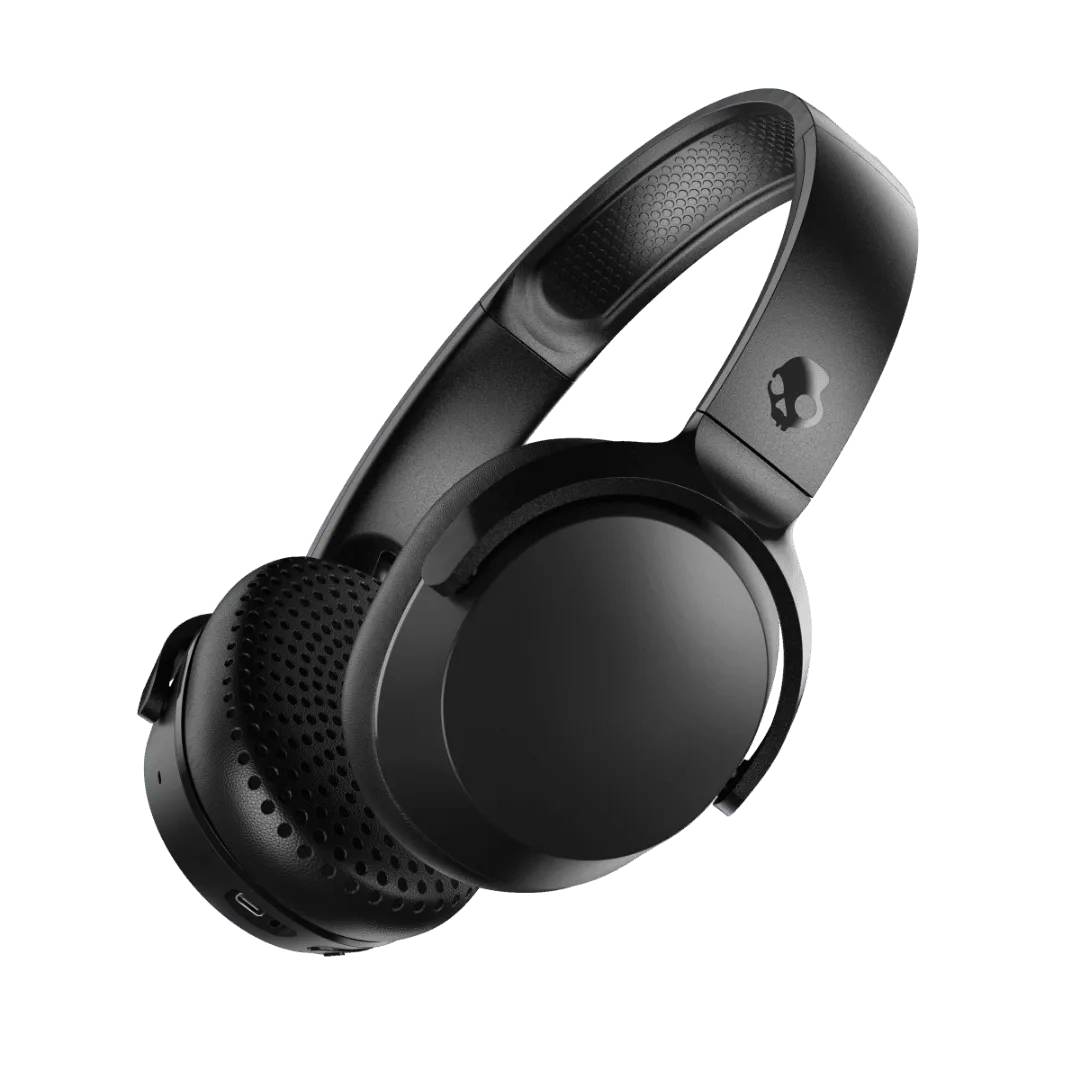
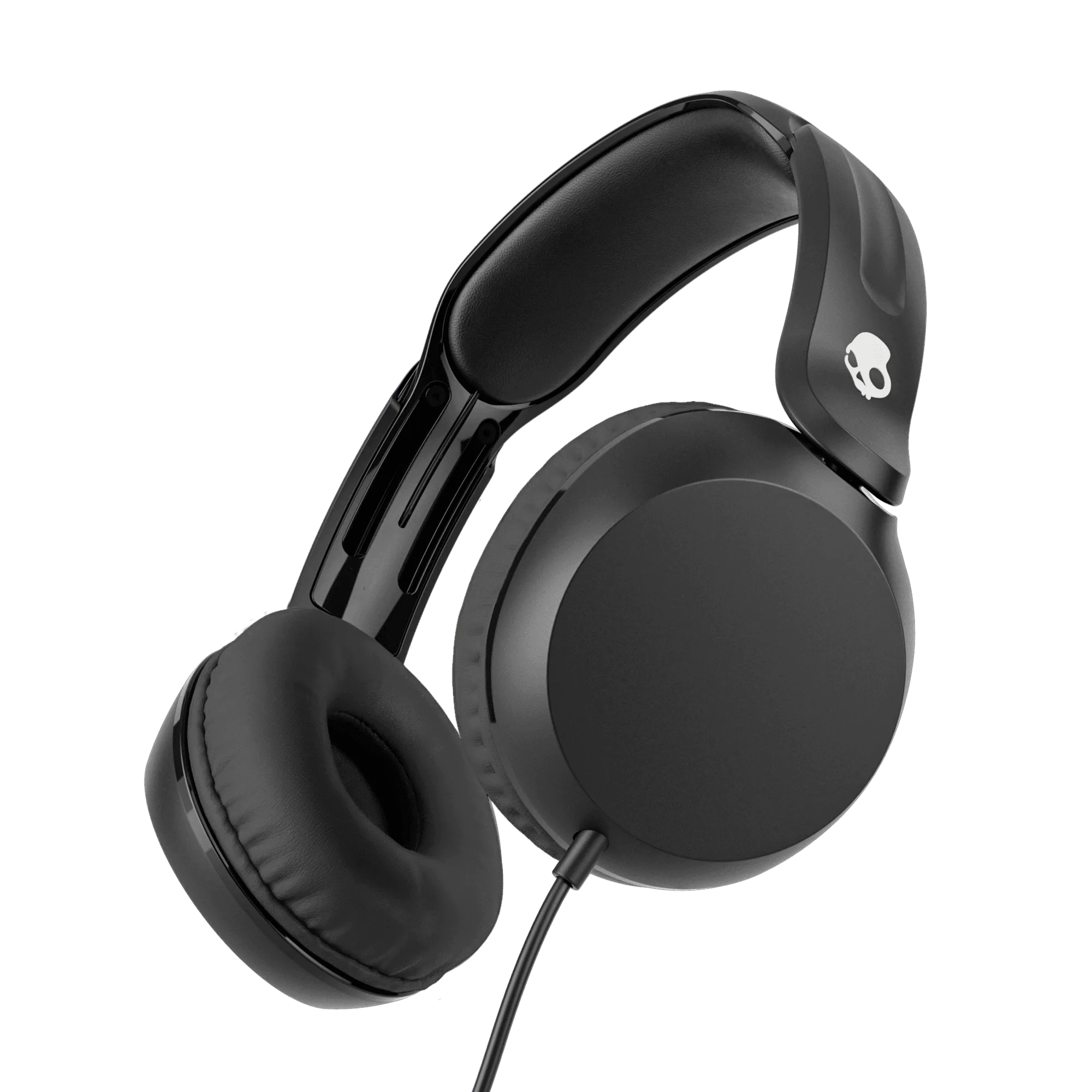
- Riff® Wireless 2: On-ear headphones with 34 hours of battery life, a backup aux cable, and Tile finding technology. Great for budget-conscious gamers who want long battery and a wired backup for low-latency needs.
Who should buy which
Best for
- PC and console gamers who want immersive bass and noise cancellation (Crusher ANC 2)
- Long-session wireless players who want heavy bass and don't need ANC (Crusher Evo)
- Budget gamers who want wireless freedom with a wired backup (Riff Wireless 2)
Not for
- Competitive esports players who need the lowest possible latency and no bass emphasis
- Gamers who prefer a dedicated boom microphone over built-in mics
- Kids or very small heads (consider a kids-specific model like Grom Wired instead)
Pick the headset that matches how you actually play: wired for sync-critical competition, wireless for freedom, and the comfort and features that fit your longest sessions. Use the decision rules above to narrow your choice, and remember that the best gaming headset is the one you forget you're wearing.