Quick Answer
Slam balls are designed for explosive, high-impact throws and slams, while wall balls are meant for repetitive throwing against a wall, often in high-rep conditioning workouts. Choose slam balls for power and strength training, and wall balls for endurance and metabolic conditioning.
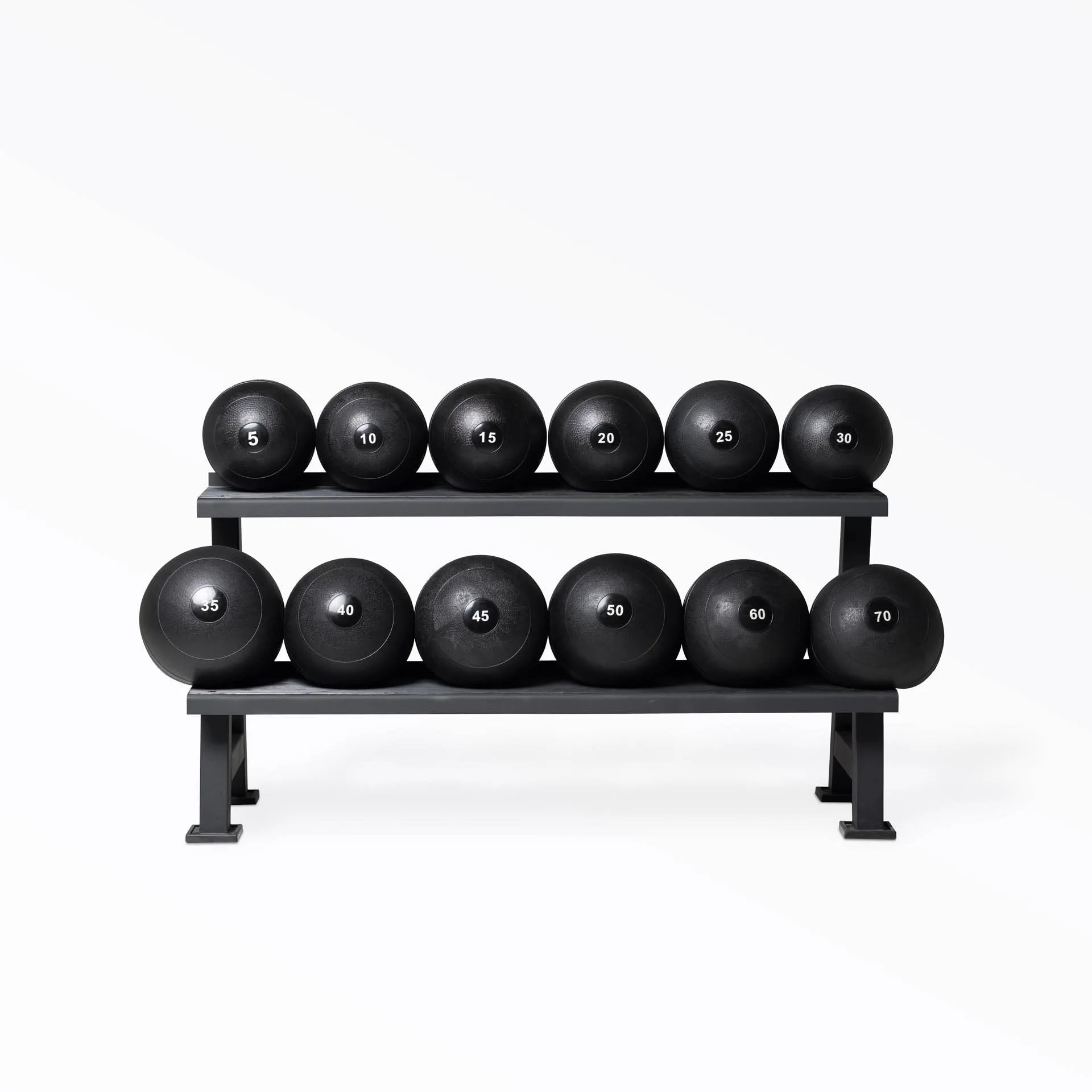
Slam balls
When outfitting a home gym, the variety of medicine balls can be overwhelming. Two popular types often cause confusion: slam balls and wall balls. While they may look similar, they serve distinct purposes and are built differently to handle specific training demands.
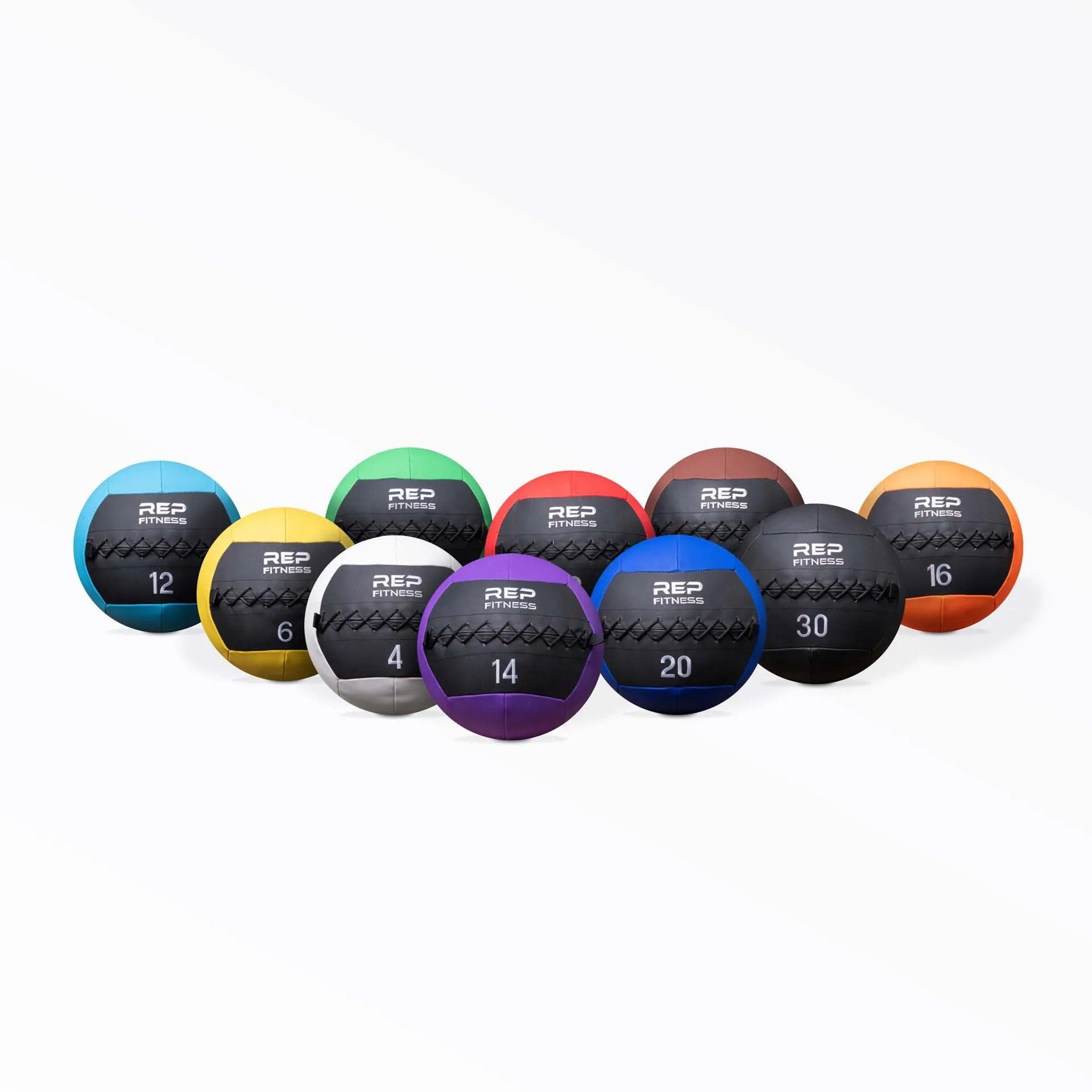
medicine balls
Understanding the key differences between slam balls and wall balls will help you make an informed decision based on your fitness goals, available space, and workout style. This guide breaks down the characteristics of each, their best uses, and how to integrate them into your home gym routine.
What Is a Slam Ball?
A slam ball is a heavy, durable medicine ball designed to withstand high-impact throws against the floor or walls. Unlike traditional medicine balls, slam balls are typically made with a tough outer shell and filled with sand or a similar material that absorbs impact without bouncing. This non-bouncing feature allows you to perform explosive movements like slams without the ball rebounding unpredictably.
Slam balls are ideal for power and strength training. Exercises like overhead slams, rotational throws, and slam ball burpees target your core, shoulders, and legs while developing explosive power. They are a staple in HIIT workouts and athletic conditioning programs because they allow you to exert maximum effort safely.
- Non-bouncing design for safe, high-impact training
- Ideal for explosive power exercises
- Durable construction to withstand repeated slams
What Is a Wall Ball?
A wall ball, on the other hand, is a softer, more pliable medicine ball designed for throwing against a wall and catching. It typically has a slight bounce, which aids in the catch, making it suitable for high-repetition movements. Wall balls are commonly used in CrossFit-style workouts, where athletes perform wall ball shots—squatting, then throwing the ball to a target on the wall and catching it on the rebound.
Wall balls are excellent for building muscular endurance, cardiovascular fitness, and coordination. They are lighter than slam balls for their size, allowing for faster, more dynamic movements. The repetitive nature of wall ball exercises makes them a great tool for metabolic conditioning and improving overall work capacity.
- Slight bounce for easier catching
- Designed for high-repetition wall throws
- Great for endurance and conditioning workouts
Key Differences: Slam Ball vs. Wall Ball
The primary difference lies in their construction and intended use. Slam balls are built to absorb impact without bouncing, making them perfect for slamming into the floor. Wall balls are designed with a slight bounce, allowing them to rebound off a wall for catching. This fundamental difference dictates the types of exercises you can perform with each.
Slam balls are typically heavier and denser, focusing on power output. Wall balls are lighter and more responsive, emphasizing speed and endurance. Additionally, slam balls are often used in solo training, while wall balls are common in class settings or partner workouts due to their catch-and-throw nature.
- Construction: Slam balls are non-bouncing; wall balls have a slight bounce.
- Purpose: Slam balls for power; wall balls for endurance.
- Exercises: Slam balls for slams and throws; wall balls for wall shots and catches.
Trade-offs: Slam Ball vs. Wall Ball
- Impact Absorption: Slam balls are designed to absorb impact and not bounce, making them safe for slamming into the floor. Wall balls have a slight bounce, which is essential for catching but can be unpredictable if used for slams. Choose slam balls for floor slams, wall balls for wall throws.
- Weight and Size: Slam balls are often heavier and denser to provide resistance for power movements. Wall balls are lighter for their size, enabling faster repetitions and longer workouts. Consider your strength and endurance goals when selecting weight.
- Workout Style: Slam balls are suited for low-rep, high-intensity power exercises. Wall balls are ideal for high-rep conditioning and metabolic workouts. Match the ball type to your training style for best results.
Product Facts from REP Fitness
- Mounted Ball Storage: The REP Fitness Mounted Ball Storage offers a practical way to store medicine balls and other similar equipment, keeping them organized and off the floor. This wall-mounted accessory helps maximize space in your home gym. If you own both slam balls and wall balls, this storage solution keeps your equipment accessible and your workout area clutter-free.
- Wall-Mount Fixed Rack Builder: The Wall-Mount Fixed Rack Builder from REP Fitness is a sturdy, space-efficient rack solution for your home gym. Its wall-mount design secures to a wall, saving valuable floor space while providing a stable base for your workouts. A wall-mounted rack can free up floor space for your medicine ball exercises, making your home gym more versatile.
Which Should You Choose?
Best for
- Athletes focusing on explosive power and strength training
- Individuals with limited space who want a durable, non-bouncing ball for solo workouts
Not for
- Those primarily doing wall ball shots or high-rep conditioning workouts
- People who prefer a ball with a bounce for catching and throwing dynamics
Both slam balls and wall balls are valuable additions to a home gym, but they serve different purposes. Assess your fitness goals and training preferences to choose the right one—or consider having both for a well-rounded medicine ball collection. Pair your choice with smart storage solutions like the REP Fitness Mounted Ball Storage to keep your space organized and ready for action.