Quick answer
A sleep complex works best when it matches your specific problem. If you struggle to fall asleep, look for melatonin or L-theanine. If you wake at 3 a.m., magnesium glycinate or a lower melatonin dose may fit better. If stress keeps you up, ashwagandha or L-theanine is worth trying. Start with one or two ingredients, take them 30 to 60 minutes before bed, and give it two weeks before judging.
Most sleep supplements fail because they try to do everything. A label with melatonin, magnesium, valerian, chamomile, and five other ingredients might look impressive, but it makes it impossible to know what is helping or hurting. A better approach is to treat a sleep complex like a tool for one specific problem: falling asleep, staying asleep, or calming a racing mind.
This guide breaks down the sleep ingredients that have real evidence behind them, explains what to check on a label, and gives you decision rules so you can pick a natural sleep aid without guessing. It also covers when a sleep supplement is the wrong choice entirely.
The core sleep ingredients and what they actually do
Melatonin is the most studied sleep ingredient. It does not knock you out; it signals to your body that it is time to sleep. Doses as low as 0.5 mg to 1 mg can shift your sleep timing, while 3 mg to 5 mg is common for occasional sleeplessness. Higher is not better. If you wake up groggy, your dose is likely too high or taken too late.
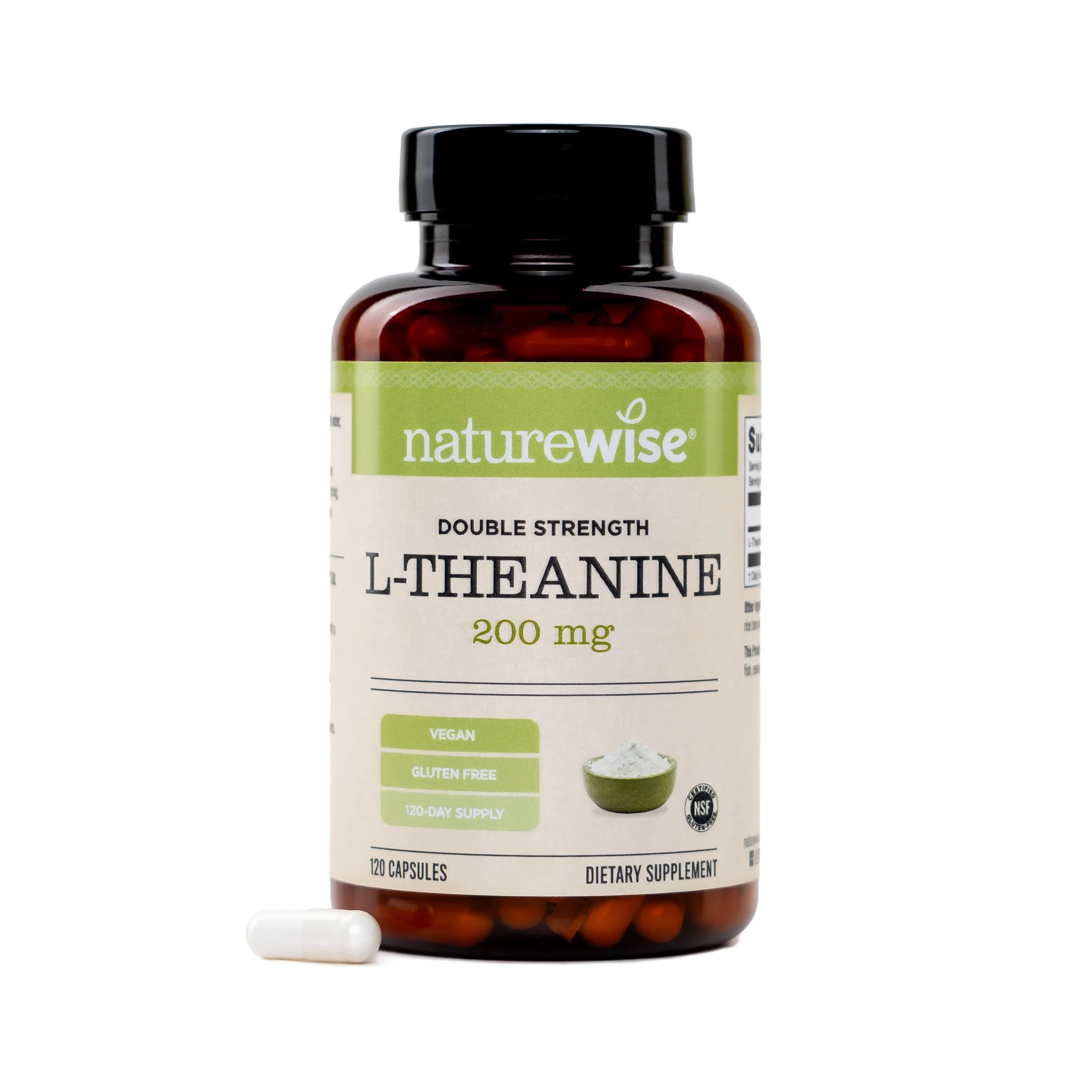
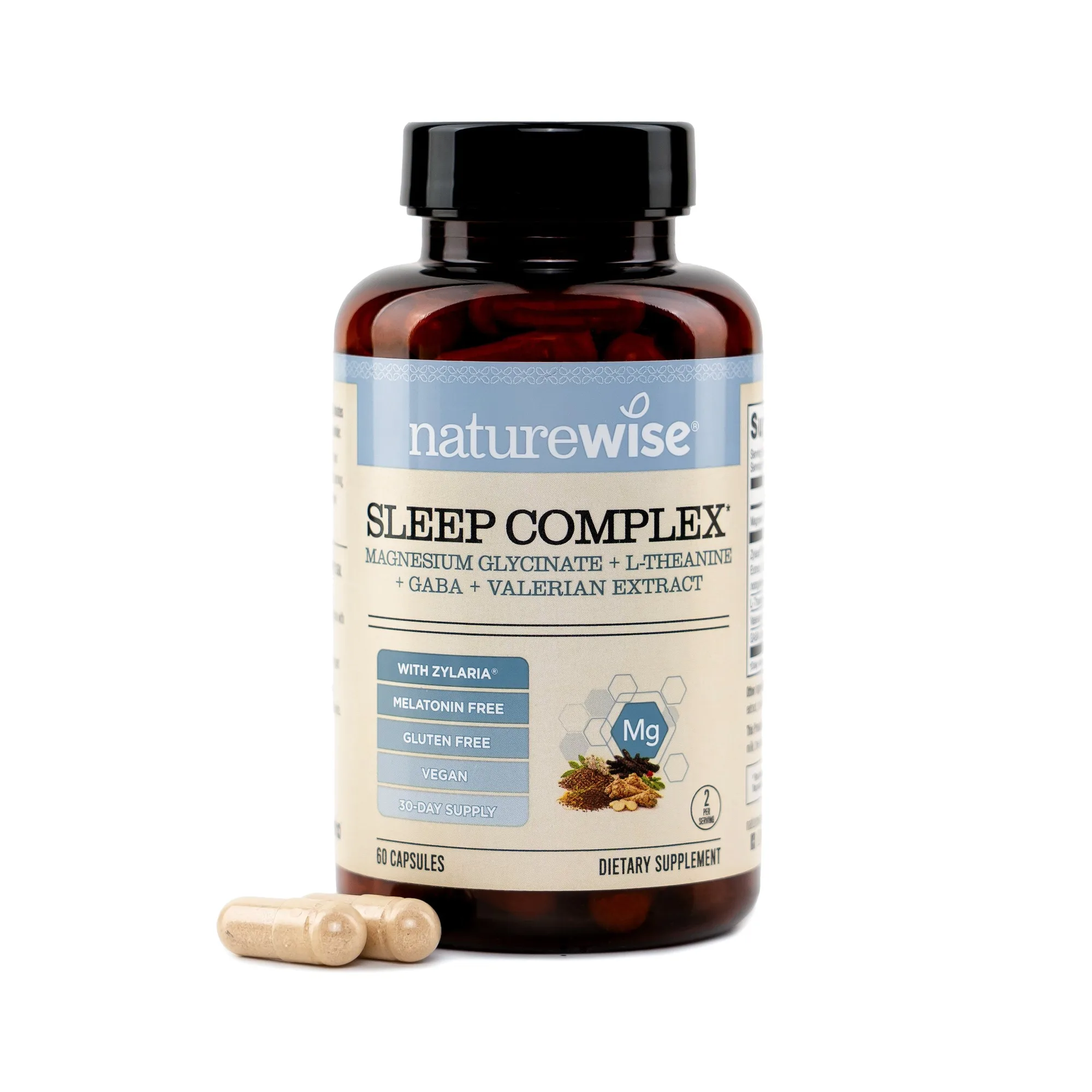
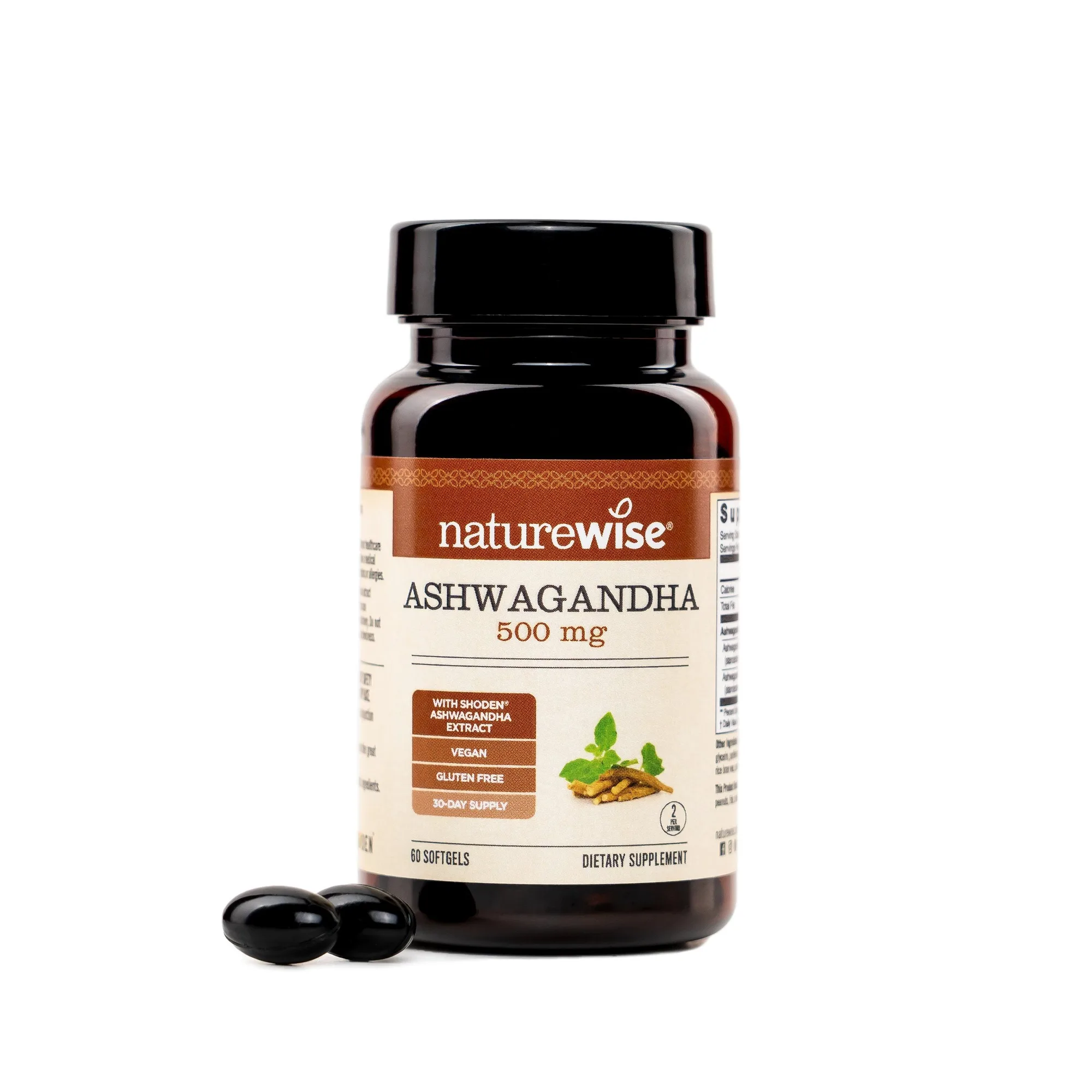
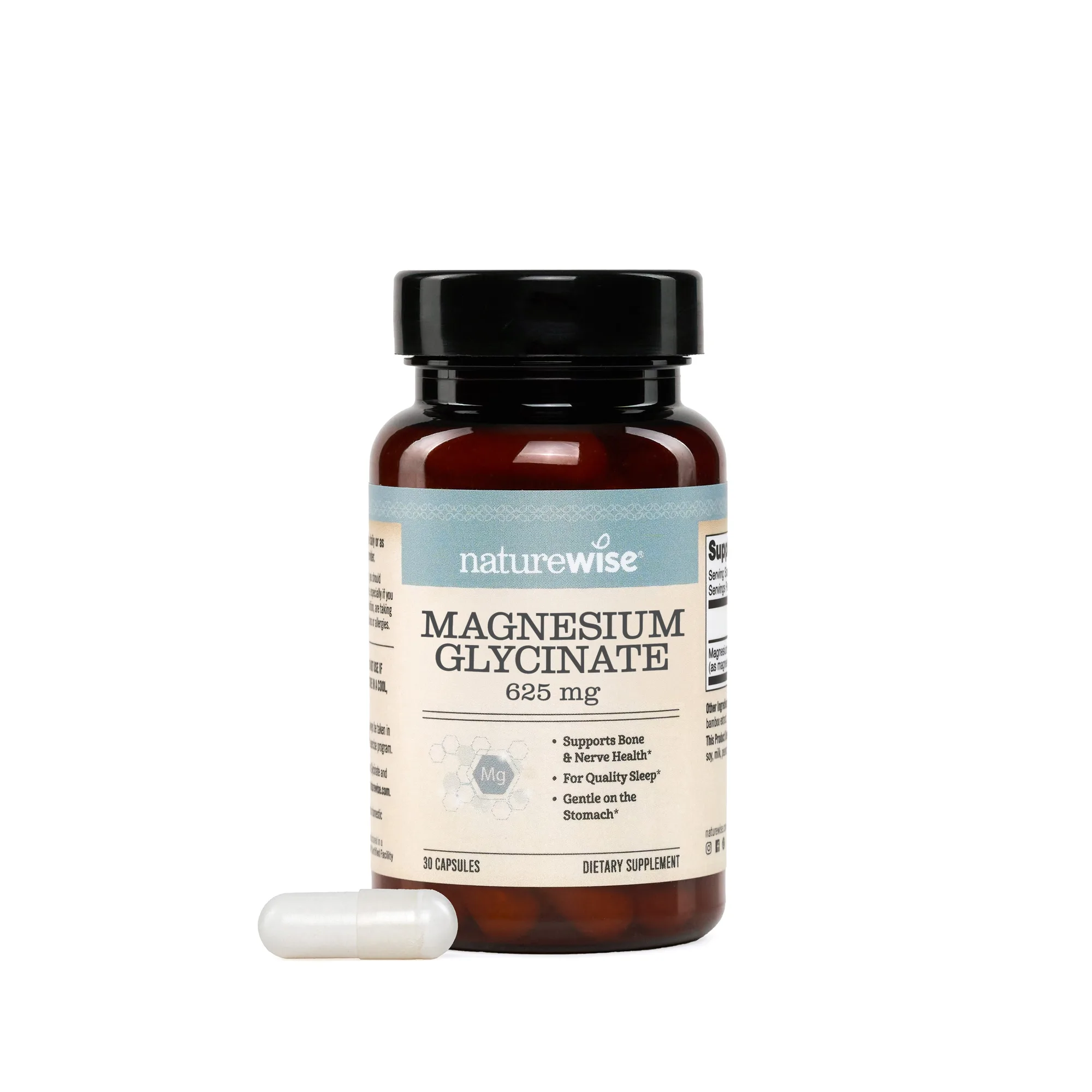
Magnesium supports relaxation and muscle function. Magnesium glycinate is a chelated form that is gentle on the stomach and often used for sleep support. L-theanine, an amino acid found in tea, promotes calm without sedation. Ashwagandha is an adaptogen studied for stress and sleep quality, though it takes weeks to build up. These ingredients work differently, so combining them without a plan can muddy your results.
- Take melatonin 30 to 60 minutes before bed, not hours earlier.
- Magnesium glycinate is less likely to cause digestive upset than magnesium oxide.
- L-theanine can be taken alone or with melatonin if a racing mind is your main issue.
How to read a sleep complex label
Start with the serving size. A bottle might say 'two capsules' but the front label implies one. Next, look for a proprietary blend. If the label lists ingredients under a single 'proprietary blend' with a total milligram amount, you cannot tell how much of each ingredient you are getting. That is a red flag for a sleep supplement because dosing matters.
Check for third-party testing. Supplements are not pre-approved by the FDA, so independent testing is one of the few ways to confirm that what is on the label is in the bottle. NatureWise, for example, uses third-party testing as a baseline. Also look at the form of each ingredient. Magnesium glycinate, melatonin, and L-theanine are clear; vague terms like 'herbal sleep blend' are not.
- Avoid proprietary blends if you want to know your actual dose.
- Look for a Certificate of Analysis or third-party testing claim.
- Check whether the serving size matches what you expect to take.
Match the formula to your sleep problem
If you lie awake for an hour or more, a formula with melatonin or L-theanine is a reasonable first try. If you fall asleep fine but wake in the middle of the night, magnesium glycinate or a time-release melatonin may be more appropriate, though time-release formulas are not for everyone. If your sleep issues come from stress or a busy mind, ashwagandha or L-theanine fits better than a sedative.
Do not stack multiple sleep supplements at once. Pick one formula, take it consistently for two weeks, and keep a simple note of how long it takes to fall asleep and how you feel in the morning. If nothing changes, the ingredient or dose is wrong for you, not necessarily sleep supplements as a category.
- Falling asleep: melatonin or L-theanine.
- Staying asleep: magnesium glycinate or a lower-dose melatonin.
- Stress-driven sleep issues: ashwagandha or L-theanine.
Dose and timing mistakes that ruin results
The most common mistake is taking melatonin too late. If you take it at midnight and wake at 6 a.m., you may feel foggy because the melatonin is still active. Take it 30 to 60 minutes before your target bedtime. Another mistake is expecting an immediate effect. Melatonin can work the first night, but magnesium and ashwagandha need consistent use for one to three weeks.
Also, do not take a sleep complex with alcohol or sedatives without checking with a pharmacist. And if you take thyroid medication, blood thinners, or antidepressants, run any new supplement by your doctor first. Sleep support is not risk-free just because it is natural.
- Set a bedtime alarm to take your supplement at the right time.
- Give non-melatonin ingredients at least two weeks.
- Check interactions if you take prescription medications.
Decision rules for choosing a sleep complex
- If you need to fall asleep faster: Choose a formula with melatonin at 0.5 mg to 3 mg or L-theanine at 100 mg to 200 mg. Take it 30 to 60 minutes before bed. If you feel groggy in the morning, lower the melatonin dose before adding anything else. One ingredient, one clear dose, two-week trial.
- If you wake up during the night: Look for magnesium glycinate at 200 mg to 400 mg elemental magnesium, or a low-dose melatonin. Avoid high-dose melatonin, which can cause vivid dreams or next-day fog. If you still wake, the issue may be blood sugar, stress, or sleep environment rather than a missing supplement. Magnesium glycinate is the first thing to try, not a stronger sedative.
- If stress is the root cause: Choose ashwagandha at 300 mg to 600 mg of a standardized root extract, or L-theanine. These are not immediate sleep aids; they support a calmer state over one to three weeks. Pair with a consistent wind-down routine for best results. Give adaptogens time, and do not expect them to work like melatonin.
- If you already take prescription medication: Check with a pharmacist before adding any sleep supplement. Melatonin can interact with blood thinners, immunosuppressants, and some antidepressants. Magnesium can interfere with certain antibiotics and thyroid medications. This is non-negotiable. Interaction check first, supplement second.
Product facts that matter for sleep support
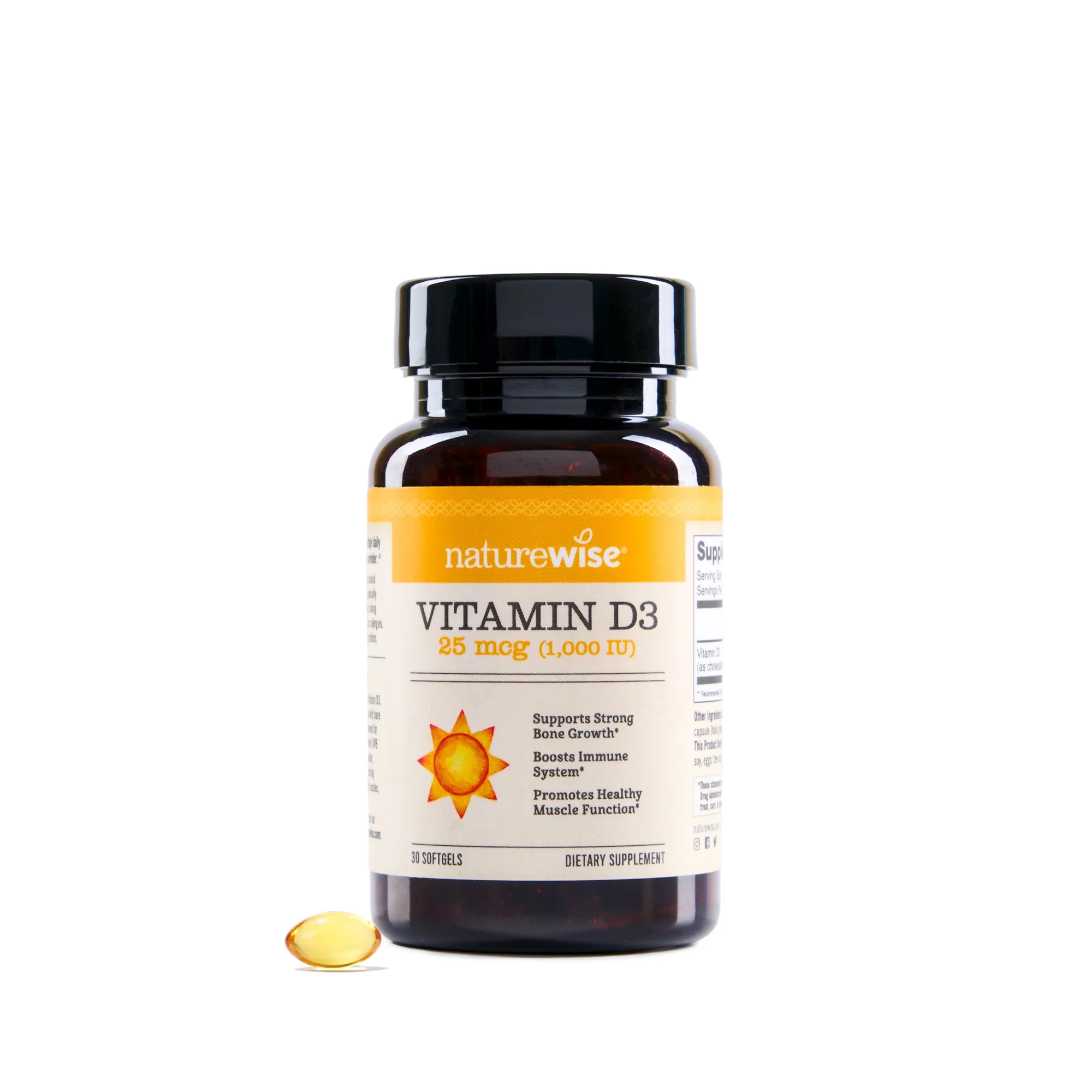
- Vitamin D3 + K2 with Magnesium Glycinate: 5000IU naturally-sourced vitamin D3, 275mg chelated, non-buffered Magnesium Glycinate, and 50mcg Vitamin K2 as MK-7. Supports immune health, bone health, and heart health. This is not a sleep complex, but it is a practical way to get magnesium glycinate if you already need vitamin D3 and K2. The chelated form is gentle and the dose is clear, which makes it easy to combine with a separate sleep ingredient if you prefer to build your own stack.
- Super K Complex: 1,000 mcg Vitamin K2 as MK-4, 200 mcg as MK-7, 2,000 mcg K1, plus Vitamin C. Vegan. Supports heart health, bone health, and calcium distribution. If you take vitamin D3 for sleep-related bone or immune support, vitamin K2 helps direct calcium to bones. This is a supporting product, not a sleep aid, but it is relevant if your sleep routine includes D3 and you want a vegan K complex.
- Multi Collagen Complex: 1650mg collagen per serving with digestive enzymes for absorption. Made with halal gelatin. Contains egg and fish. Supports skin health, hair and nail health, and joint health. Poor sleep can show up in skin and joints. This is not a sleep ingredient, but if you are building a nighttime routine, collagen with digestive enzymes is an option for skin, hair, and joint support. Note that it contains egg and fish, so it is not suitable for those with those allergies.
Who should choose a sleep complex and who should not
Best for
- People with occasional sleeplessness who want a simple, low-dose ingredient like melatonin or L-theanine.
- Shift workers or travelers who need short-term sleep timing support.
- People who have already fixed their sleep environment and want a targeted supplement.
Not for
- Anyone with chronic insomnia lasting more than a month, which needs a doctor's evaluation.
- People who expect a supplement to replace sleep hygiene, caffeine reduction, or a consistent schedule.
- Anyone taking prescription sleep medication, antidepressants, or blood thinners without medical clearance.
A sleep complex is not a magic pill. It is a small tool that works when the ingredient, dose, and timing match your specific problem. Start with one formula, take it consistently for two weeks, and track your results. If it does not help, change the ingredient or talk to a doctor rather than adding more supplements.