Quick answer
Match the sleep sack's TOG rating to your nursery's actual overnight temperature: roughly 0.5 TOG for 24-27°C, 1.0 TOG for 21-23°C, 2.5 TOG for 16-20°C, and 3.5 TOG below 16°C. Then adjust the sleepwear underneath rather than adding blankets, and check your baby's chest or back about 20 minutes after they fall asleep.
Why TOG and room temperature work as a pair
TOG measures thermal insulation: the higher the number, the more warmth the garment traps. That number only means something alongside a room temperature, because a 2.5 TOG sack in a 26°C room traps far more heat than the same sack in a 17°C room. This is why a sleep sack TOG chart pairs each rating with a temperature band instead of listing TOG alone.
The chart is a starting point, not a verdict. Babies run warmer or cooler, rooms sit at the warm or cool end of a band, and sleepwear layers change the total insulation. Treat the chart as your first guess, then verify with a quick touch test.
Where to measure room temperature
Place a thermometer at mattress height, near the sleep area, away from windows, radiators, and vents. Heat rises and cold pools, so a reading from a shelf or the baby monitor base can be 1-3°C off from what your baby actually feels.
Check the reading after the room has settled for sleep, not at midday. Overnight temperatures often drop, especially in winter, so a room that reads 21°C at bedtime may drift toward 18°C by 3 a.m. If your home swings that much, plan for the cooler end.
Reading the chart for your baby's sleepwear
Once you know the room temperature and TOG, choose the base layer. In warmer rooms, a short-sleeve bodysuit or just a diaper under a low-TOG sack is often enough. In cooler rooms, add a long-sleeve bodysuit or footed pajamas under a higher-TOG sack.
Keep the base layer thin and close-fitting. Bulky layers under a sleep sack bunch up, trap heat unevenly, and make it harder to tell whether your baby is too warm. One well-chosen layer beats two thick ones.
Checking whether the setup is right
About 20 minutes after your baby falls asleep, feel their chest or the back of their neck. Warm and dry means the setup is working. Clammy, sweaty, or hot means remove a layer or drop to a lower TOG. Cool to the touch means add a layer or move up a TOG.
Hands and feet are unreliable signals. Babies often have cooler extremities even when their core is comfortably warm, so don't judge by fingers and toes alone.
What the chart can't tell you
TOG charts assume a standard base layer and a settled room. They don't account for a fever, a baby who runs hot, a room with uneven heating, or a sleep sack worn over thick pajamas. They also don't replace safe-sleep guidance: keep the sleep space clear, place your baby on their back, and avoid loose blankets.
If your baby is unwell or the room temperature is hard to control, err toward the cooler side and check more often. A slightly cool baby who settles well is safer than an overheated one.
How to set up sleep sack warmth in five steps
- Measure the room at mattress height: Put a thermometer near the sleep area, away from windows, vents, and radiators, and read it once the room has settled for the night. Checkpoint: if the reading is more than 2°C from what you expected, move the thermometer and re-read before choosing a TOG.
- Match TOG to that temperature: Use the chart bands: about 0.5 TOG for 24-27°C, 1.0 TOG for 21-23°C, 2.5 TOG for 16-20°C, and 3.5 TOG below 16°C. Common mistake: picking TOG by season instead of by the actual overnight temperature in your nursery.
- Choose one base layer: Add a short-sleeve bodysuit in warm rooms, or a long-sleeve bodysuit or footed pajamas in cooler rooms, keeping the layer thin and close-fitting. Common mistake: layering thick pajamas under a high-TOG sack, which traps more heat than the chart assumes.
- Do the 20-minute touch test: Feel your baby's chest or the back of the neck once they've settled. Warm and dry is the target. Adjust one variable at a time: change the base layer first, then the TOG, so you know what actually helped.
- Re-check overnight: If your home cools significantly after midnight, look in once during the night and adjust for the cooler reading. Next step: if you find yourself adjusting every night, note the temperature and TOG that worked and repeat that pairing.
Parade sleep sacks that fit this chart
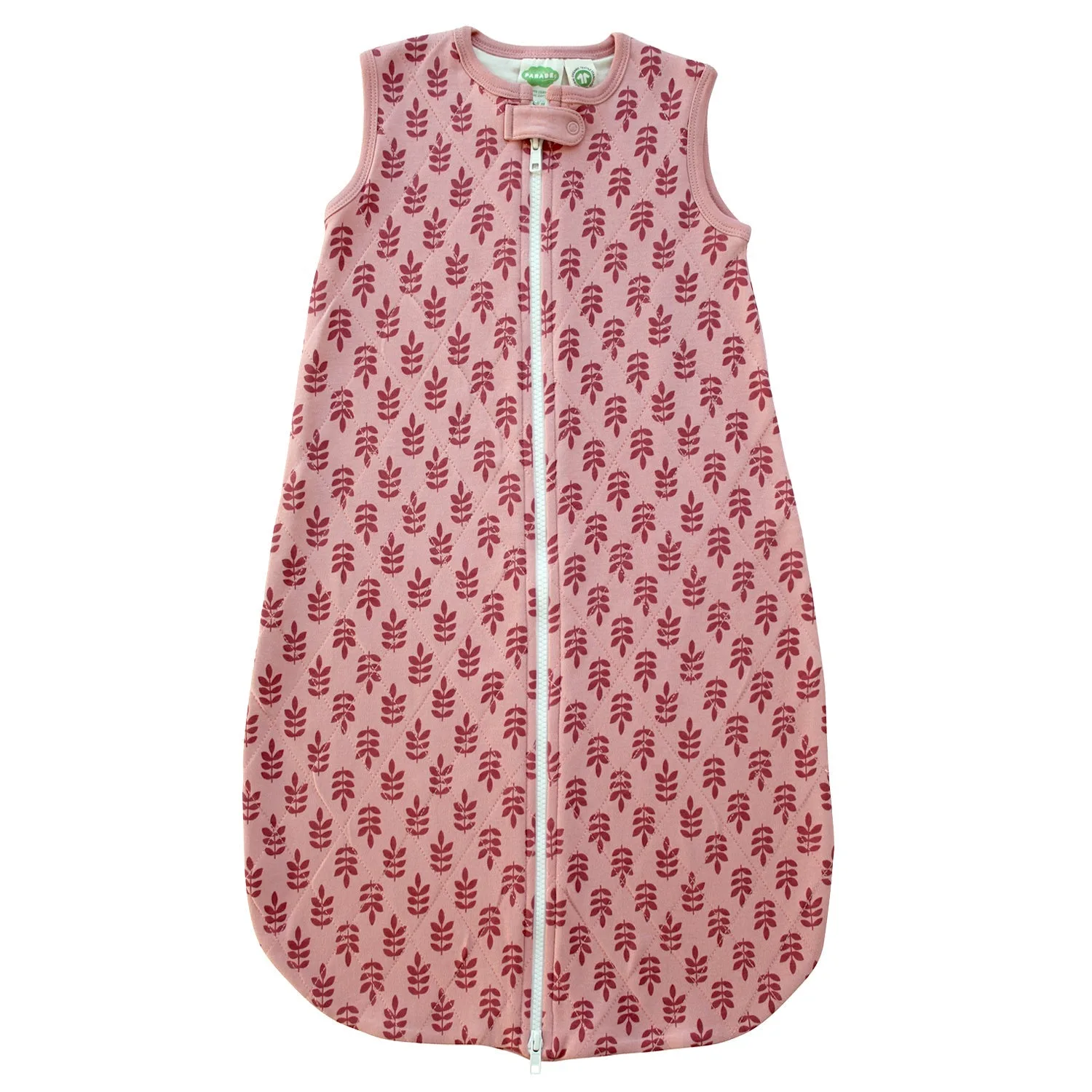
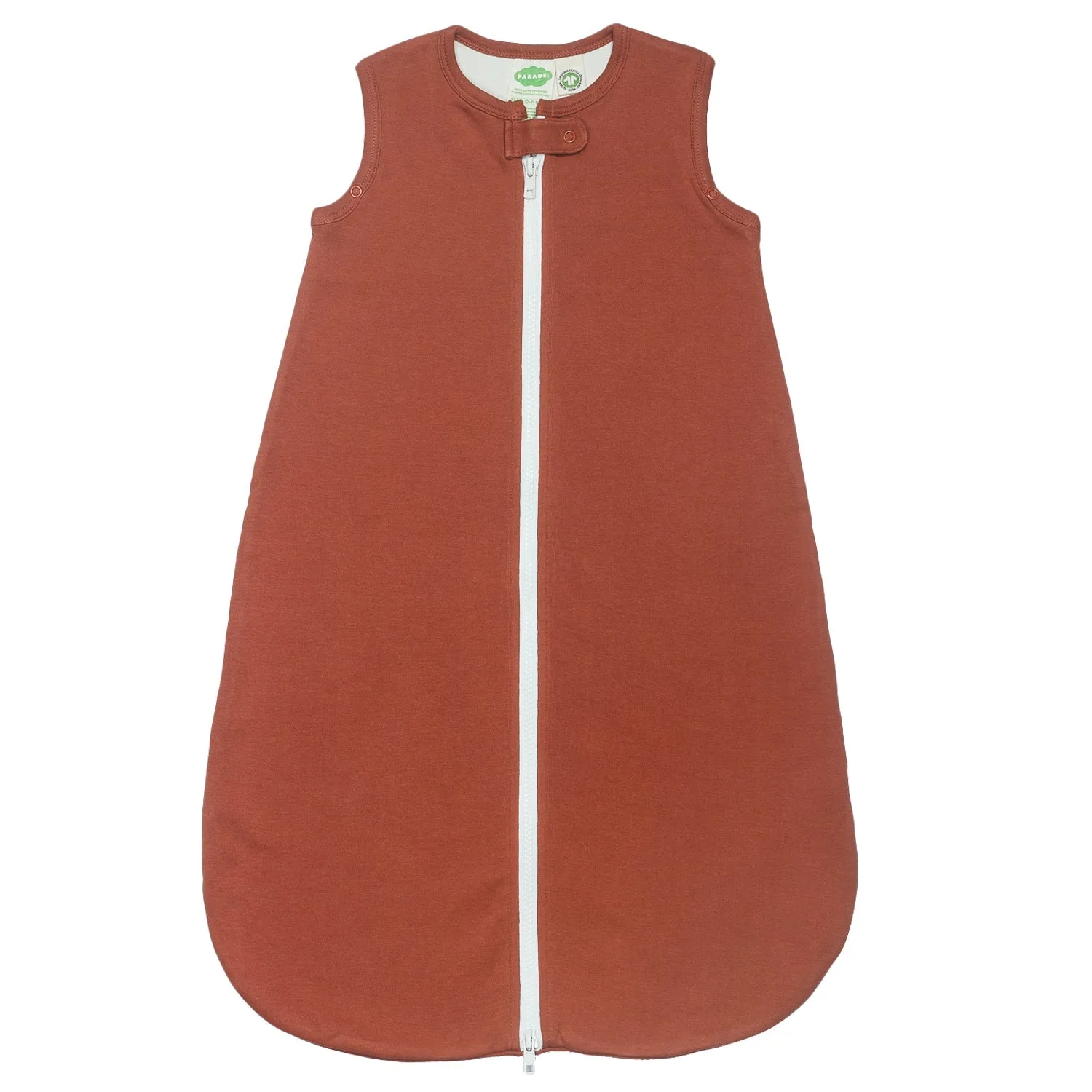
- Organic Sleep Sac - Essentials: Two soft, breathable layers of 100% organic cotton with a durable 2-way zipper, available in sizes from 0-6 months (approx. 69 cm) up to 24-36 months (approx. 100 cm) before washing. A breathable two-layer sack suits the milder end of the chart and the two-way zipper makes night changes quicker, which matters when you're trying not to wake a settled baby.
- Organic Winter Sleep Sac - Signature prints: Three layers of 100% organic cotton with a chunky 2-way zipper, designed for cooler nights. The extra layer adds warmth for the cooler bands of the chart, so you can keep the room at a comfortable temperature without piling on sleepwear.
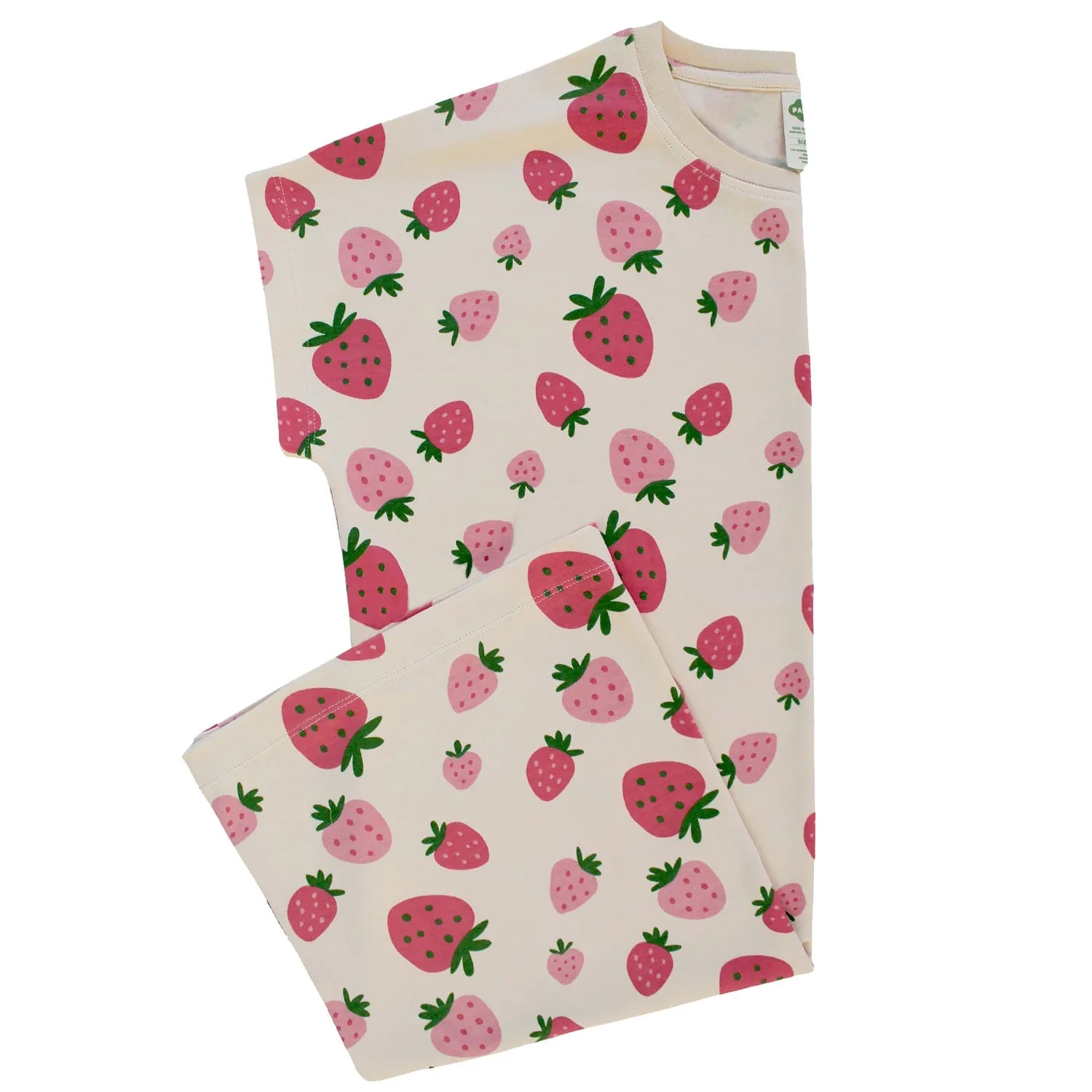
- Organic Women's 'Big Tee' Sleepshirt: Oversized, boxy fit and generous in length; organic cotton can shrink up to 5% in length after washing, and sizing is relaxed rather than dress-size. Useful as the base layer under a sleep sack or on its own in warm rooms, but expect the fit to settle closer to true to size after the first wash.