Quick answer
Most sleeping bag damage comes from two habits: storing the bag compressed and washing it more often than it needs. Store it loose and clean it only when it is genuinely soiled. Down and synthetic bags share those rules, but they dry differently, so treat drying as the step that decides whether your bag survives the wash.
Sleeping bags fail slowly. A bag rarely dies in one bad night; it loses loft, picks up smells, or develops a cold spot after a season of small mistakes. The frustrating part is that most of those mistakes come from advice that sounds reasonable.
This article separates common sleeping bag care myths from habits that actually protect your investment. Each claim gets a clear verdict, and the reasoning stays grounded in what the materials and construction actually do.
Myth: You should wash your bag after every trip
Verdict: False. Frequent washing is one of the most common washing sleeping bag mistakes. Every wash cycle moves insulation around, stresses seams, and adds wear that a simple airing would not. Body oils and sweat do degrade loft over time, but that happens over many nights, not one.
Wash when the bag is visibly dirty, smells sour even after airing, or has absorbed enough oil that the shell feels slick. Otherwise, air it out after each trip, spot-clean small marks, and put it away dry. This approach extends sleeping bag lifespan far more than any detergent choice.
- Air the bag inside out for a few hours after every trip before storing it.
- Spot-clean with a damp cloth instead of running a full wash cycle.
- Wash only when odor or visible grime survives airing.
Myth: Storing your bag in its stuff sack saves space and is fine
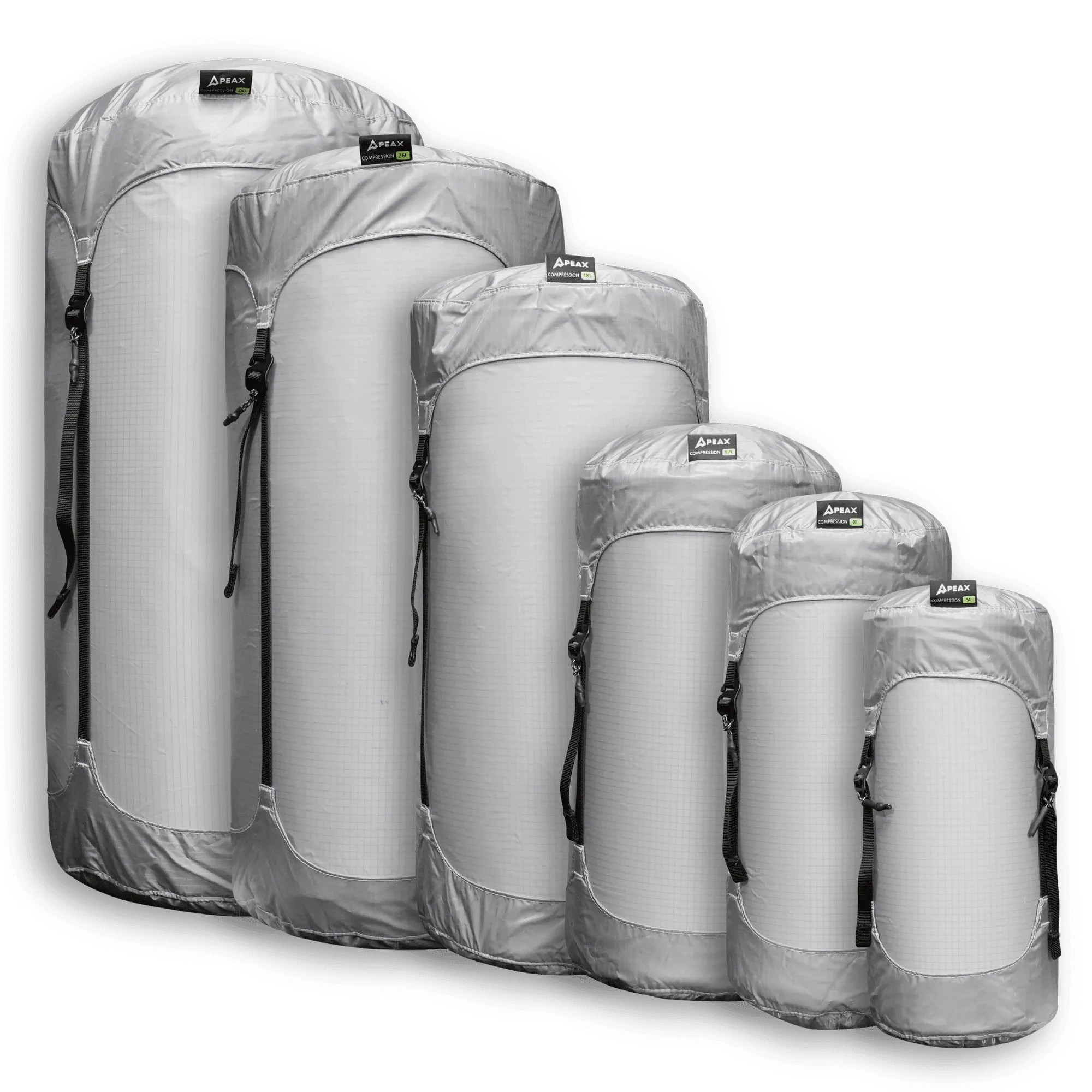
Verdict: False. This is the storage mistake that does the most quiet damage. Compressed insulation loses its ability to bounce back over time, and a bag that lives in a stuff sack between trips will loft less each season.
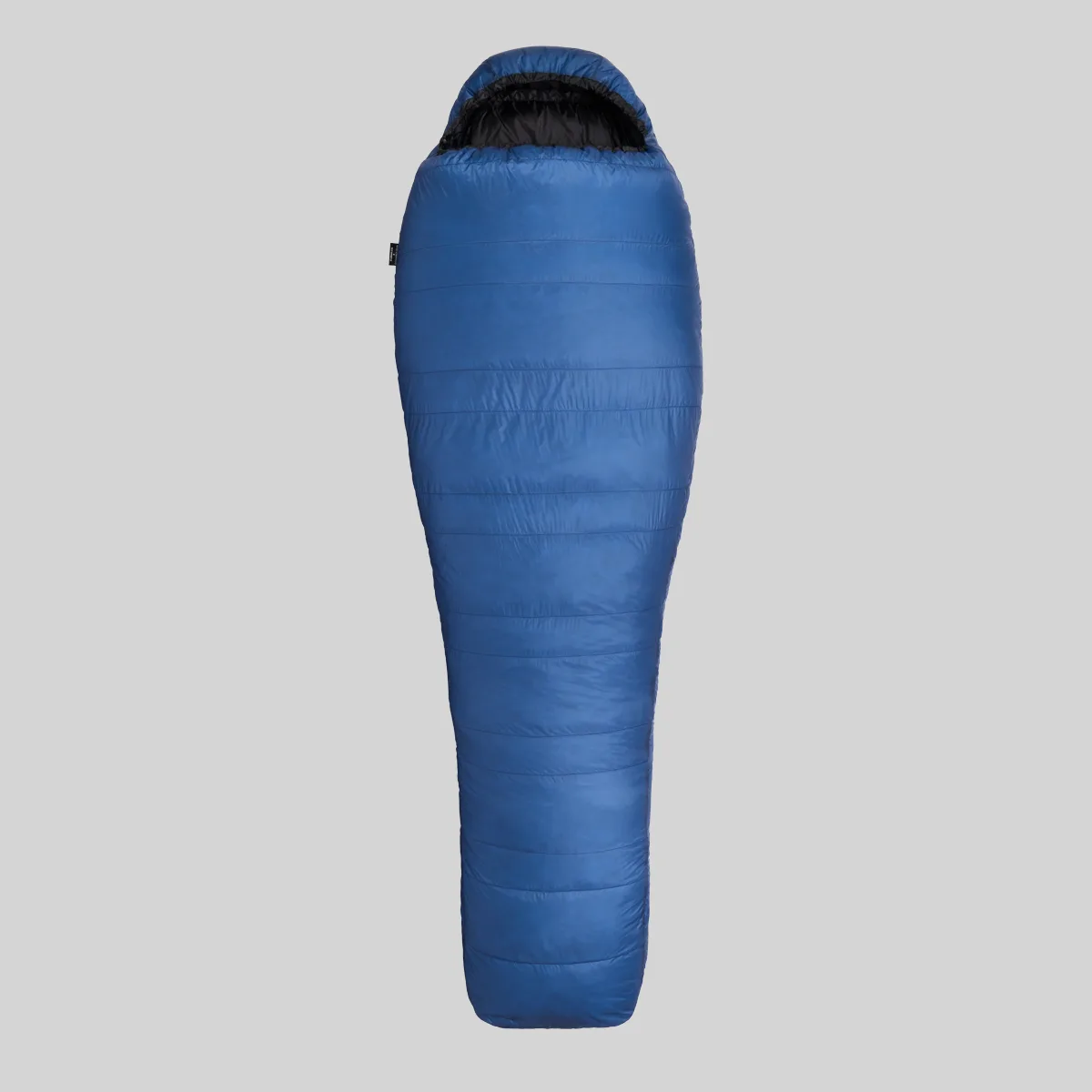
Store the bag loose in a large cotton or mesh storage sack, or hang it in a dry closet. The goal is to let the insulation stay fully expanded so it keeps its thickness. If you are short on space, a loose storage sack under a bed works better than any compressed option.
- Use the storage sack, not the stuff sack, for anything longer than travel day.
- Hang the bag if you have the space and a dry spot.
- Never leave a bag compressed for weeks at a time.
Myth: Down and synthetic bags need completely different care
Verdict: Mostly false. Down vs synthetic bag care differs in drying and washing products, but the core rules are the same: wash rarely, store loose, dry completely. Both materials lose performance when packed wet or stored compressed.
The real difference is drying time and how the insulation reacts to moisture. Down clumps when wet and needs thorough, gentle drying to restore loft. Synthetic insulation handles damp conditions better but still needs full drying to avoid mildew. Treat drying as the step that decides whether the wash was a success.
- Use a gentle, non-detergent cleaner made for down or synthetic insulation.
- Dry on low heat with dryer balls or clean tennis balls to break up clumps.
- Expect down to take longer to dry fully than synthetic.
Myth: A little moisture in the bag is not a big deal
Verdict: False. Moisture is the enemy of loft, and loft is what keeps you warm. A damp bag stored in a pack or closet can develop mildew, which damages fabric and insulation and is hard to remove.
Dry the bag completely before storage, even if it only feels slightly damp. If you camp in humid or rainy conditions, air the bag in a dry space as soon as you get home. This single habit prevents more sleeping bag maintenance problems than any repair.
- Dry the bag fully before it goes into storage.
- Air it in a dry, shaded space rather than direct sun.
- Check seams and corners for dampness, not just the center.
Myth: You can repair or restore a bag that has lost all its loft
Verdict: Partly true. A bag that has been stored compressed for years may not fully recover, but a bag that has simply been washed and dried correctly usually regains most of its loft. The difference is whether the insulation was damaged or just compressed.
If the bag still feels thin after a proper wash and dry, the insulation may be worn out. At that point, no cleaning tip will bring it back. This is why prevention matters more than repair: loose storage and rare washing keep the insulation healthy in the first place.
- Try a proper wash and full dry before giving up on a flat bag.
- If loft does not return, the insulation is likely worn beyond saving.
- Prevention is cheaper than replacement.
Verdicts at a glance
- Wash frequency: Washing after every trip is a myth. Wash only when the bag is visibly dirty or smells sour after airing. Verdict: false. Air and spot-clean first.
- Storage method: Storing in a stuff sack compresses insulation and reduces loft over time. Verdict: false. Store loose in a storage sack or hang it.
- Down vs synthetic care: The core rules are the same; drying time and products differ. Verdict: mostly false. Dry completely either way.
- Dampness: Even slight moisture can lead to mildew and loft loss if stored. Verdict: false. Dry fully before storage.
- Restoring a flat bag: A proper wash and dry can restore loft if the insulation is not worn out. Verdict: partly true. Try washing before replacing.
Gear that supports better bag care
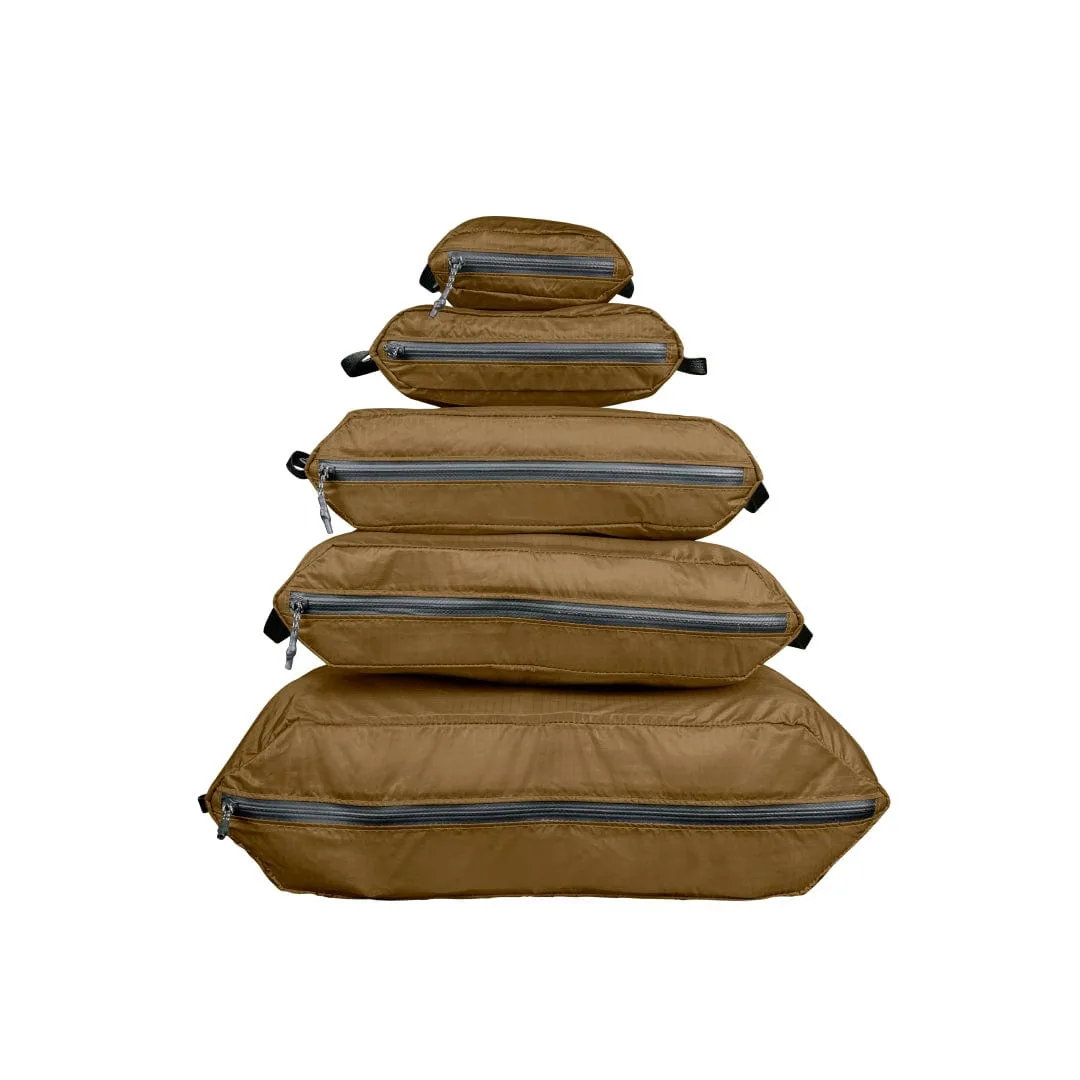
- KIT SACK: The PEAX Kit Sack keeps essential gear organized, protected, and easy to find, helping hunters maintain an efficient pack system in the backcountry. Use small sacks like this to keep repair patches, a spare stuff sack, and cleaning cloths separate from your sleeping bag so you are not digging through your pack and exposing the bag to unnecessary handling.
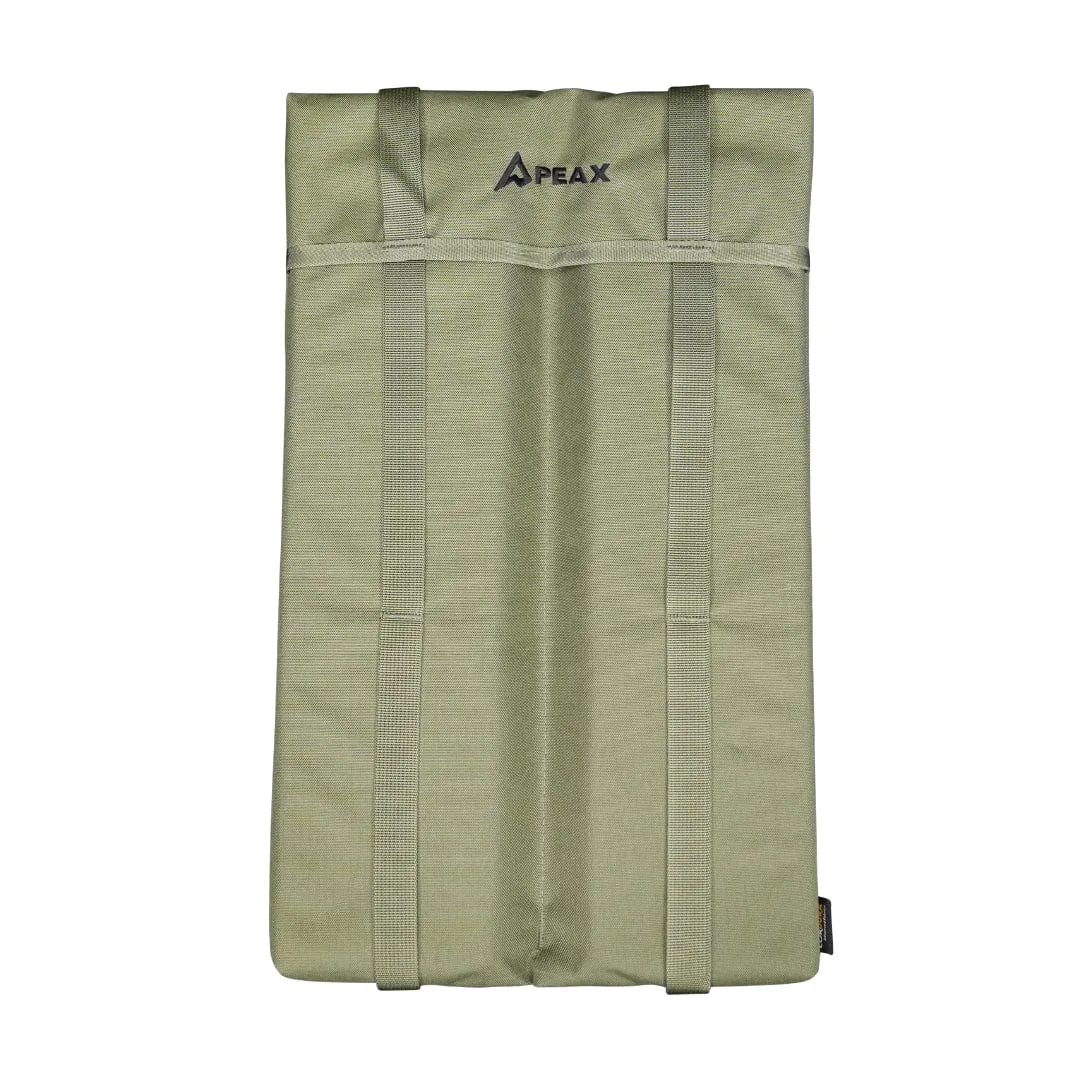
- GLASSING PAD: The PEAX Glassing Pad provides lightweight insulation and cushioning that helps hunters stay comfortable, focused, and behind the optics longer. A dedicated pad for glassing keeps you off wet ground and reduces the chance that moisture and grit end up on your sleeping bag when you set it out at camp.
Protecting your sleeping bag comes down to a few boring habits: store it loose, wash it rarely, and dry it completely. Those three rules prevent most of the damage that shortens a bag's life, and they cost nothing to follow.