When you’re camping, a good night’s sleep isn’t just about the sleeping bag. The ground can steal your body heat faster than you think, and that’s where the sleeping pad comes in. If you’ve ever woken up cold even in a warm bag, your pad might be the culprit. Understanding R-value is the key to staying warm and comfortable on every trip.
In this guide, we’ll break down what R-value means, why it matters, and how to choose the right sleeping pad insulation for your needs. Whether you’re a summer camper or a winter adventurer, we’ll help you make an informed decision.
What Is Sleeping Pad R-Value?
R-value measures a material’s resistance to heat flow. In the world of camping, it tells you how well a sleeping pad insulates you from the cold ground. The higher the R-value, the better the pad blocks heat loss. A pad with an R-value of 1.0 offers minimal insulation, while a pad with 5.0 or higher is designed for freezing temperatures.
The scale is linear, meaning an R-value of 4.0 is twice as warm as 2.0. But it’s not just about numbers—how you use the pad and the conditions you’re in matter. For example, a summer camper might be fine with an R-value of 2, while a shoulder-season backpacker will need something closer to 3.5 or 4.
- R-value is measured in a lab, but real-world conditions can vary.
- A pad’s R-value is often listed on the product or manufacturer’s website.
Why R-Value Matters More Than You Think
Even the warmest sleeping bag won’t keep you warm if your pad is poorly insulated. The ground is a huge heat sink—it pulls heat away from your body. Without adequate insulation, you’ll feel the chill seeping up through the floor of your tent. That’s why choosing a pad with the right R-value is crucial for a good night’s sleep.
Consider the seasons: in summer, the ground is warmer, so a lower R-value suffices. In spring and fall, temperatures drop, and you need more insulation. Winter camping demands a high R-value pad, often 5 or above. Matching your pad to the season ensures you stay warm without overheating.
- A pad with low R-value can make a 20°F sleeping bag feel useless.
- Insulated pads often use foam, down, or synthetic fill to boost R-value.
How to Choose the Right R-Value for Your Camping Style
Start by thinking about the lowest temperatures you expect to encounter. If you’re a fair-weather camper who only goes out in summer, an R-value of 1.5 to 2.5 is plenty. For three-season camping, aim for 2.5 to 4. For winter or alpine trips, look for 4.5 and above.
Also consider your sleeping bag. If you have a warm bag like the https://keltyfx.com/products/mistral-40-sleeping-bag-c054caa821a99fad0d5a6179-473926Mistral 40 Sleeping Bag for mild nights, a lower R-value pad might be fine. But if you’re using a Wayback 20 Sleeping Bag for colder weather, you’ll want a pad with higher insulation to match.

Wayback 20 Sleeping Bag
- For summer camping: R-value 1.5–2.5
- For three-season camping: R-value 2.5–4
- For winter camping: R-value 4.5+
Types of Sleeping Pad Insulation
Sleeping pads come with different types of insulation. Foam pads are durable and offer consistent R-values, but they can be bulky. Air pads are lightweight and packable, but they need insulation to be warm—look for pads with synthetic or down fill. Self-inflating pads combine foam and air for a balance of comfort and warmth.
When shopping, check the R-value rating and the insulation type. For example, an insulated air pad might use a reflective layer to trap heat. That’s a great choice for backpackers who want to save space. If you’re car camping, a thicker foam pad might be more comfortable.
- Foam pads: durable, high R-value, but bulky
- Air pads: light, compact, but need insulation
- Self-inflating pads: convenient, good warmth
Matching Your Pad with Other Gear
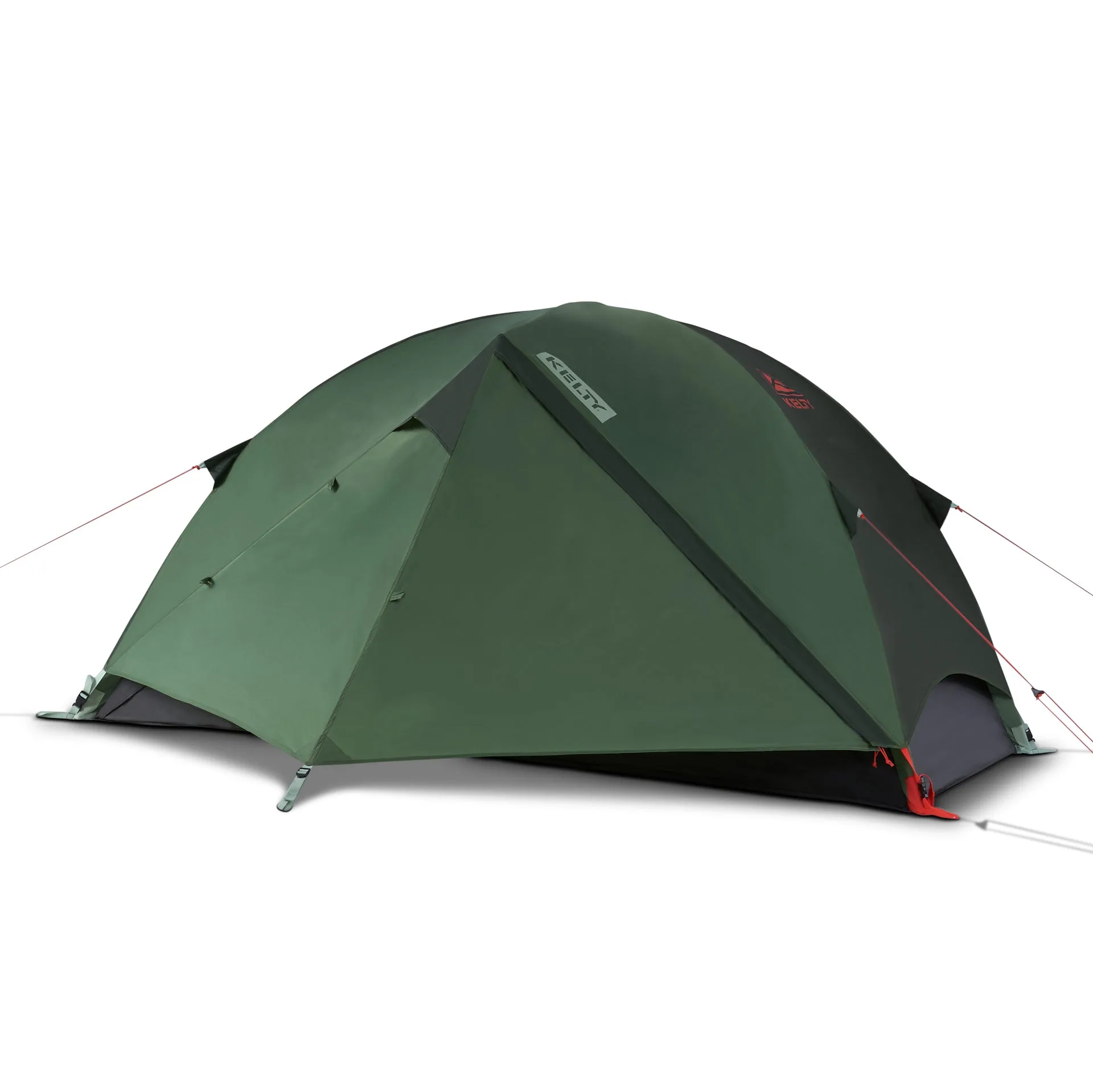
Your sleeping pad doesn’t work alone. Pair it with the right sleeping bag and tent for a cozy setup. For instance, a Wireless 2P Tent provides shelter, but the ground inside is still cold. A good pad bridges the gap between you and the earth.
Also think about comfort. A pad with a higher R-value often has more insulation, which can add cushioning. If you’re a side sleeper, you might prefer a thicker pad. And don’t forget to consider the pad’s size and packability—especially if you’re hiking.
- Consider the combined warmth of your bag and pad.
- A pad’s thickness can affect both comfort and insulation.
Choosing the right sleeping pad R-value is essential for a warm and comfortable night outdoors. By matching the R-value to your camping conditions and pairing it with the right gear, you’ll sleep better and wake up refreshed. Explore our selection of sleeping pads and other camping essentials to find your perfect match.