Quick answer
Wash pajamas inside out in cold water on a gentle cycle, use a small amount of mild detergent, and skip fabric softener. Tumble dry low or air dry, then fold instead of hanging heavy knits. This routine keeps sleepwear soft and helps extend pajama life without fading or pilling.
Pajamas take more abuse than almost anything else in your closet. You wear them for eight hours a night, wash them more often than your jeans, and expect them to stay soft through dozens of cycles. Most sleepwear does not fail because of bad fabric; it fails because of hot water, harsh detergent, and a dryer that runs too long.
The good news is that sleepwear fabric care is mostly about a few consistent habits. The steps below apply to cotton jersey, modal blends, and most knit pajama sets. If your pajamas have a special trim, print, or button placket, a couple of small adjustments will keep those details intact too.
Why sleepwear needs its own laundry routine
Sleepwear sits directly against your skin for hours, so it picks up body oils, lotions, and sweat that regular detergent is designed to remove. But the fibers are usually softer and finer than daywear, which means they are more vulnerable to heat and agitation. Hot water and a long, vigorous wash cycle break down cotton and spandex, causing shrinkage, fading, and that rough, pilled texture you feel after a few months.
A separate sleepwear routine does not mean a separate load every time. It means choosing the right settings when pajamas do go in. Cold water protects color and reduces shrinkage, a gentle or delicate cycle limits friction, and low heat prevents elastic from weakening. Those three choices do more for pajama longevity than any specialty product.
One more reason to treat sleepwear differently: prints and embellishments. A patterned pajama set can fade faster than a solid one if it is washed with heavy items like towels or jeans. Zippers, buttons, and rib trim can snag on open hardware in the same load. Keeping sleepwear with soft, similar fabrics avoids most of that damage.
- Wash pajamas with other lightweight knits, not towels or denim.
- Turn printed or embellished sleepwear inside out before it goes in the machine.
- Check the care label once; if it says cold and gentle, believe it.
How to wash pajamas without fading or pilling
Start by closing any buttons and turning the garment inside out. This protects the outer print and keeps the henley placket from snagging. Use cold water, a gentle cycle, and a mild liquid detergent. Powder detergent can leave residue on soft knits, and too much detergent is a common cause of stiff, dull fabric. If your machine has a bulky or bedding setting, skip it; those cycles use more agitation than sleepwear needs.
Fabric softener is the one product to leave out. It coats fibers with a waxy film that feels soft at first but traps odors and reduces breathability over time. If you want a softer feel, add a half cup of white vinegar to the rinse cycle instead. It helps strip detergent residue without leaving a scent.
Wash sleepwear after two to three wears, or after every wear if you sweat heavily or wear body lotion to bed. Overwashing is less damaging than under-washing for skin health, but you can stretch the interval by airing pajamas between wears.
- Use the least amount of detergent the label recommends, not the capful.
- Skip fabric softener and dryer sheets on anything you sleep in.
- Wash pajamas separately from towels to avoid lint transfer and pilling.
Drying and storing to extend pajama life
Heat is the biggest threat to sleepwear elastic and spandex. Tumble dry on low for the shortest time that gets the job done, then remove pajamas while they are still slightly damp and lay them flat or hang them to finish drying. If you have the space, air drying is the single easiest way to extend pajama life. It avoids the friction that causes pilling and the heat that shrinks cotton.
For heavy knits or oversized sleepwear, drying flat is better than hanging. A wet garment on a hanger can stretch at the shoulders and leave hanger marks. Once dry, fold pajamas rather than hanging them if the fabric is thick or the set is heavy. Folding also keeps matching sets together, which makes the next wash day simpler.
Store clean sleepwear in a dry drawer or shelf, not in a damp bathroom. Damp storage encourages musty odors and can weaken fibers over time. If you rotate seasonal sleepwear, wash it before storing it, not after. Oils and lotion residue left on fabric during storage can set into yellow stains.
- Air dry when possible; if using a dryer, choose low heat and remove early.
- Dry heavy knits flat to prevent shoulder stretching.
- Wash before long-term storage, and store only completely dry pajamas.
Handling special details: prints, trim, and buttons
A functional henley button placket, rib trim at the neckline and sleeves, and printed jersey all need slightly different handling. Button the placket before washing so it does not catch on other garments. If the trim is ribbed, keep it out of the dryer entirely; ribbing loses its recovery faster than the body fabric. Printed sleepwear should be washed inside out and dried away from direct sun, which can fade dyes even indoors through a window.
For any sleepwear with a print or a delicate trim, a mesh laundry bag is a cheap insurance policy. It reduces friction against other items and keeps small pieces from twisting. If you are unsure whether a garment can handle the machine, hand wash it in cool water with a drop of mild detergent, then press the water out gently instead of wringing.
Check the care label for anything you are unsure about. If a label says dry clean only, follow it, or spot clean and air the garment between wears. Guessing on a specialty fabric is how pajamas end up misshapen after one wash.
- Button henley plackets before washing to protect the opening.
- Use a mesh bag for printed sleepwear and anything with delicate trim.
- Never wring wet sleepwear; press water out between towels instead.
Your step-by-step sleepwear care routine
- Step 1: Read the care label and sort: Check the label for temperature and drying instructions. Sort sleepwear away from towels, denim, and anything with zippers. Common mistake: tossing pajamas in with a mixed load because it is convenient. Checkpoint: if you would not wash a delicate top with it, do not wash sleepwear with it either. Separating sleepwear is the single easiest way to prevent pilling.
- Step 2: Prep the garment: Close buttons, turn printed or embellished sleepwear inside out, and place delicate pieces in a mesh bag. Common mistake: leaving the henley placket open so it snags on other clothes. Checkpoint: run your hand over the garment; if you feel loose threads or open hardware, secure or bag it. Two minutes of prep prevents most snags and print fading.
- Step 3: Wash cold on gentle: Use cold water, a gentle or delicate cycle, and a small amount of mild liquid detergent. Skip fabric softener. Common mistake: filling the detergent cap to the top, which leaves residue that makes fabric feel stiff. Checkpoint: if you see suds in the rinse water, you used too much detergent. Cold and gentle protects color, stretch, and softness.
- Step 4: Dry low or air dry: Tumble dry low only until slightly damp, then lay flat or hang to finish. Heavy knits should dry flat. Common mistake: running a full high-heat cycle, which shrinks cotton and weakens elastic. Checkpoint: if the garment feels hot when you take it out, the heat was too high. Air drying is the best way to keep pajamas soft long term.
- Step 5: Fold and store dry: Fold pajamas and store them in a dry drawer or shelf, away from damp bathrooms. Wash before storing seasonal sleepwear. Common mistake: putting away slightly damp pajamas, which leads to musty odors and fiber damage. Checkpoint: if you smell anything sour when you open the drawer, rewash the set. Clean, dry storage keeps sleepwear fresh between seasons.
Sleepwear and comfort pieces worth caring for
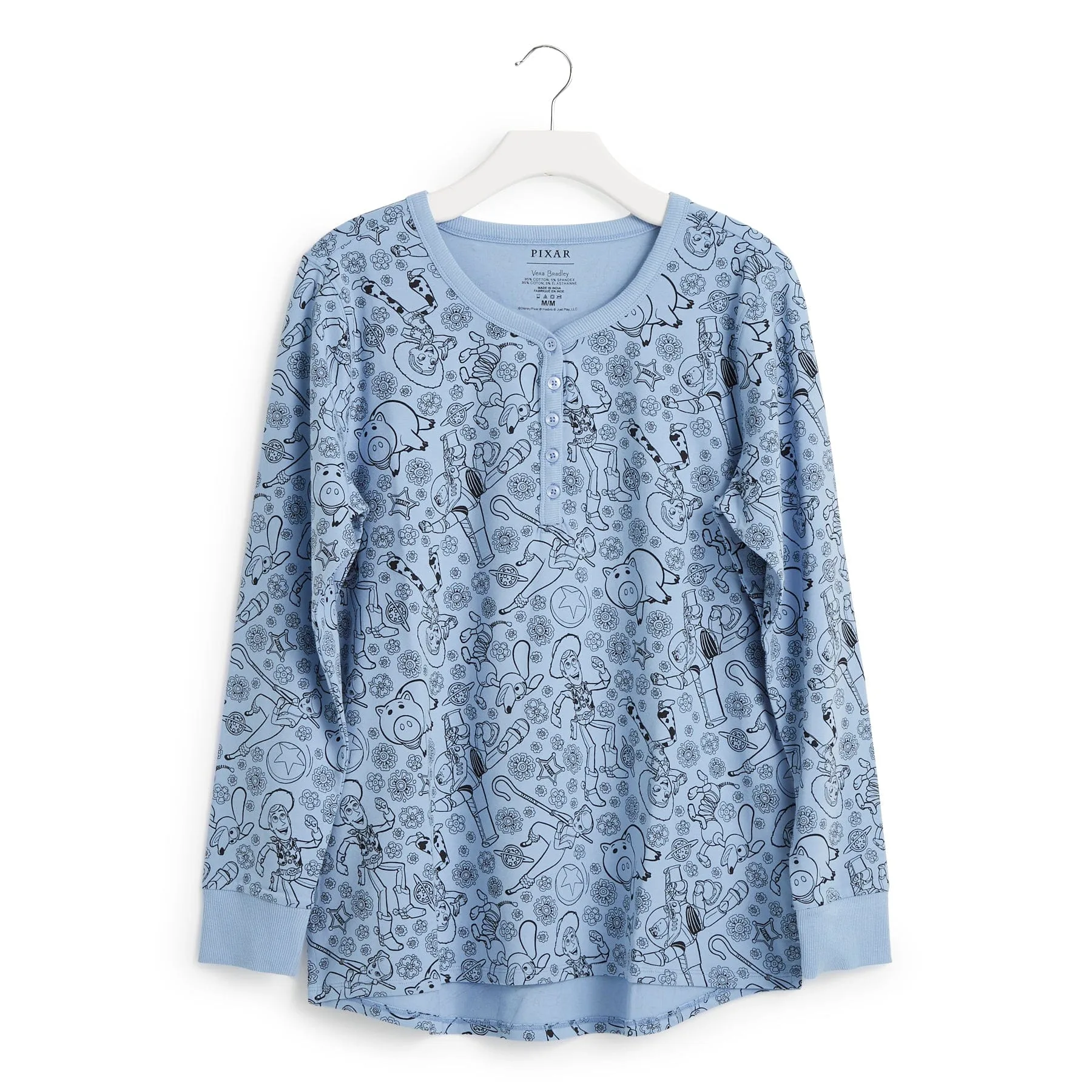
- Disney Pixar Long-Sleeved Pajama Henley: Cotton/spandex jersey knit with solid rib trim at sleeve openings and neckline, plus a functional henley button placket. The spandex and rib trim are the parts most likely to break down in a hot dryer. Cold washing and air drying protect the stretch and keep the ribbing from losing its shape.
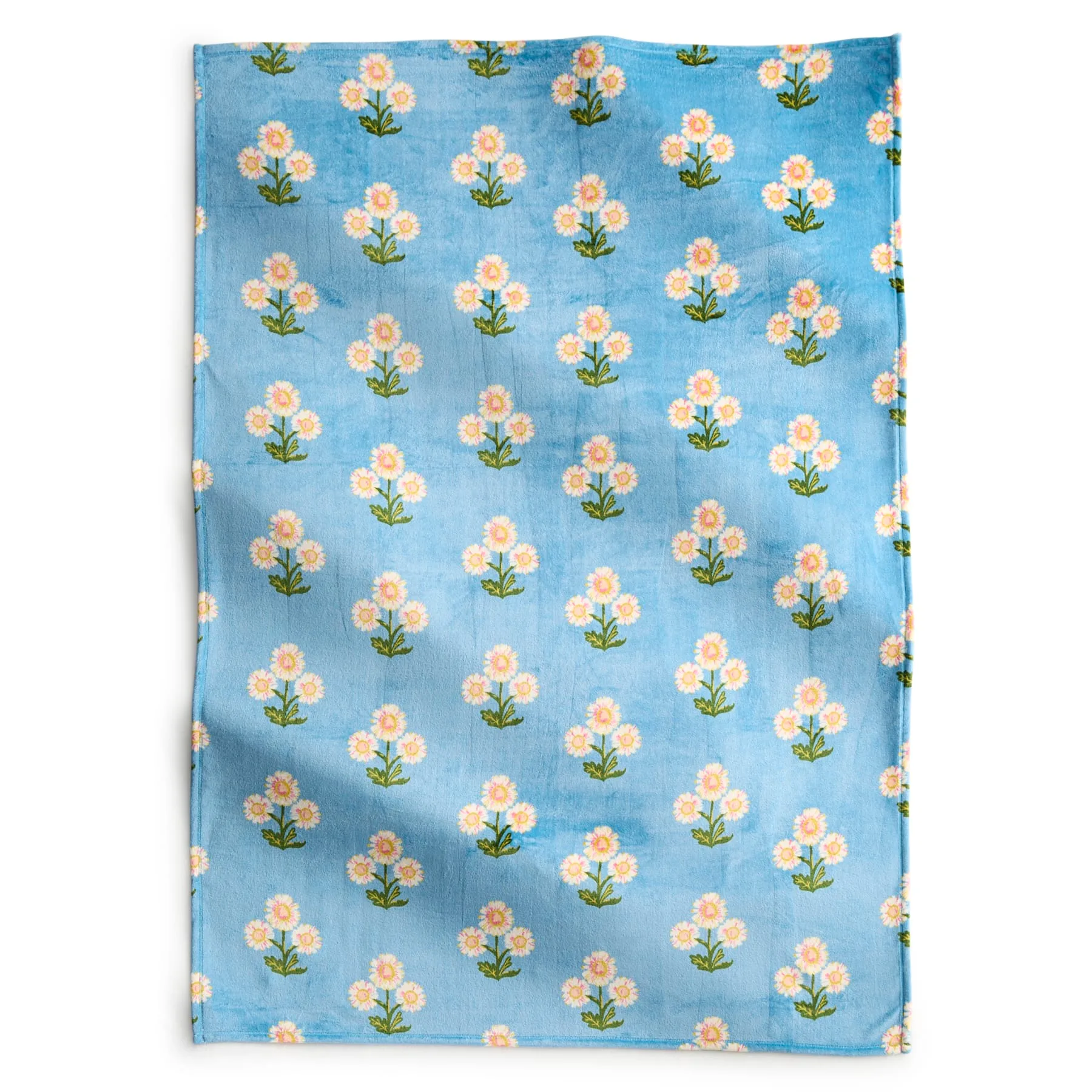
- https://verabradleyoutletex.com/products/outlet-essential-oversized-throw-blanket-5066923154-f4dbeba03a12a4cd1e189a79-1641783https://verabradleyoutletex.com/products/outlet-essential-oversized-throw-blanket-5478024407-686917fe8b4a77f57c13f06b-1641784https://verabradleyoutletex.com/products/outlet-essential-oversized-throw-blanket-5066920977-f6fe72b3553d20e4420440c7-1641795Outlet Essential Oversized Throw Blanket: 100% polyester, 66.0 inches wide by 94.0 inches high, 2.68 pounds. Polyester blankets can pill if washed with rough items. Wash this one separately on gentle and dry low to keep the oversized surface smooth.
Sleepwear care comes down to cold water, gentle cycles, low heat, and a little patience with drying. Those habits keep pajamas soft, protect prints and trim, and help you get more nights out of every set. Start with your next laundry load, and your pajamas will feel better for months.