Quick answer
Start with the care label, not the marketing name. If the label lists 100% polyester, expect durability and easy washing but less breathability than cotton or modal. Choose sleepwear that matches your sleep temperature first, then fit, then care routine; that order prevents most returns.
Read the care label before the fabric name
Care labels tell you more than front-of-pack words like 'soft' or 'cozy.' Look for the fiber content, washing temperature, and drying instructions. A 100% polyester label usually means the garment can handle frequent machine washing and dries quickly, but it may trap heat if you sleep warm. If the label says 'dry clean only' or 'hand wash cold,' decide whether that routine fits your real life before buying.
Match fabric weight to your sleep temperature
Sleepwear fabrics sit on a spectrum from light and airy to dense and insulating. For hot sleepers, choose lighter weights and looser cuts so air can move. For cold sleepers, a denser weave or brushed finish holds warmth. If you share a bed with someone who runs hot or cold, pick layers you can remove rather than one heavy set. This is the core of how to choose sleepwear that actually works for you.
Fit rules that prevent twisting and riding up
Sleepwear should skim, not squeeze. Check the shoulder seam: it should sit at the edge of your shoulder, not hang off. For pants or shorts, the waistband should stay put when you bend or roll over. If you sleep on your side, look for a slightly longer rise and a softer waistband. If you sleep on your back, a looser leg opening reduces bunching. Always check the size chart for garment measurements, not just your body measurements, because sleepwear is often cut with extra ease.
Care routines that keep sleepwear soft
Wash sleepwear inside out in cold water and avoid fabric softener, which can coat fibers and reduce breathability. Tumble dry low or hang dry. If the label allows machine washing, use a mesh bag for delicate trims. Rotate two or three sets so each one gets a rest between washes; this slows elastic fatigue and pilling. Check care labels each season because manufacturers sometimes change fiber blends without changing the style name.
Decision rules for sleepwear fabric and fit
- If you sleep hot: Choose lighter-weight fabrics and looser cuts. Avoid dense polyester unless the label says moisture-wicking and you have tested it. Prioritize breathable sleepwear over warmth.
- If you sleep cold: Choose brushed or denser fabrics, and add a removable layer like a throw blanket rather than buying heavy pajamas you cannot adjust. Layer for warmth instead of committing to one heavy set.
- If you hate ironing: Check the care label for tumble dry low or hang dry. Polyester and cotton blends usually wrinkle less than 100% cotton. Match the care label to your routine before you buy.
- If you are between sizes: Size up for sleepwear; a little extra room improves airflow and prevents seams from digging in when you move. Comfort beats a snug fit for sleep.
Product facts to ground your choice
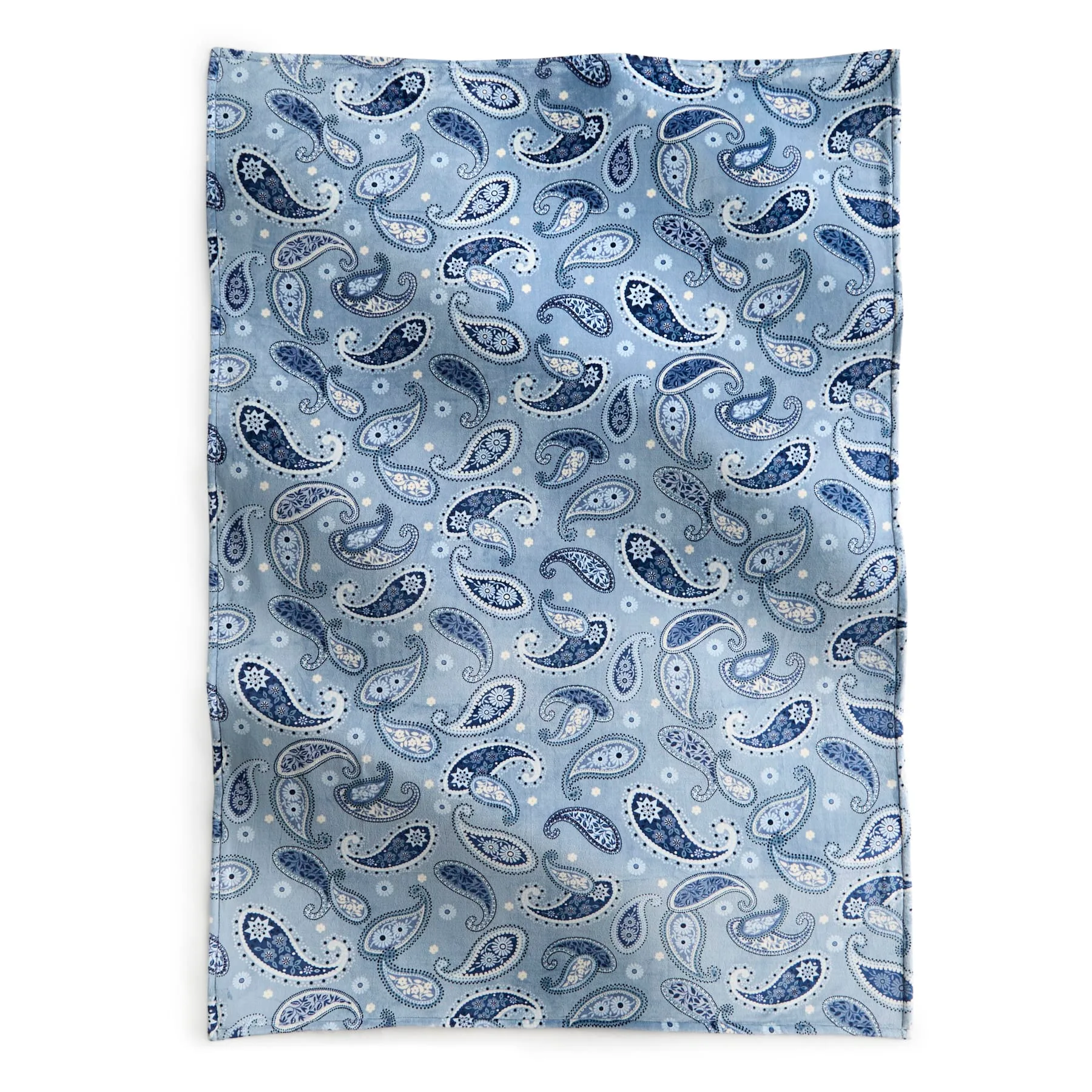
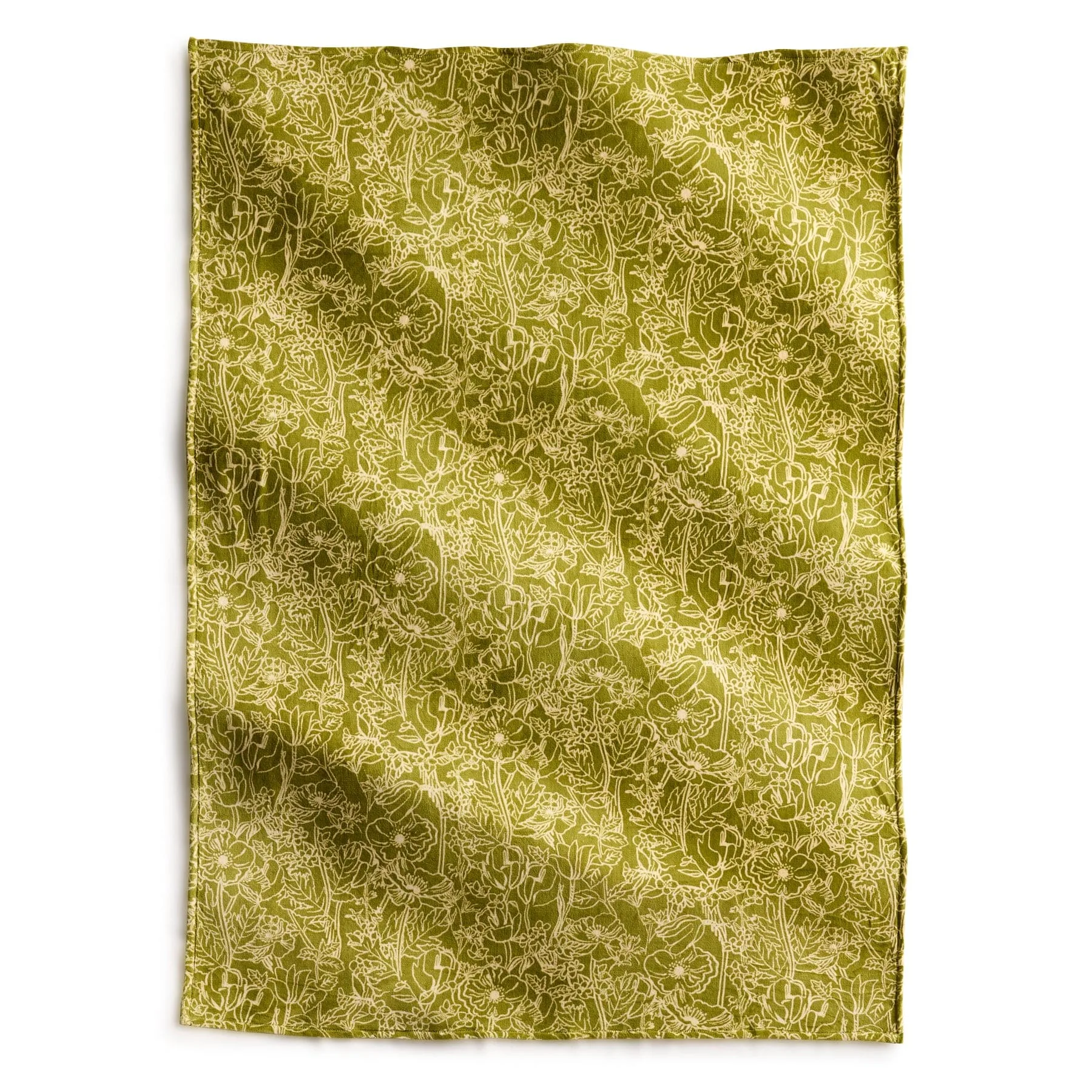
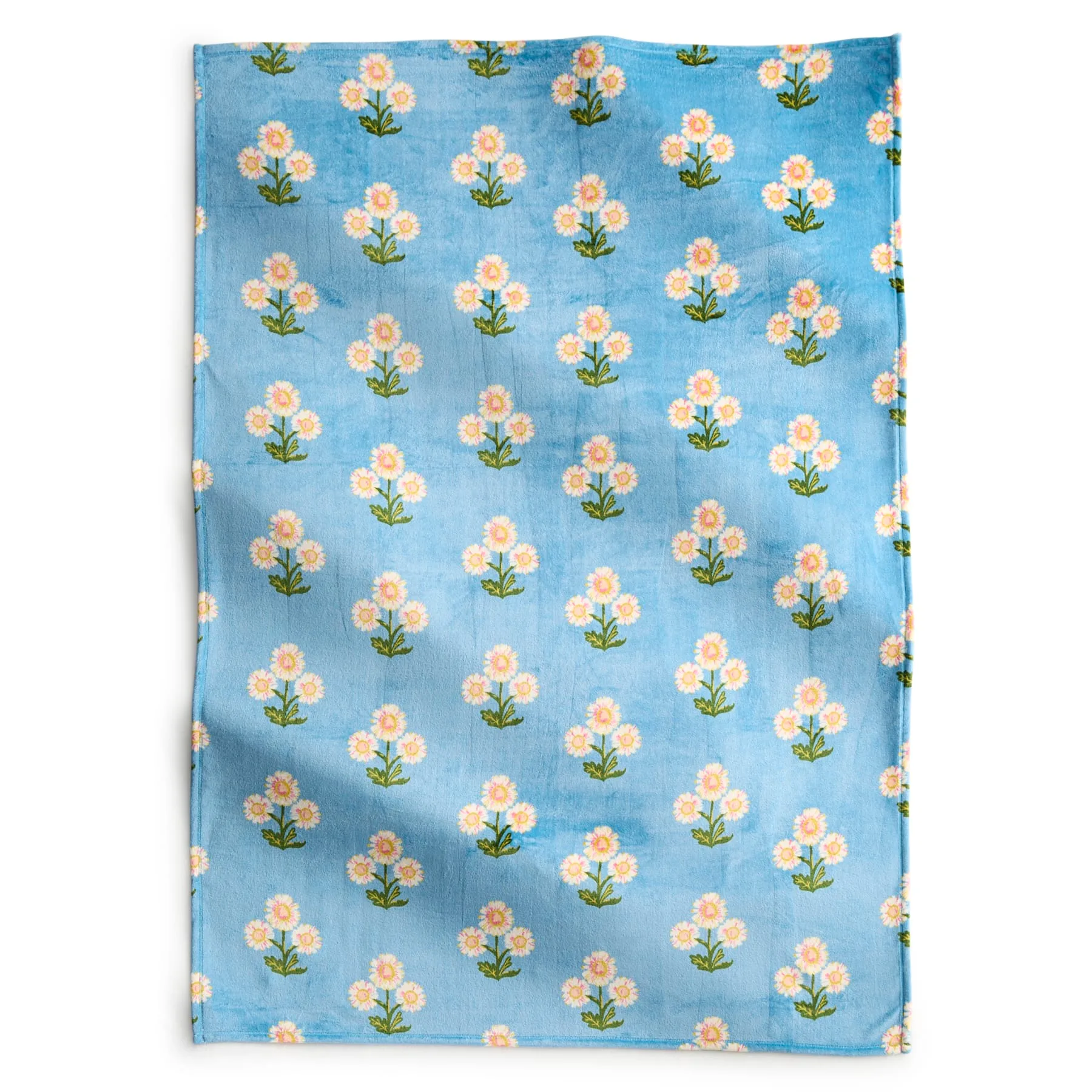
- Outlet Essential Oversized Throw Blanket: https://verabradleyoutletex.com/products/outlet-essential-oversized-throw-blanket-5066923154-f4dbeba03a12a4cd1e189a79-1641783https://verabradleyoutletex.com/products/outlet-essential-oversized-throw-blanket-5066920977-f6fe72b3553d20e4420440c7-1641795https://verabradleyoutletex.com/products/outlet-essential-oversized-throw-blanket-5066921782-d451714a90b72c8129ee8878-1641809https://verabradleyoutletex.com/products/outlet-essential-oversized-throw-blanket-5478024403-399c5322cb2aade970cb4310-1641849Outlet Essential Oversized Throw Blanket is 100% polyester and measures 66.0" w x 94.0" h. A large polyester throw adds warmth without a heavy quilt; useful as an extra layer on cold nights, but it is not breathable sleepwear.
- Decorative Throw Pillow: Decorative Throw Pillow includes hypoallergenic pillow fill and an invisible zip closure for laundering; dimensions are 18.0" w x 18.0" h x 7.0" d. A washable pillow with hypoallergenic fill supports a cleaner sleep environment, especially if you are sensitive to dust or dander.
Who this sleepwear approach is for
Best for
- Shoppers who want a repeatable way to compare sleepwear fabrics and care labels
- Hot or cold sleepers who need to match fabric weight to their sleep temperature
- Anyone who prefers machine-washable sleepwear and wants to avoid high-maintenance fabrics
Not for
- Shoppers looking for a specific brand or style recommendation without checking fiber content
- Anyone who needs formal or daywear fabrics rather than sleepwear