Quick Answer
Start with a comb, then follow with a slicker brush. The comb finds tangles, mats, and debris close to the skin; the slicker smooths, fluffs, and removes loose surface hair. If you brush first, you can push hidden knots tighter against the skin and miss them entirely.
Why the comb goes first, not the slicker
A comb's teeth reach the skin, so it tells you what is actually happening in the coat before you change its surface. Work in small sections and keep the teeth in contact with the skin as you pull through. If the comb stops, you found a tangle — and you found it while it was still small enough to separate with your fingers or a wider-spaced comb.
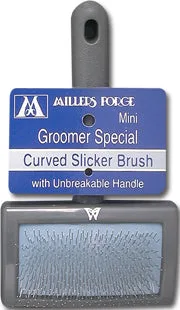
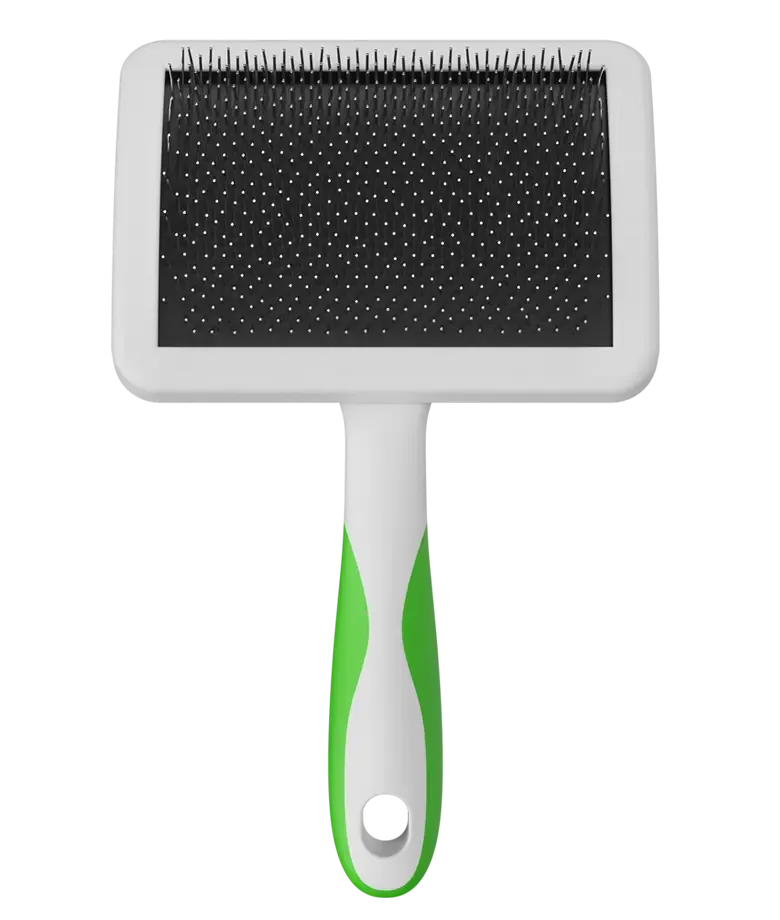
A slicker brush is a finishing and fluffing tool. Its fine, angled pins grab loose hair and lift the coat, which is why it makes doodles and double coats look fuller. But those same pins can ride over a mat and press it down instead of revealing it. That is why the comb is your diagnostic pass and the slicker is your polish pass.
When to use a slicker brush — and when to skip it
Use a slicker after the comb has passed cleanly through the coat. It is the right tool for fluffing legs and faces, removing loose undercoat, and giving curly coats a smooth finish. On a slicker brush for doodles, keep the wrist loose and work in short strokes rather than dragging through the whole body at once.
Skip the slicker when the comb is still catching. On a matted dog, brushing over the top only tightens the knot. Break the mat apart first with your fingers or a comb, then slicker the cleared area. If a mat is tight against the skin, do not force either tool through it — that is a job for a bath, conditioner, and possibly a professional groomer.
Building a repeatable slicker brush and comb routine
Run the same order every session so you and the dog both know what is coming. Comb the whole dog in sections, slicker the areas that combed clean, then comb once more over the finished coat to confirm nothing was pushed down. This two-pass check is what separates a groom that looks done from one that stays tangle-free for days.
Choose combs by coat type rather than by habit. A half-moon comb with mixed tooth spacing handles both detangling and finishing in one tool, which suits everyday maintenance on most pet coats. A rat tail comb is more about sectioning and precision work — banding, top knots, and clean part lines — than about clearing a full body of coat.
How much pressure and how often
Light pressure, many passes. Let the teeth do the work and stop the moment you feel resistance instead of pulling through it. For most coats, a full comb-and-slicker session two to three times a week prevents the small tangles that turn into mats; long or curly coats often need a quick daily comb on the high-friction areas — behind the ears, under the collar, armpits, and the tail base.
Keep blades and combs clean between sessions. Hair, dander, and product build-up on the teeth or blade reduce how cleanly they glide through the coat, which makes you work harder and the dog more impatient. A quick wipe-down after each groom is enough.
Slicker and Comb Questions Groomers Actually Ask
Can I use a slicker brush on a matted dog?
Only on coat that has already been combed clear. A slicker's pins can glide over the top of a mat and press it tighter against the skin, which makes the mat harder to remove and more uncomfortable for the dog. Comb first; slicker only where the comb passes freely.
How do I know the comb has actually reached the skin?
You should see the teeth touching the skin along your parting line, not just the surface hair. Work in partings about an inch wide and pull the comb through each one before moving on. If you cannot see skin, you are brushing the topcoat, not grooming the dog.
Which comb should I buy first?
A mixed-spacing comb like a 50/50 half moon covers detangling and finishing in one tool, so it earns its place in most tool bags. Add a rat tail comb later if you do banding, top knots, or precise part lines. One versatile comb beats three single-purpose combs you rarely pick up.
Does the order change for doodles or double coats?
No. The sequence stays comb, then slicker, then a final comb check. What changes is frequency: curly and double coats need shorter intervals between sessions because tangles form faster near the skin. Same order, tighter schedule.
Tools That Fit This Routine
- GSH Stagger Tooth Rat Tail Comb: The GSH Stagger Tooth Rat Tail Comb is built for easy and precise separation of hair, making banding and top knots easier, and the catalog notes its teeth can be combined with a de-shedding comb. Use it for sectioning the coat before combing, and for precision work on Poodles, Shih Tzus, and Yorkies rather than as a full-body detangler.
- 6.5in Half Moon Comb: The 6.5-inch Half Moon Comb uses a 50/50 tooth configuration, combining wider and finer spacing for both detangling and finishing, with a half moon shape that contours around the pet's body. This is the comb to reach for on the first pass: the wider teeth open tangles, the finer teeth check the coat, and the curved shape follows the body so you cover more coat per stroke.
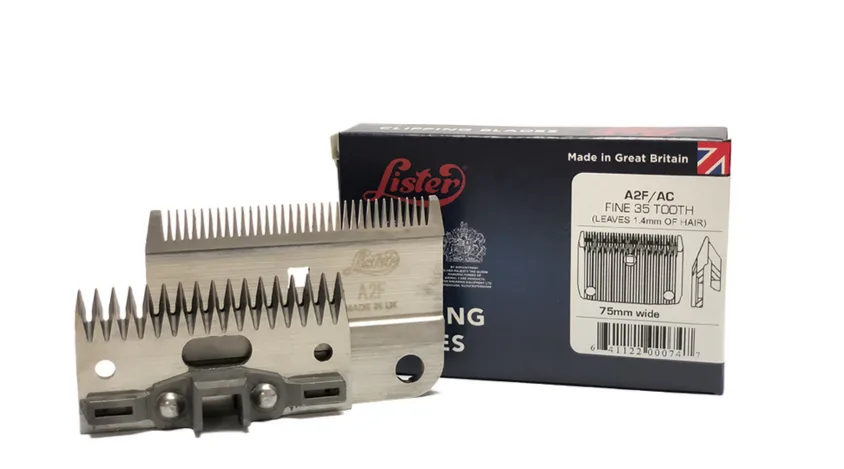
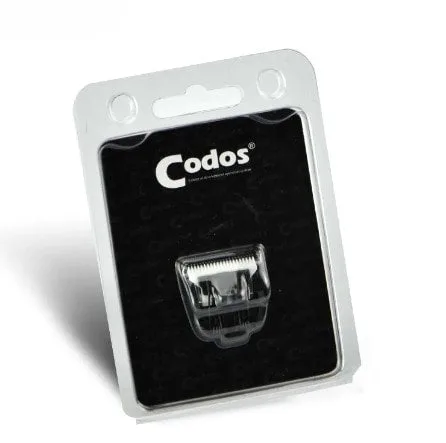
- Codo Mini Replacement Blade: The Codo Mini Replacement Blade is designed to fit the CHC-331 clipper and is a mini-size blade for detailed grooming work and touch-ups. When a mat has to come off rather than be combed out, a compact blade lets you work the tight areas — paws, face, sanitary — with more control than a full-size blade.