Quick answer
A slide scanning hood paired with a camera is the better choice when you need speed, consistent light control, and repeatable mounted slide scanning across many slides. A flatbed scanner is the better choice when you need a self-contained setup, are scanning a small mixed batch, or want to avoid building a camera rig. The trade-off is control and throughput versus simplicity and footprint.
How each setup actually captures a slide
A camera-based slide copy setup places the slide in a holder and uses a light source behind it, with a hood or mask blocking ambient light from windows and overhead fixtures. The camera stays fixed while you advance slides one by one. A flatbed scanner places slides on the glass, often in a transparency adapter or mask, and the scanner moves a sensor across the film to build the image. Both approaches can digitise 35mm slides, but they solve different problems: the camera setup is built for speed and repeatable lighting, while the flatbed is built for convenience and a smaller footprint.
Glare and contrast: the hood's main advantage
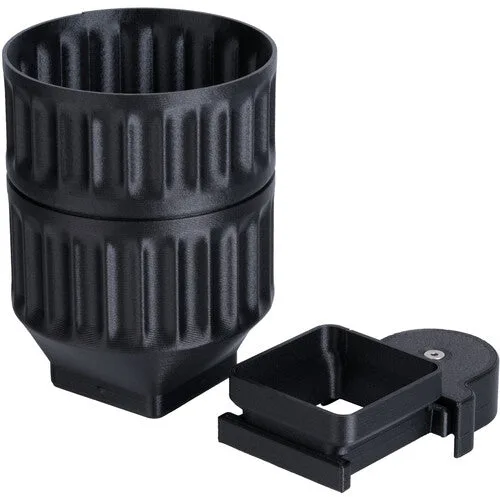
In a well-lit room, stray light from windows, overhead lighting, and surrounding surfaces can bounce into the slide and reduce contrast. The Negative Supply Basic Mounted Slide Film Scanning Hood is designed to reduce glare and improve contrast when scanning mounted slides in well-lit environments. It is built to work with the Basic 35mm Mounted Slide Scanning Kit, which means the hood is part of a system rather than a standalone fix. If your scans look washed out or show reflections, a hood is a direct way to control that variable. A flatbed scanner with a transparency adapter is enclosed, so ambient light is less of an issue, but the glass and slide surface can still attract dust that shows up as speckles.
Speed and volume: where camera scanning pulls ahead
Once a camera rig is aligned and the light is stable, advancing mounted slides is fast. You can move through a box of slides in a sitting, and the hood keeps the lighting consistent from frame to frame. A flatbed scanner is slower per slide because each scan involves placing the slide, closing the lid or adapter, previewing, and scanning. For a handful of slides, the difference is minor. For hundreds, the camera setup saves substantial time. The trade-off is that the camera setup requires more initial setup: you need a camera, a copy stand or tripod, a light source, and a holder. The flatbed is a single device.
Film choice matters if you are also shooting black and white
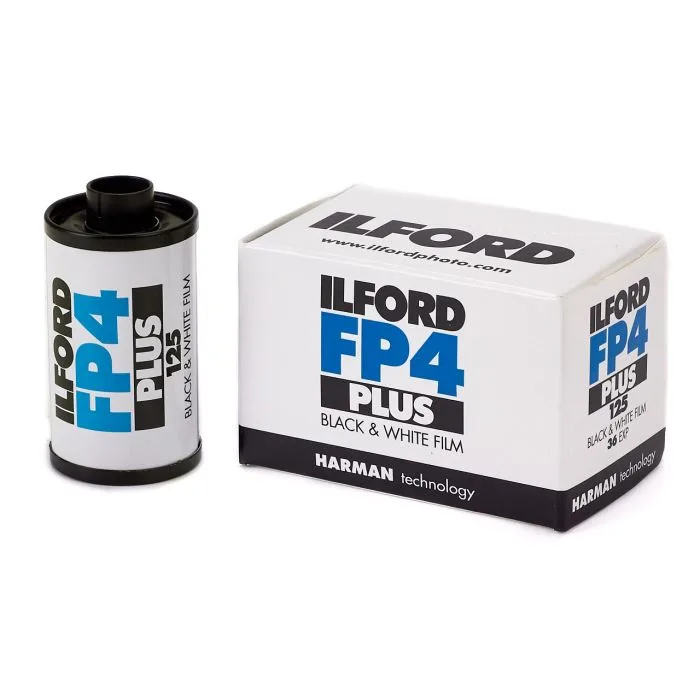
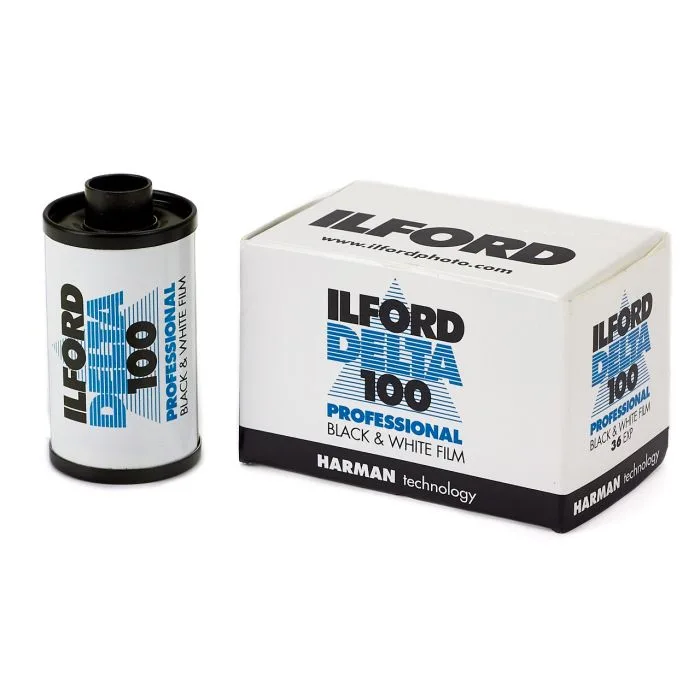
If your workflow includes shooting black and white film to scan later, the film you choose affects how much work the scanning stage requires. Ilford Delta Pro 100 is a medium speed, fine grain black and white film ideal for pictorial and fine art photography, and it can be processed in spiral tanks, rotary processors, trays, deep tanks, and automatic processors. When fixing Delta 100, slightly longer times than with conventional film are recommended for best results. Ilford FP4 Plus 125 is an exceptionally fine grain, medium speed black and white film suited to high quality indoor and outdoor photography, particularly when giant enlargements are to be made. It is a forgiving film that gives usable results even if exposure is slightly off, which helps when you are scanning a range of negatives and slides from different shooting conditions.
When a flatbed still makes sense
A flatbed scanner is a reasonable choice if you are scanning a small number of slides, if you also need to scan prints or documents, or if you want to avoid assembling a camera rig. It is also simpler for someone who scans occasionally and does not want to manage a separate light source and holder. The limitation is throughput and, in some setups, the need to manage dust on the glass. If you already own a flatbed with a transparency adapter, it can be a practical starting point before investing in a camera-based system.
Trade-offs at a glance
- Glare control: A slide scanning hood blocks ambient light from windows, overhead lighting, and surrounding surfaces, which improves contrast in bright rooms. A flatbed with a transparency adapter is enclosed, so ambient light is less of a factor, but dust on the glass remains a risk. Choose the hood if your scanning space has uncontrolled light; choose the flatbed if you can keep the glass clean and prefer an enclosed path.
- Throughput: Camera scanning with a hood lets you advance mounted slides quickly once the rig is aligned. A flatbed scanner is slower per slide because each frame requires placement, preview, and scan. For hundreds of slides, the camera setup saves time; for a small batch, the flatbed is simpler.
- Setup complexity: A camera-based slide copy setup needs a camera, a copy stand or tripod, a light source, and a holder. A flatbed scanner is a single device that handles the whole job. If you want to avoid assembling a rig, start with a flatbed; if you want repeatable, high-volume results, build the camera setup.
- Film and processing: If you shoot black and white film to scan later, Ilford Delta Pro 100 and Ilford FP4 Plus 125 are both medium speed, fine grain options. Delta 100 may need slightly longer fixing times than conventional film, while FP4 Plus is forgiving of slight exposure errors. Match the film to your scanning workflow: use Delta 100 for fine art work and FP4 Plus for general photography where exposure varies.
Products that support this comparison
- Negative Supply Basic Mounted Slide Film Scanning Hood: The Negative Supply Basic Mounted Slide Film Scanning Hood is designed to reduce glare and improve contrast when scanning mounted slides in well-lit environments, and it is built to work with the Basic 35mm Mounted Slide Scanning Kit. If you scan slides with a camera in a room with windows or overhead lights, this hood addresses the most common cause of low-contrast, washed-out scans.
- Ilford Delta Pro 100 - 35mm 24Exp: Ilford Delta Pro 100 is a medium speed, fine grain black and white film that can be processed in spiral tanks, rotary processors, trays, deep tanks, and automatic processors, and fixing times slightly longer than conventional film are recommended. Fine grain film gives you more latitude when scanning, but the longer fixing time is a practical step to remember if you process your own black and white film before digitising.
- Ilford FP4 Plus 125 - 125 35mm 24Exp: Ilford FP4 Plus 125 is an exceptionally fine grain, medium speed black and white film ideal for high quality indoor and outdoor photography, particularly when giant enlargements are to be made, and it is a forgiving film that gives usable results even if exposure is slightly off. A forgiving film reduces the risk of unusable frames when you are scanning a mixed batch of slides and negatives from different shoots.
Which setup fits your workflow?
Best for
- Photographers digitising large volumes of mounted 35mm slides who need consistent lighting and fast throughput.
- Users who already own a camera and copy stand and want to add a hood to control glare in a bright room.
- Anyone shooting black and white film such as Ilford Delta Pro 100 or Ilford FP4 Plus 125 and scanning the results at home.
Not for
- Users who want a single, self-contained device and do not want to assemble a camera rig.
- People scanning only a few slides occasionally and who are satisfied with flatbed speed.
- Anyone who needs to scan prints or documents alongside slides, where a flatbed is more versatile.