Quick answer
For most parents of newborns, a sling carrier is easier to put on and take off quickly, especially for short errands and frequent feedings. A wrap gives a more custom, snug fit and can feel more secure for long hands-free stretches, but it takes practice to tie well. If you want the least fuss in the first weeks, start with a sling; if you plan long walks or need both hands for hours, a wrap is worth learning.
How each option actually feels day to day
A sling carrier is a pouch-style carrier that you slip over one shoulder. You adjust it by tightening or loosening the fabric or rings, and you can usually get baby in and out in under a minute. That speed matters when your newborn wants to feed every two hours or you are running into a store. The trade-off is that a sling puts most of baby's weight on one shoulder, so it can feel less balanced after 30 to 45 minutes.
A wrap is a long piece of stretchy or woven fabric that you tie around your torso. It takes longer to put on, often two to five minutes at first, and you need to learn a few knots. Once tied, the wrap distributes weight across both shoulders and your back, which many parents find more comfortable for longer wear. The trade-off is that you cannot easily take baby out without untying or loosening the whole wrap.
Safety basics that apply to both
No matter which you choose, the same rules keep a newborn safe: baby should be high enough to kiss, with the head above the fabric and the chin off the chest. The airway must always be visible, and baby's face should never be pressed into your body or the carrier. A firm, tight carry prevents slumping. Check the manufacturer's weight and age minimums, and never use a carrier while cooking, exercising, or in a car instead of a car seat.
What to look for in the fabric and fit
Stretch and breathability matter more than brand names. A fabric with a bit of stretch lets you snuggle a newborn close without wrestling with the carrier, and breathable material helps prevent overheating. For a sling, look for an adjustable knot or ring system so you can fine-tune the fit as baby grows. For a wrap, check the length and the recommended weight range; many wraps are sized, so a poor length makes tying harder.
Fit is personal. If you are petite, a bulky sling may swallow your frame; if you are tall, a short wrap may not tie securely. Try before you commit, or choose a retailer with easy returns. Also think about the season: a thick carrier can be too warm for summer, while a lightweight one may need a jacket over both of you in winter.
When a hip carrier or structured carrier makes more sense
If your baby is older than about four months and has good head control, a hip carrier or a structured carrier with buckles can be faster than a wrap and more supportive than a sling. These options often have padded straps and a waist belt, which take weight off your shoulders. They are not usually the best fit for a floppy newborn, so keep a sling or wrap for the early months. Many parents end up owning two: a soft sling or wrap for the newborn stage, then a hip carrier for the sitting-up stage.
Trade-offs at a glance
- Speed of putting on: A sling goes on in seconds and baby slips in and out fast. A wrap requires tying or wrapping each time, which takes practice and a few minutes at first. Choose a sling if you are in and out of the car or feeding constantly.
- Weight distribution: A sling carries weight on one shoulder, which can ache after a while. A wrap spreads weight across both shoulders and your back, which many find more comfortable for long wear. Choose a wrap for long walks or hours of hands-free holding.
- Learning curve: A sling is intuitive for most parents. A wrap has a steeper learning curve, and a poorly tied wrap can feel loose or unsafe. Practice a wrap with a doll or in front of a mirror before you need it.
- Adjustability as baby grows: A sling with an adjustable knot or rings can be tightened as baby grows. A wrap is tied fresh each time, so it adapts to any size within its weight range. Both can work for months, but check the weight limits.
Copper Pearl products that support newborn wearing
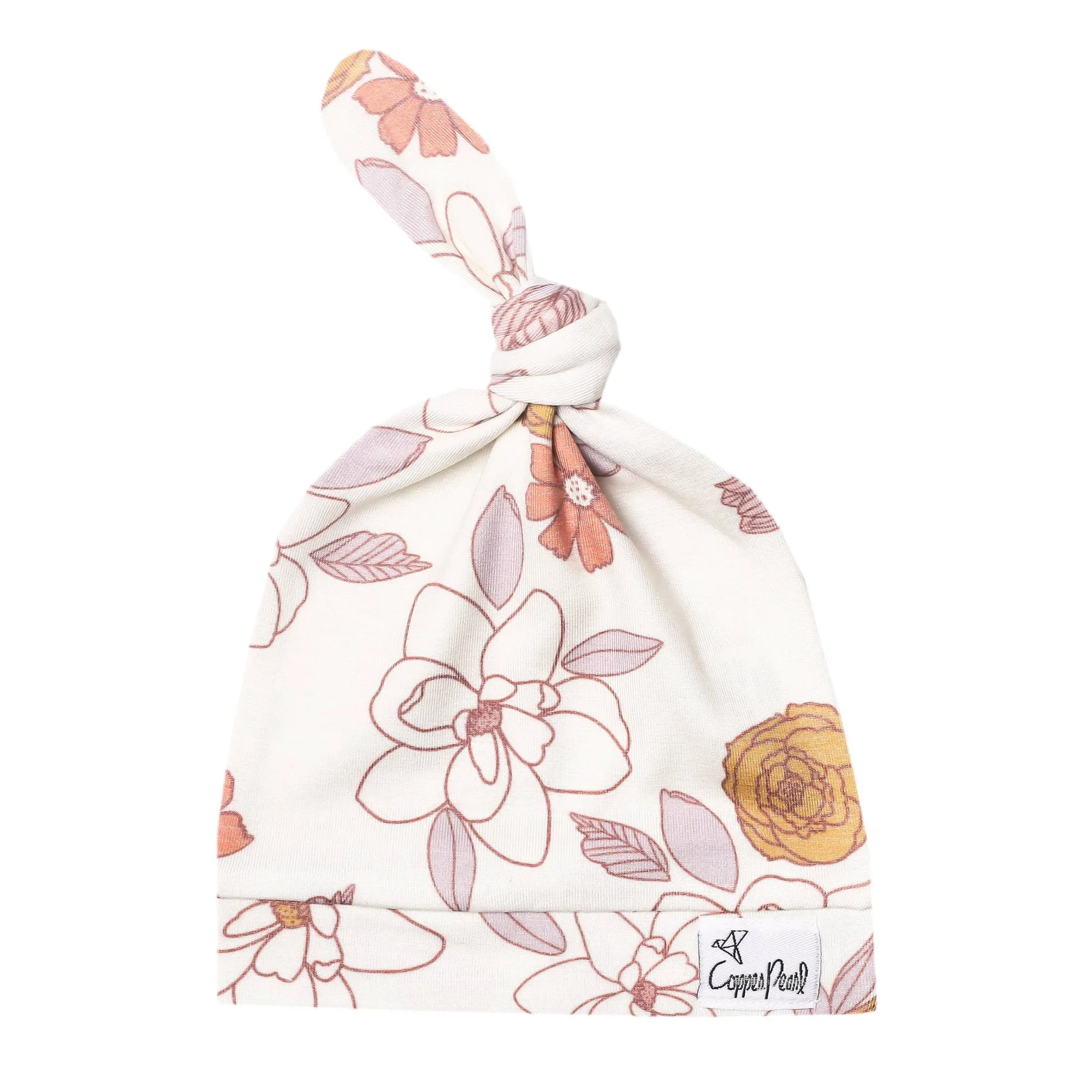
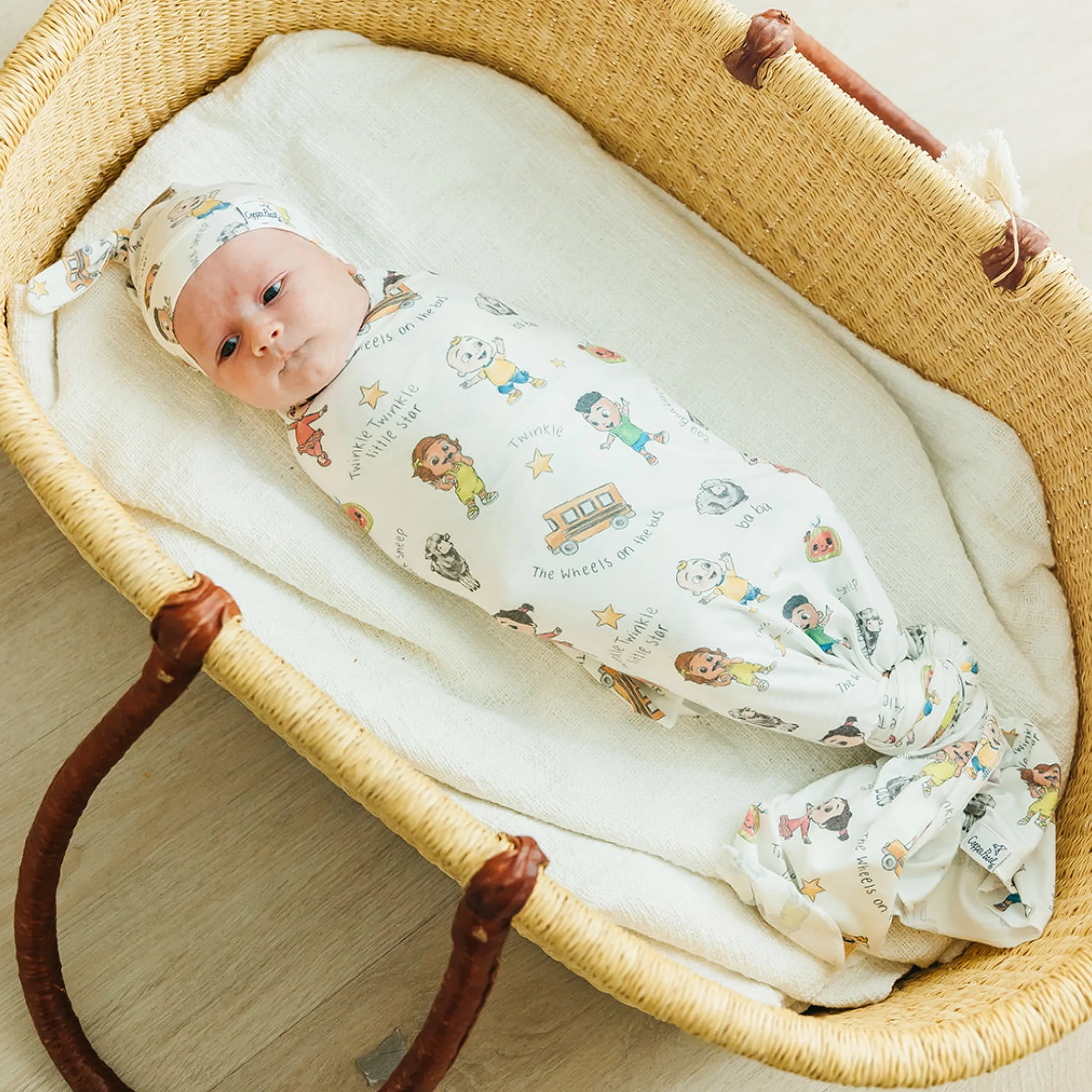
- Top Knot Hat - Super Grover: Top Knot Hat - Super Grover is made with ultra-soft, breathable stretchy fabric and has an adjustable knot for a perfect fit from newborn to 4 months. A hat that stays put and breathes helps keep a newborn comfortable during and after carrier time, and the adjustable knot means you are not rebuying as baby grows.
- Baby Pants - Tatooine: Baby Pants - Tatooine are buttery soft knit pants with a fold-over waistband that adjusts as baby grows. Soft, adjustable pants make diaper changes and carrier transitions easier because you are not fighting tight waistbands or outgrown sizes.
- Sleep Bag - Enchanted Friends: Sleep Bag - Enchanted Friends is a three-layer sleep bag with buttery soft fabric and a plush fill, described as the safest alternative to loose blankets. If you wear baby for naps, a sleep bag keeps the sleep space safe and warm without loose blankets, so you can transfer baby down without rewrapping.
Which should you choose?
Best for
- Parents who want the fastest, simplest way to carry a newborn for short trips.
- Frequent feeders who need to take baby in and out many times a day.
- Anyone who finds tying a wrap frustrating or has limited time to practice.
Not for
- Parents planning long, hands-free wear who want even weight distribution.
- Those who prefer a custom, snug fit that adjusts with every tie.
- Babies older than the sling's weight limit or who need a structured hip carrier.